Tech News Roundup — September 30, 2026 (PM)
Today’s tech briefing spans AI safety commitments, Windows-Linux convergence, and hardware shifts as the market adjusts to new GPU capabilities and ARM processor timelines.
AI Safety & IPO Announcements
OpenAI’s public debut hinges on safety verification. Sam Altman told reporters at DevDay that the company won’t pursue an IPO until it can make confident safety claims about its models—and there’s no firm timeline in sight. Altman acknowledged the tension: continued AI progress is necessary, but model capabilities have surged and safety verification must keep pace. The comment comes amid broader industry pressure on AI safety research following months of debate over whether leading companies can adequately test model risks before deployment. [The Verge] also reported that the Trump administration has brokered a deal with major tech leaders for self-regulation of AI safety rather than direct government mandates.
Windows Adds Linux Container Support
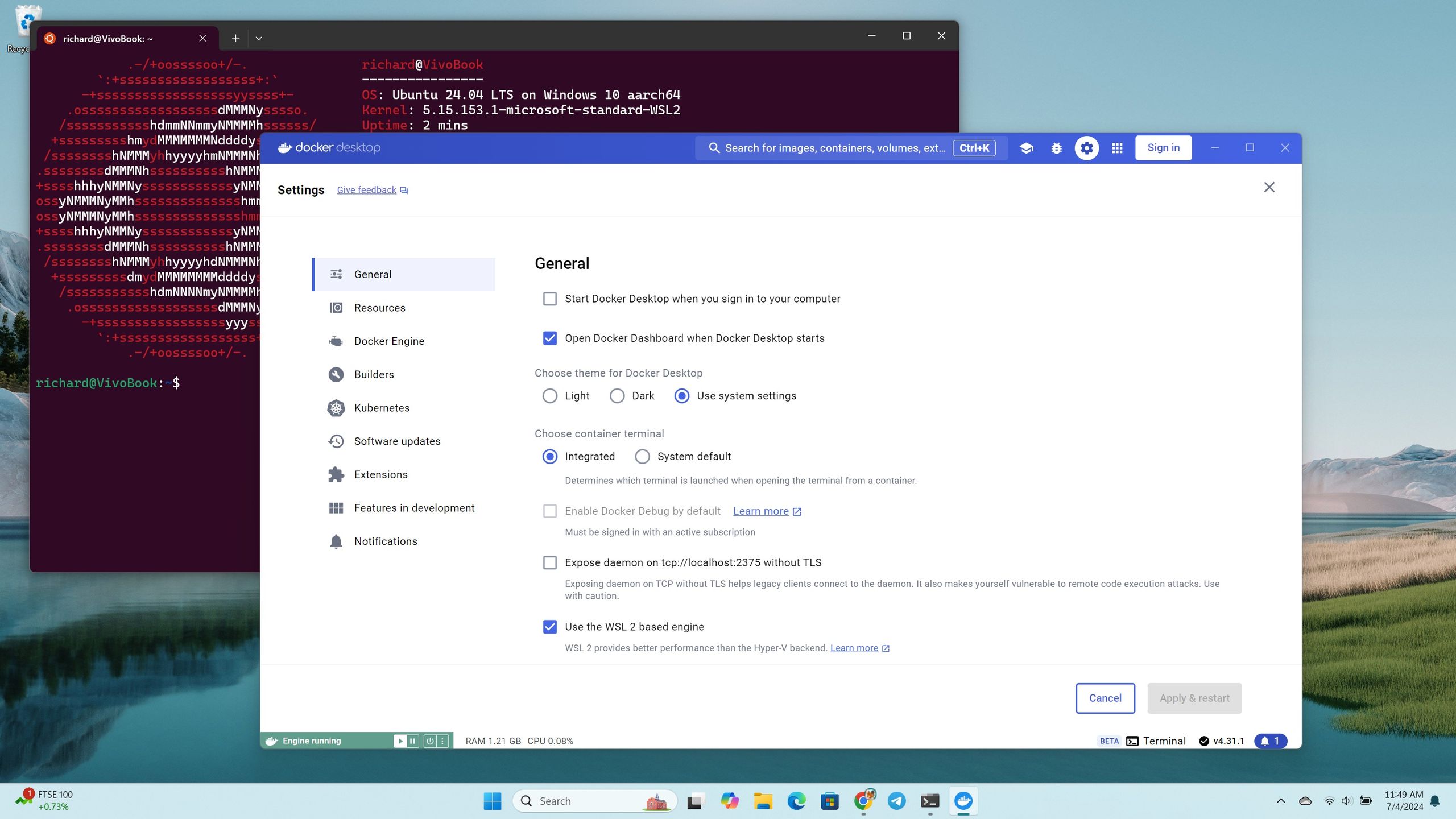
Microsoft’s WSL Containers are now generally available. Windows 11 users can now run Linux containers natively through Windows Subsystem for Linux, eliminating the need for third-party tools like Docker Desktop for basic container workflows. The feature ships with health checks, real-time event streaming, expanded networking controls, and new management commands via the wslc CLI. Microsoft emphasized that WSL Containers requires less software overhead than Docker Desktop while maintaining familiar command syntax for developers already using container ecosystems. The move accelerates Linux-first developer adoption on Windows by removing one more infrastructure barrier.
Open-Source Graphics & GPU Acceleration Surge
Rusticl brings Rust-based OpenCL to the forefront. The Mesa Rust OpenCL driver (Rusticl) achieved a major milestone in 2026, adding support for over 3.1 device types and expanding driver coverage significantly. Lead developer Karol Herbst presented progress at XDC 2026, showcasing how the Rust-based approach improves safety and maintainability in GPU abstraction layers. Concurrently, AMD’s PerfOpt optimization feature landing in Linux 7.4 is delivering 18–23% performance gains for AI/LLM workloads on Radeon integrated graphics—particularly valuable for lower-end laptops and desktops where discrete GPUs are unavailable. The combination of improved open-source drivers and tuned kernel support signals accelerating adoption of GPU-accelerated workloads across consumer and developer hardware.
Streaming Hardware Simplifies Power
Amazon Fire TV Stick 4K drops the separate power adapter. The new Fire TV Stick 4K can now pull power directly from the TV’s USB port, matching the setup simplicity of the entry-level Fire TV Stick and reducing cable clutter. The device launches at $59.99 with Wi-Fi 6, Bluetooth 5.3, and Amazon’s refreshed Fire TV OS. The move also reflects Amazon’s product-line simplification, narrowing the lineup to four devices (HD, 4K, 4K Max, and Cube) instead of five. [The Verge] also reported new hardware across the ecosystem: Sonos unveiled the Ace Ultra headphones with improved comfort and audio tuning, and Shure released the MV6 Gen 2 microphone targeting gamers and streamers with broadcast-grade sound in a compact form factor.
Windows ARM Chip Sunset
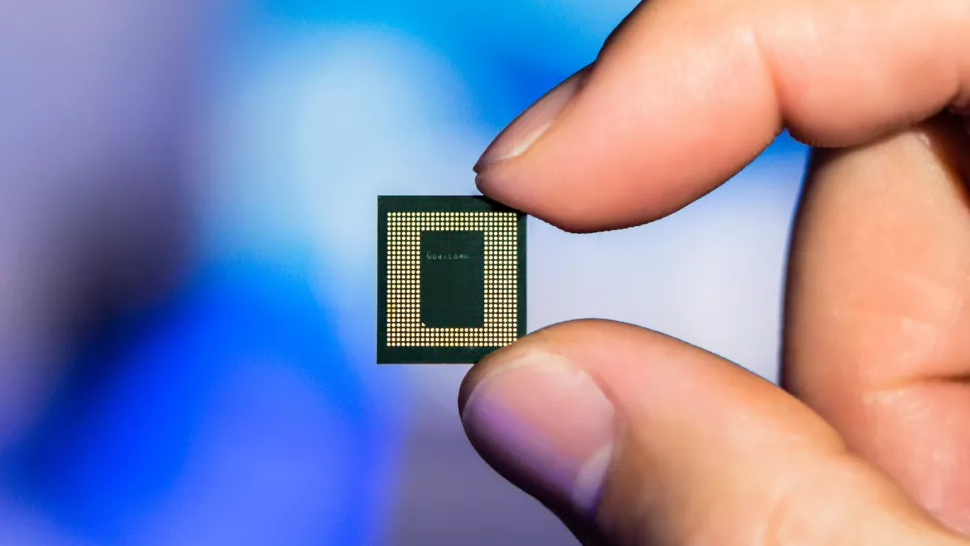
Snapdragon 850 loses Windows 11 support after version 26H2. Microsoft announced that Windows 11 version 26H2—released just now—is the final version supporting Qualcomm’s Snapdragon 850. The 2018-era ARM processor, notable as the first Qualcomm “built-for-Windows” chip, will no longer receive updates after version 26H2 enters maintenance (24 months). The decision mirrors Microsoft’s earlier Snapdragon 835 deprecation and suggests the forthcoming Windows 12 (27H2) may introduce architectural changes incompatible with older ARM silicon. Owners of Snapdragon 850 machines have until mid-2028 before falling into an unsupported security state.
Compiled from the configured RSS feed.