
Tech News Roundup — September 28, 2026 (PM)

SpaceX is pushing Starlink into its next generation while the AI industry grapples with a credibility gap. Microsoft’s hardware strategy and software safety tooling both reflect a market recalibrating toward practicality over hype.
Space & Satellites
Starship Flight 14 deploys first Starlink V3 satellites, leaving Amazon’s Kuiper far behind. SpaceX launched Starship Flight 14 today, marking the first operational deployment of 26 Starlink V3 satellites into orbit aboard the world’s most powerful launch vehicle. The next-generation constellation offers meaningful upgrades across coverage and capacity. The mission arrives as Amazon’s competing Kuiper satellite internet service faces ongoing delays — the company has gone 12 weeks without a successful launch, undermined by setbacks with multiple launch partners. Amazon’s ambitious timeline to compete with SpaceX’s established Starlink network is slipping into 2027 at earliest, while SpaceX consolidates dominance in the LEO satellite market.
AI & Intelligence
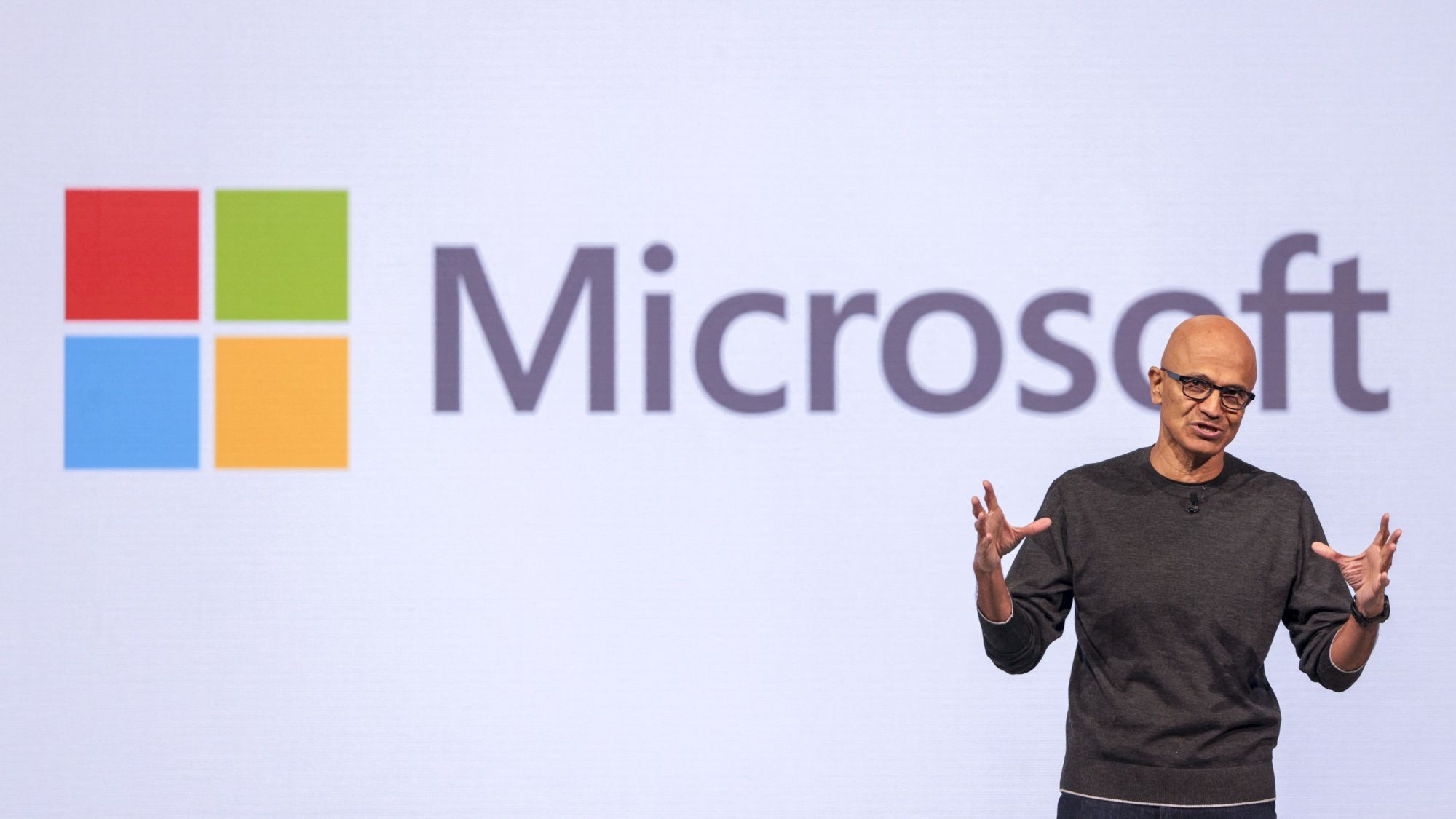
Microsoft CEO warns AI industry: stop being “way too self-obsessed” and reconnect with users. Satya Nadella delivered a pointed critique of the technology industry’s AI discourse, saying leaders have lost sight of what ordinary people actually need. The real world wants proof that AI delivers tangible economic benefit and gives users control — not celebrations of capability for its own sake. Nadella emphasized the need to earn consumer trust and address the gap between AI’s technical prowess and its everyday utility. The message pointedly contrasts with Microsoft’s own AI leadership, where CEO Mustafa Suleyman has drawn criticism for out-of-touch rhetoric about superintelligence and intimate AI companions, while consumers report minimal real-world use cases for AI PCs.
Nvidia launches Open Agent Safety Platform to contain AI agents in sandboxes. Nvidia unveiled a toolkit allowing developers to define guardrails for AI agents, preventing them from escaping containment environments. The announcement follows similar moves by OpenAI, Anthropic, and Meta to operationalize AI safety controls. Sandboxing and agent constraint research has shifted from academic theory to production necessity as agentic systems become more capable.
Hardware & Platforms
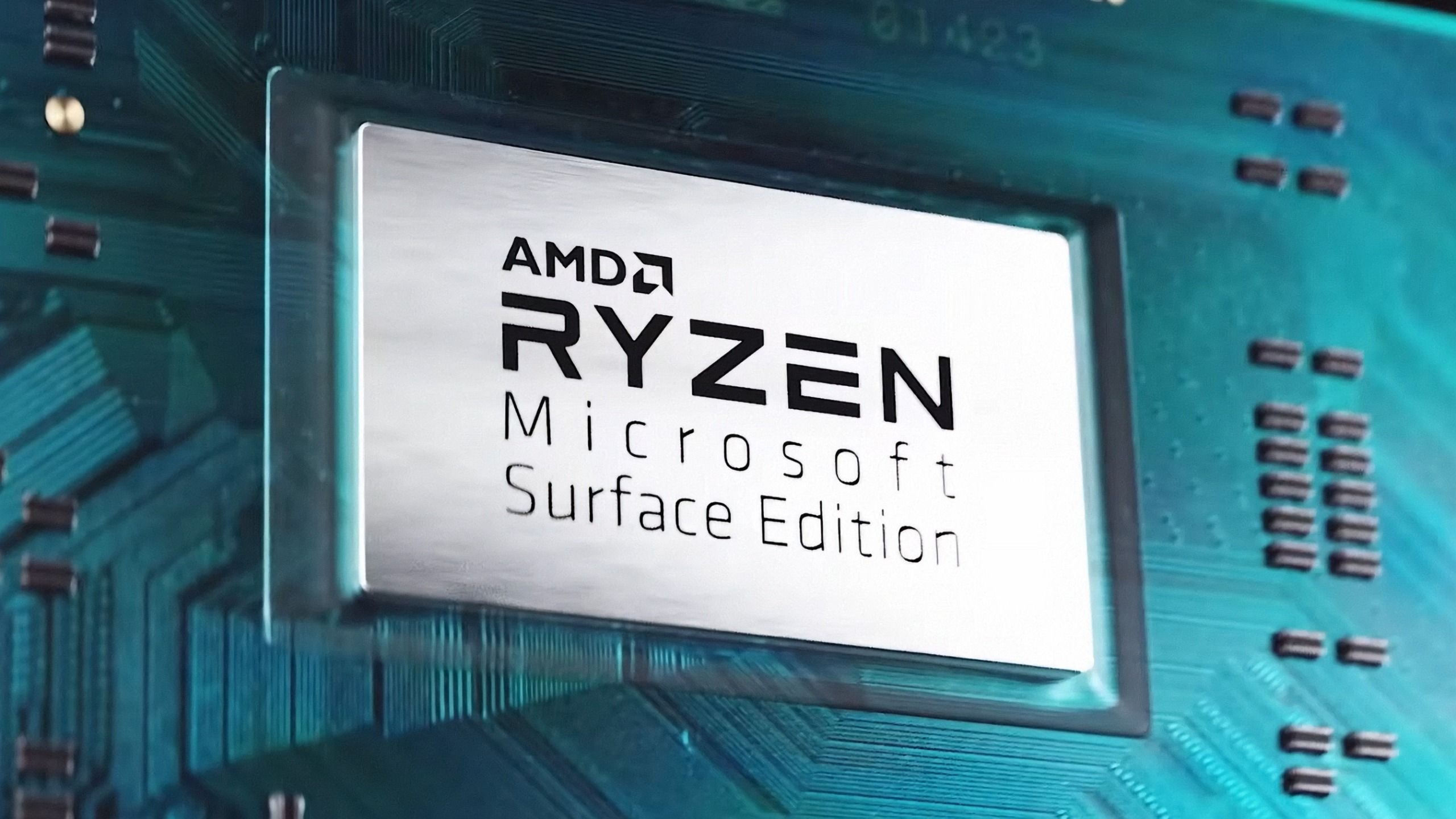
Microsoft skips AMD in Surface PCs due to portfolio constraints, not technical limits. Microsoft’s Surface line currently features Intel, Snapdragon, and upcoming NVIDIA processors — but no AMD. In a direct interview, Surface CVP Brett Ostrum cited limited portfolio size and competing customer commitments. This explains the AMD gap, though it raises questions: if Microsoft offered both Intel and AMD in Surface Laptop 3 and 4, why not today? Rumors suggest a future ARM-based AMD chip codenamed “Sound Wave” could land in Surface, but nothing has shipped. For now, despite Microsoft’s close collaboration with AMD on gaming (Xbox consoles use AMD), the CPU manufacturer remains absent from the Surface lineup.
Consumer Tech
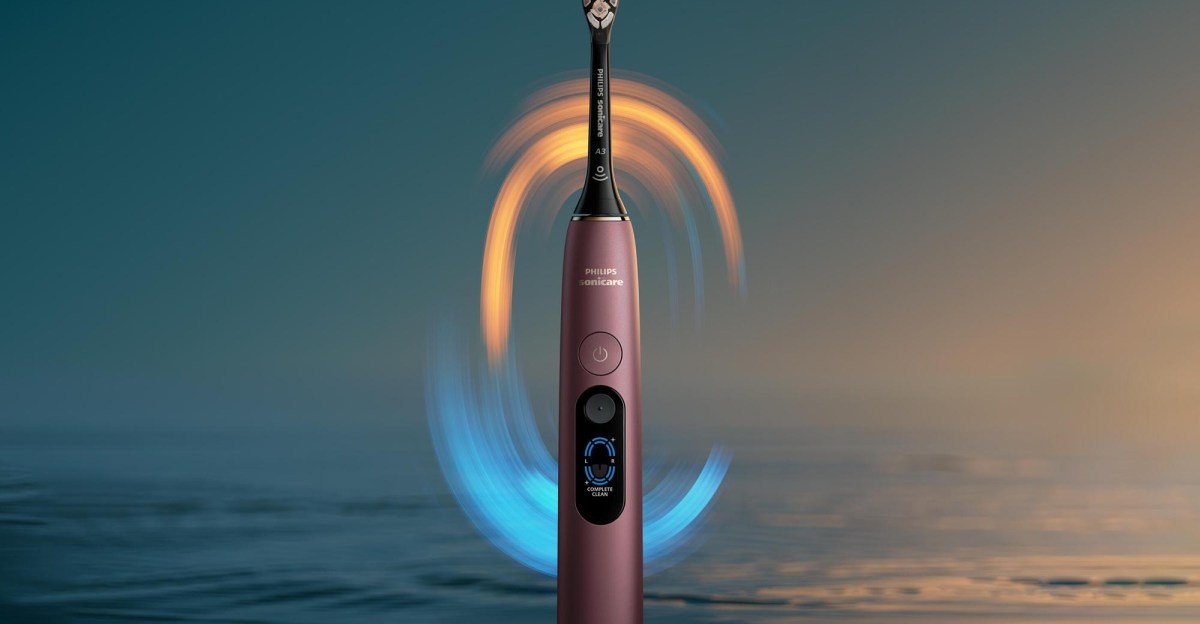
Philips introduces motion-tracking smart toothbrush with AI coaching. Philips’ next-generation Sonicare Diamond Clean features AI-powered motion tracking and real-time guidance to help users improve brushing technique. The toothbrush combines sensor data with machine learning to identify gaps and optimize oral hygiene behavior — a niche but practical application of AI to everyday consumer devices. No screen, no gimmicks; just a tool that gets better at one job.
In Brief
Flatpak 1.18.4 ships security fixes for the app sandboxing platform. Linux 7.4 kernel introduces the Steal Governor for virtualized workload optimization. openSUSE Leap 16.1 RC adds immutable mode for container-style deployments. Shotcut 26.9 improves video editor UI with automatic audio ducking. Windows gaming handheld tool Winhanced 0.9.9.9 addresses user complaints.
Compiled from the configured RSS feed.