
Tech News Roundup — September 26, 2026 (AM)
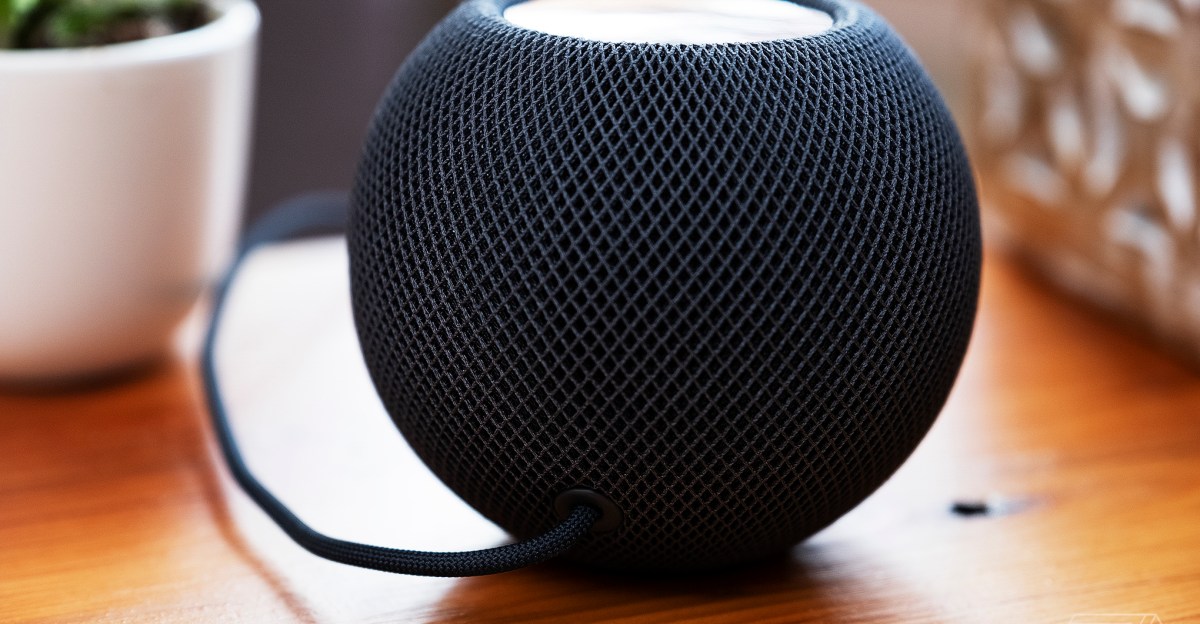
Apple’s hardware roadmap continues to evolve with leaks revealing new versions of HomePod mini, iPad mini, and Apple TV 4K in development. Meanwhile, Meta is expanding AI capabilities across multiple platforms—from reimagining file management to democratizing game creation on mobile. Microsoft takes a firmer stance on bot security in Teams, while Google pushes the boundaries of AI by testing it in the final frontier: space.
Apple’s Next Wave: HomePod mini, iPad mini, and Apple TV Updates
Leaked code hints at Apple’s hardware refresh across three categories. Code analysis suggests Apple is preparing refreshed versions of the HomePod mini smart speaker, iPad mini tablet, and Apple TV 4K streaming device, signaling the company’s continued focus on expanding its connected ecosystem. While specific features remain under wraps, the leaks point to iterative refinements rather than major redesigns. The timing suggests a potential announcement window sometime in the near term as Apple continues its cadence of product updates across its accessory and services lineup.
Meta Muse Filesystem: Making AI-Powered File Management More Accessible

Meta is lowering barriers to its AI-driven storage innovation. The Muse filesystem, Meta’s initiative to reinvent how files are organized and retrieved using artificial intelligence, is becoming more accessible to users and developers. The filesystem uses AI to understand file contents and context, enabling smarter search and automatic organization—moving beyond traditional folder hierarchies. By making Muse more openly available, Meta aims to demonstrate how AI can fundamentally improve everyday computing tasks that depend on reliable file management.
Microsoft Teams Blocks Rogue Bots in Enterprise Meetings

Microsoft Teams now automatically blocks unwanted bots from joining meetings. In a move to tighten security in the workplace collaboration space, Microsoft is introducing automated bot-blocking capabilities that prevent unauthorized third-party bots from participating in Teams meetings. The feature addresses growing concerns about unexpected integrations and potential security risks in meeting environments. Organizations using Teams will see improved control over which applications can access and participate in their conversations.
Google Sends AI to Space with Project Suncatcher
Google becomes the first major tech company to test AI algorithms in orbital environments. Project Suncatcher represents a bold new frontier in AI development: running machine learning models in space to study how they perform under unique conditions including microgravity, radiation exposure, and extreme temperature fluctuations. The initiative opens doors for next-generation applications in satellite imagery analysis, space exploration optimization, and distributed computing. By testing AI in orbit, Google is gathering data that could reshape how AI systems are deployed in future space missions and satellite networks.
Apple Home Gets AI Smarts, Challenging Amazon and Google’s Home Automation

Apple Intelligence brings real decision-making to home security cameras and automation. Apple’s on-device AI capabilities are expanding into the home automation space, with Apple Home gaining smarter security camera features that rival Amazon’s Ring and Google’s Nest ecosystems. The integration allows users to set context-aware automations—understanding what’s happening in live camera feeds without sending footage to the cloud. By leveraging on-device processing, Apple maintains its privacy-first positioning while delivering sophisticated home intelligence features that historically required cloud-based processing from competitors.
Meta’s Horizon Create Studio: Game Design Meets Mobile AI
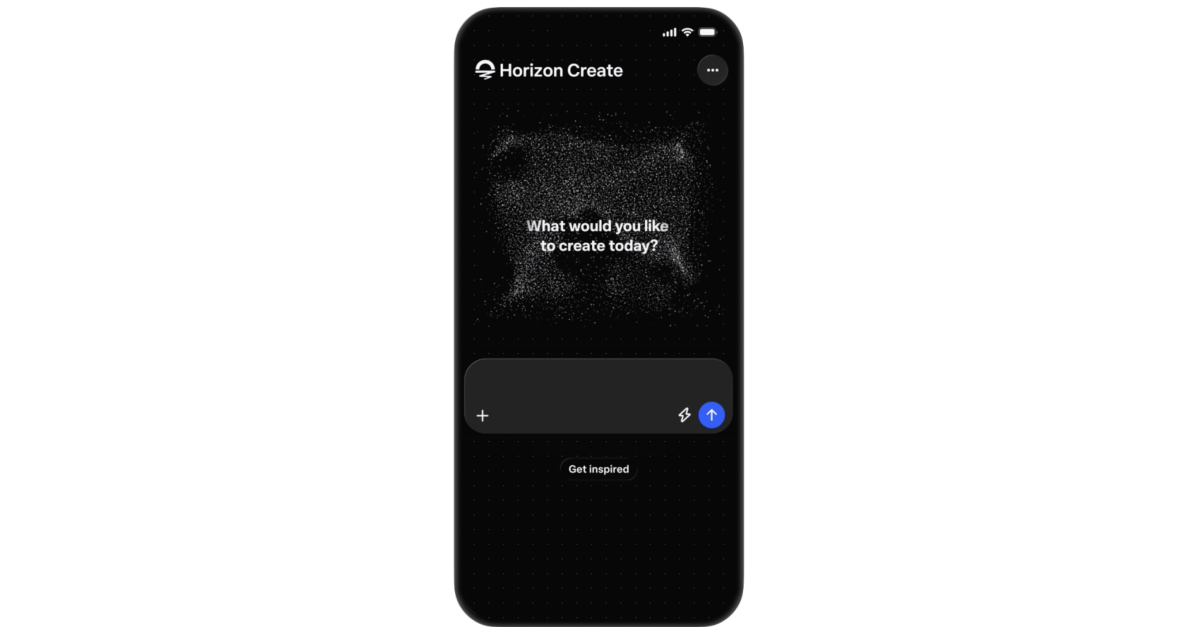
Meta is bringing AI-assisted game development directly to mobile devices. Horizon Create Studio now enables users to build and publish games using AI on their phones—no desktop software required. The tool uses generative AI to help non-programmers create playable games through natural language prompts and visual builders, democratizing game development much like how recent AI image and text generators opened creative tools to broader audiences. This mobile-first approach positions Meta as a significant player in the intersection of AI, gaming, and creator tools, potentially catalyzing a new wave of casual game creators.
Compiled from the configured RSS feeds.