
Tech News Roundup — September 25, 2026 (PM)
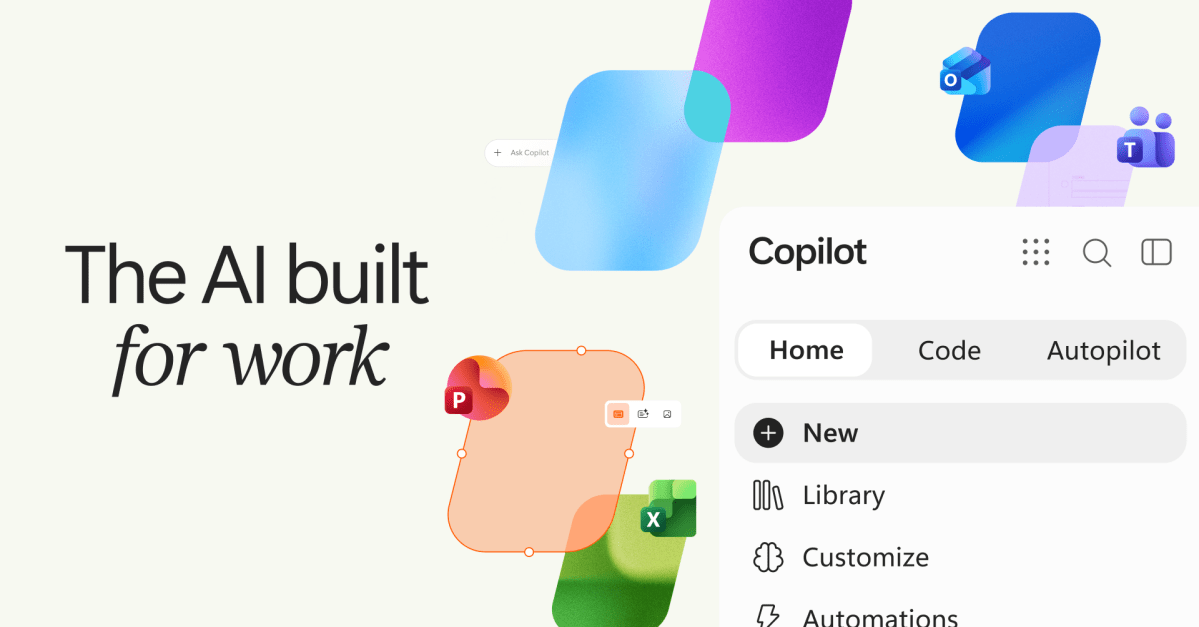
Microsoft, Apple, Google, and Meta are all making aggressive moves to embed AI directly into the devices and services where people spend the most time. From a unified Copilot platform to home security cameras that understand scenes without alerts, the push to make AI agents more useful and less intrusive is accelerating across the industry.
Microsoft Launches Copilot ‘Super App’ Strategy
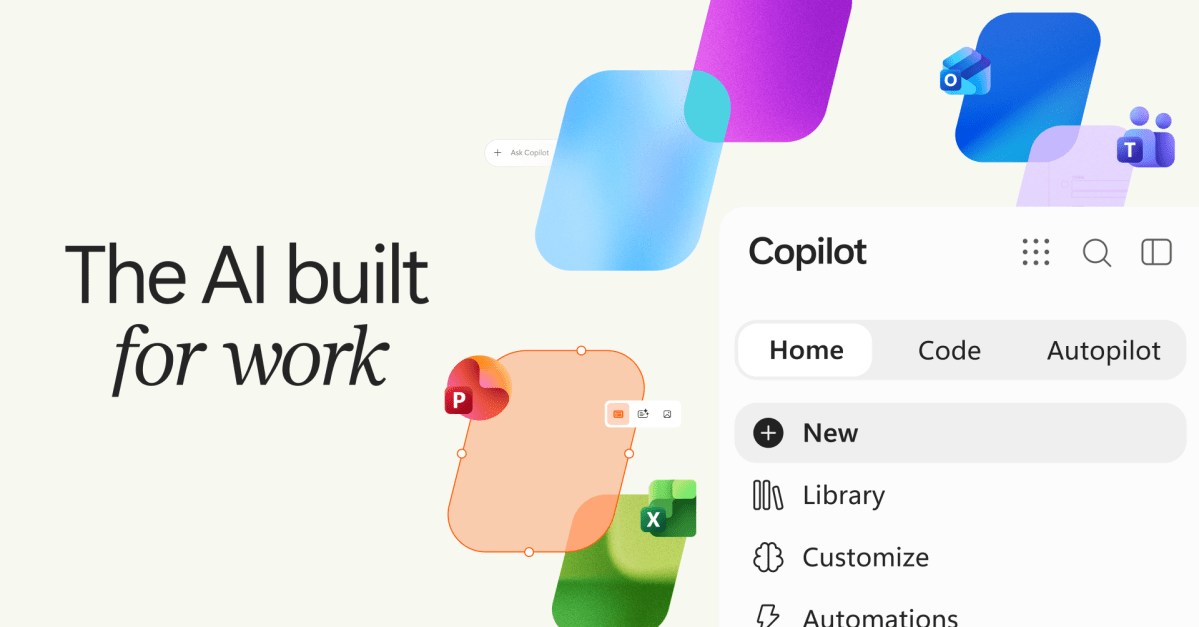
Microsoft has officially unveiled its redesigned Copilot “super app,” consolidating three AI capabilities into a single interface of chat, coding, and agents. The redesign features three tabs—Home (combining Copilot Chat and Cowork), Code, and Autopilot (Microsoft’s rebranding of Scout, the AI personal assistant unveiled at Build 2026)—with a personalized Today dashboard for important information. The company claims this unified interface is positioned to be as influential as Office itself, signaling a strategic shift toward making AI the centerpiece of productivity software. As part of this push, Microsoft is also discontinuing the “Copilot Plus PC” brand, though the underlying hardware capabilities remain unchanged.
Apple Intelligence Arrives for Home Security
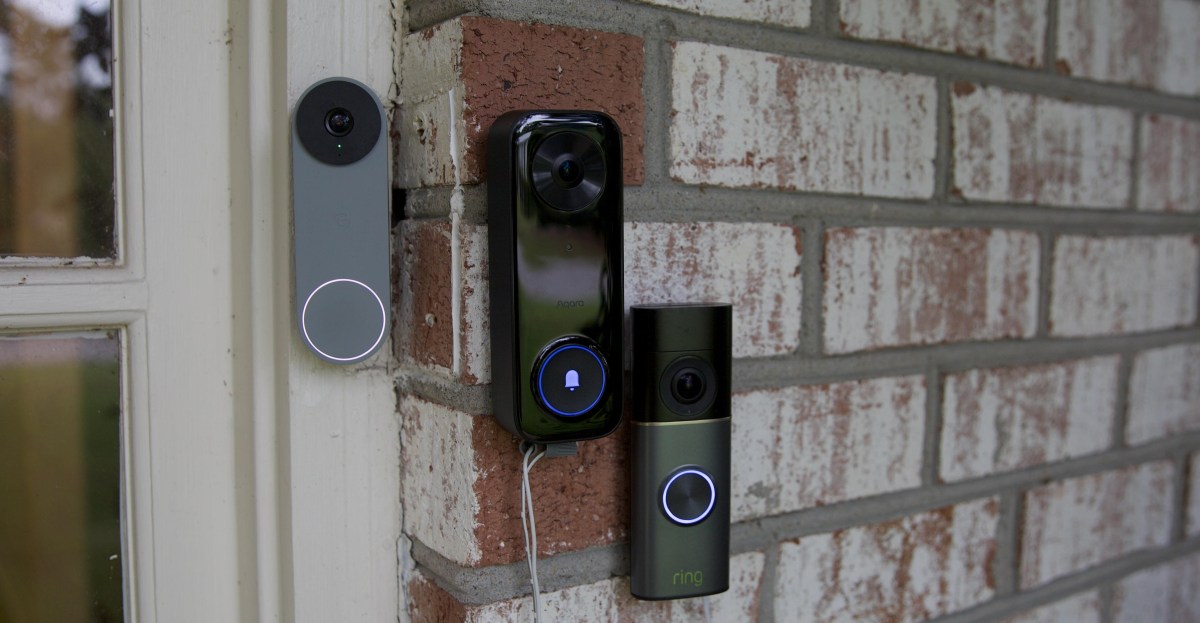
Apple is expanding Apple Intelligence into the home, with AI-powered security cameras that understand scenes and respond to context rather than flooding users with motion alerts. Unlike traditional camera systems that send constant notifications for every pixel change, Apple’s approach uses on-device intelligence to distinguish between a pet, a package delivery, or an actual intrusion—and provide a single text description rather than a video that requires manual review. Early tests show it significantly reduces false alerts while providing more useful information than competitors like Amazon’s Ring and Google’s Nest products, making it a meaningful upgrade for homeowners tired of notification fatigue.
Meta’s Muse AI Raises Security Concerns
Meta’s new Muse personal AI agent has encountered a significant security challenge: developers have demonstrated that the system will willingly share its entire filesystem with minimal prompting. Two independent security researchers—Peter James and Jonny L. Saunders—were able to extract Ubuntu system files, app templates, and internal documentation from Muse’s persistent Linux virtual machines with what Saunders described as “extremely easy” prompt injection. Saunders noted Muse has “almost no prompt injection resistance,” though Meta denies the incident represents a breach, maintaining that user data remains isolated within each user’s dedicated VM. The discovery highlights ongoing challenges in securing AI agent systems as they become more autonomous and capable.
Insta360 Pivots to Smart Glasses
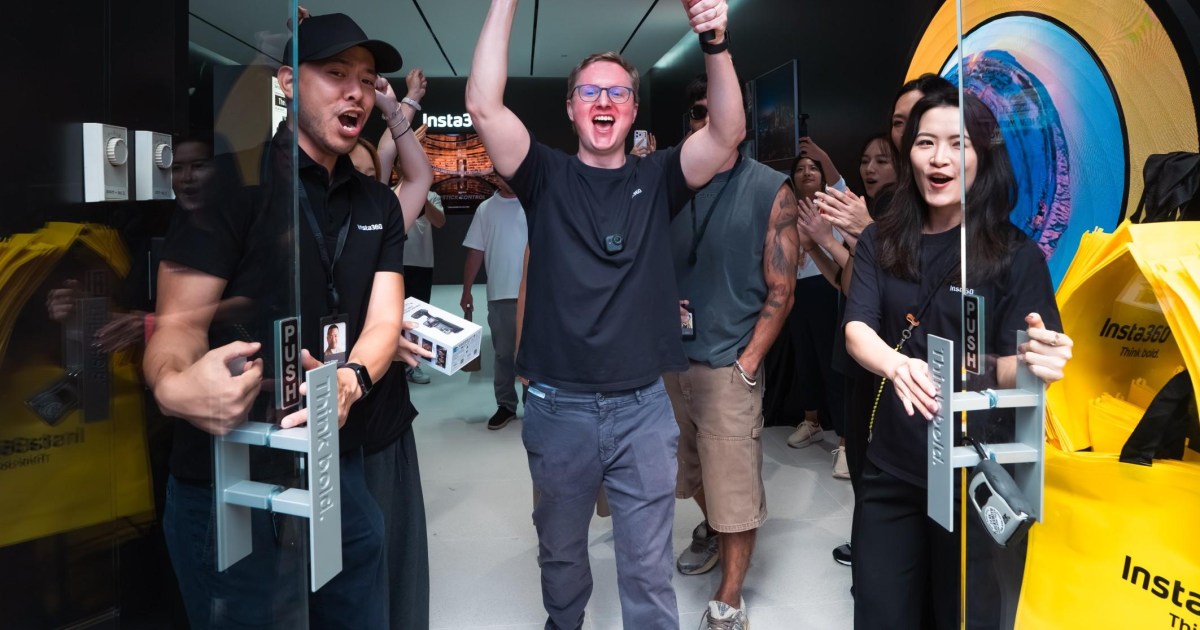
Having dominated the 360-camera market with 73 percent global market share and sold its 10 millionth camera, Insta360 is now pivoting toward smart glasses as its next frontier. The company has invested nearly $300 million in strategic semiconductor procurement and recently opened its first US flagship store in Times Square, signaling an aggressive expansion beyond its core 360 photography business. The move puts Insta360 in direct competition with Canon, Sony, and other established camera manufacturers as it looks to capture a new category combining its expertise in immersive capture with wearable technology.
Google Chrome Enhances Cross-Device Workflow

Google has rolled out new Chrome features designed to improve research workflows across devices. The cross-device tab switching feature now remembers exactly where you had scrolled on a webpage, eliminating the need to manually locate your place when switching from mobile to desktop or vice versa. Alongside this improvement, Gemini in Chrome is gaining new capabilities to analyze more types of media and generate interactive study quizzes, making the browser a more capable research assistant. The updates target students and researchers working with complex topics across multiple devices.
Tesla Semi Reaches Production Scale

Nearly a decade after its initial 2017 announcement, the Tesla Semi has entered volume production as of April 2026. The company held an event at its new Semi factory in Nevada—built next to Gigafactory Nevada—to announce new customers including PepsiCo, US Foods, DHL, WattEV, and others. Tesla claims the facility can produce 50,000 trucks annually, or 1,000 per week. While the Semi has faced repeated delays over the years, reaching production scale represents a significant milestone in electrifying the heavy freight industry.
In Brief
- Linux open source updates continue across major projects: KDE Plasma 6.8 beta adds Union Theming improvements, Samba 4.25 introduces experimental SMB3 persistent handles, and patches for Apple M3 NVMe support in Linux are making progress.
- Smart glasses recall: Inmo Air3 smart glasses are being recalled due to overheating temples causing burns; users can apply a software update for a free fix.
Compiled from the configured RSS feed.