
Tech News Roundup — September 24, 2026 (AM)
Meta’s annual Connect conference announced a major refresh to its wearable ecosystem, Microsoft pushed new ultrabooks with Qualcomm’s latest silicon, and the Linux community gained closer ties to Snapdragon hardware. Here are today’s major tech stories.
Meta’s VR Glasses and Muse AI Take Center Stage at Connect 2026
Meta hosted its annual Connect showcase, where it unveiled a slate of new wearables including the standout Meta VR Glasses — a lightweight smart glasses form factor that packs full virtual reality capabilities with a tethered puck, breaking away from the bulkier traditional VR headset design. Alongside the VR Glasses, the company announced new screen-free smart glasses in the Ray-Ban partnership line, with notable updates including the removal of cameras on the newest models and expanded Muse AI agent capabilities. The Muse AI assistant, now more powerful with video chat functionality and integrated into the glasses ecosystem, offers voice-first AI interactions for everyday tasks. The VR Glasses represent Meta’s effort to deliver immersive virtual reality in a wearable package closer to standard eyewear, marking a significant push into spatial computing.
Microsoft Refreshes Surface Lineup with Snapdragon X2 Plus and New Accessories

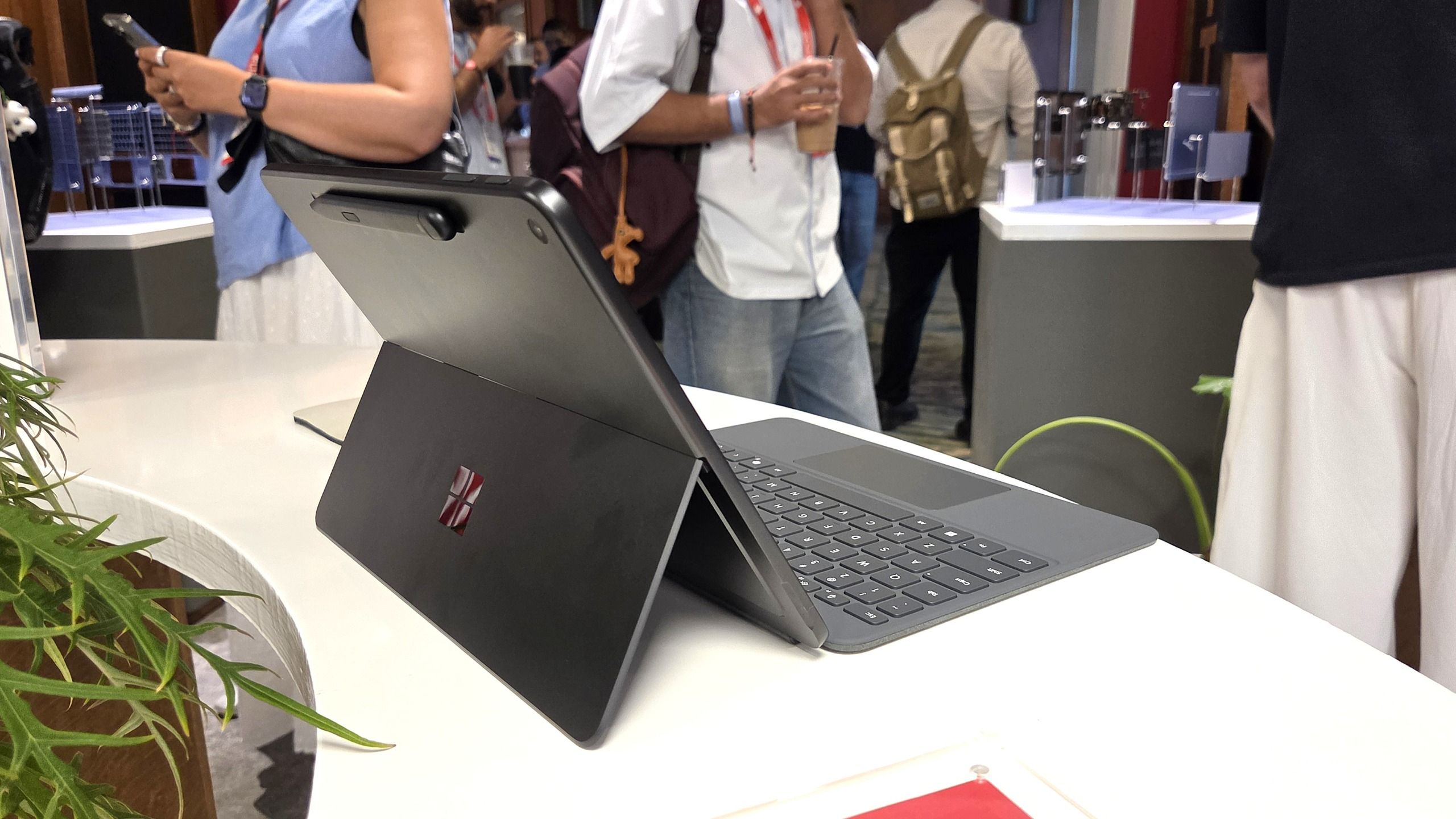
Microsoft announced refreshed versions of its Surface Pro 12-inch and Surface Laptop 13-inch, now powered by Qualcomm’s Snapdragon X2 Plus in a 6-core configuration with up to 24GB LPDDR5x RAM and 512GB storage options. Both devices feature substantially brighter 500-nit displays and improved battery life — up to 15.5 hours on the Pro and a substantial 22.5 hours on the Laptop 13-inch. Available in new black colorway alongside existing violet and platinum, the devices start at $1,149 (Pro) and $1,199 (Laptop) with October 13 availability. Microsoft also unveiled a completely refreshed Surface Mouse, the first major redesign in 10 years, featuring built-in haptic feedback and a customizable action button. Additionally, a new Ink Canvas app brings AI-powered pen experiences including sketch generation, image annotation, and text summarization directly on the canvas. The Surface Pro 12-inch will also be available with optional 5G on commercial configurations.
Linux Ecosystem Strengthens on Snapdragon X2 Laptops
Qualcomm announced official Linux support for the Snapdragon X2 series of laptop processors during its Snapdragon Summit in Hawaii, signaling accelerated adoption of ARM-based mobile chips for mainstream computing. The move opens the door for Windows on ARM devices to also run Linux natively, expanding the ecosystem maturity of Snapdragon-powered notebooks. This development aligns with industry trends toward heterogeneous computing and gives developers additional flexibility in choosing operating systems for Snapdragon-based ultrabooks.
Debian Launches Free AI Inference Portal for Contributors
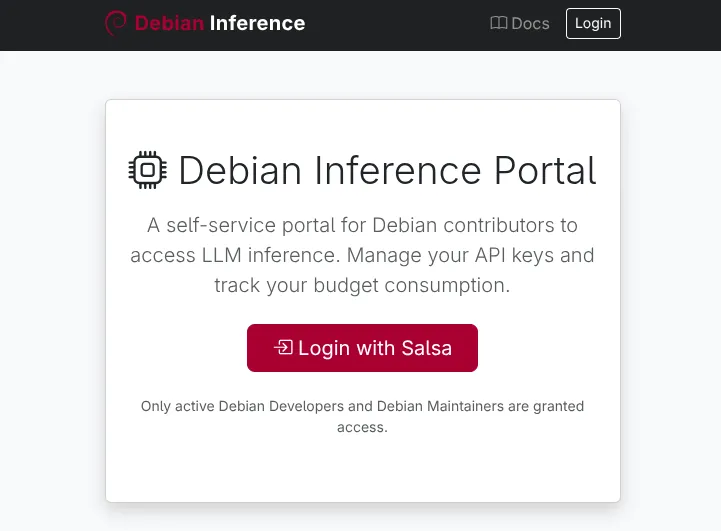
The Debian project, following community approval for responsible generative AI use, launched the Debian Inference Portal — a free service funded by Scaleway to provide AI and large language model (LLM) inference capabilities directly to Debian contributors and developers. The initiative removes friction for open-source developers to leverage AI tools in their workflows without requiring personal API subscriptions or GPU infrastructure, democratizing AI-powered development across the ecosystem.
In Brief
- California Data Center Transparency: California advances legislation to require data center operators to disclose water consumption, electricity usage, and emissions, bringing transparency to the often-opaque cloud infrastructure sector.
- Spotify Subscription Changes: Spotify modified its service rules for non-paying users, imposing wait times between skips to encourage conversions to paid tiers.
Compiled from the configured RSS feed.