
Tech News Roundup — September 22, 2026 (AM)
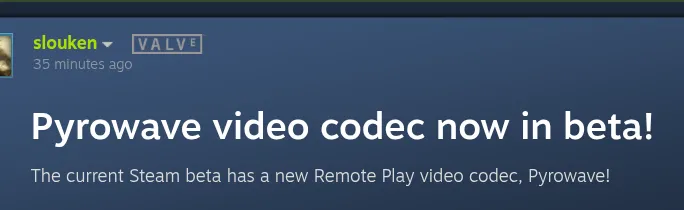
The tech landscape shifts this morning with major announcements in streaming, infrastructure, and open-source development. A new video codec from Valve promises lower-latency broadcasting, California’s aggressive data-center regulations take shape, and hardware makers tackle both innovation and counterfeits. Infrastructure vulnerabilities continue to surface as a critical concern for cloud operations.
Valve Introduces Pyrowave Video Codec for Low-Latency Streaming
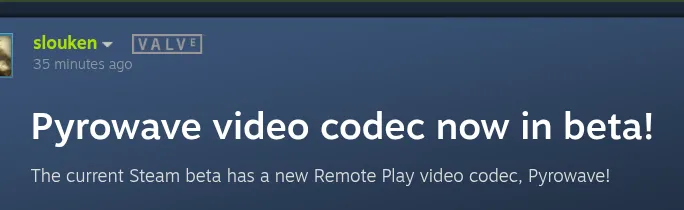
Streaming gets a boost. Valve’s Steam client beta today introduced Pyrowave, an experimental video codec optimized for high-bandwidth, low-latency video streaming. The new codec targets scenarios where bandwidth is abundant but end-to-end latency must be minimized—critical for competitive streaming and remote gameplay. Pyrowave represents Valve’s continued investment in infrastructure beyond the Steam Deck, positioning the company as an innovator in video transport alongside its game-distribution role.
US Air Traffic Disrupted by Severed Fiber Cable in New Jersey

Infrastructure fragility exposed. Hundreds of flights across the northeastern United States were cancelled or delayed on Monday after construction crews in New Jersey accidentally severed a Verizon fiber cable critical to air traffic control systems. The outage triggered ground stops at all three major New York City airports and cascaded delays across the region. FAA Administrator Bryan Bedford confirmed that a circuit failure led to the discovery of the cut cable, underscoring how single points of failure in telecommunications infrastructure can paralyze entire sectors. Verizon attributed the incident to construction contractors working in the area.
California Enacts Strict Energy and Water Rules for AI Data Centers

Regulation tightens. California Governor Gavin Newsom signed seven bills designed to prevent AI data centers from externalizing utility costs onto residents. The package requires the California Public Utilities Commission to introduce a new rate classification for data centers, forcing them to pay for local power-grid and water-system upgrades. Additional measures require data centers to disclose water-use estimates, provide energy-efficiency details, and meet drought-planning criteria. The legislation represents the most comprehensive data-center regulatory framework in the nation and signals a shift toward holding cloud infrastructure accountable for its environmental footprint.
AMD Prepares Linux Drivers for GDDR7 Graphics Memory
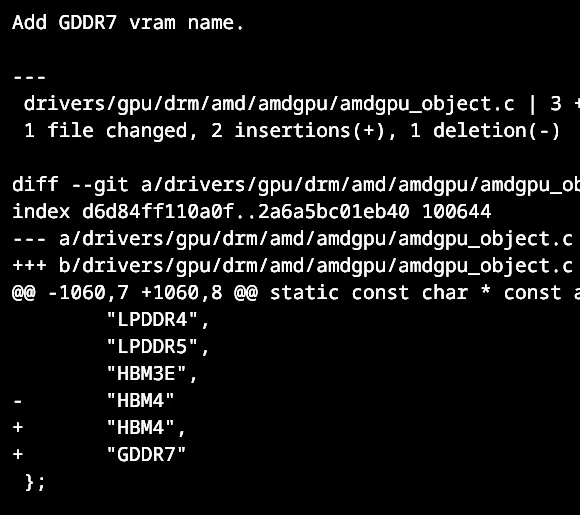
GPU memory evolution continues. AMD’s Linux kernel patches today include preparations for GDDR7 video memory support in the AMDGPU driver. The move follows the industry’s shift to faster memory standards and signals AMD’s readiness for next-generation graphics hardware. Open-source driver development tracks vendor roadmaps closely, and this early groundwork suggests GDDR7-equipped AMD discrete GPUs are entering qualification pipelines.
Raspberry Pi Locks Down RAM Upgrades to Combat Counterfeits

Openness vs. authenticity. Raspberry Pi added firmware restrictions that prevent users from swapping RAM chips in the Pi 5, sometimes blocking even chips of identical capacity from other Pi boards. The move targets a scalping problem where buyers purchase cheap 1–2 GB Pi 5s, solder in unreliable third-party 8 GB RAM modules, and resell them as authentic 8 GB units. While the restriction protects Raspberry Pi’s brand integrity and prevents support burdens from flaky upgrades, it represents a departure from the hobbyist spirit of user-modifiable hardware that defined the Raspberry Pi brand. The decision underscores the challenge of fighting fraud without alienating the maker community.
Apple Silicon Mac Audio Support Heads to Mainline Linux
Open-source macOS support advances. Twenty-eight kernel patches were posted today to the Linux mailing list targeting speaker and headset jack support on Apple Silicon Macs. While Asahi Linux (the downstream fork) has offered working audio for months, mainline Linux has lagged. This effort brings the upstream kernel closer to full macOS interoperability, expanding Linux’s viability as a desktop OS on modern Mac hardware and signaling growing developer interest in cross-platform support.
ROG XBOX Ally Holds Pricing While Competition Climbs
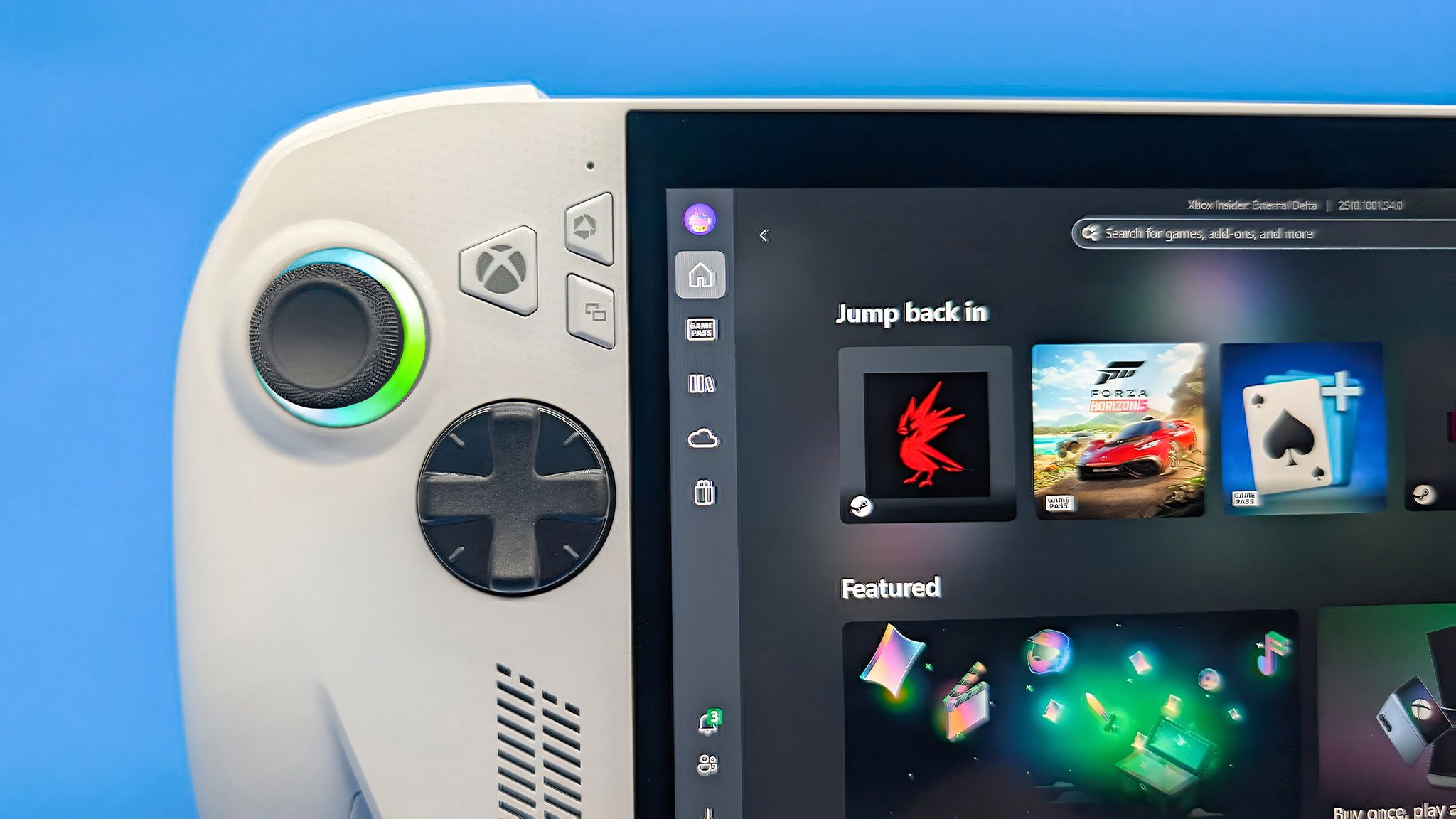
Handheld gaming gets affordable again. The ASUS ROG XBOX Ally with AMD Ryzen Z2A processor continues to sell at its $599.99 launch price, making it the most affordable entry-level handheld gaming PC on the market—$190 cheaper than the baseline Steam Deck and $400 cheaper than the Lenovo Legion Go S with comparable specs. The white model maintains a 4.4/5 rating across 930+ customer reviews, suggesting strong value perception despite using an older Zen 2 chip. While competitors like the Legion Go S have climbed to $989.99 and beyond (blamed on AI-driven memory inflation), the Ally’s stability at MSRP gives Microsoft and ASUS an unexpected advantage in the budget handheld segment—though Valve’s OLED screen advantage remains a key differentiator.
Compiled from the configured RSS feed.