
Tech News Roundup — September 18, 2026 (PM)

Linux’s kernel and graphics stack picked up two notable fixes this cycle even as Intel quietly walked back one of its security commitments. Microsoft Teams is catching up to Zoom on screen sharing, a satellite-and-machine-learning system promises earlier flash flood warnings, and the automotive world saw parallel pushes into robotaxis and robot-built factories.
Linux gets a fix for Intel’s game-crashing FRED bug
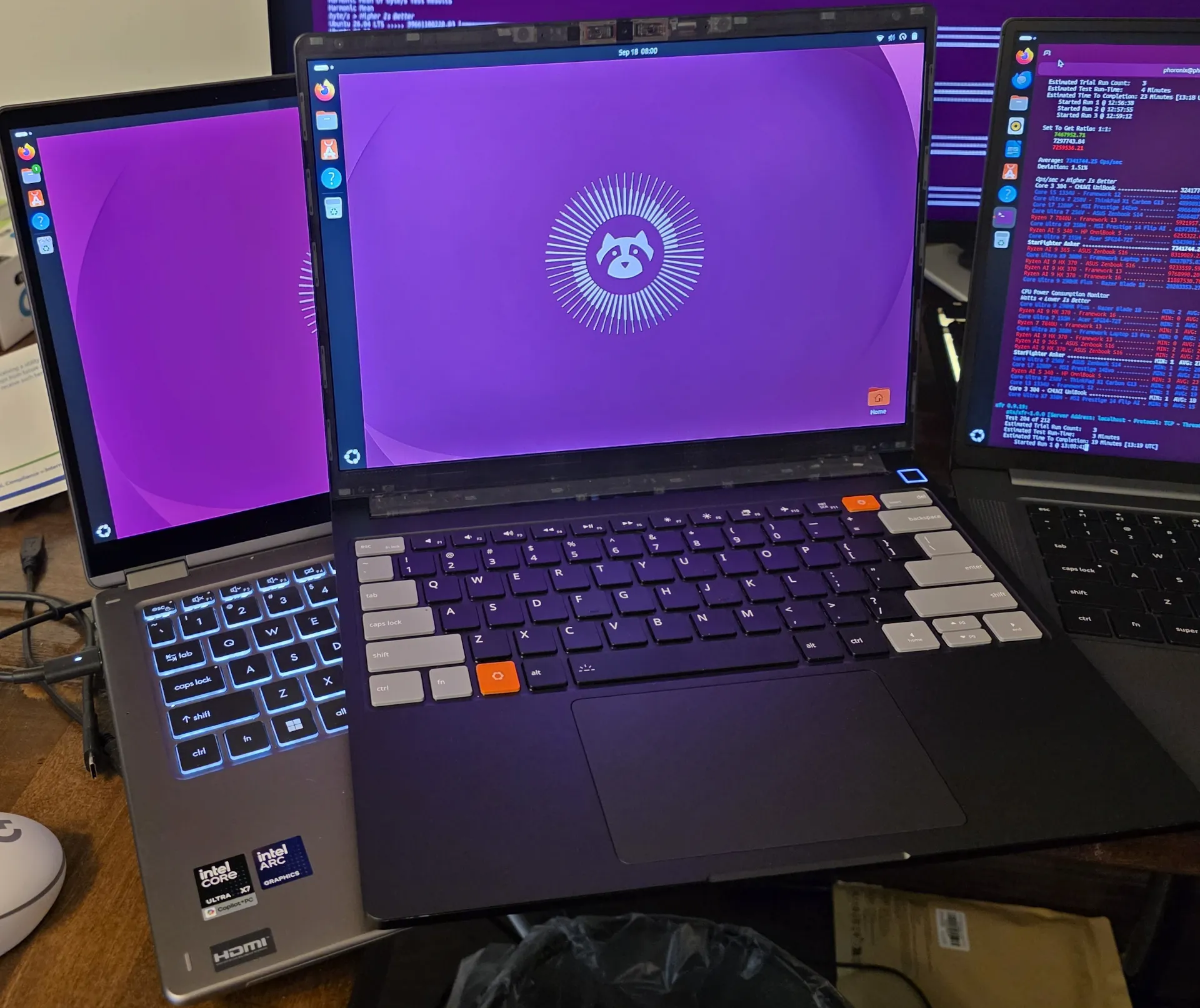
Linux kernel developers have shipped a fix for a bug that was crashing and freezing games like Red Dead Redemption 2 and Elden Ring on Intel’s newest Panther Lake laptops running under Wine and Steam Play. The issue was initially mistaken for a driver bug in Intel’s Xe3 Arc Graphics B390, but investigation traced it to the kernel’s handling of “Flexible and Return Event Delivery” (FRED), a new CPU feature that debuted with the Core Ultra Series 3 processors. With the kernel-side fix now ready, Linux gamers running recent Intel silicon should see the crashes disappear once the patch lands in a released kernel.
Microsoft Teams will let two people share their screens at once

Microsoft Teams is preparing to let two presenters share their screens or application windows simultaneously in the same meeting, according to reports tracking upcoming builds of the app. Today, starting a new share forces the previous one to disappear — the update would let participants view both shared screens side by side, making it easier to compare content or walk through a handoff without constant back-and-forth. The feature is expected in November 2026 for Teams desktop and web, closing a gap with Zoom, which has supported simultaneous multi-user sharing for years; it is unclear so far whether mobile clients will get the same capability.
A satellite-and-AI system aims to give flash floods earlier warning

A new early-warning system combining satellite data and machine learning is being developed to give residents more advance notice before flash floods strike, a gap starkly illustrated by a June flood in Lanesville, Indiana, where a family had only minutes to evacuate after more than 8 inches of rain fell in a few hours. Flash floods are notoriously hard to forecast because they can develop over just a few hours in localized areas that standard weather models struggle to capture in time. The new system is intended to close that lead-time gap by fusing satellite observations with predictive modeling, giving emergency services and residents a meaningfully longer warning window than current tools provide.
Lucid and Bolt plan 25,000 robotaxis for Europe

Lucid Group and ride-hailing company Bolt have announced a strategic partnership to develop and operate autonomous mobility services across several European cities, with Bolt committing to put at least 25,000 robotaxis on the road as part of the deal. The tie-up gives Lucid a large-scale European deployment partner for its vehicles and gives Bolt a path to compete with Uber and Waymo’s growing international robotaxi ambitions, as autonomous ride-hailing expands beyond its US test markets into new regions.
Intel appears to end its paid bug bounty program
Intel this week appears to have ended its paid bug bounty program, relaunching a new bug-reporting scheme with the cash rewards removed. The change lands amid a broader surge in bug reports across the software industry as AI and large language models make vulnerability hunting faster and cheaper for researchers, raising questions about whether Intel’s move is a cost-cutting response to that flood of reports or a step back from incentivizing responsible disclosure at a moment when security research volume is rising industry-wide.
Toyota eyes its biggest automation push yet: 400,000 robots
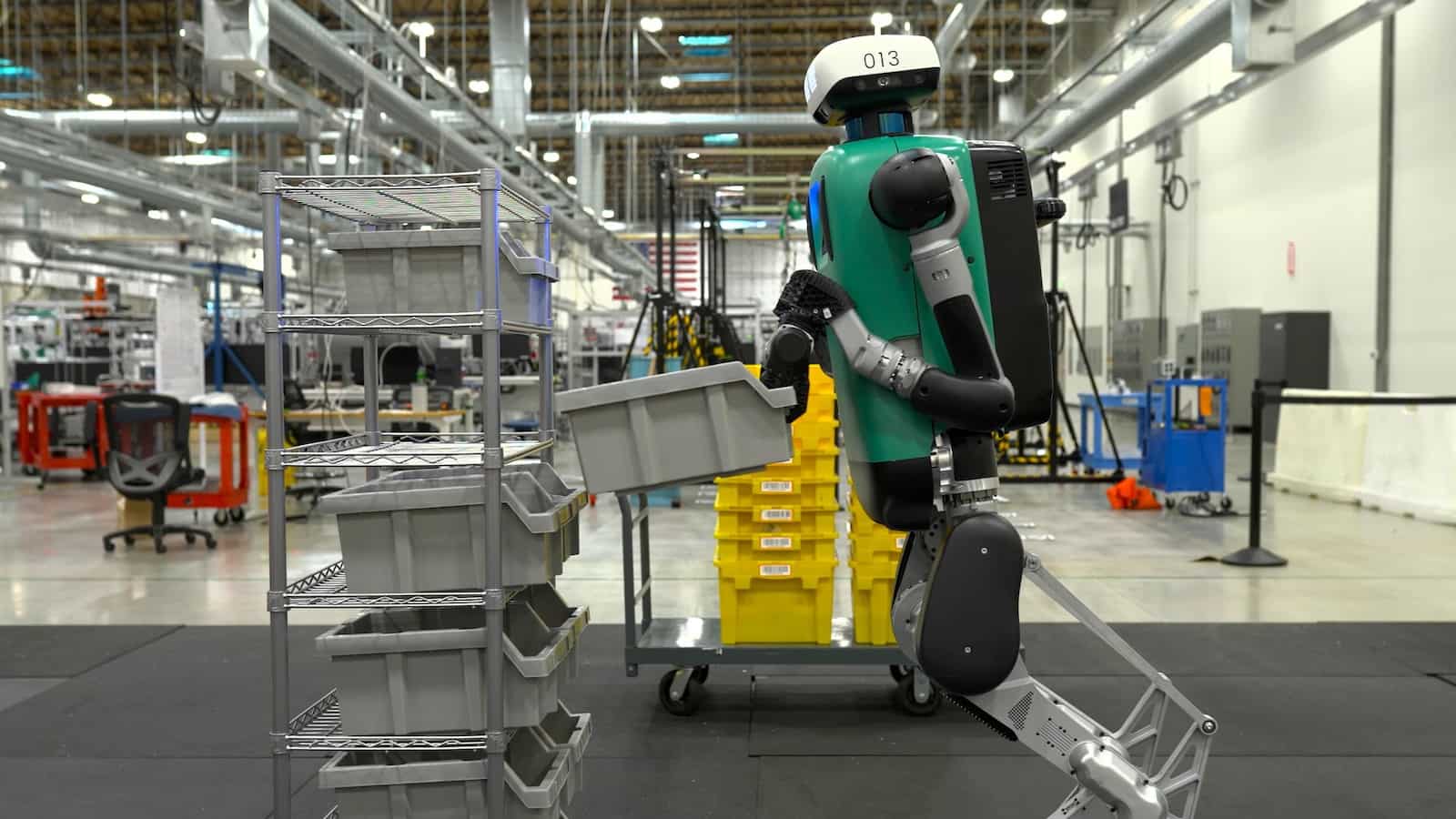
Toyota is preparing what could be the largest industrial automation investment in its history, with plans to deploy an estimated 400,000 robots across its factories. The modernization push covers vehicle assembly and related manufacturing processes, as one of the world’s largest automakers looks to robotics to boost production efficiency and offset labor constraints at scale — a bet that puts Toyota among the most aggressive legacy automakers pursuing factory-floor automation.
In Brief
Linux kernel build times could drop by up to 70%. A patch series addressing major bottlenecks in the kernel build code — with AI assistance in spotting the bottlenecks — is targeting Linux 7.4 for substantially faster incremental builds, with the latest iteration posted by Arm engineer Lorenzo Stoakes.
Ubuntu 26.10 is adjusting its default out-of-memory behavior, tweaking how the desktop’s OOM daemon responds when the system comes under memory pressure.
AMD sent another round of HDMI FRL updates for Linux 7.4, adding fixes for upcoming Radeon hardware on top of the HDMI 2.1, FreeSync, VRR, and ALLM support already landing in the same kernel cycle.
Call of Duty: Modern Warfare 4 is being billed as the “epic conclusion” to the rebooted Modern Warfare storyline, with commentators arguing the franchise needs a genuine break from both Modern Warfare and Black Ops after 14 of the last 23 Call of Duty titles came from those two sub-series.
Blizzard’s Ion Hazzikostas discussed World of Warcraft: Forever as a “third pillar” alongside Retail and Classic, telling Windows Central the new Classic-inspired mode is designed to avoid splintering the community while restoring some of the friction and social connection modern WoW has lost.
Cybersecurity, AI, and digital sovereignty topped the agenda at Fortinet Security Day in Lisbon, which drew more than 1,300 professionals to discuss how the three themes are increasingly interlinked.
Apple’s iPhone Duo foldable reportedly gave Samsung’s own foldable sales a boost rather than denting them, an unexpected market reaction to Apple’s first entry into the foldable category.
Alien Breed is making a comeback for its 35th anniversary. Team17’s classic sci-fi shooter series, heavily inspired by the Alien film universe, is preparing a return that has longtime fans of the 90s franchise celebrating.
Compiled from the configured RSS feeds: Phoronix, Pplware, The Verge, and Windows Central.