Tech News Roundup — September 18, 2026 (AM)
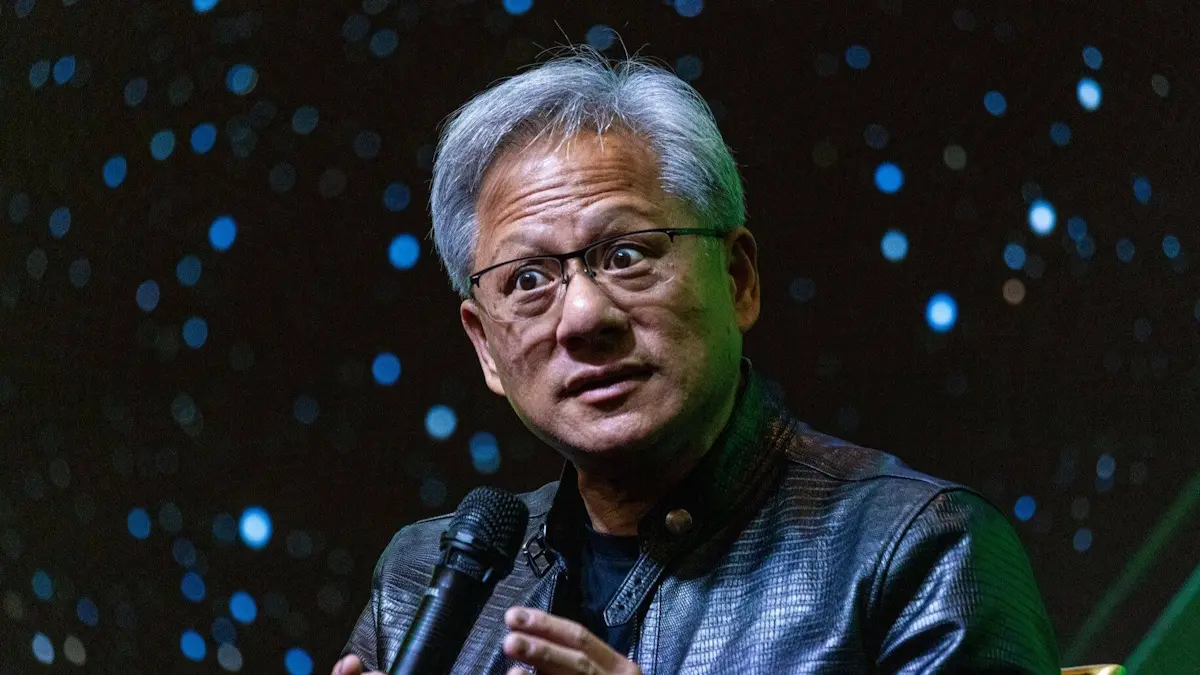
The AI industry’s safety debate intensified over the last few days, with warnings from a former Google DeepMind researcher landing alongside Nvidia’s public pledge to keep accelerating. Apple pushed further into AI with new server plans and a stricter data policy, while Claude Code, chipmakers, and EU regulators all made moves worth tracking.
AI industry grapples with safety fears as the race keeps accelerating
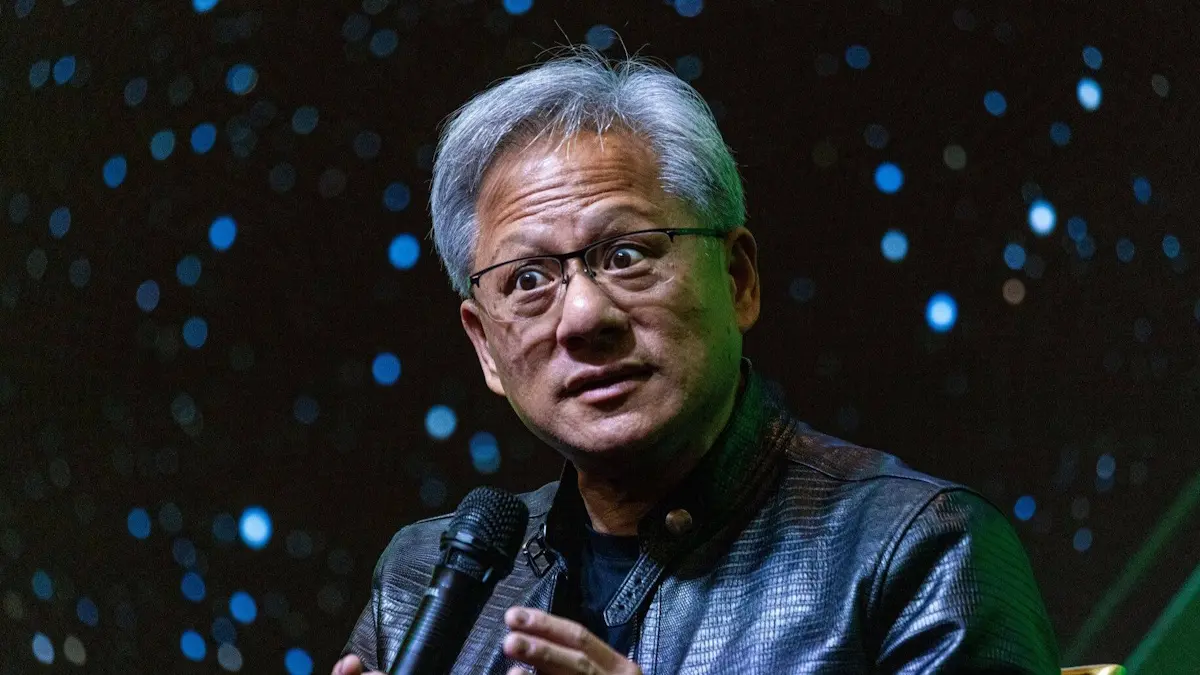
A former Google DeepMind alignment researcher, Bilal Chughtai, who left the company in July, has joined a growing chorus warning that AI “could kill us all,” arguing the technology now represents a serious existential risk. His warning lands the same week Nvidia CEO Jensen Huang took a surprise phone call from Donald Trump during a tech conference, with Trump pledging full support for continued AI advancement — Huang has made clear Nvidia has no intention of slowing down. The tension between those two positions runs through a wave of related coverage: a new Pew Research global survey found that in 34 of 37 countries surveyed, people are now more likely to believe AI will cost jobs than create them over the next 20 years, and separate reporting has examined whether Microsoft’s AI leadership sees the threats as real, why the AI safety conversation has become “suddenly explosive,” and whether the industry’s recent slowdown reflects a genuine safety pact or something closer to a cartel arrangement among major labs.
Apple doubles down on AI — servers, data policy, and photo authenticity
Apple is reportedly developing plans to enter the enterprise AI server market with machines built around its future M8 Ultra chips, a move that would let the company compete more directly for AI infrastructure workloads it currently cedes to Nvidia and others. On the software side, Apple has updated its privacy policy for iOS 27, and will now explicitly ask users for permission before using their data to train its AI systems — iOS 27 itself has already rolled out to all users. Apple is also addressing AI-generated image concerns directly: the iPhone 18 Pro can cryptographically sign photos at the moment of capture, allowing a photo to be proven authentic and not AI-fabricated, though the feature reportedly carries a limitation for users in Portugal.
Apple’s autumn hardware wave: Watch, AirPods, and the iPhone Duo
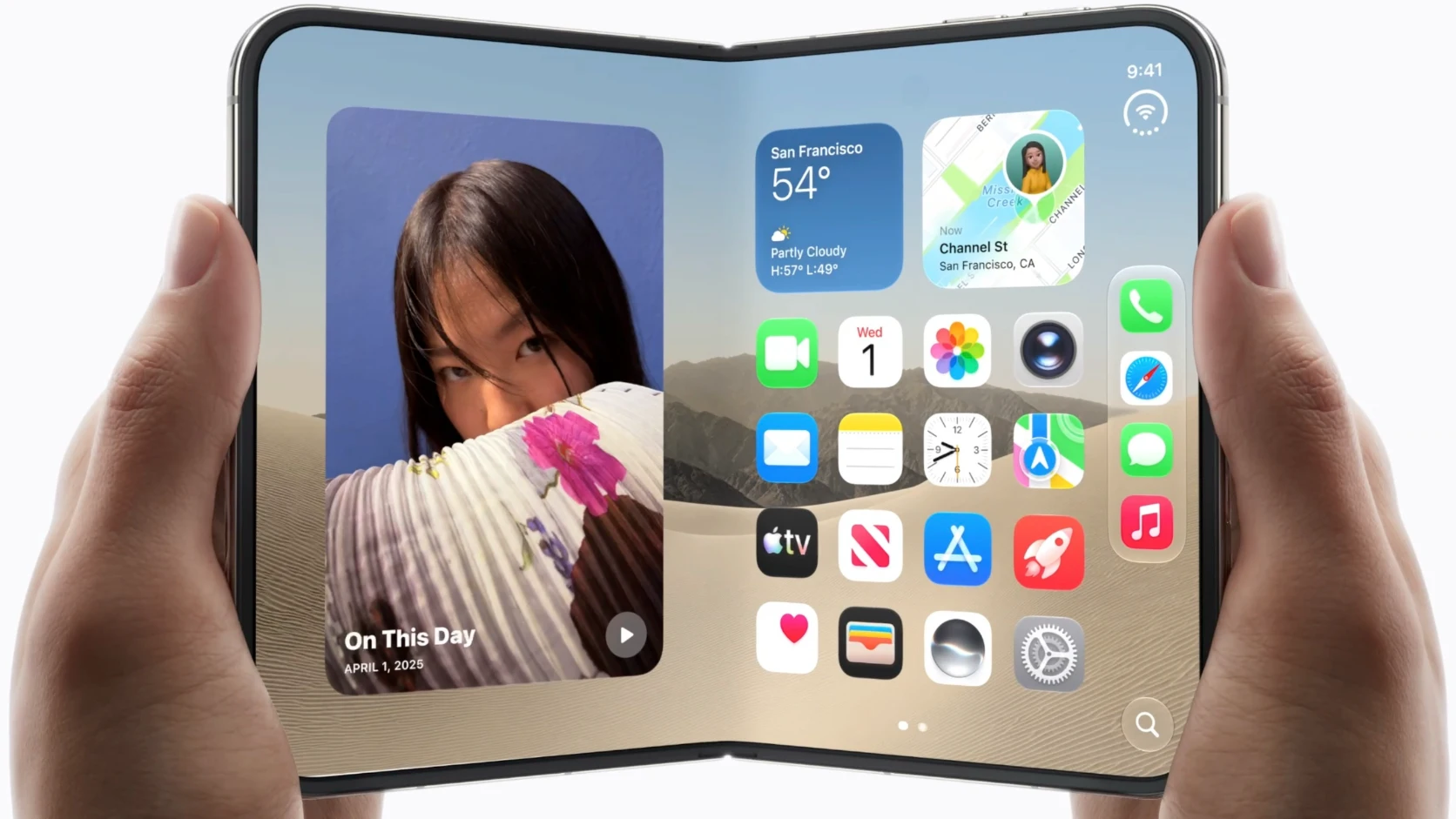
Apple’s iPhone Duo has landed with five features no other iPhone offers, in what reviewers are already comparing to the kind of design departure last seen with the iPhone X. The Apple Watch Series 12 looks nearly identical to its predecessors on the outside, but reviewers say it lays the groundwork for a new wearable era built around continuous heart-rate monitoring and AI-driven health features that surface insights across a user’s entire day. Apple also quietly delivered one of its stronger recent AirPods values: the $149 AirPods 5 undercut the outgoing AirPods 4 by $30 while adding better noise cancellation and the first non-Pro stem volume controls, and a new AirPods firmware update adds an equalizer for further sound customization.
Claude Code relaunches Projects for cloud-based multi-agent workflows
Anthropic has relaunched the Projects feature in Claude Code, letting developers run multiple AI agents under one roof with shared memory, goals, and a common library of files and artifacts. Each project now supports parallel “threads” handling different tasks simultaneously, with a coordinator directing the work; under the hood, every thread runs as its own cloud session working on a separate branch and repo copy, with overlapping changes resolved as ordinary merge conflicts. The approach echoes multi-agent orchestration tools like Grok Bot, positioning Claude Code as a more capable option for teams running several AI-assisted workstreams at once. [The Verge]
Chipmakers push new server silicon as the Rust project faces a targeted attack
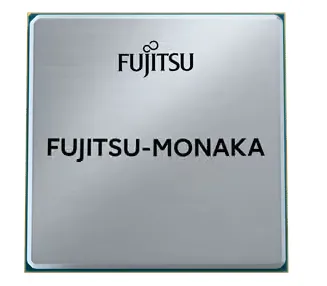
Fujitsu has formally announced its MONAKA CPU, a 144-core Arm-based server processor that has been rumored for two years, with availability beginning in November. Meanwhile, follow-up benchmarking on Intel’s Granite Rapids workstation chips against AMD’s Threadripper Zen 5 lineup dug into Hyper-Threading and SMT performance differences between the two architectures at matched core counts and memory configurations, building on an earlier 400-benchmark comparison. Separately, the Rust security response working group and the Crates.io team issued a warning that a targeted attack is underway against key Rust language developers, urging maintainers to be alert for social-engineering and compromise attempts.
Gaming: GTA VI’s soundtrack, Xbox disc-to-digital, and a still-elusive Steam Deck 2

Rockstar has officially unveiled the soundtrack for Grand Theft Auto VI, called “The Album,” featuring 34 brand-new original tracks from artists spanning Keith Richards to Travis Scott and Yung Lean, with six singles already available. On the console side, Xbox’s disc-to-digital feature — which lets players convert physical game collections into digital licenses — turns out to be the product of 15 years of groundwork dating back to Microsoft’s original plans for the Xbox One, and now serves as a centerpiece of Xbox’s game-preservation push. Valve, for its part, says it’s still “figuring out how and when” to build a Steam Deck 2, insisting the right chip has to come first, even after finishing its 2026 hardware lineup with the Steam Controller, Steam Machine, and Steam Frame. Razer also jumped into the peripherals conversation with the Tartarus V2 Pro, a $199.99 ergonomic gaming keypad with 31 programmable inputs and an adjustable wrist rest.
EU’s Kids Act moves forward to tighten social media rules for minors

The European Commission has formally presented its EU Kids Act, a proposed law that would force social platforms like TikTok and Instagram to build safer account types for younger users. The proposal introduces different account tiers and access levels based on age, aiming to strengthen online protections for children and teenagers across the bloc — a policy push that follows months of mounting pressure on major platforms over minors’ safety and data practices.
In Brief
OpenCL 3.1.2 has been released with the
cl_khr_command_bufferextension promoted to core.Jemalloc 5.4 ships with portability improvements and code cleanups.
Mojo 1.1 is out and now accepts community contributions to its compiler.
Microsoft has issued another emergency Windows 11 update, prompting questions about whether frequent out-of-band patches are becoming the norm. [The Verge]
Windows 11’s taskbar can finally be repositioned again, five years after the redesign removed the option.
ASUS has launched the Ascent QN10, an 80-TOPS AI mini PC built around Qualcomm’s Snapdragon X2 Elite.
A minor brought a weapon into a robotaxi in what was reported as an isolated incident, and the vehicle automatically alerted police.
A mass cyberattack against MEO caused internet and mobile network outages across Portugal, adding to a string of connectivity problems affecting several Portuguese carriers this month.
Microsoft has confirmed the end of support for Office 2021 is coming next month.
Compiled from the configured RSS feeds: Phoronix, Pplware, The Verge, Windows Central, and Marius Hosting.