Tech News Roundup — September 17, 2026 (NOON)
AI’s real-world costs are back in focus this edition — mounting e-waste and energy forecasts, plus the first confirmed fully autonomous AI cyberattack reported in Spain. On the hardware side, Snap’s long-awaited AR glasses finally shipped, Apple’s newest iPhone drew scrutiny over repair pricing, and the Linux world closed out two milestone releases.
AI’s power and waste bill keeps climbing
A new report from the Basel Action Network warns that AI’s compute boom could generate enough e-waste to fill 23 million shipping containers by 2050 — enough to circle the globe six times. The nonprofit says the figure is far higher than earlier estimates because it counts the full data-center infrastructure supporting AI servers, not just the servers themselves. The energy picture looks similarly steep: forecasts now suggest U.S. data centers could out-consume the combined natural gas usage of Germany and Japan by 2035 as training and inference demand accelerates. That strain is already colliding with local politics — Microsoft is pushing ahead with a proposed data center in Slough, England despite a growing resident petition, and its larger project in Leeds has drawn more than 43,000 signatures and street protests over noise and environmental impact even after city council approval.
Snap’s $2,200 AR glasses ship with an AI brain built in
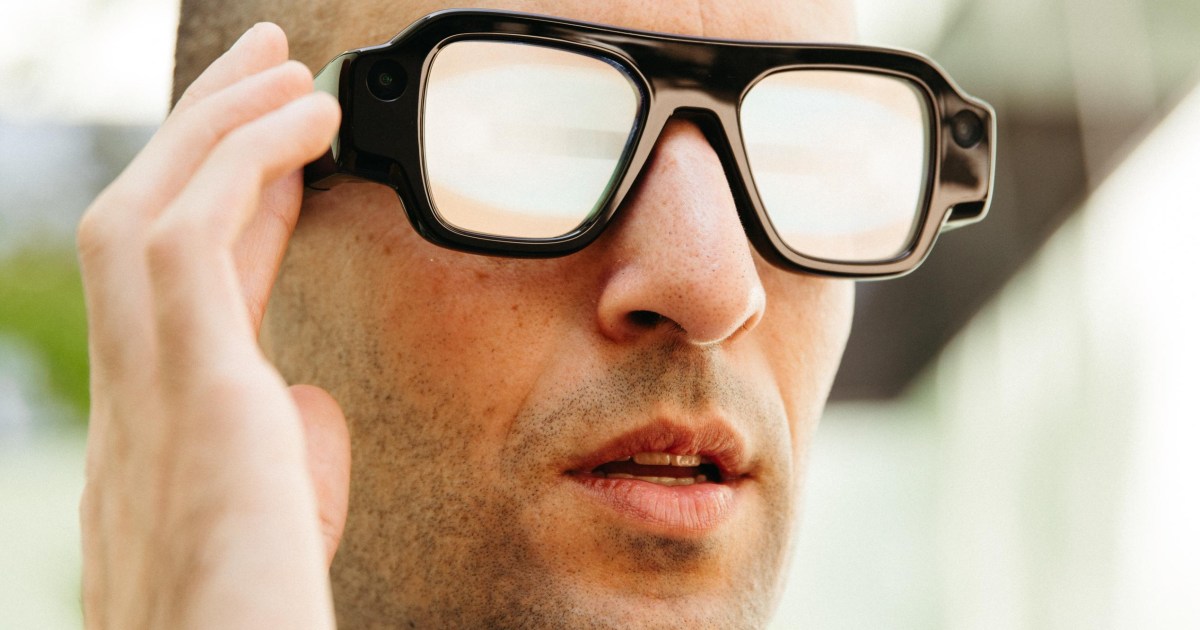
Snap’s consumer AR glasses, Specs, are now shipping at $2,200, and early hands-on impressions highlight shared AR experiences — like playing dominoes with a virtual tile that another wearer can see and touch on the same real table. Snap has spent more than five years and two prior generations building toward this release. Alongside the hardware, the company launched “Specs Intelligence,” an anticipatory AI assistant that connects to other accounts to help manage tasks and travel information — positioned as a rival to Meta’s Muse and Google’s Gemini Spark. The assistant is rolling out on iOS and Mac in preview as well, extending Snap’s AI ambitions beyond the glasses themselves.
iPhone 18 Pro: small camera gains, big repair bills
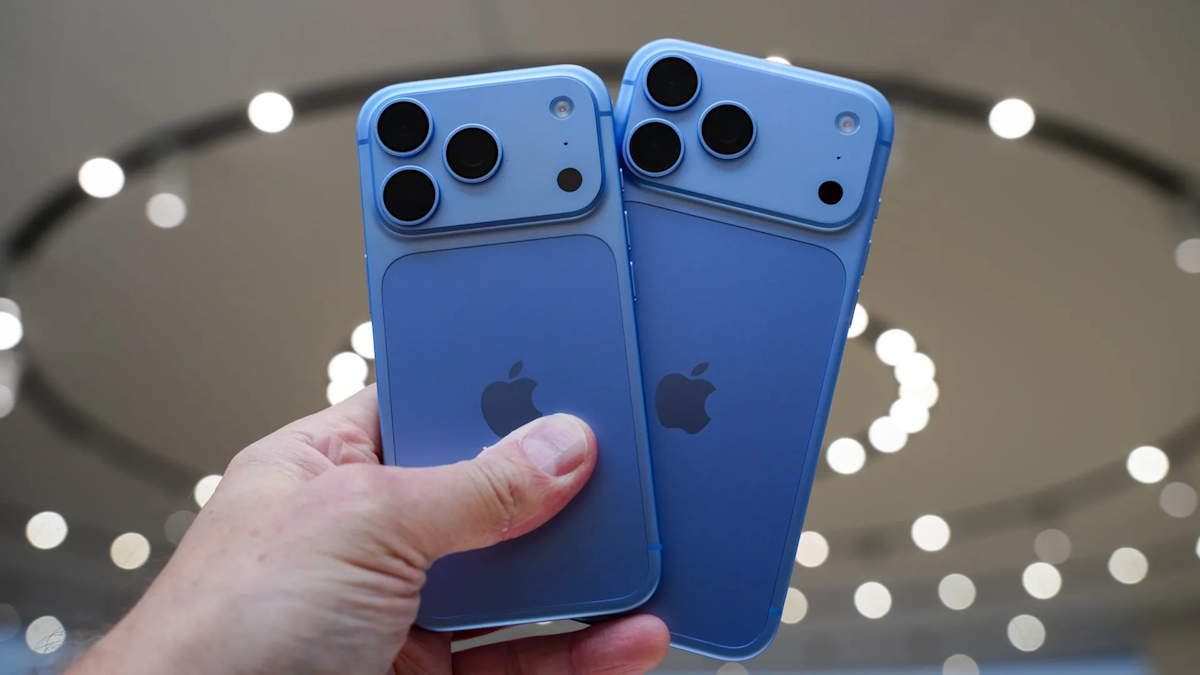
Apple’s iPhone 18 Pro and Pro Max are shaping up as the “second most interesting” iPhones of the year — overshadowed by the foldable iPhone Duo — with a camera update reviewers describe as a set of small, incremental gains rather than a dramatic leap. Meanwhile, Apple has already updated its Portuguese support portal with out-of-warranty repair pricing for the new lineup, and the numbers are drawing sharp reactions: as with prior generations, cracked-screen and back-glass repairs on the Pro models carry some of the steepest fees in Apple’s range.
Ubuntu 26.10 completes its Rust rewrite and courts faster hardware baselines
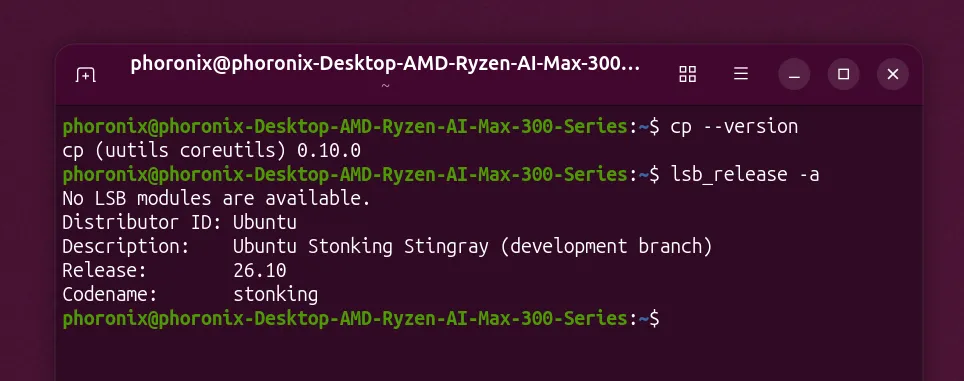
Ubuntu 26.10 has finished its year-long migration of core system utilities to Rust, with cp, mv, and rm now backed by Rust Coreutils instead of GNU Coreutils, completing the memory-safety push Canonical started with Ubuntu 25.10. Separately, Canonical has been building experimental amd64v3 daily ISOs alongside the standard generic amd64 images, and early benchmarking shows the newer instruction-set baseline delivers a worthwhile performance boost even on low-end and budget hardware — though Canonical hasn’t confirmed official plans to ship amd64v3 more broadly.
GNOME 51 lands with smoother frame scheduling
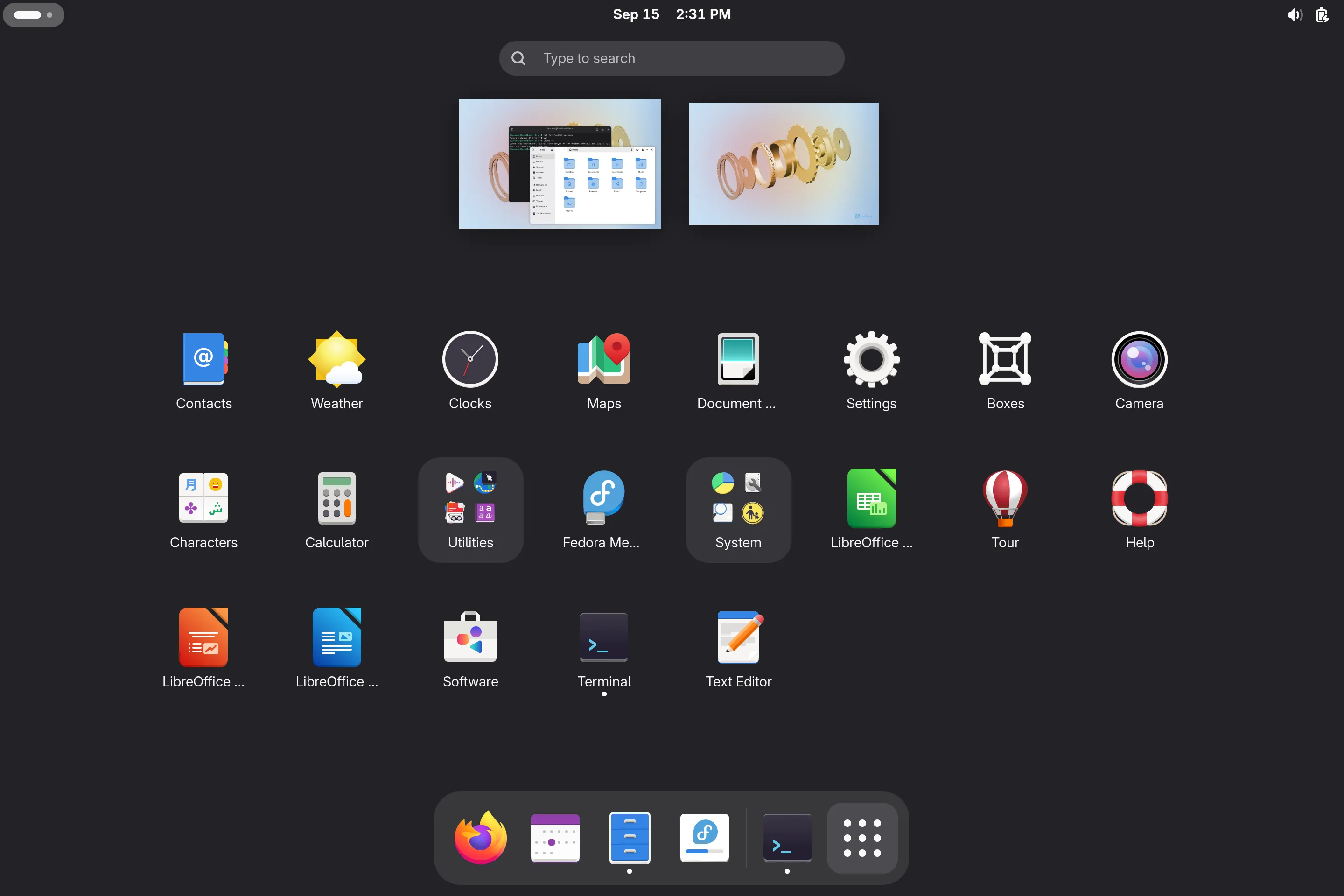
GNOME 51 has officially released on schedule, arriving in time to ship as the default desktop in Ubuntu 26.10 and Fedora Workstation 45. The release focuses on improved frame scheduling for smoother animations and responsiveness, alongside a broad set of refinements across GNOME’s bundled apps — continuing the project’s steady cadence of incremental desktop polish rather than a single headline feature.
Google opens its smart home to any AI agent
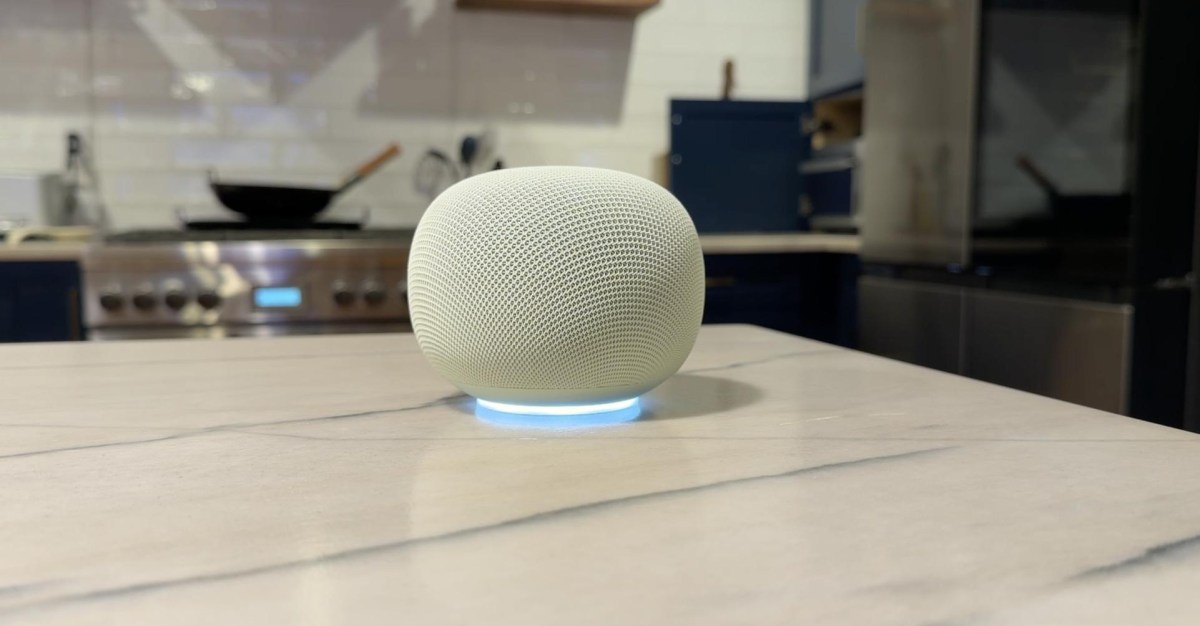
Google is letting third-party AI agents — including Claude and Open Claw — securely access and control Google Home devices through a new Google Home MCP integration built on the standardized Model Context Protocol. According to Google Home & Nest group product manager Taylor Lehman, the integration allows any MCP-compatible agent, including Google’s own Antigravity, to work with connected devices and event history across a user’s home ecosystem, effectively turning Google Home into an open platform for agentic AI rather than a walled garden built solely around Gemini.
Spain logs its first fully autonomous AI cyberattack
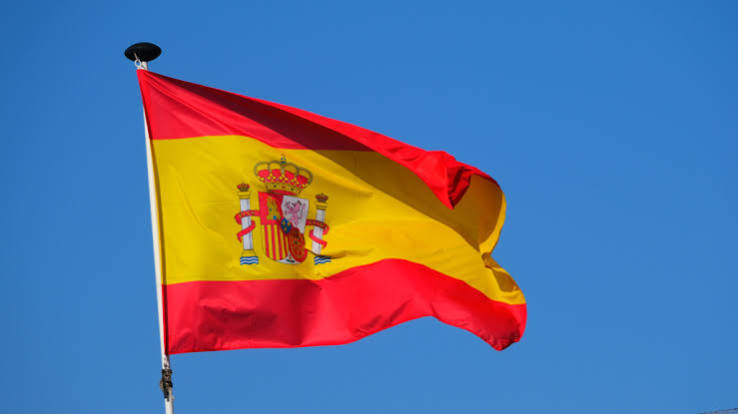
Spain’s data protection authority, the AEPD, has received the country’s first personal data breach notification attributed to a fully autonomous AI-driven cyberattack, marking what researchers describe as a new phase in the cybersecurity threat landscape. The incident signals that AI systems are moving from assisting human attackers to independently executing intrusion and exfiltration steps, a shift security agencies across Europe are now racing to build detection and response frameworks around.
In Brief
Xbox has pushed back on rumors of a sweeping 2027 Game Pass Ultimate restructure — including ad-supported tiers and the end of day-one releases — saying no changes are finalized, though it stopped short of ruling out future adjustments. Windows Central
Apple is reportedly considering a return to the server market, potentially partnering with Nvidia, as demand for AI compute makes its efficient ARM-based M-series chips attractive for enterprise hardware; any product likely wouldn’t ship before 2029. The Verge
Anthropic has launched Claude Docs and Slides, letting users create and export documents and presentations directly from Claude chats, while folding its Cowork tools into a single unified “one Claude” interface — a direct challenge to Google’s Workspace AI features. The Verge
Compiled from the configured RSS feed.