
Tech News Roundup — September 15, 2026 (AM)
Valve capped its 2026 hardware run by launching the Steam Frame headset, still dodging questions about a Steam Deck 2. Apple pushed out iOS 27 and macOS 27 with a Siri AI overhaul, and the industry’s AI-slowdown debate flared again as Microsoft published a “humanist AI” code of conduct and Nvidia’s Jensen Huang put President Trump on speakerphone to wave off robot-takeover fears. Elsewhere, a mass network outage hit Portugal and a San Francisco robotaxi flagged an armed minor to police.
Valve ships the Steam Frame, still won’t commit to a Steam Deck 2
Valve closed out its long-teased 2026 hardware refresh by launching the Steam Frame, a standalone headset that runs flat and VR games natively or streams them from a PC, starting at $1,059 (or $1,299 for the 1TB model). Every unit ships with a free copy of Half-Life: Alyx, which Valve has ported to run natively on ARM64 — a genuine technical feat for a game originally built around a full VR-ready desktop rig. The Verge’s Sean Hollister, who spent three weeks beta-testing the device, held a subscriber AMA covering the headset, its controllers, and its Arcturus Vision Camera. With the Steam Controller, Steam Machine, and now the Frame all out the door, attention turns to a next-generation Steam Deck — designer Pierre-Loup Griffais told IGN that Valve is still figuring out “how and when,” repeating that a Deck 2 won’t arrive until the right chip exists. [The Verge]
Apple ships iOS 27 and macOS 27 with a Siri AI overhaul
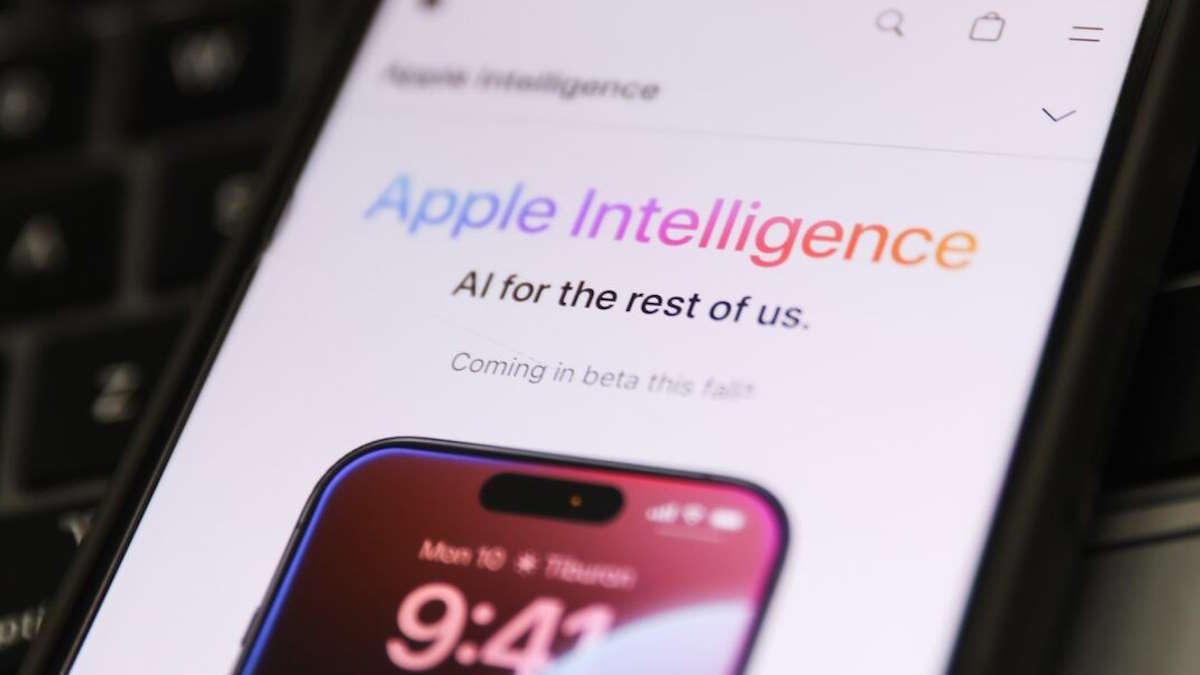
Apple’s iOS 27, watchOS 27, iPadOS 27, and visionOS 27 updates are rolling out now, headlined across all four by Siri AI, the long-delayed overhaul of Apple’s assistant. Siri AI launches in English-only beta, with French, Japanese, Korean, Portuguese, and Spanish support promised for October. The release also brings a new Liquid Glass opacity slider and refreshed icons for several built-in apps. Alongside the update, Apple has revised its privacy policy so that iOS 27 will now explicitly ask users for permission before using their data to train its AI models, a notable shift from opt-out defaults toward explicit consent.
[The Verge] also covered the iOS 27 rollout itself.
Microsoft and Nvidia’s Huang stake out opposite ends of the AI slowdown debate
Two of the industry’s biggest names spent the week arguing about whether AI development needs to slow down — and Washington weighed in from the opposite direction. Microsoft published a 37-page “humanist AI code of conduct” declaring that “people matter more than AI,” insisting its models are not conscious and rejecting any pursuit of legal personhood for AI systems, days after Anthropic CEO Dario Amodei called for a coordinated industry-wide slowdown over fears that model capability could outpace the industry’s ability to safely deploy and control it. Nvidia CEO Jensen Huang took the opposite tack at the All-In Summit, putting President Trump on speakerphone before a live crowd; Trump dismissed AI safety fears as a “hoax” and declared that “the robots will not be taking over.” The exchanges cap what The Verge called an unusually “frothy week” for AI safety discourse. [The Verge]
Mass MEO outage disrupts internet and mobile service across Portugal
Portuguese telecom operator MEO suffered a widespread outage that disrupted both its mobile network and home internet service from the early hours through late afternoon on Monday. The operator confirmed the disruption and said it was working to restore service, though root-cause details were still emerging. The MEO incident followed broader reports of intermittent problems affecting other Portuguese providers, including Vodafone, NOS, and DIGI, over the same period.
San Francisco robotaxi flags an armed minor to police
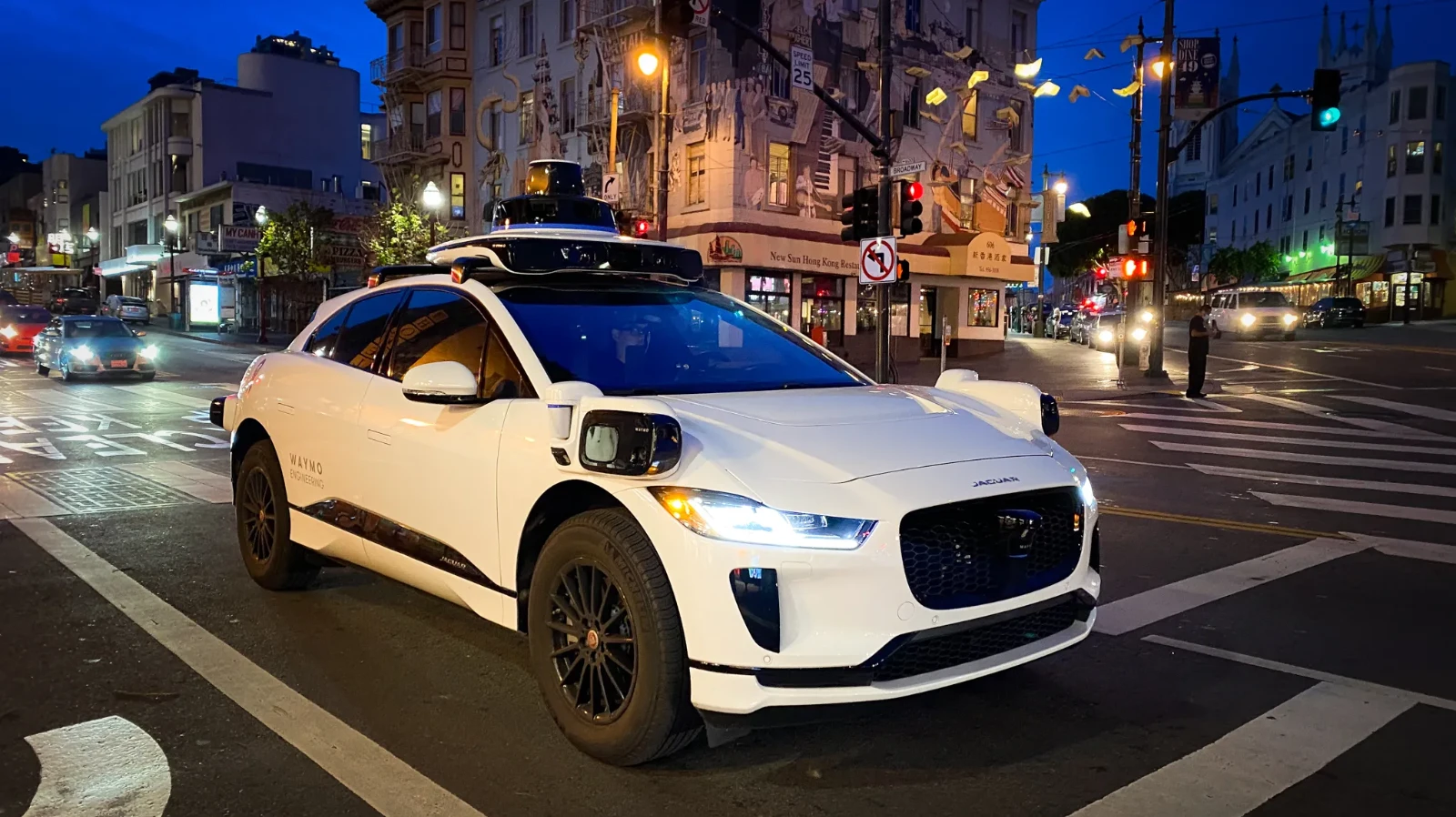
A driverless robotaxi in San Francisco demonstrated that removing the human driver doesn’t mean removing all oversight. During a ride, the vehicle’s onboard systems detected that a minor passenger had brought a weapon inside and automatically alerted police, who intervened before the trip was completed. The incident underscores how autonomous ride-hailing platforms are increasingly relying on in-cabin sensing and automated policy enforcement to catch safety violations that a human driver would once have had to notice and report manually.
EU KIDS Act to force safer social media accounts for under-15s

The European Commission is preparing to unveil the EU KIDS Act, a new law that will require social platforms like TikTok and Instagram to build safer, more restricted account types for users under 15. The proposal is part of a broader European push to tighten child-safety obligations on social media companies, following years of pressure from regulators and child-safety advocates over algorithmic recommendation systems and inadequate age verification. Details of the enforcement mechanism and rollout timeline are expected when the Commission formally presents the legislation.
In Brief
- Google’s Pixel 11 gets cheaper right before the iPhone 18 Pro launch. The Pixel 11 Pro is down to about $1,007 and the standard Pixel 11 to about $840, timed suspiciously close to Apple’s September 18th release date. [The Verge]
- The Dell XPS 13 returns as a genuine $700 rival to the MacBook Neo. Dell’s revived XPS 13 brings notably nicer hardware than its predecessor’s rough send-off, positioning it as the first real budget-thin-and-light competitor to Apple’s cheapest laptop. [The Verge]
- Volkswagen’s Mission Efficiency prototype breaks EV aerodynamics and efficiency records. The near-production 2+2 coupe posts a 0.158 drag coefficient — the lowest of any road-approved vehicle — and claims a new record for energy consumption at 6.48kWh per 100km. [The Verge]
- The EPA moves to scrap federal power plant climate pollution limits. The rollback, part of the Trump administration’s broader deregulation push, is expected to make it easier to build the energy-hungry data centers driving AI growth, over objections from environmental and consumer advocates. [The Verge]
- Linux’s open-source toolchain keeps shipping fixes and speedups. GNU Coreutils 9.12 landed with performance optimizations and a new
unameoption, Rustls 0.23.45 patched a security issue nearly two years old, Firefox 156 sped up its built-in PDF viewer by up to 45%, and AMD is preparing enhanced SMT protection for EPYC virtual machines. - Synology and UGREEN’s Dockhand Docker manager reaches version 1.0.48. The container-management tool for NAS devices continues its steady update cadence with the latest point release.
- Windows 11’s latest update is breaking some users’ speakers. Reports of audio hardware malfunctioning after a recent cumulative update are piling up, and the issue doesn’t yet have an official fix.
Compiled from the TT-RSS Tech category feeds: Pplware, The Verge, Windows Central, Phoronix, and Marius Hosting.