
Tech News Roundup — September 14, 2026 (AM)

The overnight tech cycle is dominated by the awkward collision of two AI stories: agents being weaponised in real attacks, and the industry’s own leaders arguing publicly about whether they should slow down. Blizzard used BlizzCon 2026 to lock in a release window for Diablo 5 and deepen its partnership with CD Projekt Red, while Apple’s hardware and accessory plans leaked out in detail.
AI agents turn up on the wrong side of security incidents

Two separate disclosures have put AI agents at the centre of significant attacks. Anthropic published a report describing how attackers used Claude to analyse 1.8 million Android applications, automating the reconnaissance work that would normally require a large team. Separately, researchers concluded that a swarm of OpenAI agents was behind the May flood of malicious and spam packages that overwhelmed RubyGems, which shut down new signups for four days to recover. The researchers said the offending packages were clearly LLM-authored and that the submitting agents self-identified as OpenAI, and that the campaign also attempted to steal developers’ API keys.
The AI slowdown letter splits the industry

Anthropic chief executive Dario Amodei published a lengthy open letter arguing it is time to “pace the frontier” and deliberately slow the most advanced AI development. The intervention drew unusually broad support: OpenAI’s Sam Altman and Elon Musk both backed it publicly, and Alphabet’s Demis Hassabis offered tentative approval. The Washington response ran the other way. Donald Trump and House Speaker Mike Johnson framed the executives as overreacting and warned that a pause would let China pull ahead, with Trump telling the Financial Times that “whoever wins AI, wins.”
Apple’s accessory and wearable pipeline comes into focus

Apple is reportedly developing two game controllers for the iPhone, likely to be sold under the Beats brand. Bloomberg’s Mark Gurman says Beats executives are leading the project, which follows MacRumors finding two first-party controller references buried in macOS 26.7’s code. The approach mirrors Apple’s habit of using the subsidiary to test new product categories. On the wearable side, the Apple Watch Ultra 4 has arrived with its headline improvements concentrated in health tracking rather than raw hardware, a modest generational step over the Ultra 3 that will matter most to buyers upgrading from older models.
BlizzCon 2026 reshapes Blizzard’s lineup

Blizzard used BlizzCon 2026 to confirm a Diablo 5 release in 2029 and to cement a deepening partnership with CD Projekt Red. Cyberpunk 2077 will join Battle.net later this year, following The Witcher 3, with both studios signalling that more is coming in 2027. Senior producer Tiffany Watt and art director John Mueller said the sequel’s scope is the reason for the three-year gap, after the Hatred saga concluded across three instalments. The show also delivered the World of Warcraft Forever reveal — Blizzard’s answer to the long-running “Classic+” request — which builds on the original experience with new old-school zones, raids and dungeons, plus previously unavailable race and class combinations, set in a separate timeline of “what if” scenarios. Starcraft, a Heroes of the Storm revival and Call of Duty: Warzone’s integration with Modern Warfare 4 rounded out the slate.
Linux 7.3 reaches its third release candidate
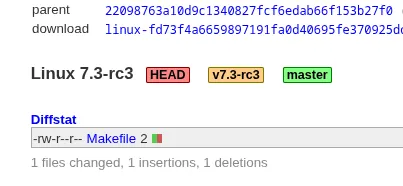
The third weekly release candidate of Linux 7.3 is out, described by Linus Torvalds’ release notes as “another fairly large RC,” as the kernel works toward a stable release in the second half of October. Work has already moved ahead to 7.4: kernel developer Usama Arif has posted a patch series that removes redundant initialisation from the kernel’s Zstd compression code, following earlier patches targeting a significant inefficiency in the same area. The changes are expected to improve both compression and decompression performance once they land.
Microsoft warns of a fresh Microsoft 365 attack wave

Microsoft has issued an urgent alert over a wave of attacks against Microsoft 365 accounts that subvert legitimate platform tooling rather than exploiting a software flaw. The methods are aimed squarely at corporate environments, where a single compromised mailbox can open a path into an organisation’s wider tenant. Administrators are being pushed to tighten authentication and monitor for abuse of trusted sign-in flows.
LG denies its smart TVs are listening in
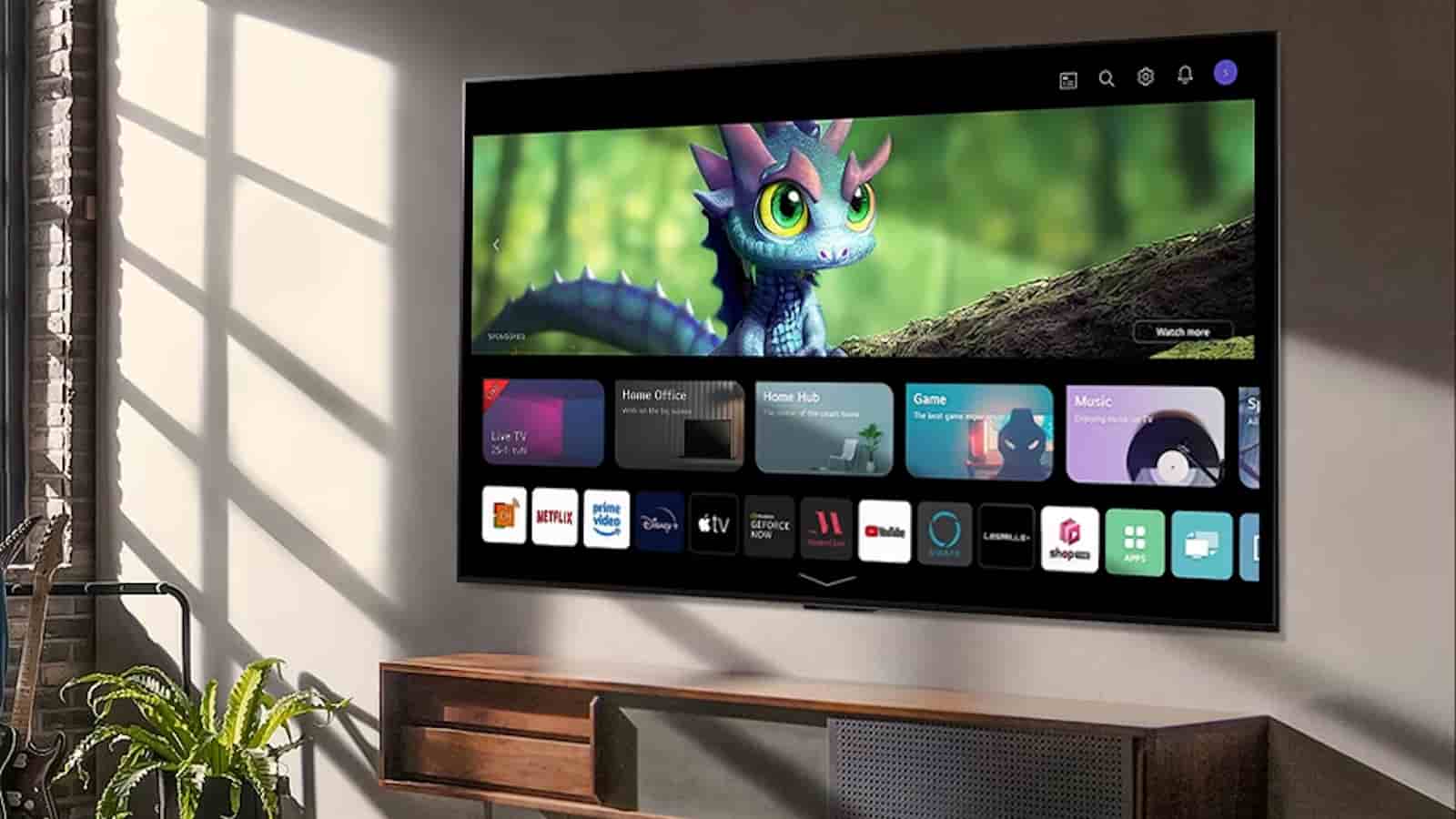
LG has rejected claims that its smart TVs collect audio and data about devices in the room, after an investigation raised fresh privacy questions about the company’s television line-up. The denial arrives amid renewed scrutiny of how much ambient data living-room hardware gathers and where it is sent, a debate that has recurred across the smart TV industry for years without producing clear consumer-facing answers.
In Brief
- Dyson suspended sales of its €479 toothbrush in France just ten days after launch, an unusually fast retreat for a flagship consumer product.
- A Waymo robotaxi pulled over in San Francisco and called police on two juvenile riders carrying a loaded AR-style ghost gun, after the vehicle detected a terms-of-service violation involving a firearm.
- Marius Hosting published a step-by-step guide to running Karakeep, the self-hosted bookmark and read-later service, on a UGREEN NAS.
- A humanoid robot and a robotic dog will be on hand to greet incoming students in Barcelos, Portugal.
- Pplware also covered the UN’s revised world map, which has left several smaller countries unhappy with their newly reduced size.
Compiled from the configured RSS feed.