
Tech News Roundup — September 13, 2026 (NOON)
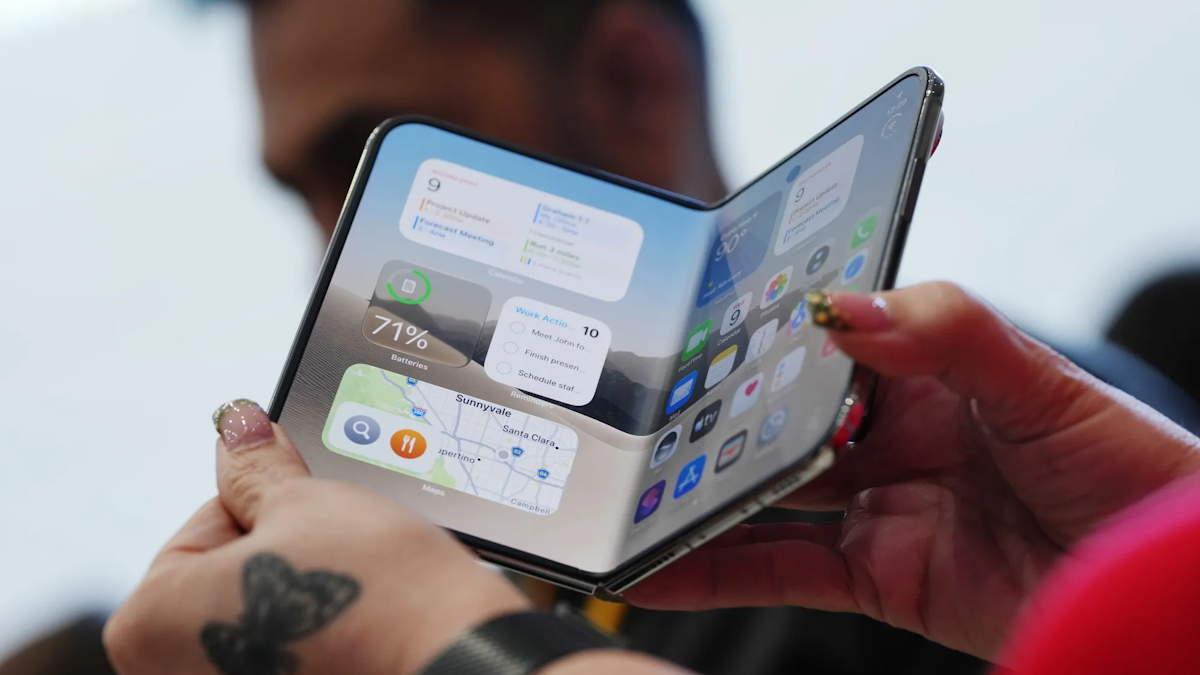
The morning’s most consequential tech story is a supply-chain one: Apple’s first foldable is turning out to be unusually expensive to build, and the company it is competing against is collecting a share of every unit. WhatsApp is preparing to lock the most sensitive conversations to a single handset, Meta has put its agentic Muse assistant on general release in the United States, and an unannounced Meta headset has surfaced through the company’s own app store.
Apple’s foldable debut hands Samsung Display a nine-figure windfall
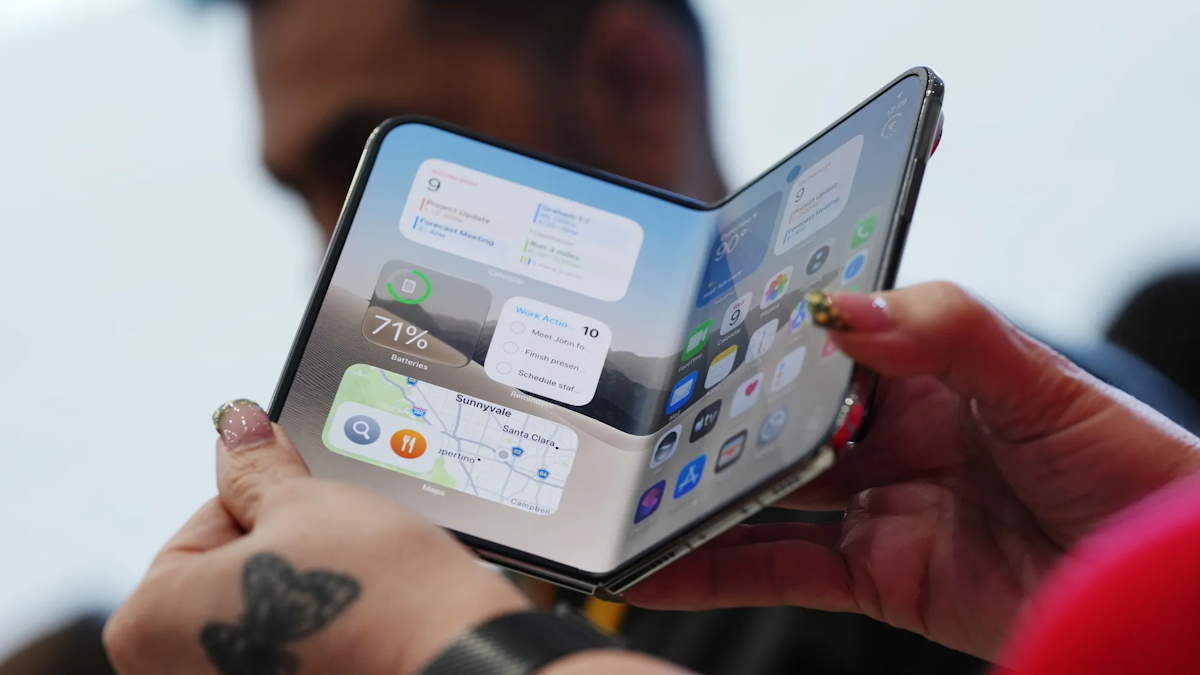
Apple’s entry into the foldable market is being financed in part by its principal rival. Cupertino has secured a three-year exclusivity contract with Samsung Display, and supplier-chain estimates put the cost of the iPhone Duo’s inner folding panel at roughly $250 per unit — about an eighth of the device’s expected retail price and more than three times the roughly $70 displays used in conventional flagships such as the iPhone 18 Pro Max. With shipments projected near five million units before the end of the year, Samsung Display stands to collect up to $1.25 billion from the arrangement, which covers future iterations of the device as well. The pricing reflects a shortage of viable alternatives: LG Display has yet to produce a foldable panel with the maturity Apple demands, and other display makers do not meet its reliability parameters at volume. Samsung, which has sold book-style foldables since 2019, moved quickly to capitalise on the launch, with its New Zealand division hiring a local estate agent who happens to share the name Tim Cook to front a Galaxy Z Fold8 promotion timed to the iPhone Duo’s announcement.
WhatsApp builds “restricted conversations” that stay on the phone
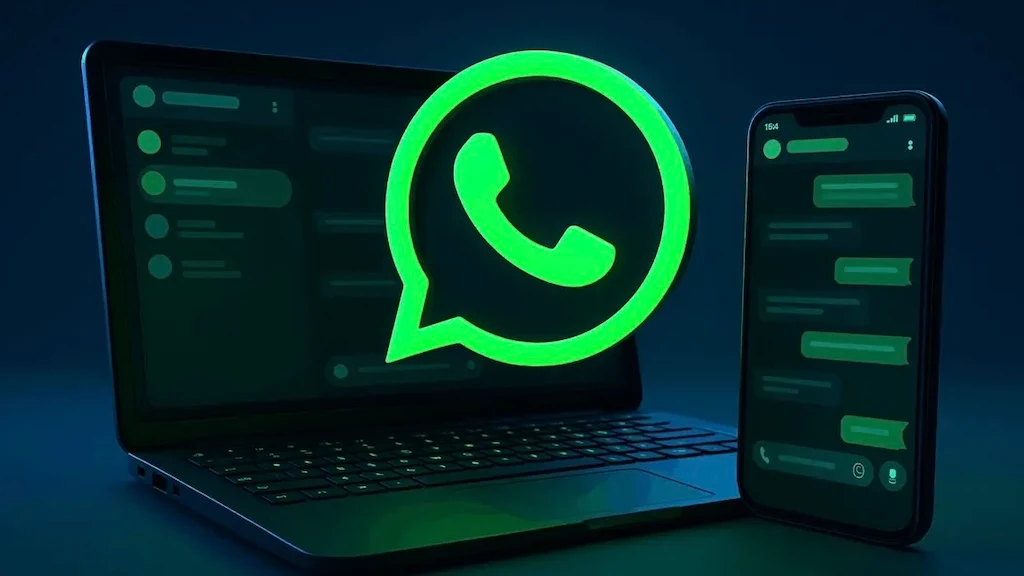
WhatsApp is testing a feature that keeps selected chats off every screen except the phone that owns them. Spotted in an Android beta under the name restricted conversations, the option cuts synchronisation with WhatsApp Web, secondary computers and tablets the moment it is enabled on a chat, so protected messages can only be read or answered from the primary handset. The mode also withholds received photos and videos from the phone’s gallery, stops any participant exporting the message history, and disables Meta AI inside those threads. Meta changed the feature’s internal name to avoid the impression that ordinary chats are less secure, and the company has pointed to growing risk from unofficial clients and autonomous AI agents that use secondary sessions to pull data in the background.
Meta’s Project Phoenix headset spills out of its own store
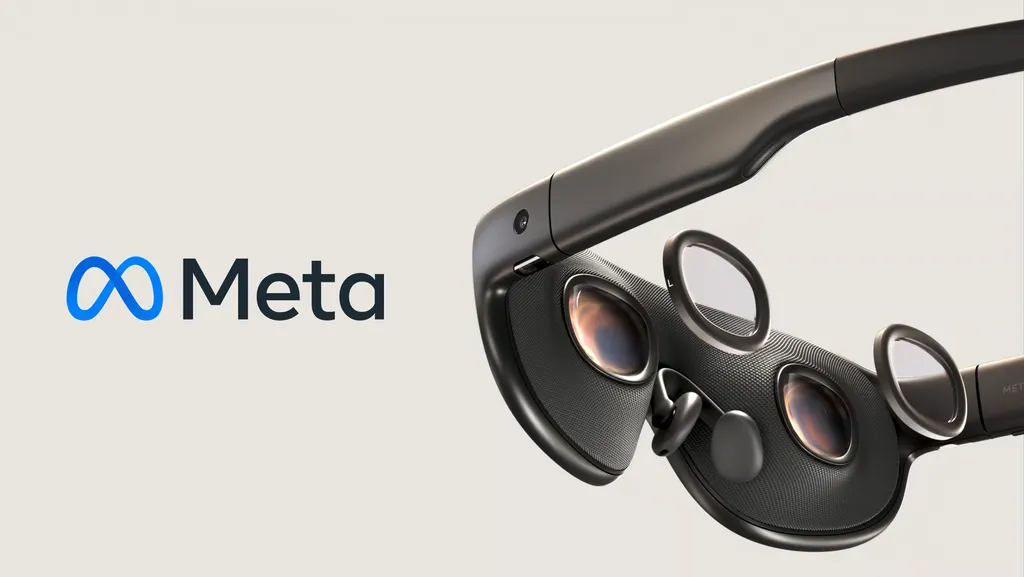
Meta has accidentally published the first detailed look at Project Phoenix, its forthcoming high-end mixed-reality headset, through an update to its own app store. The leak began with the release of a HorizonOS Prescription Lens app meant to help owners pair corrective lenses with the device; it shipped as a downloadable ZIP rather than installing silently, letting enthusiasts read its contents. A September update added 3D renders of the finished hardware showing how the lenses are fitted and revealing a QR-code pairing system that had not been seen before. The images point to a device far slimmer than the Quest line and closer to ordinary sunglasses, with adjustable nose pads, though it does not follow the design language of the Meta Ray-Ban range.
Muse puts Meta’s agentic AI to work in the background

Meta has launched Muse, a personal AI agent it presents as a first step toward what Mark Zuckerberg describes as personal superintelligence. It is available in the United States through iOS and Android apps, a website at muse.ai and an integration inside WhatsApp. Muse departs from the conventional chatbot model by working from a goal rather than a prompt: it draws up a plan and then carries out a sequence of actions, such as researching travel options, filling in forms, sending emails or making purchases. It can keep working in the background after the application is closed, asking for authorisation at the points where it needs a decision.
Windows 11 tests a cloud rebuild that reinstalls itself
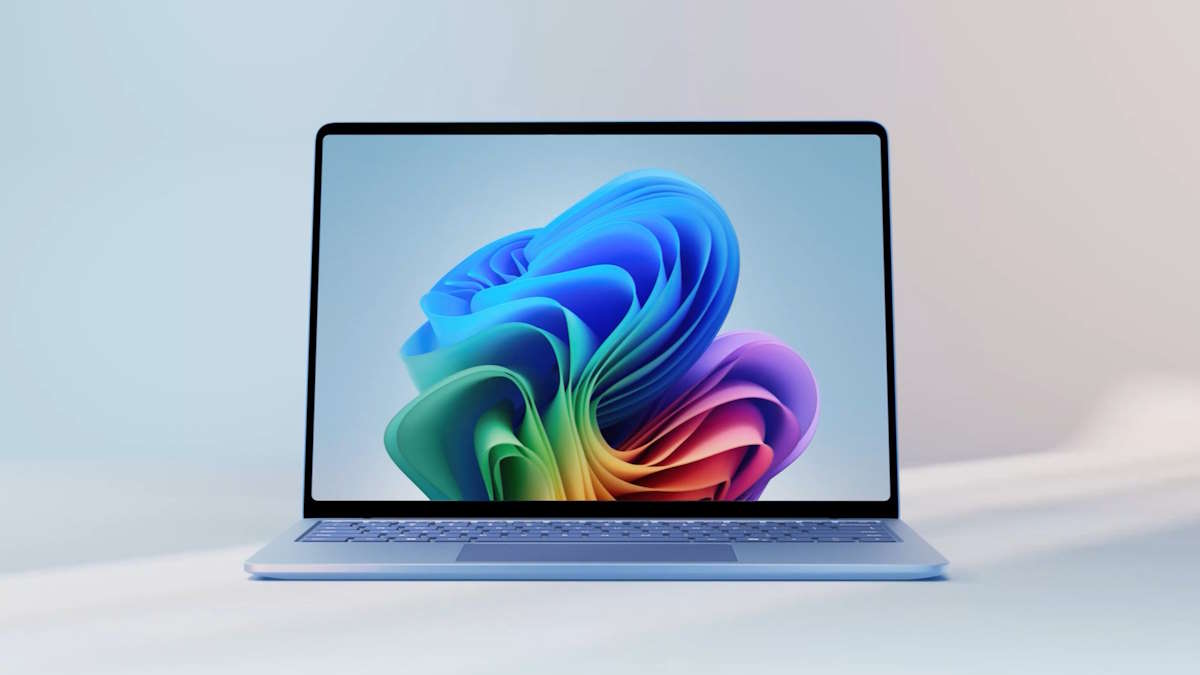
Microsoft is testing a way to reinstall Windows 11 without a USB stick or a downloaded ISO. The feature, called Cloud Rebuild, appears in the latest Windows 11 test build and pulls a clean copy of the operating system from Microsoft’s servers through the Windows Recovery Environment — the screen that already opens automatically after repeated boot failures and can also be started on demand. Because the reinstall is driven from recovery over a network connection, it can run even when the existing installation is badly corrupted, giving Microsoft a repair path for machines that today are usually wiped and rebuilt by hand.
Compiled from the configured RSS feed.