
Tech News Roundup — September 11, 2026 (AM)
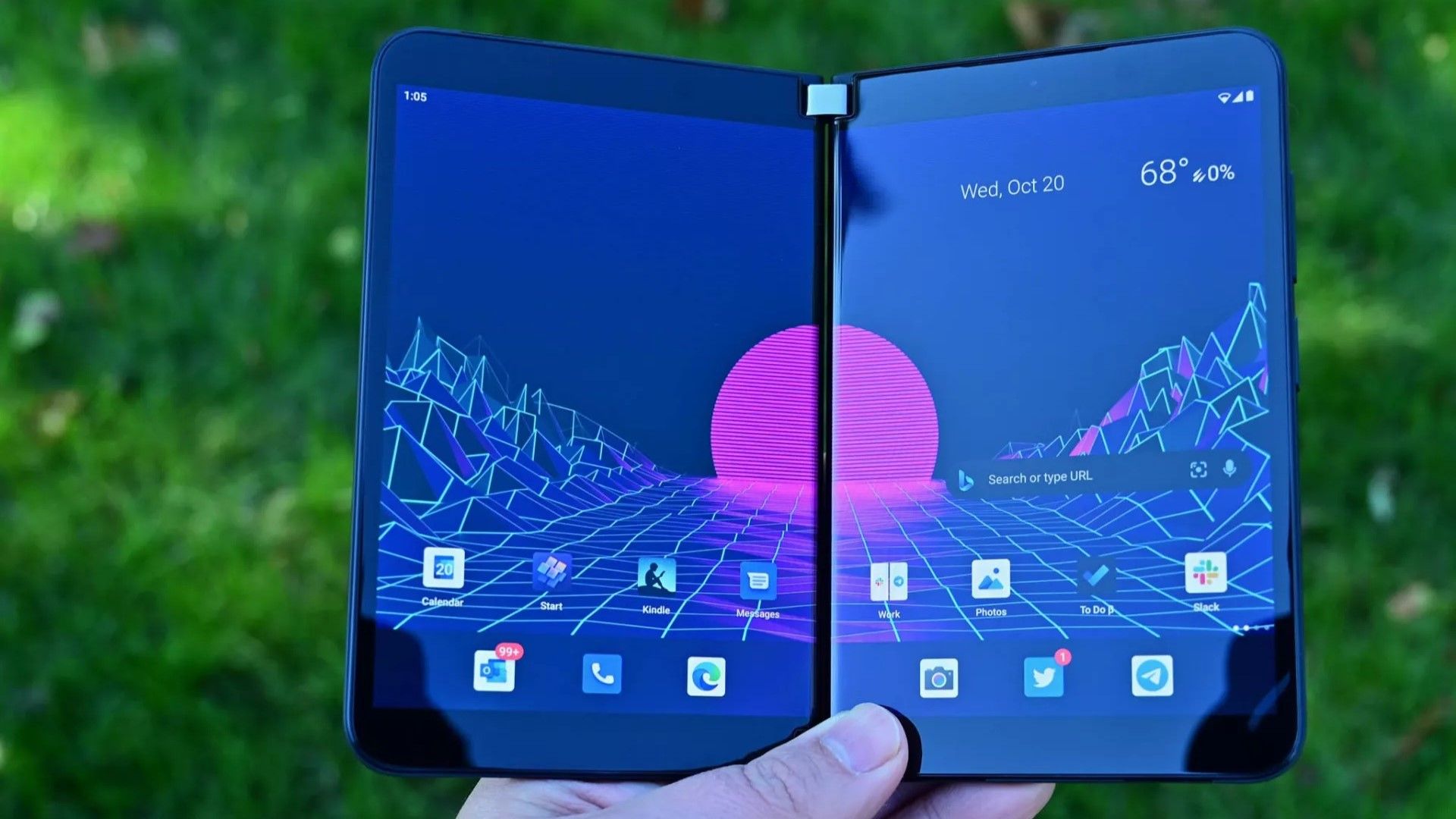
Apple’s iPhone Duo dominates the tech landscape as the company’s newest foldable flagship, winning praise for its software-first multitasking design inspired by Microsoft’s defunct Surface Duo. Meanwhile, AI’s role in content creation accelerates with Universal Music signing ElevenLabs, Meta launching its new Muse assistant, and Slack embedding interactive data visualization directly into chat. Linux and open-source ecosystems continue to evolve with major releases across the distribution and desktop environment stacks.
iPhone Duo: A Lesson in Multitasking Inheritance
Apple’s newly unveiled iPhone Duo leverages the multitasking paradigm that made Microsoft’s Surface Duo exceptional before its discontinuation. The foldable device replicates Surface Duo’s intuitive split-screen experience on a folding display, allowing users to open apps independently on each side with drag-and-drop window management. Links automatically open in a browser on the secondary screen while keeping the primary app visible—a hallmark of Surface Duo’s user experience that no other folding phone has successfully matched. The iPhone Duo also inherits Surface Duo’s support for stylus input via Apple Pencil, enabling note-taking and digital sketching across the dual-screen form factor. With a starting price of $2,000, it directly addresses the productivity gap left by Surface Duo’s departure while establishing Apple’s philosophical stance on foldables: function over marketing novelty.
AI in Content Creation: Industry Consolidation Accelerates
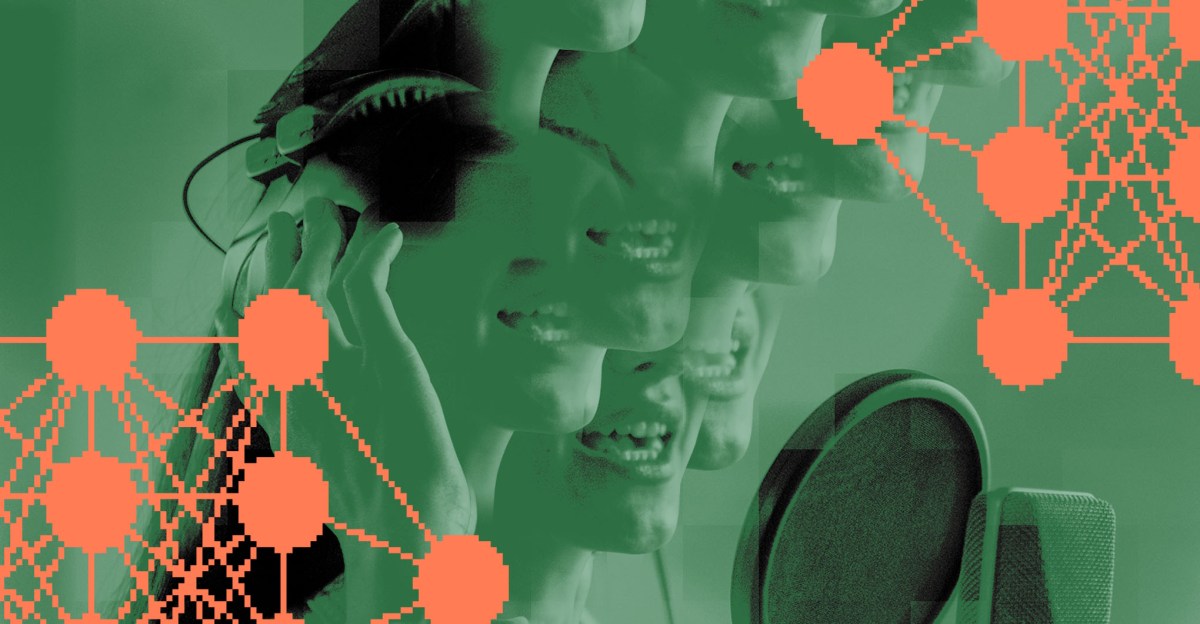
Universal Music Group is partnering with ElevenLabs on a multi-year licensing agreement to launch an AI-powered music creation platform. The system allows users to create remixes, mashups, and new interpretations of tracks from UMG’s licensed catalog, with artists opting into participation individually. This marks UMG’s latest addition to a growing ecosystem of AI partnerships, following existing deals with Udio, Spotify, Nvidia, and Klay. The move signals the record industry’s pragmatic acceptance of AI tooling as a mainstream feature rather than a threat, provided proper licensing and artist consent structures are in place.
Meta Launches Muse: Ambient AI Goes Mainstream
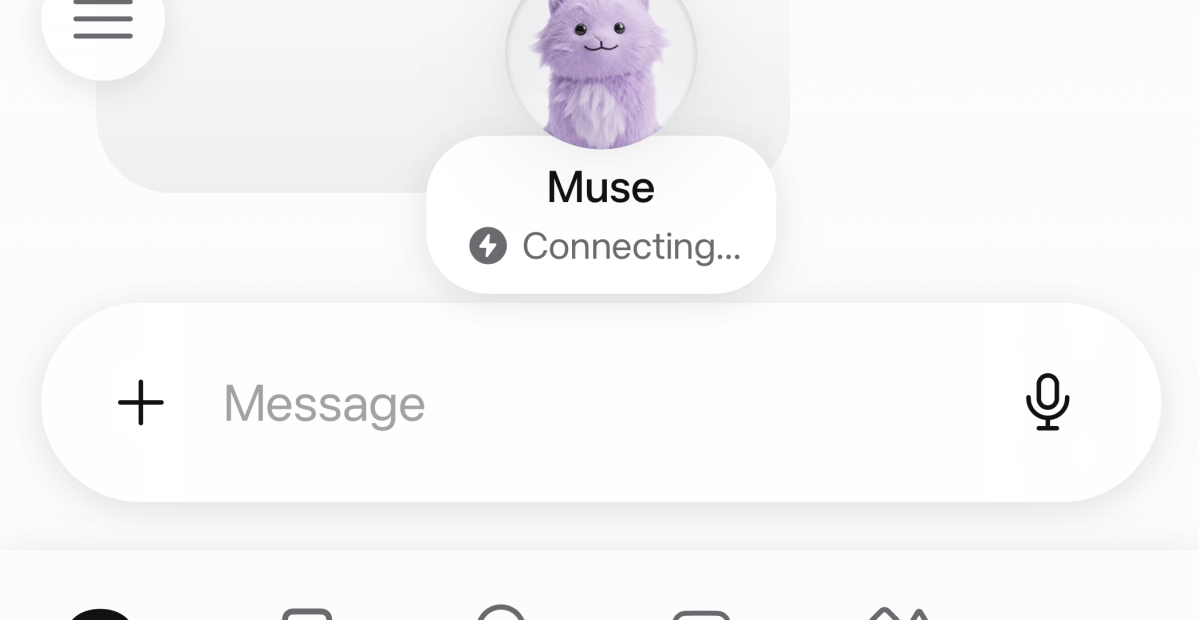
Meta has released Muse, its first dedicated AI productivity assistant, designed to autonomously handle online shopping, email composition, trip planning, and similar routine digital tasks. Early hands-on impressions reveal the tool works competently at executing assigned workflows, though testers report significant privacy concerns: Muse autonomously aggregates detailed personal information to execute its tasks with minimal user visibility. The assistant marks Meta’s shift from prioritizing social entertainment toward productivity infrastructure, though the passive data collection approach raises questions about consent and user awareness. The product’s ability to infer financial status, travel preferences, and shopping patterns underscores the broader tension between AI usefulness and user privacy in ambient assistant design.
Slack Gets AI-Powered Data Visualization
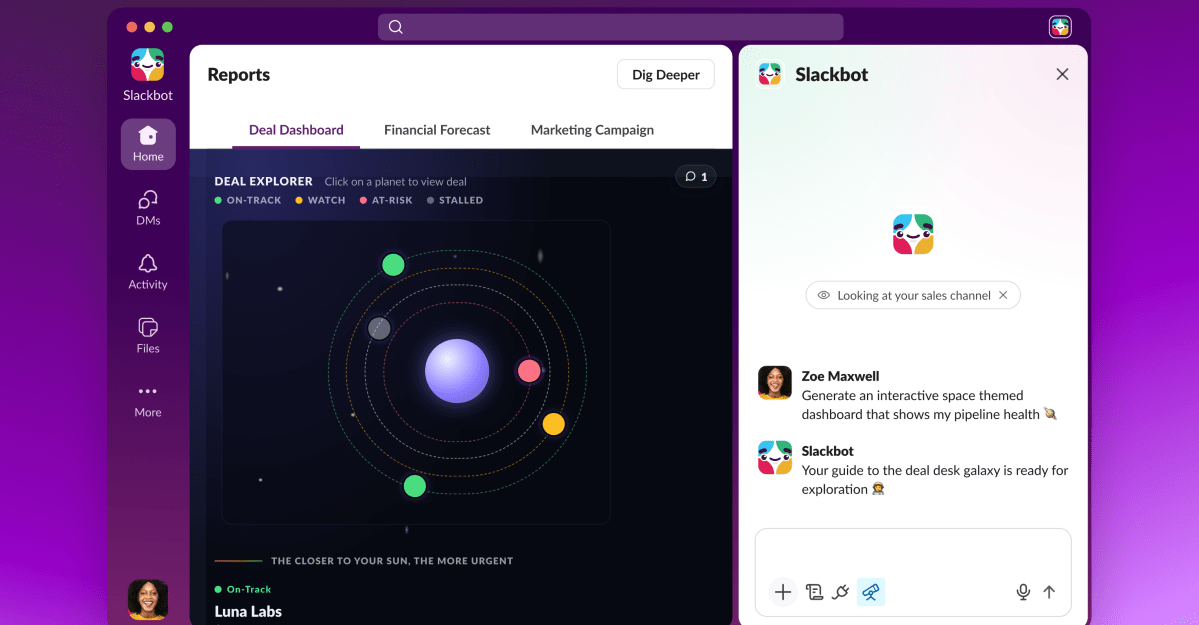
Slack is introducing Slackforce Surfaces, a feature that generates interactive reports, dashboards, and visualizations directly within chat conversations. Users can describe their data needs to Slackbot in natural language, and the AI assistant builds surfaces by pulling information from connected apps—Google Drive, Salesforce, and other enterprise tools—and contextual data from Slack conversations themselves. Once created, surfaces can be pinned to channels for team collaboration and annotation. The feature reduces the friction of switching between Slack and dedicated BI tools, embedding data storytelling directly into the platform’s chat-first workflow.
Linux Ecosystem: Major Updates Across Desktop and Distribution
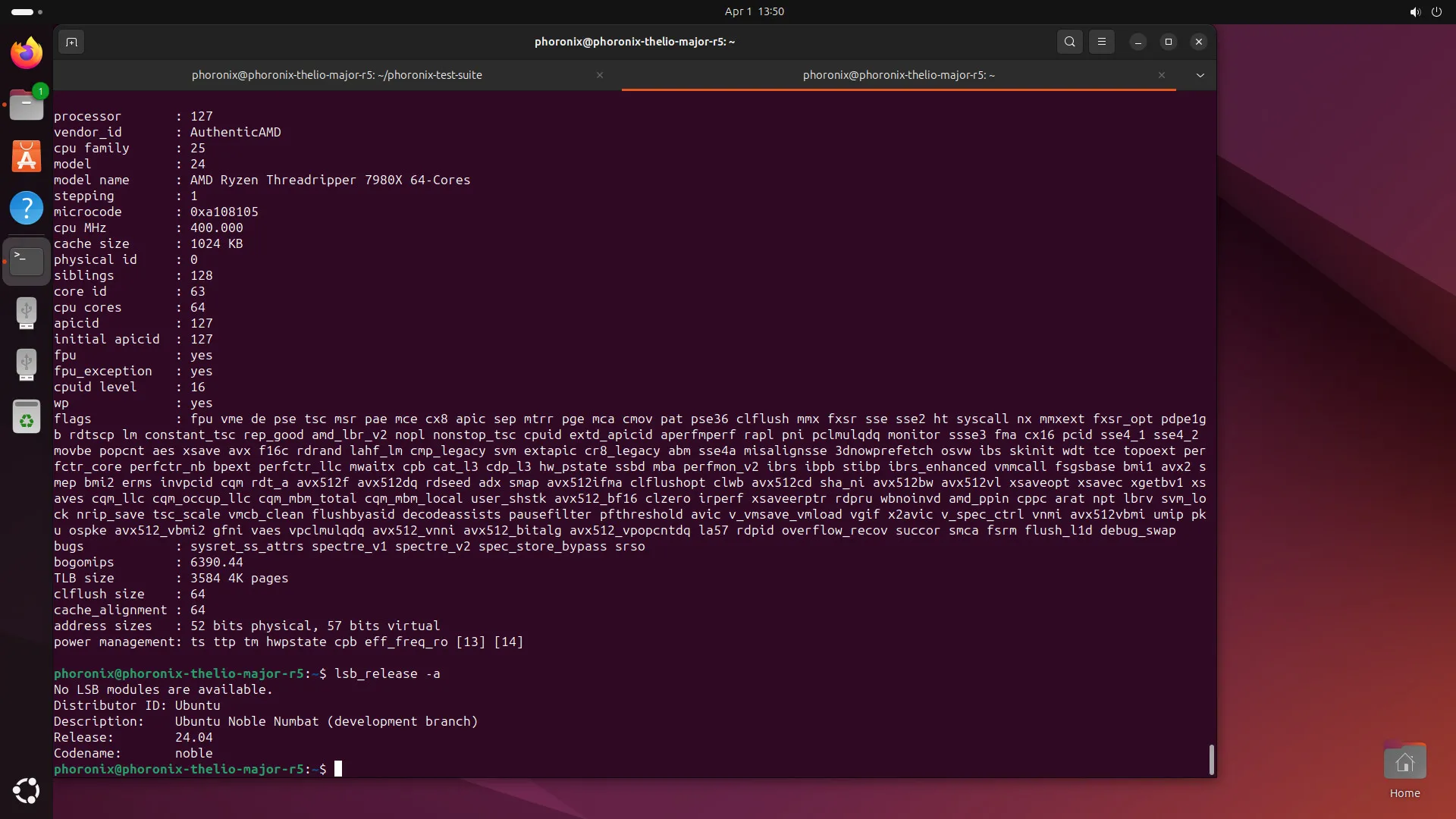
Ubuntu 24.04.5 LTS, the latest point release in Canonical’s long-term support series, now ships with the Linux 7.0 HWE (Hardware Enablement) stack, bringing cutting-edge hardware support to the stable distribution. Concurrently, the desktop environment ecosystem is advancing: GNOME 51 adds custom pointer acceleration profiles for fine-grained input device tuning, while KDE Plasma 6.8 Beta introduces a new Kup backup scheduler alongside numerous stability improvements. X.Org Server 26.1 approaches release as a major update to the foundational display server after five years of development. COSMIC Epoch 1.8 delivers incremental polish to Fedora-adjacent Rust desktop environment, and GNU Automake 1.19 ships a year’s worth of accumulated bug fixes and modernizations. The breadth of updates across distributions and desktop stacks reflects Linux’s continued momentum in both server and workstation contexts.
Apple Watch Series 12: Next-Generation Wearable
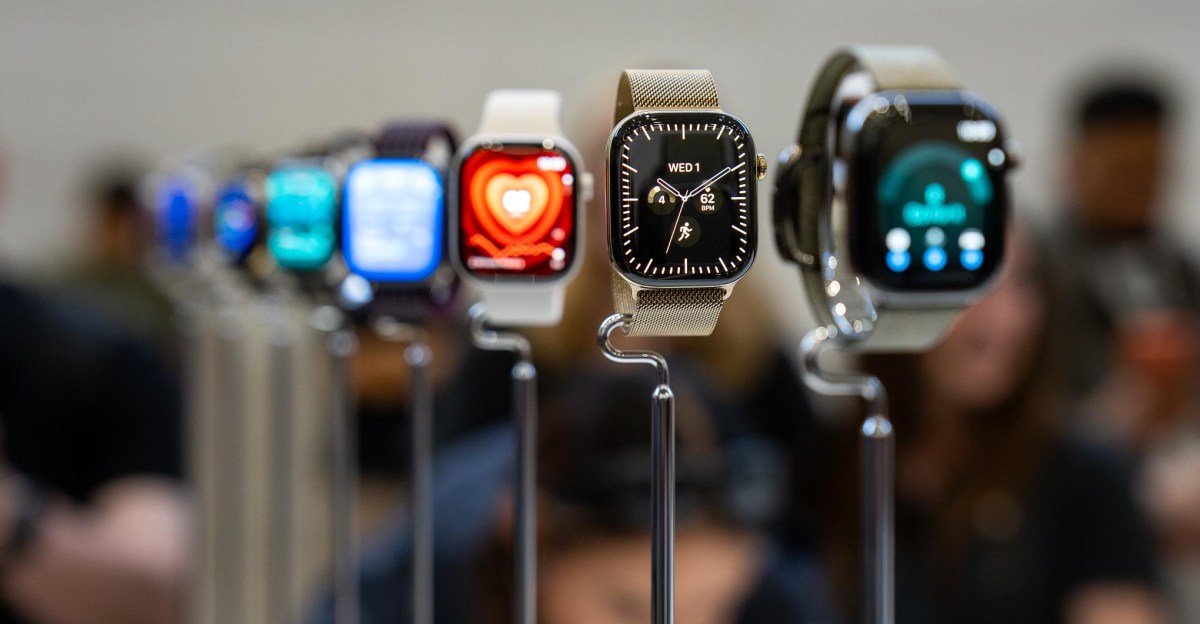
Apple has unveiled the Watch Series 12 and a new Ultra 4 variant, with updated sensors and integration of Gemini AI for smarter health and fitness recommendations. Pre-orders are underway for both models, extending Apple’s wearable ecosystem with incremental hardware improvements and AI-driven personalization of health insights.
In Brief
Schools Catching on to Big Tech’s Playbook. Educational institutions increasingly recognize how technology companies prioritize free tools and ecosystems to establish long-term lock-in and brand loyalty, with computer science curriculum integration favoring corporate partners over open-source alternatives. [The Verge]
Windows 11 Updates. Microsoft’s latest preview builds add Bigfoot and Copilot key remapping, enabling more granular control over system shortcuts and assistive features. Windows Central
Gaming Releases. Monster Hunter Wilds showcases the Insect Glaive’s playstyle returning to its series roots, while PlayStation’s Wolverine title embraces a simpler, bloodier action-game philosophy for the PS5. Windows Central [The Verge]
Compiled from the configured RSS feed.