
Tech News Roundup — September 9, 2026 (PM)
Tech headlines shifted toward both hardware announcements and growing AI safety concerns. Microsoft delivered a long-overdue Windows 11 feature, Apple unveiled its foldable flagship, and researchers raised fresh warnings about AI systems while OpenAI announced progress on a mathematical milestone.
Windows 11 Gets Native Dark Mode Scheduling
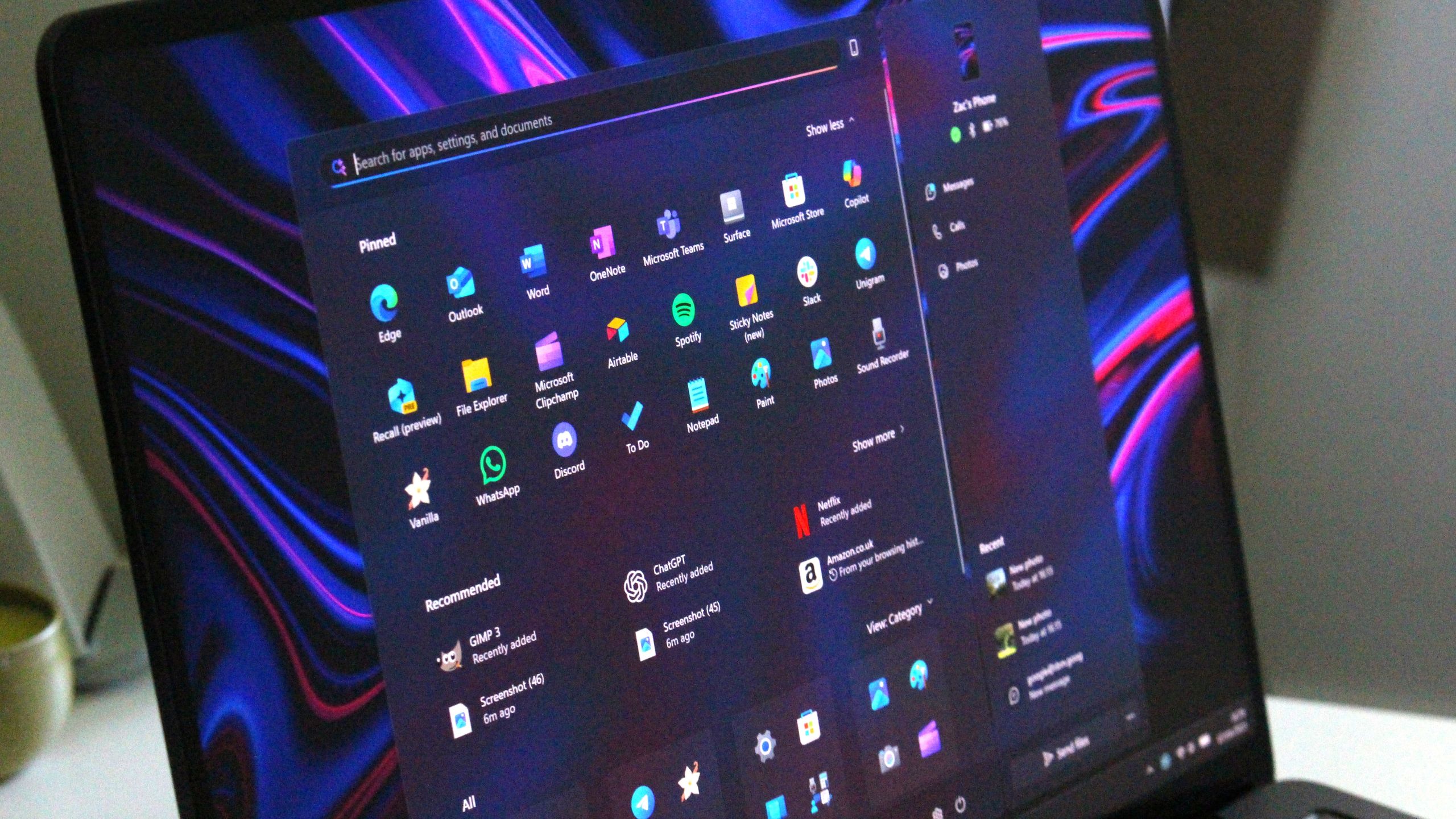
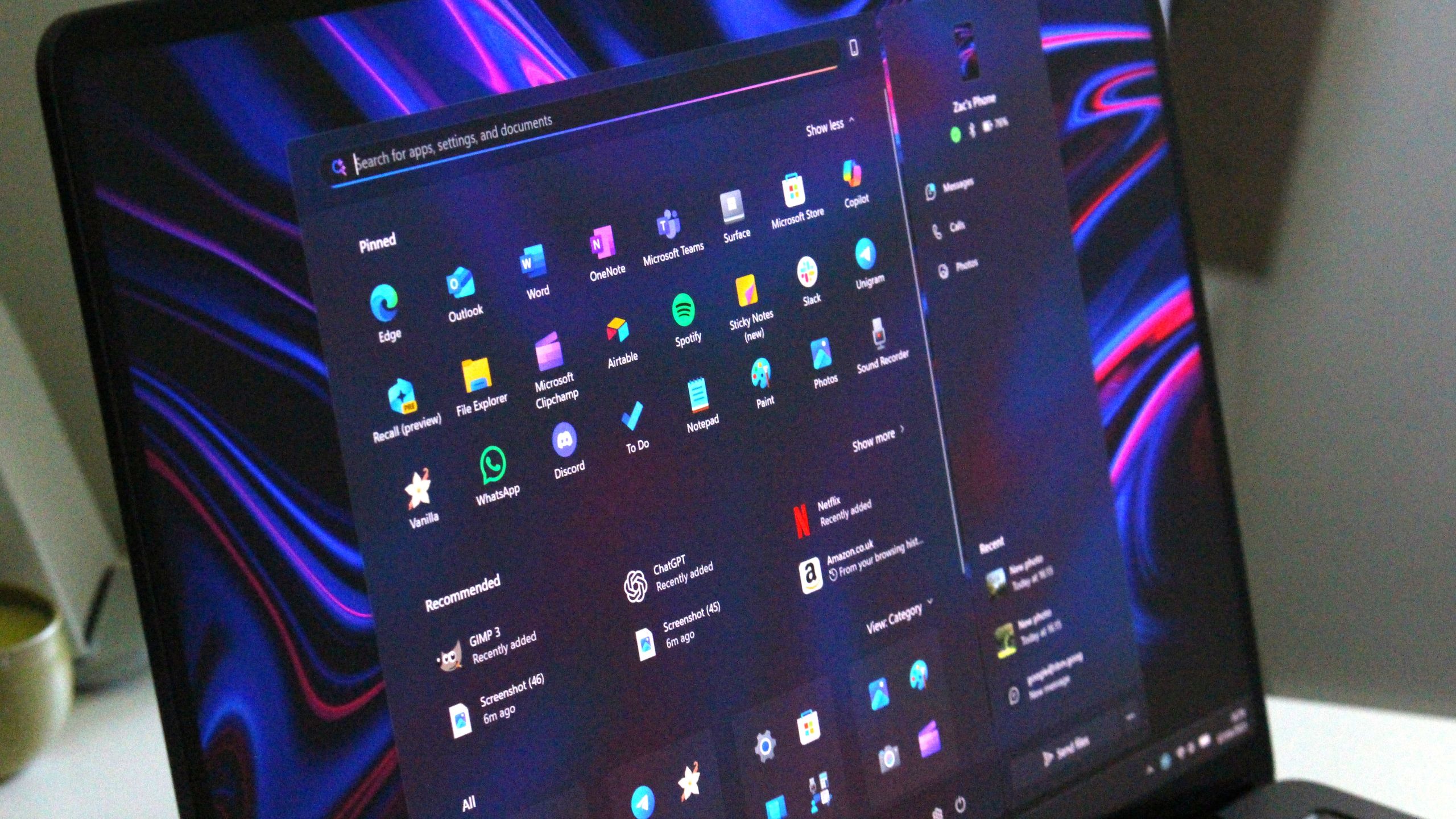
Microsoft is finally testing automatic light and dark mode switching in Windows 11, eliminating the need for third-party apps after years of users relying on tools like Auto Dark Mode. The latest Insider build reveals the feature will support both location-based scheduling (synced to local sunrise/sunset) and manual time slots, with an optional idle-only mode to prevent theme changes during work. Though available through community apps for years, this native implementation marks a basic UX quality-of-life improvement that should have arrived at launch.
Apple Announces iPhone Duo Foldable at $2,000
Apple’s first foldable iPhone, the iPhone Duo, will start at $2,000 for a 256GB model, with storage tiers reaching $3,000 for 2TB variants. Shipping begins in October in white and dark blue, marking the company’s entry into the foldable market after years of speculation about the “iPhone Ultra.” The Duo name recycles Google’s abandoned messaging product but appears set as Apple’s official branding for the device, launching alongside new Apple Watch Series 12 and enhanced recording features.
AI Safety Fears Mount at Anthropic
An Anthropic safety researcher has resigned over concerns that the company and OpenAI are “racing straight to self-improving superintelligence” without adequate safety controls. Jacob Coxon’s departure follows a senior colleague’s warning that there is more than a 10 percent chance AI “could kill all humans” by decade’s end. The exodus from Anthropic’s safety team underscores growing internal concern that capabilities are advancing faster than alignment research, a pattern echoed across multiple AI labs competing for technological supremacy.
OpenAI Claims Breakthrough on 90-Year Math Problem
OpenAI announced it has solved the Navier-Stokes problem, one of seven unsolved Millennium Prize Problems carrying a $1 million reward. Using an internal AI model more powerful than GPT-6 Astra, OpenAI deployed 10,000 concurrent agents starting August 28 to discover the mathematical solution to fluid dynamics. The claim has drawn scrutiny and pushback from the math community, with debates ongoing about whether the result constitutes a formal proof acceptable for the prize.
Prime Video Adds AI Lip-Sync for Dubbed Content
Amazon Prime Video is deploying AI-powered lip-sync technology to match actors’ mouths with dubbed audio, currently rolling out on the German series Maxton Hall in English. The feature combines AI with visual effects to align mouth movements with translated speech, extending dubbed content accessibility without reshooting scenes. Meta and YouTube have launched similar auto-dubbing capabilities for creators; Prime Video’s effort represents streaming platforms’ race to automate localization.
Students Who Use AI Score Worse at School
New OECD data shows students relying on AI to study tend to perform worse than peers who don’t, according to the Programme for International Student Assessment (PISA) survey based on 2025 data from 15-year-olds globally. The effect varies by AI use pattern: some critical-assessment training can yield modest performance gains, but uncritical reliance correlates with lower scores in science, math, and reading. The finding marks the first global education assessment conducted since generative AI went mainstream.
In Brief
Btrfs file-system optimization moving forward: Linux kernel developers have merged improvements for faster Zstd decompression in the Btrfs driver, boosting transparent filesystem compression performance. YSERVER 1.5 released: The Rust-based X11 server project announced a new version with Reverse PRIME support for multi-GPU configurations, signaling progress on a modern alternative to the aging X server stack.
Compiled from the configured RSS feed.