
Tech News Roundup — September 8, 2026 (AM)

Europe’s push for digital sovereignty continues as Switzerland joins France and Germany in testing alternatives to American cloud platforms. Meanwhile, the CPU market sees innovation from unexpected players, and consumer audio hardware gets notable updates.
European Digital Sovereignty Accelerates

Switzerland will move 3,000 federal workstations away from Microsoft 365. The Swiss federal government is launching a pilot program to test open-source and European alternatives to Microsoft’s productivity suite, citing data protection concerns and rising license costs. The initiative will initially affect about 7% of federal administrative staff—3,000 workstations—moving sensitive government data to alternatives such as Euro-Office and other sovereign solutions. Professor Matthias Stürmer of Bern University emphasized the security risks of American-controlled platforms: “We know that foreign governments can access this data—this is available at any time.” This mirrors similar efforts in France (which dropped Windows for Linux) and Germany, as European nations pursue greater digital independence from American tech vendors. Microsoft’s Sovereign Cloud offering remains available but hasn’t satisfied government privacy requirements.
x86 CPU Market Gets Mysterious New Entrant
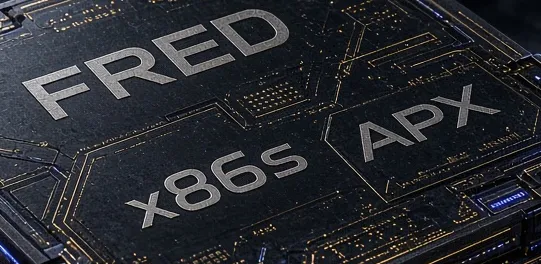
A new x86 CPU implementation rivals Intel and AMD with advanced performance extensions. A corporate entity outside Intel and AMD has disclosed an x86 CPU design implementing Advanced Performance Extensions (APX), Flexible Return and Event Delivery (FRED), and x86S architecture—technologies Intel stopped pursuing. The mysterious CPU features both 16-tile and 32-tile Advanced Matrix Extensions (AMX) implementations that exceed current Intel Xeon capabilities. The effort signals renewed interest in moving x86 forward with modern instruction sets while cleaning up decades of legacy baggage, positioning x86S as a potential “legacy-free x86” architecture. The discovery hints at serious competition in the high-performance processor space beyond the AMD-Intel duopoly.
FreeBSD 14.5 Shipping With Major Improvements
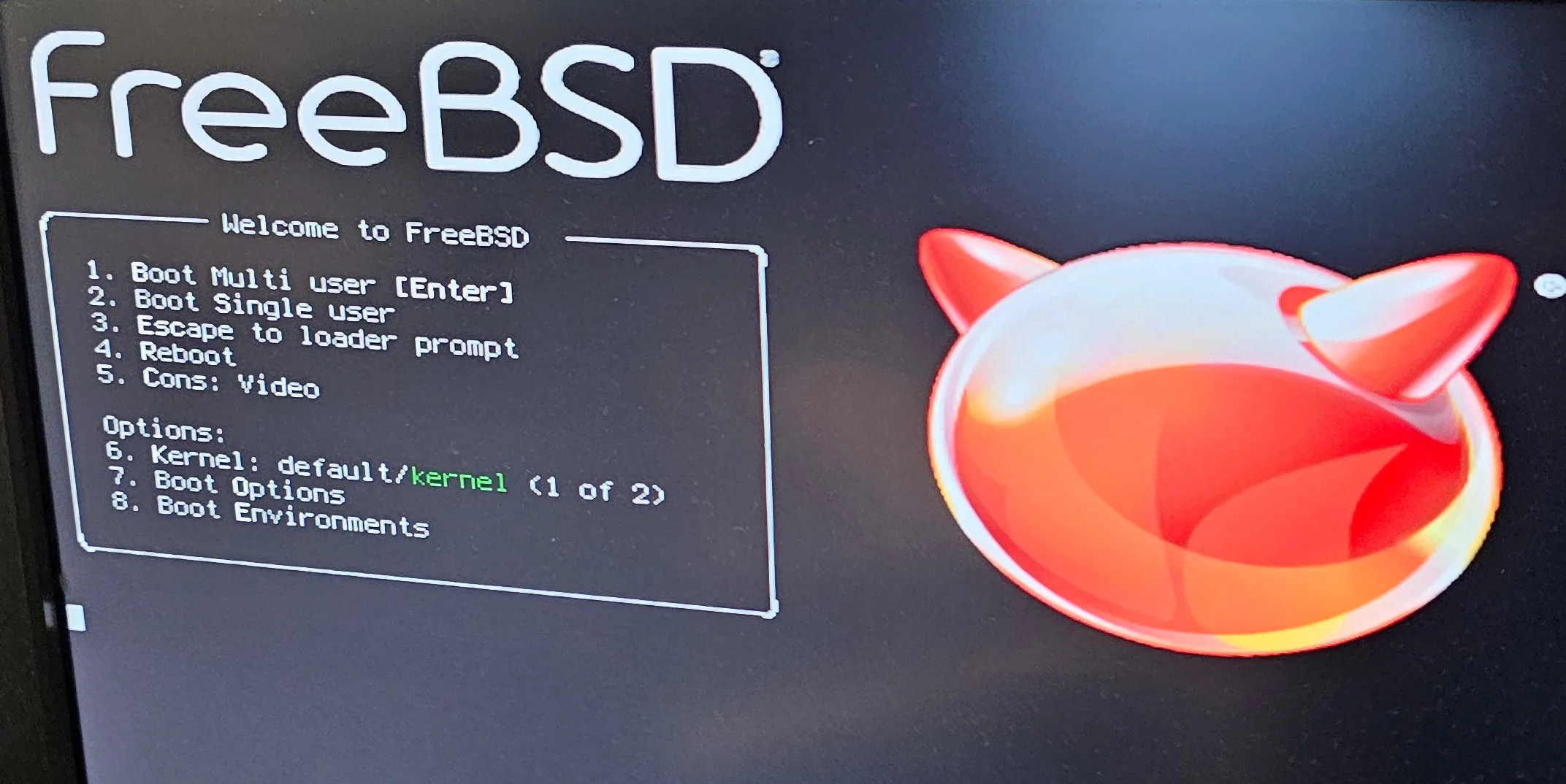
FreeBSD’s latest release adds hardware support improvements and extensive security patches. FreeBSD 14.5 is now available with enhanced hardware support across a broader range of systems, alongside numerous bug fixes and security vulnerabilities resolved. The release continues FreeBSD’s reputation as a stable, performant alternative to Linux for server and embedded workloads, with particular improvements in driver compatibility and system reliability. Release notes detail security advisories and architectural improvements targeting both server deployments and embedded FreeBSD systems.
Sony Refreshes Audio Portfolio With New Headphone Lineup
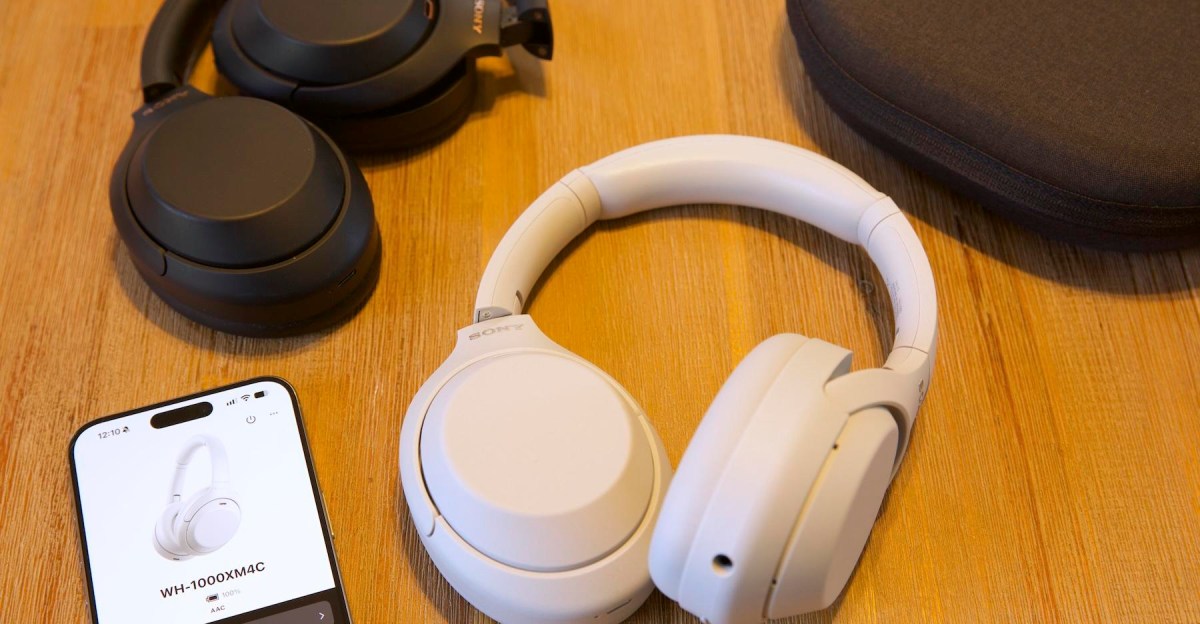
Sony revives its legendary XM4 headphone line six years later with the WH-1000XM4C, alongside new budget-tier models. Sony announced a refreshed audio lineup including the highly anticipated WH-1000XM4C headphones—a revisit to the legendary XM4 series that defined premium noise-cancelling audio in 2015. The new model arrives six years later with modern updates, alongside two additional releases: the WH-CH730N mid-range noise-cancelling headphones and the WH-CH530 entry-level model. This multi-tier strategy lets Sony address the entire audio market from premium enthusiasts to cost-conscious consumers, extending its audio dominance across price points.
RAM Shortage Sends Smartphone Prices Climbing

Memory chip shortages are a primary driver of rising smartphone costs. A RAM supply crunch is forcing manufacturers like Apple, Micron, and others to raise prices on memory-intensive devices. Constrained DRAM and NAND production—coupled with increasing per-device memory requirements—creates upward pressure on the entire smartphone market. Consumers are seeing higher price tags across flagship and mid-range models as manufacturers pass supply-chain costs down. Industry analysis suggests relief won’t come until memory production capacity fully catches up with demand, leaving near-term price increases inevitable.
Windows 11 Updates: Device Age Tracking and Potential Fixes
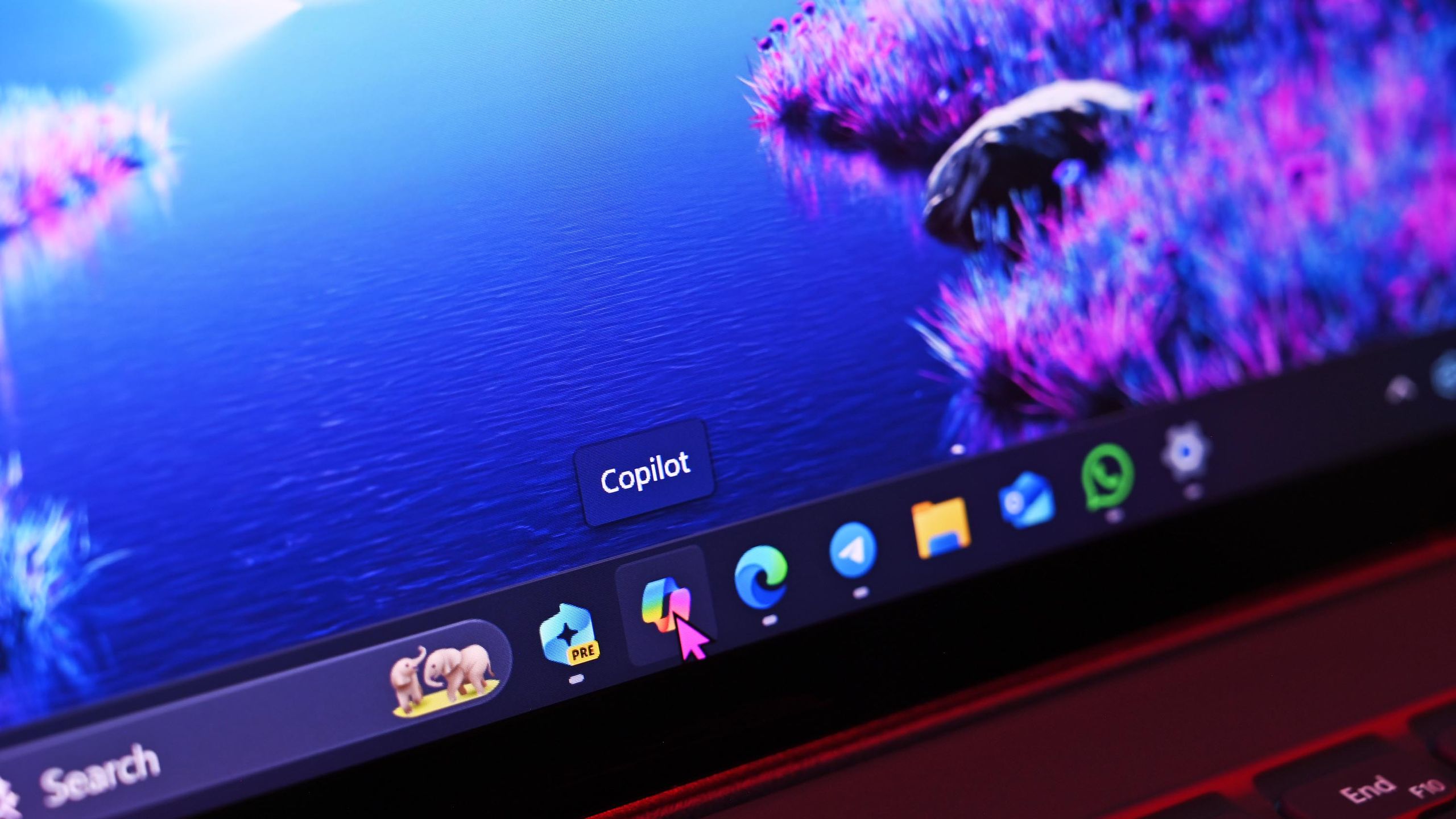
Microsoft quietly introduced device age tracking to Windows 11 and may have stumbled onto broader OS improvements. Windows 11 is gaining a new feature that monitors and reports the age of user devices, potentially enabling better telemetry collection and support prioritization. In parallel, observers have noted that Microsoft’s recent updates contain architectural changes that could address long-standing Windows 11 performance complaints—though the company hasn’t officially highlighted these improvements. The combination suggests Microsoft is simultaneously collecting deeper device insights while iterating on system performance, though broader adoption and impact remain to be seen.
Compiled from the configured RSS feed.