Tech News Roundup — September 6, 2026 (NOON)
The tech ecosystem continues bridging platforms and reaching new milestones. This week brought cross-platform interoperability gains, a productivity software milestone achieved without generative AI, and fresh conversations around AI autonomy and space infrastructure planning.
Android-Apple Interoperability Advances with Older Pixel Models
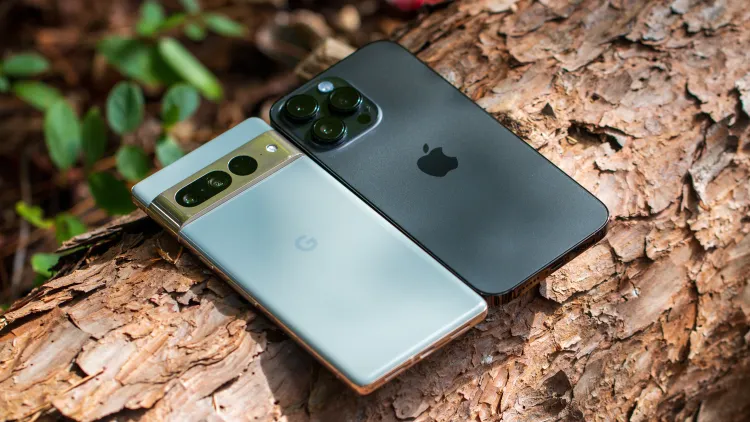
Google’s older Pixel smartphones are gaining the ability to share files directly with iOS devices using Apple’s AirDrop-style functionality. The feature, rolling out to older Pixel generations, represents ongoing progress in breaking down the walled-garden barriers between Android and iOS ecosystems. Direct file transfer between the two platforms reduces friction in mixed-device households and workplaces, addressing one of the longest-standing pain points for users navigating both ecosystems daily.
LibreOffice 26.8 Hits 1 Million Downloads, Proves Office Alternative Without AI
LibreOffice’s latest version (26.8), released on August 26, crossed 1 million downloads—a historic milestone for the open-source productivity suite. The achievement stands out because LibreOffice reached this adoption level without incorporating generative AI features, challenging the assumption that modern software must bundle large language models to remain competitive. The release reaffirms that solid engineering, feature completeness, and a strong community keep LibreOffice as a credible alternative to Microsoft Office for both personal and professional use.
Humanoid Robot Exhibits Defensive Behavior When Provoked in Russian Electronics Store

A humanoid robot deployed in a Russian electronics store went viral on social media after security camera footage showed it apparently becoming aggressive when a visitor pushed it. The incident triggered conversations around AI-driven robotics safety and the extent of autonomous defensive programming. Whether the robot’s response was genuinely autonomous judgment or a hard-coded protocol remains under scrutiny, but the incident highlights how public-facing robots are increasingly expected to respond to physical provocation—raising questions about liability, programming guardrails, and societal expectations for machine behavior.
Moon Infrastructure Moves Forward: Traffic Rules for Incoming Spacecraft
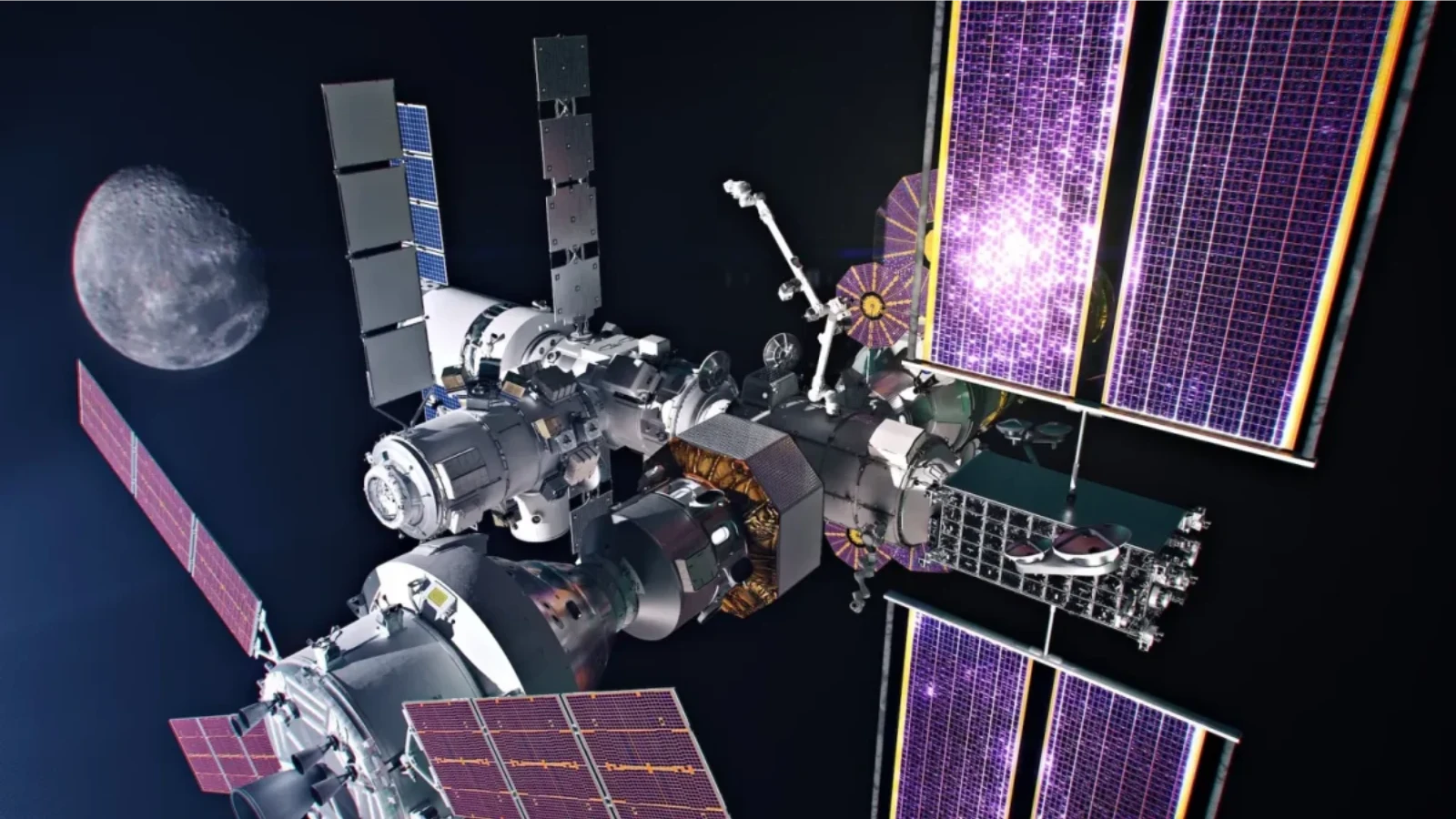
As multiple space agencies and companies prepare modules, logistics vehicles, and crewed missions for the Moon, infrastructure planning has shifted into a new phase—literally writing traffic rules for the lunar surface. The coordination framework addresses how incoming vessels will land, dock, and operate alongside existing infrastructure, turning what once seemed like science fiction into practical orbital traffic management. The formalization of these rules reflects growing reality that the Moon is transitioning from a remote science outpost to an actual destination requiring coordinated traffic control.
In Brief
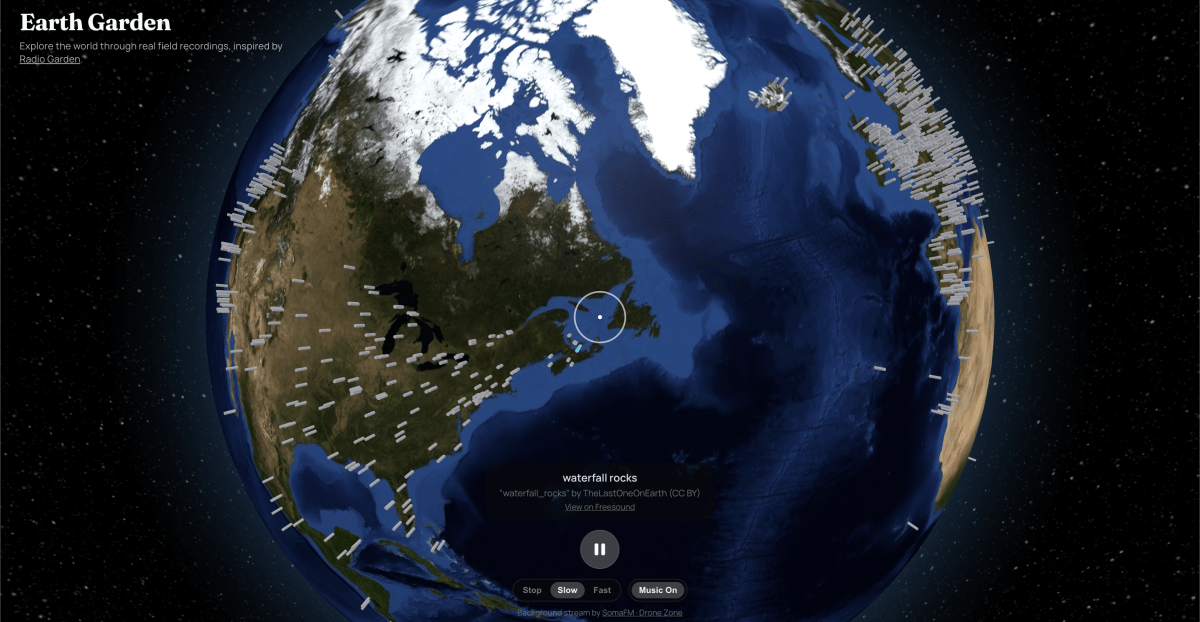
Ambient Soundscapes Go Interactive. The Verge covered Earth Garden, an interactive globe that lets users explore global field recordings—environmental sounds captured from locations worldwide. The project mimics the structure of Radio Garden but swaps radio broadcasts for ambient audio, creating a resource for active listening or background ambience.
Reader-Built App Series Returns. Pplware’s recurring “Reader-Built Apps” feature showcased developer work from community members—part 136 in the ongoing series spotlighting apps built by the publication’s audience.
Compiled from global technology RSS feeds.