Tech News Roundup — September 5, 2026 (PM)
This edition covers Microsoft’s strategic retreat from cloud gaming, new life in autonomous vehicles, advancing GPU support, and AI-driven household technology — all shaped by the ongoing competition for processor resources between consumer gaming and AI infrastructure.
Cloud Gaming’s Limits
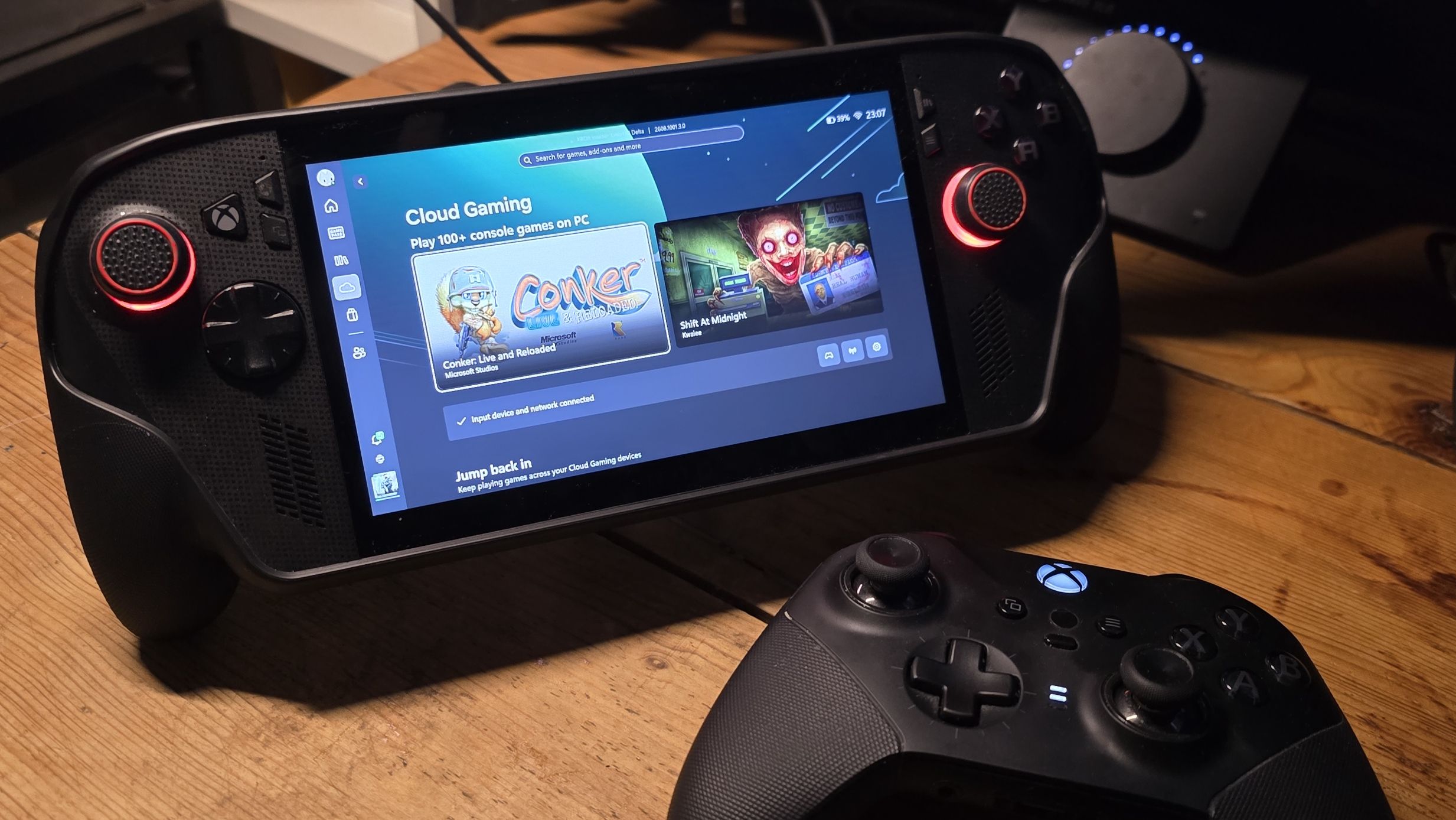
Xbox Cloud Gaming faces severe hour caps as Microsoft prioritizes AI. Starting November 2026, Microsoft will cap Xbox Game Pass users at 15 hours per month on Ultimate tier, 10 hours on Premium, and 5 hours on Essential — a dramatic shift from the previous unlimited service. The company justifies the restrictions by noting that beyond 15 hours monthly, Xbox Cloud Gaming loses money when Azure server space could be allocated to AI workloads. This impacts roughly 4% of Game Pass subscribers (over one million players) and coincides with major Xbox layoffs and restructuring aimed at returning profitability to the division. Rival NVIDIA GeForce Now, by contrast, offers 100 hours per month on its highest tiers, though with lower overall library depth. The change underscores the resource crunch where major cloud providers are reallocating compute to generative AI rather than sustaining consumer services.
Robotaxis Enter Public Consciousness — and Controversy
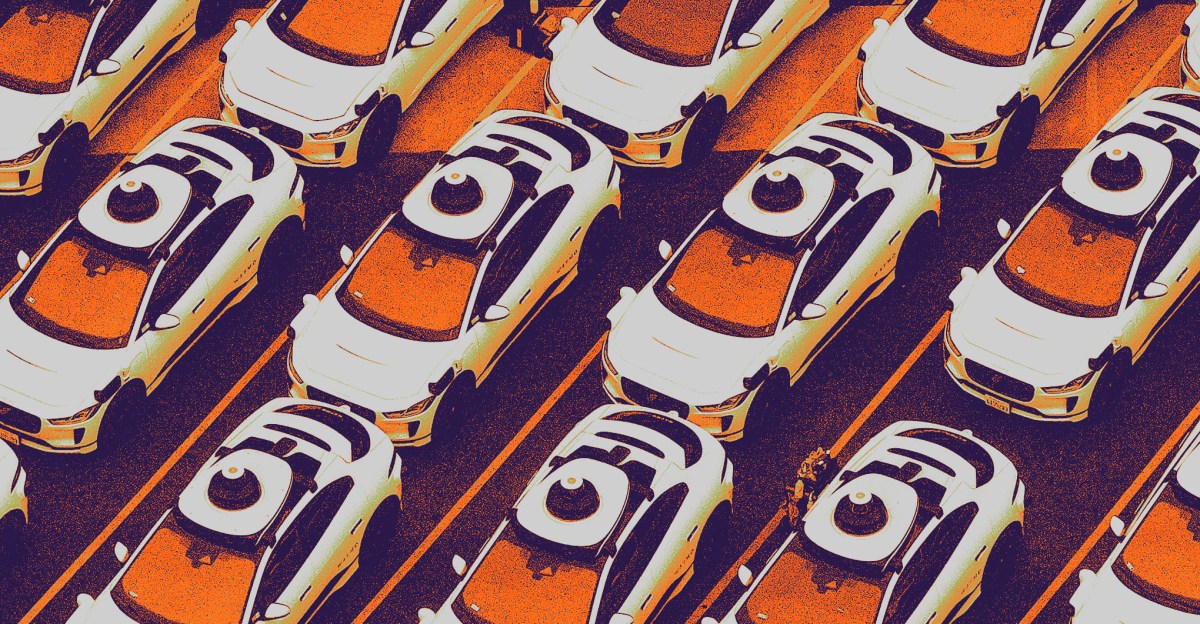
Autonomous vehicle deployments spark viral backlash and cultural friction. As Waymo and other robotaxi services expand into major cities, public perception has shifted from novelty to active hostility in some communities. Viral videos showing drivers and pedestrians interacting negatively with autonomous vehicles — from traffic disputes to coordinated protests — signal that the deployment phase has entered a new social reality. Unlike earlier tech rollouts, robotaxis are not private consumer devices but shared infrastructure operating on city streets, creating immediate friction between autonomous systems and existing traffic culture. The emergence of street-level resistance (captured in viral short films and social media) reveals a gap between engineers’ timelines and public readiness for driverless vehicles in daily urban life.
GPU Drivers and Linux Kernel Advances
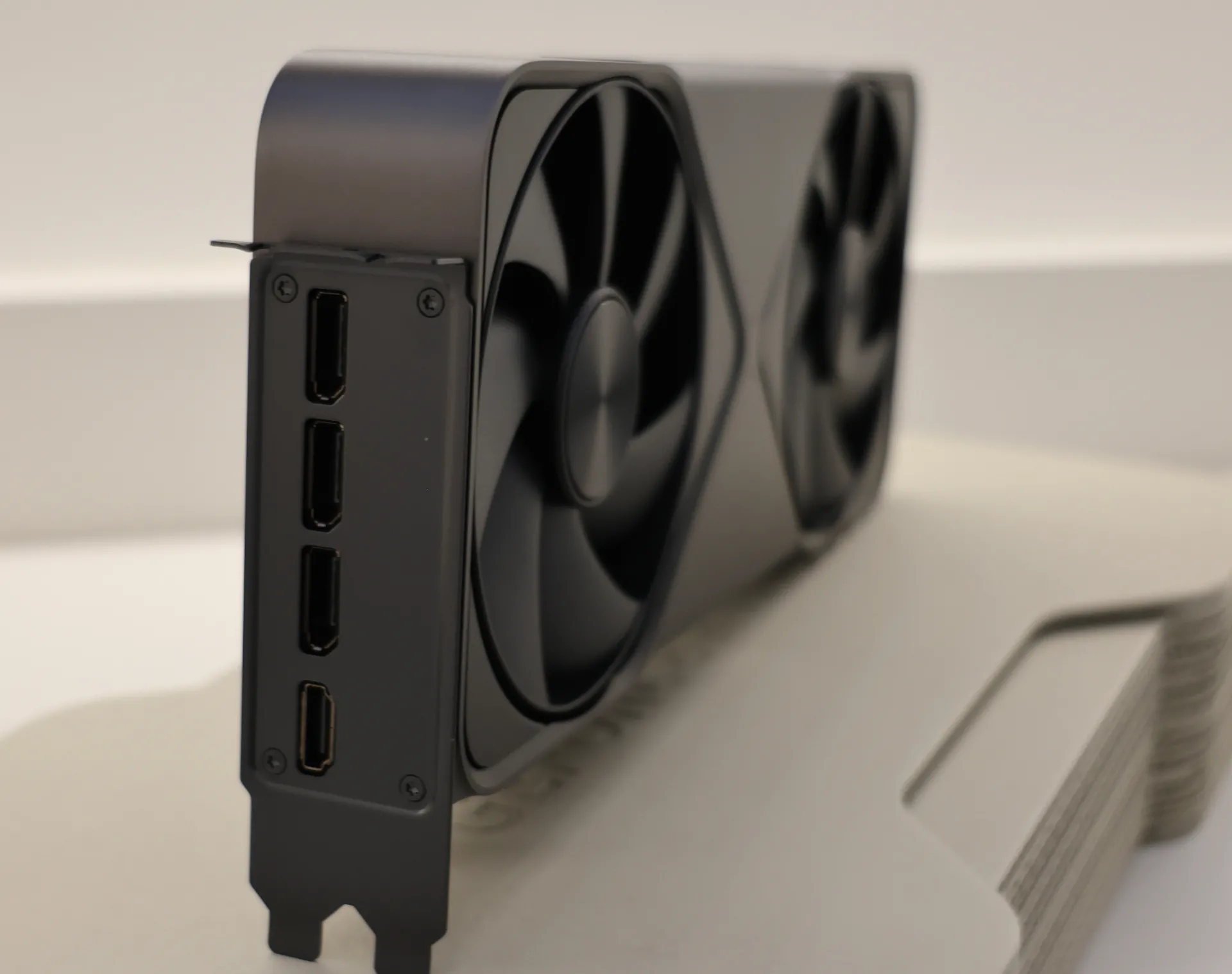
Open-source GPU support accelerates for new silicon. The Nouveau driver project has landed display fixes for NVIDIA’s Blackwell GPUs, advancing HDMI 2.1 support and bringing the Linux ecosystem closer to full hardware capability on cutting-edge NVIDIA platforms. Simultaneously, Linux kernel patches are being posted for the Apple A18 Pro and MacBook Neo, enabling early-stage device-tree and power-management support. AMD is pushing Rust adoption deep into the GPU stack to improve safety and maintainability of driver code, signaling a broader industry shift toward memory-safe systems programming. These parallel advances in kernel support and driver development reflect the maturation of open-source GPU integration — what once lagged consumer hardware now ships within weeks of new silicon announcements.
AI Enters the Smart Home
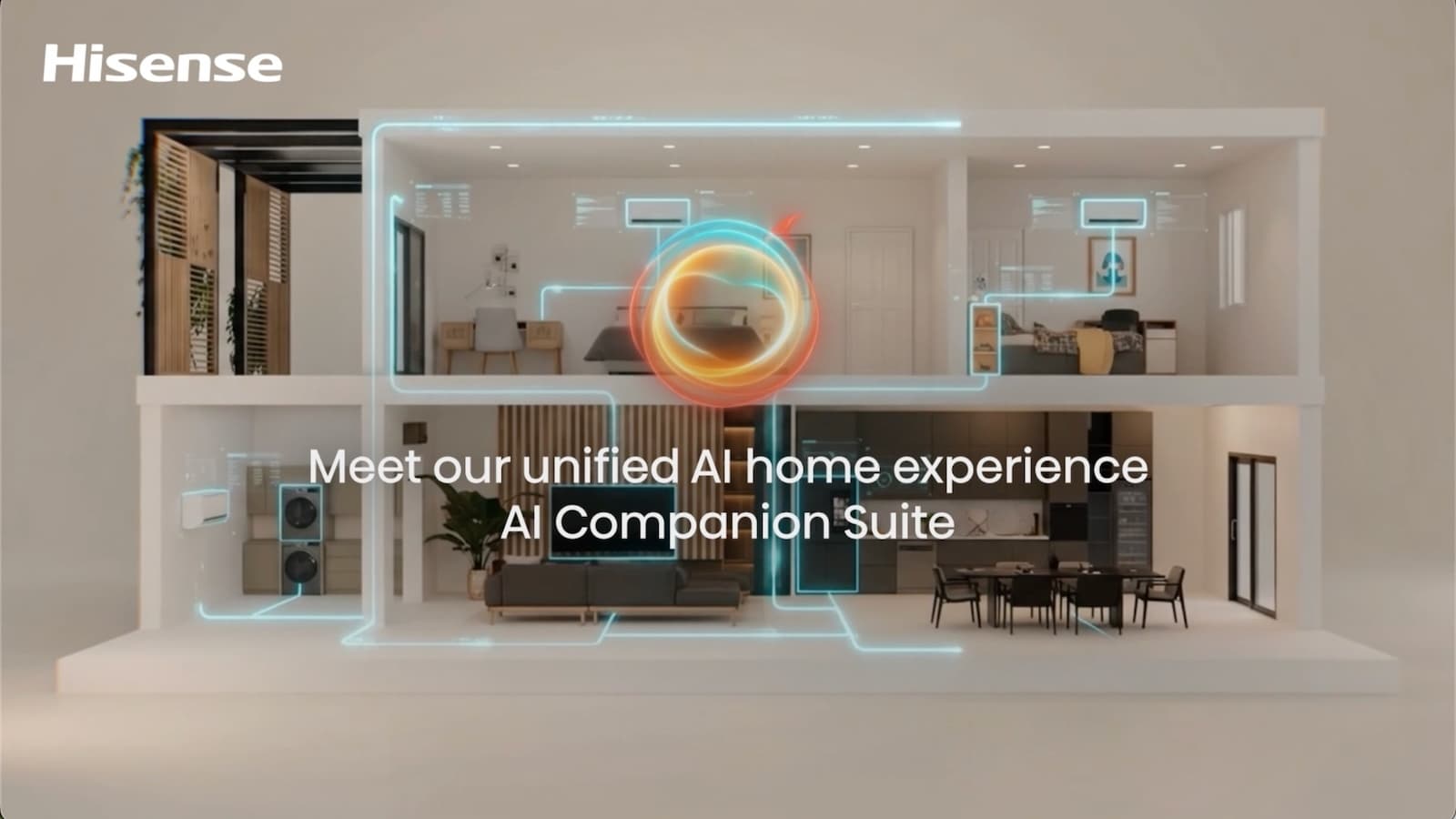
Major appliance makers integrate AI assistants into household devices. Hisense announced a new partnership at IFA 2026 and presented its vision of an AI-driven smart home where appliances communicate with central AI systems for predictive maintenance, energy optimization, and user assistance. The company is also partnering with Euro 2028 organizers, suggesting integration of AI features across consumer sports infrastructure. This reflects a broader industry shift where dishwashers, refrigerators, televisions, and washing machines will become edge nodes for household AI — shifting the smart home paradigm from isolated app-controlled devices to integrated, AI-mediated ecosystems.
Apple Silicon Reaches Linux
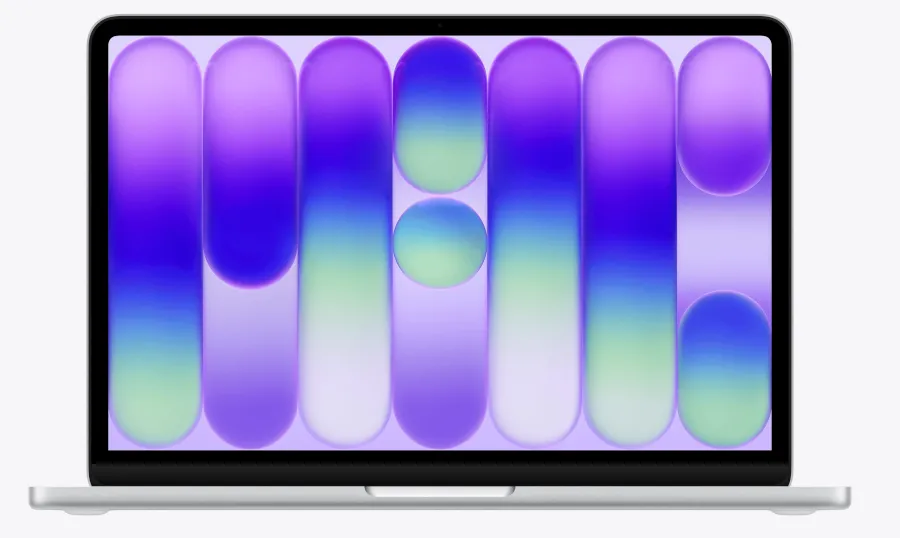
Linux kernel patches enable full support for Apple A18 Pro and new MacBook models. The Linux community has begun posting device-tree and kernel initialization patches for Apple’s latest silicon, the A18 Pro, and the forthcoming MacBook Neo. This represents the standard pattern of open-source operating systems gaining support for new Apple hardware — historically these patches appear within weeks of announcement, driven by developer interest and community reverse-engineering. Early enablement patches typically cover CPU/GPU initialization, power management, and display interfacing, with full optimization following over subsequent kernel releases.
AI Training Data and Legal Boundaries
OpenAI acknowledges unauthorized data usage from German Wikipedia. [The Verge] reported that OpenAI admitted to an “incident” involving the use of German Wikipedia content in training datasets without explicit permission or notification. The company’s response to the issue remains minimal, suggesting a pattern where AI vendors gather training material from public sources and handle legal/ethical pushback retroactively. This continues a broader tension between LLM training practices and content licensing — European regulators have been more aggressive on this front than US authorities, and the German Wikipedia incident may trigger additional privacy and attribution scrutiny.
Data Security Failures

Major data breach in Berlin exposes terabytes of sensitive information after ransomware refusal. A significant cyberattack in Berlin resulted in the exposure of several terabytes of data when the city reportedly refused to pay a ransom demand. The incident underscores the ongoing challenge facing municipal IT infrastructure: inadequate defenses against coordinated ransomware operations and insufficient disaster recovery protocols. The leaked data volume suggests either a months-long compromise or a system architecture that consolidated vast amounts of sensitive information in accessible storage — a critical infrastructure failure with implications for other European municipalities facing similar threats.
In Brief
- Volkswagen signals possible SEAT brand discontinuation after 2030 as the automaker restructures its European lineup under AI and EV pressure.
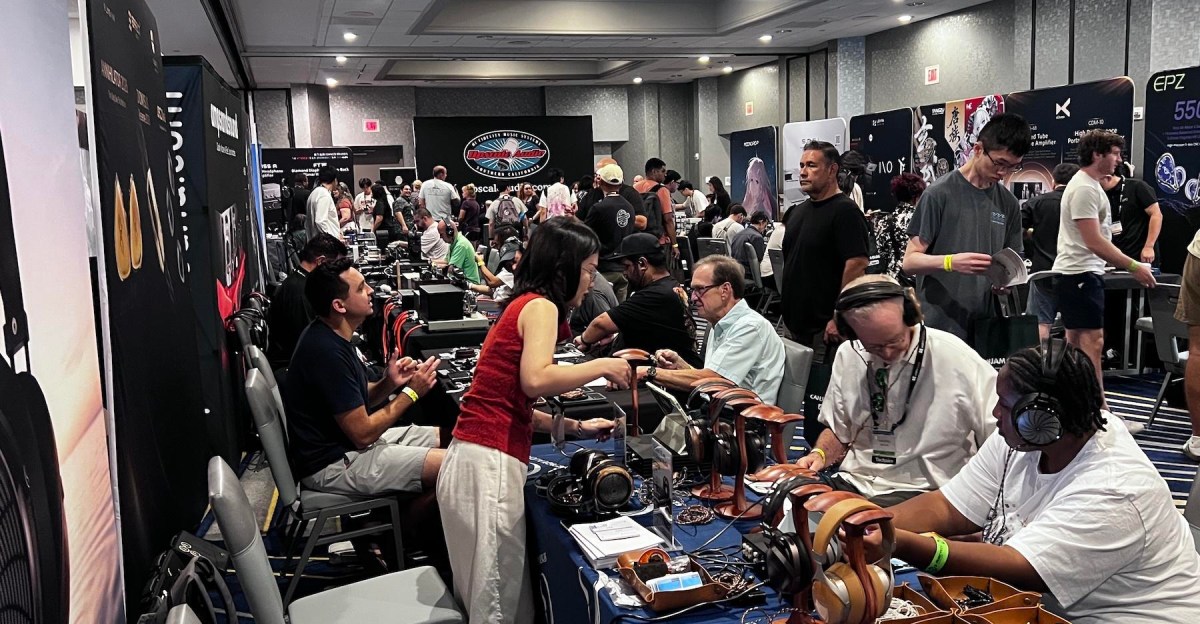
- CanJam 2026 showcases exotic headphone designs, highlighting the persistence of specialist audio equipment markets even as consumer audio increasingly consolidates around TWS buds and gaming headsets.
Compiled from the configured RSS feed.