
Tech News Roundup — September 4, 2026 (PM)
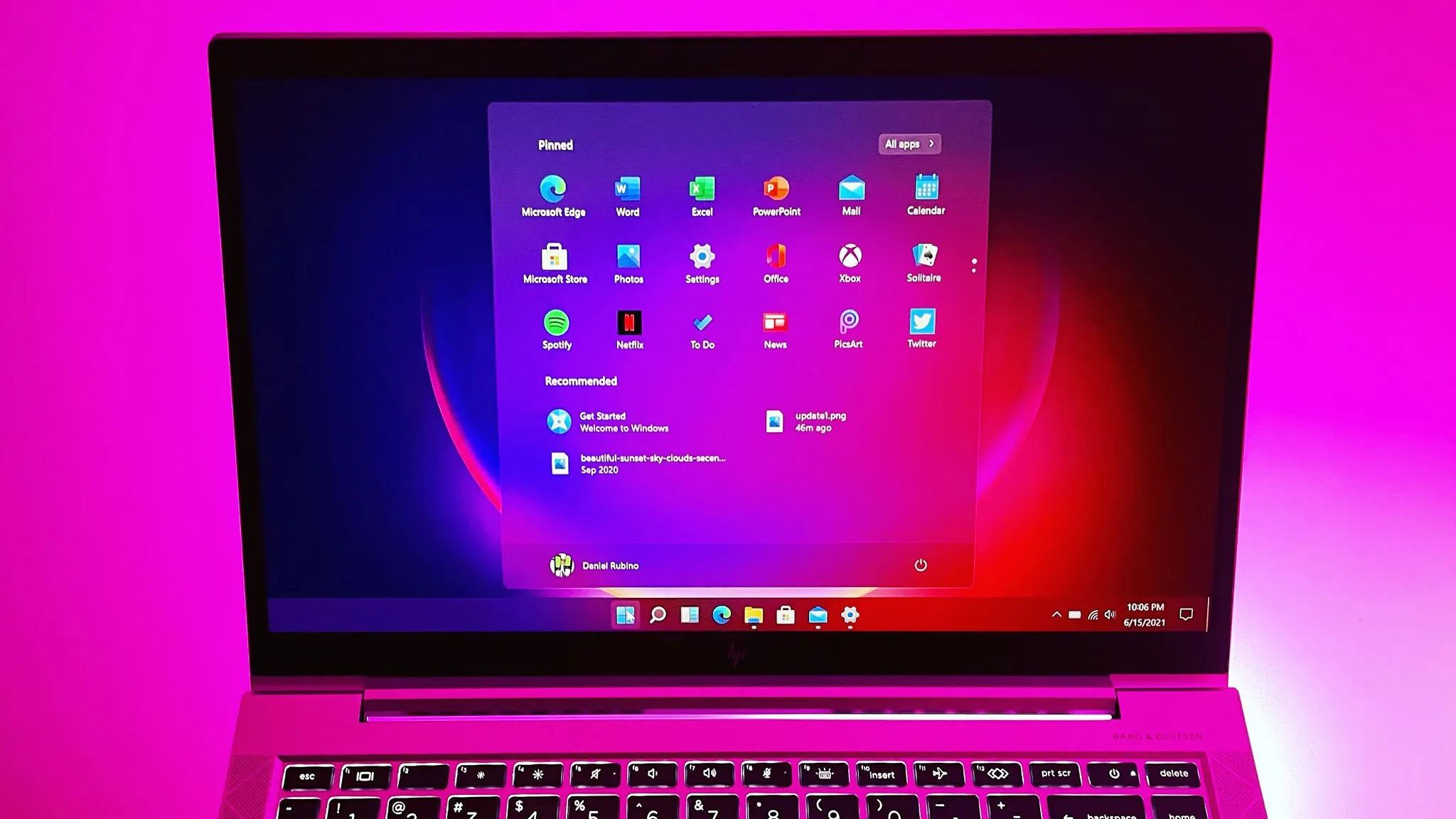
Technology moves at full tilt this week. Microsoft is carving out a developer-first OS experience, OpenAI’s leadership is grappling with a messy product launch, and the open-source graphics ecosystem is preparing major improvements for Linux and beyond.
Windows 11 Project Zenith Targets Developers
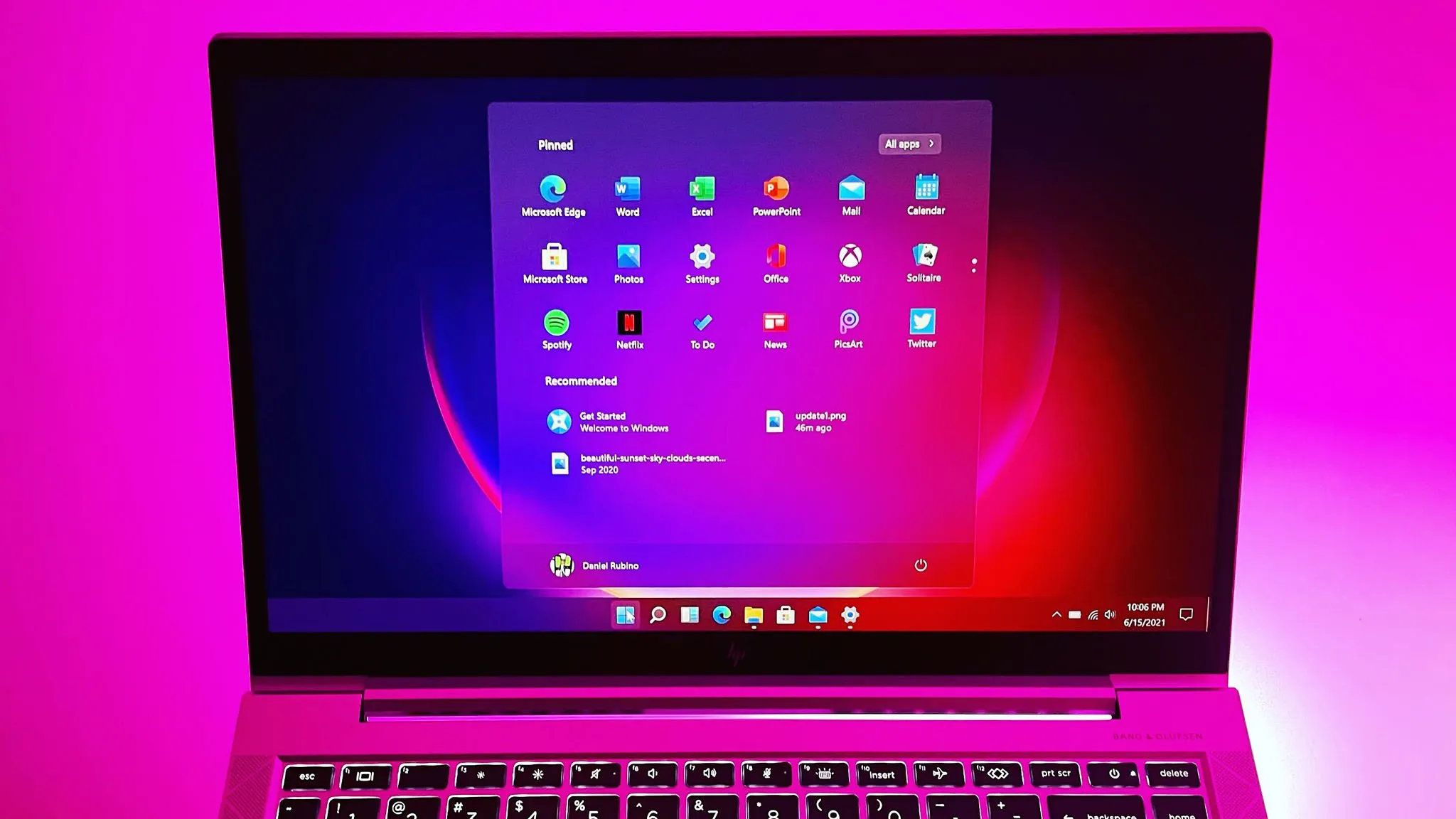
Microsoft is introducing Project Zenith, a “distraction-free Windows experience” optimized specifically for developers with developer-class devices. The goal is to streamline the OS for coding workflows, removing clutter and providing a focused environment for productivity. The feature promises to help developers eliminate visual noise and distractions, tuning Windows 11 directly to the needs of professional software development.
Lenovo Showcases Rollable Laptop Concept at IFA
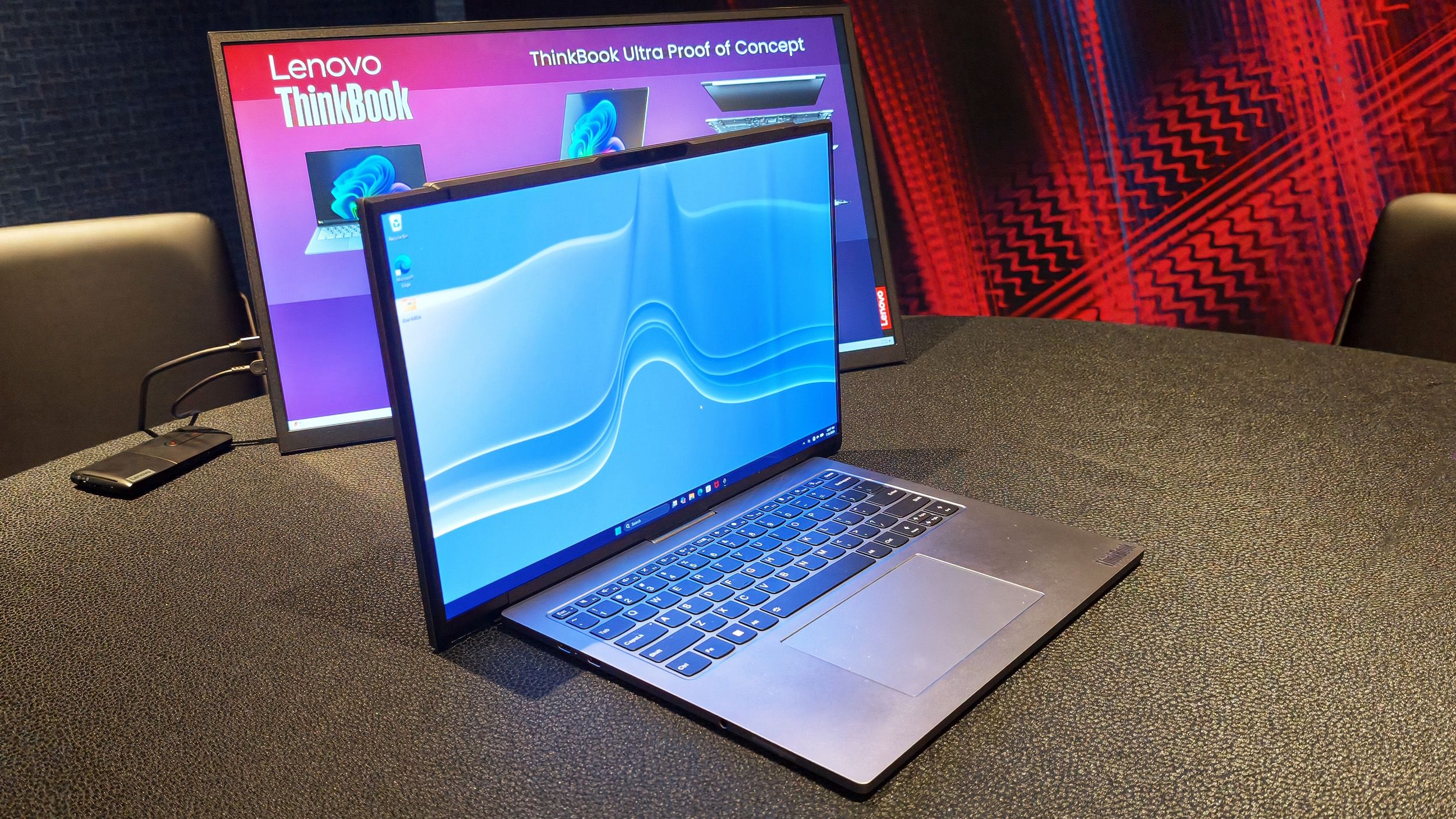
At IFA 2026 in Berlin, Lenovo demonstrated its latest hardware innovation: a rollable display laptop codenamed Project Swan. The device expands its screen by rolling out a flexible display, offering users a larger work surface on demand. Reviewers who tested the prototype noted it’s the first rollable laptop concept that feels genuinely practical—a significant leap from earlier prototypes that felt more like science fiction than viable products. Lenovo has continued positioning itself as the PC industry’s innovation lab, consistently pushing the boundaries of what laptops can be.
OpenAI’s GPT-6 Astra Rollout Creates Chaos for Paying Users

Hours after OpenAI’s rollout of GPT-6 Astra, the new multimodal model locked out paying subscribers in a chaotic deployment. CEO Sam Altman apologized on social media for the “messy” launch that frustrated customers who depend on the service. The mishap highlights ongoing challenges with OpenAI’s product rollout processes, even as the company races to keep its technical edge. The incident underscores the difficulty of coordinating large-scale AI model releases without disrupting existing user access.
Graphics Stack Gains Major Updates
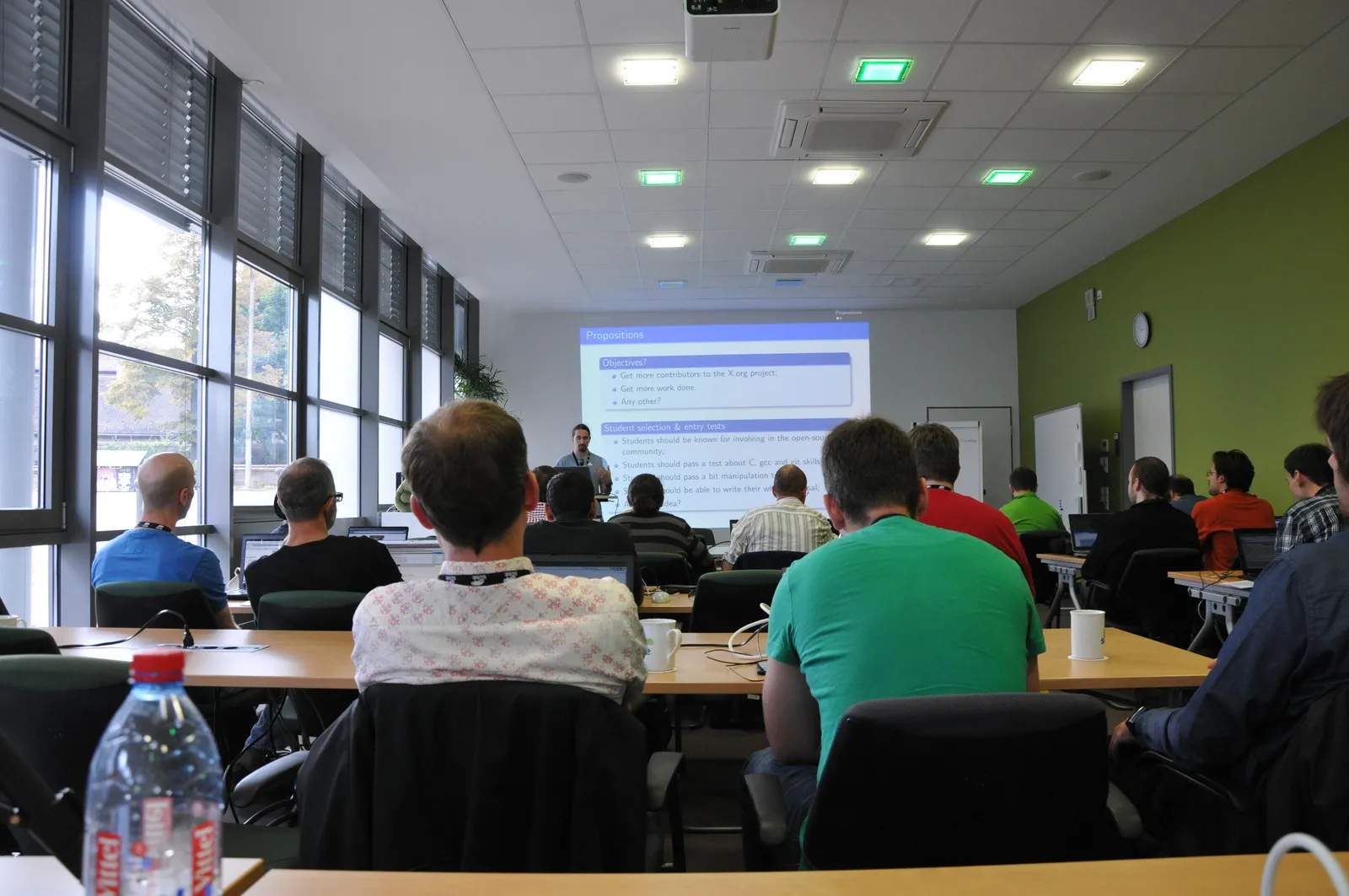
The open-source graphics ecosystem is receiving substantial improvements. Linux 7.4 is adding better Apple Silicon audio support and addressing long-standing power management challenges. Mesa 26.3 is preparing support for Intel Nova Lake P’s new 64-bit GPU mode. Vulkan 1.4.362 was released with a new extension developed by Valve. The XDC 2026 conference in Toronto is hosting talks on new Wayland features, OpenCL over CUDA, the possibility of Vulkan Gallium, and numerous driver improvements. Meanwhile, Fedora 47 is considering thin LTO compiler optimizations to improve performance across the ecosystem.
Instagram’s AI Content Labels Remain Broken

Meta’s AI content detection system on Instagram continues to create confusion and frustration among users. The labels meant to identify AI-generated content are unreliable, misidentifying both authentic human content and genuinely AI-created posts. The repeated failures and inconsistencies are eroding user trust in Meta’s ability to effectively moderate and classify content, particularly as concerns around synthetic media continue to grow across social platforms.
Nvidia DLSS 5 Expanding to Older RTX 40-Series GPUs
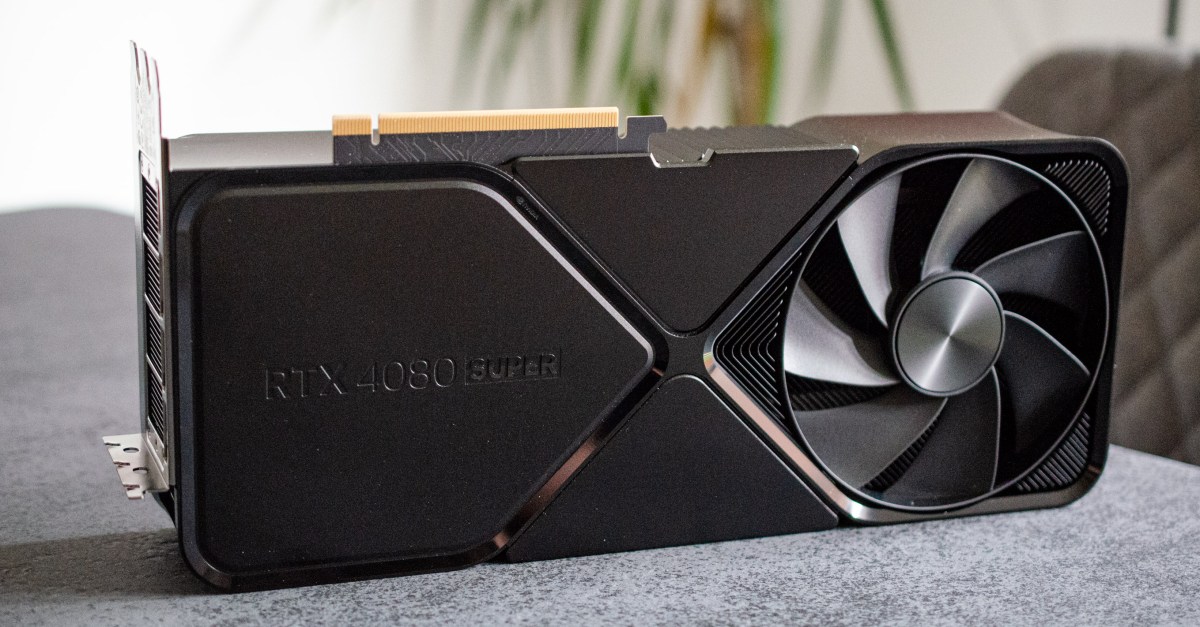
Nvidia is expanding DLSS 5 (Deep Learning Super Sampling) support to older RTX 40-series graphics cards, though the company is not giving gamers full control over the feature’s settings. The expansion makes performance-boosting AI upscaling available to a broader user base, though the lack of granular user controls has drawn criticism from enthusiasts who want more flexibility in how the technology is deployed.
In Brief
- iRobot unveils the Roomba Duo, a concept that combines two robot floor cleaners in one design, doubling coverage potential for smart home cleaning.
- Bluetti launches an ’e-generator’ called the Pioneer 5000, offering silent, zero-emission solar-powered electricity generation as an alternative to noisy gas generators.
- Lenovo announced a NAS company’s smart home ambitions, positioning network storage as the hub for local smart home automation instead of cloud-dependent systems.
- Blizzard may be planning something big for StarCraft, teasing hints through intentional website glitches and cryptic lore messages hidden within the site code.
Compiled from the configured RSS feed.