
Tech News Roundup — September 4, 2026 (NOON)

Major AI platforms went offline nearly simultaneously this morning, impacting millions of users globally. TCL’s innovative hybrid display technology made its market debut, while consumer robotics and smart home devices continued their rapid evolution across multiple manufacturers.
AI Services Outage Hits ChatGPT, Grok, and Claude

Multiple AI platforms went down simultaneously. OpenAI’s ChatGPT, Anthropic’s Claude, and xAI’s Grok all experienced service disruptions at approximately 11 AM ET, affecting core functionality including conversations, file uploads, voice mode, image generation, and deep research features. OpenAI reported elevated errors across ChatGPT and Codex, while the company applied mitigations and monitored recovery efforts. Degraded performance persisted for users attempting to access the platforms. The incident underscored the interdependencies among major AI service providers and the potential for cascading outages when multiple platforms experience issues simultaneously.
Google’s AI Weather Model Shows Significant Improvements

Google’s machine learning forecasting tool delivers more accurate predictions. The search giant’s GraphCast weather model, which uses satellite imagery and machine learning, is producing improved forecast accuracy compared to traditional meteorological methods. The latest updates to the AI model demonstrate Google’s ongoing investment in applying machine learning to environmental prediction and climate-related challenges.
TCL’s Nxtpaper Phone Bridges E-Reader and OLED Screens

TCL unveiled a breakthrough smartphone combining e-reader and OLED display technologies. The new Nxtpaper phone features a hybrid screen that can shift between high-contrast e-reader mode for reading and traditional OLED mode for color content and multimedia. This dual-display approach addresses the long-standing tradeoff between readability and visual richness, potentially creating a new device category for users prioritizing battery life and eye comfort alongside vibrant multimedia experiences.
DJI Robovac Adds Obstacle-Climbing Capability and Enhanced Privacy
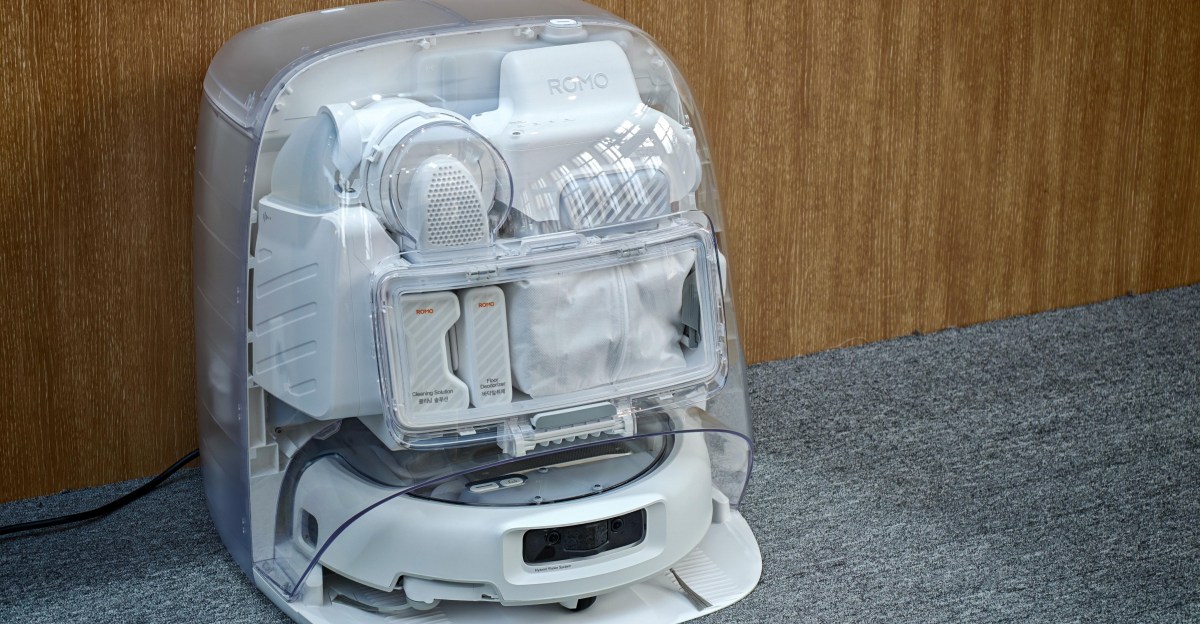
DJI introduced a robovac capable of navigating obstacles with improved data protection. The new Romo 2 robovac features mechanical legs enabling it to climb over thresholds and obstacles, addressing a persistent limitation in autonomous vacuum design. The device also includes a local data mode that keeps operation and sensor data on-device rather than transmitting to cloud servers, directly responding to privacy concerns raised by consumers regarding household robotics data collection.
SwitchBot Retrofit Door Lock Offers Expanded Unlock Methods

SwitchBot expanded its smart lock lineup with a retrofit solution providing 19 unlock options. The SwitchBot Lock Ultra Max retrofit door lock integrates with multiple smart home ecosystems and authentication methods, including mobile app, voice assistant, biometric, and physical key options. The retrofit design enables existing door installations without replacement, broadening accessibility for consumers seeking smart lock integration without major renovations.
Tesla Launches Cybercab Robotaxi Amid Muted Market Response
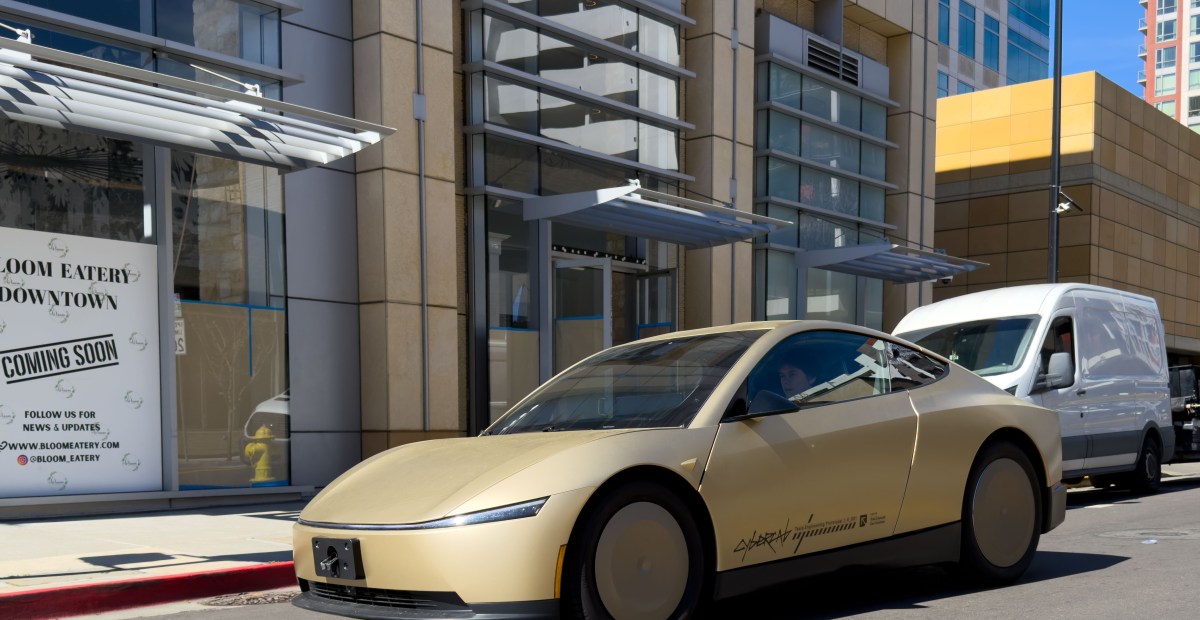
Tesla unveiled its autonomous robotaxi vehicle in Austin, though market enthusiasm remained measured. The Cybercab launch event revealed Tesla’s vision for autonomous transportation, though industry observers noted a more subdued public response compared to prior Tesla vehicle announcements. Regulatory hurdles and existing competition from established autonomous vehicle programs continued to shape perceptions of the market opportunity, even as Tesla emphasized its technological and operational advantages in autonomous driving systems.
DLSS 5 Extends Backwards Compatibility While Preserving Developer Control
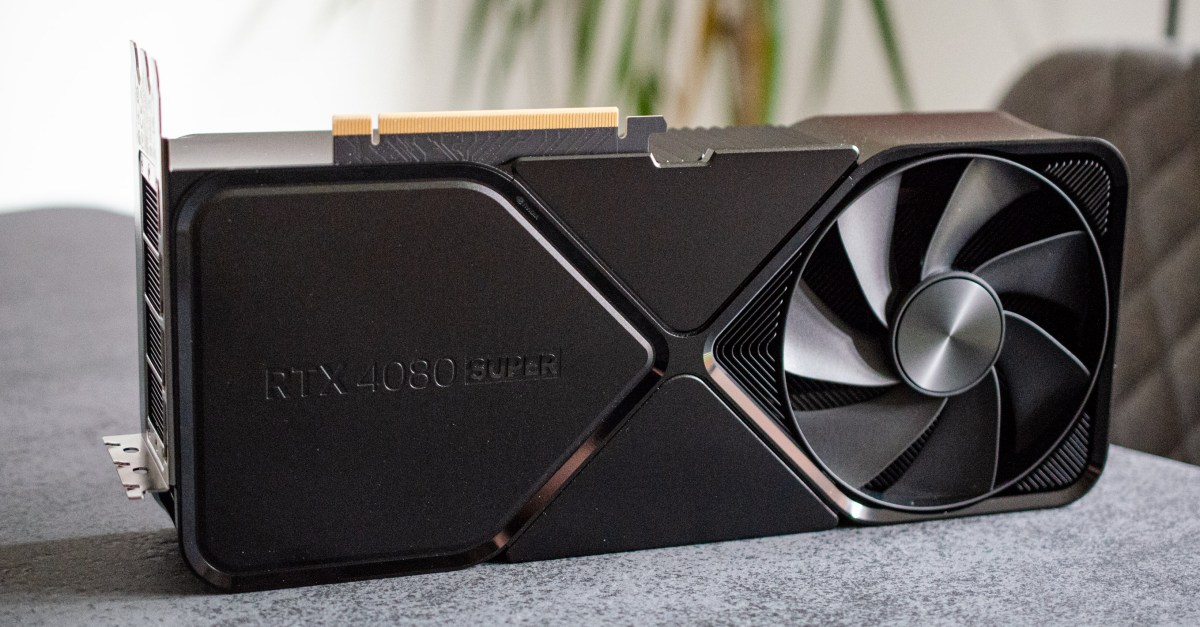
Nvidia officially brought DLSS 5 support to older RTX 40-series GPUs, though with limited user customization. The latest version of Nvidia’s Deep Learning Super Sampling technology now supports graphics cards from the prior generation, expanding the user base for enhanced performance and image upscaling. However, Nvidia opted to restrict user-level control settings, maintaining tighter management of the upscaling parameters in exchange for guaranteed compatibility and performance on legacy hardware.
Compiled from the configured RSS feed.