
Tech News Roundup — September 4, 2026 (AM)
Major tech vendors are shipping updated laptops and cloud gaming is facing bandwidth constraints. This morning’s headlines center on competitive notebook launches, generative AI expansions, and infrastructure changes from platform giants.
Lenovo IdeaPad Vibe takes aim at MacBook Neo
Lenovo is launching the IdeaPad Vibe as a direct competitor to Apple’s MacBook Neo, matching its sub-$700 starting price while expanding the color palette to seven options. The productivity-focused laptop comes in 14- and 15-inch configurations with AMD Ryzen and Qualcomm Snapdragon X processors arriving in October and November respectively; Intel Wildcat Lake versions are planned for later. Lenovo’s seven colors — dreamy violet, spicy gold, zen green, chill blue, radiant coral, moody blue, and lowkey gray — exceed Apple’s four-color MacBook Neo lineup, with custom orders available directly from Lenovo.
Nvidia RTX Spark arrives with Blackwell GPU and Grace CPU
Nvidia’s Arm-based RTX Spark N1X chip is reaching laptops in October with configurations paired to either the 6144-core Blackwell RTX GPU or high-end miniature PCs. The top-tier N1X combines 20 Grace CPU cores with up to 128GB unified memory, shipping in both high-end laptops and Microsoft’s Surface RTX Spa Dev Box form factor. The consumer N1X configurations will launch first; Nvidia’s lower-power N1 chip is deferred to 2027. The RTX Spark represents a significant shift toward Nvidia-accelerated consumer computing beyond traditional x86 platforms.
Microsoft slashes Xbox Cloud Gaming allowances by up to 97%
Microsoft is implementing sweeping caps on Xbox Cloud Gaming starting November, ending the year-long unlimited access rollout. Subscribers will face hourly limits: Game Pass Ultimate drops to 15 hours monthly, Premium to 10 hours, and Essential to just 5 hours. Xbox executives acknowledge the change “will impact four percent of the player base,” marking a reversal after opening cloud gaming across all Game Pass tiers. The shift reflects platform licensing constraints and cloud infrastructure costs that unlimited tiers cannot sustain profitably.
OpenAI launches GPT-6 Astra, marking entry into AGI territory
OpenAI has unveiled Astra as its most advanced and intelligent AI model to date, with the company framing the launch as a milestone toward artificial general intelligence (AGI). The model integrates multimodal capabilities and improved reasoning across text, code, and domain-specific applications. Astra’s rollout positions OpenAI to further entrench its leadership in generative AI while raising questions about safety protocols and responsible deployment practices for increasingly capable systems. The model will become available through OpenAI’s standard API and subscription tiers.
Google adds real-time voice AI to Gmail, Docs, and Keep
Google is rolling out live conversational AI features across three core productivity apps. Gmail Live enables natural language queries over your inbox without manual searching—ask questions like “when is my kid’s school event?” and Gmail surfaces relevant emails. Docs Live and Keep Live extend the same pattern to document collaboration and note-taking, allowing users to dictate, edit, and retrieve information via voice. The features follow Google’s Gemini Live model and aim to accelerate workflows for users on the move or unable to type.
Linux distributions accelerate with performance-tuned builds
Ubuntu 26.10 Snapshot 3 entered testing this week as the monthly ISO candidate for “Stonking Stingray,” the October release. Concurrent with desktop Linux cycles, Amazon Linux 2027 entered preview with aggressive optimization: built with link-time optimization (LTO), enabled x86-64-v3 CPU extensions as baseline, and powered by Linux 7.1 kernel. The server OS shift toward specialized ISA support and compiler-level tuning reflects growing demand for performance-conscious cloud deployments. Desktop and server Linux are diverging toward their respective workload priorities.
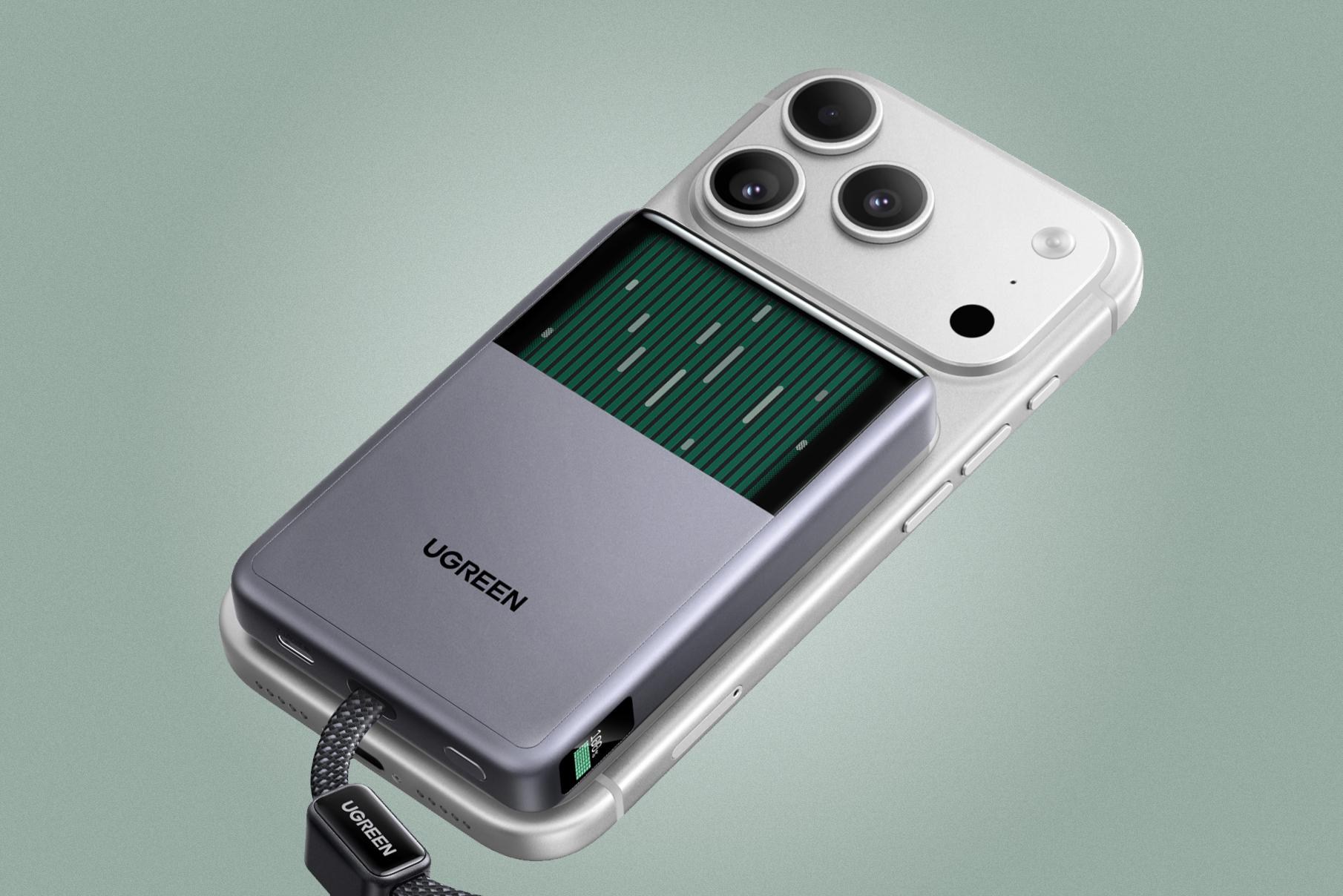
Ugreen’s liquid-cooled power bank enables transparent thermal design
Ugreen’s new MagFlow Pro Magnetic Power Bank ships with the industry’s first integrated liquid-cooling system on a wireless-charging power bank. The $149.99 device houses a micro-pump that circulates coolant to draw heat away from charging components while maintaining a transparent “Cyber Window” so users can watch the fluid flow. With Qi2.2 wireless charging compatibility and a 10,000mAh capacity, the MagFlow Pro targets power users who demand active thermal management alongside mainstream portability. The transparent cooling loop positions the device as a premium accessory blending function and novelty.
Compiled from the configured RSS feed.