
Tech News Roundup — August 30, 2026 (NOON)
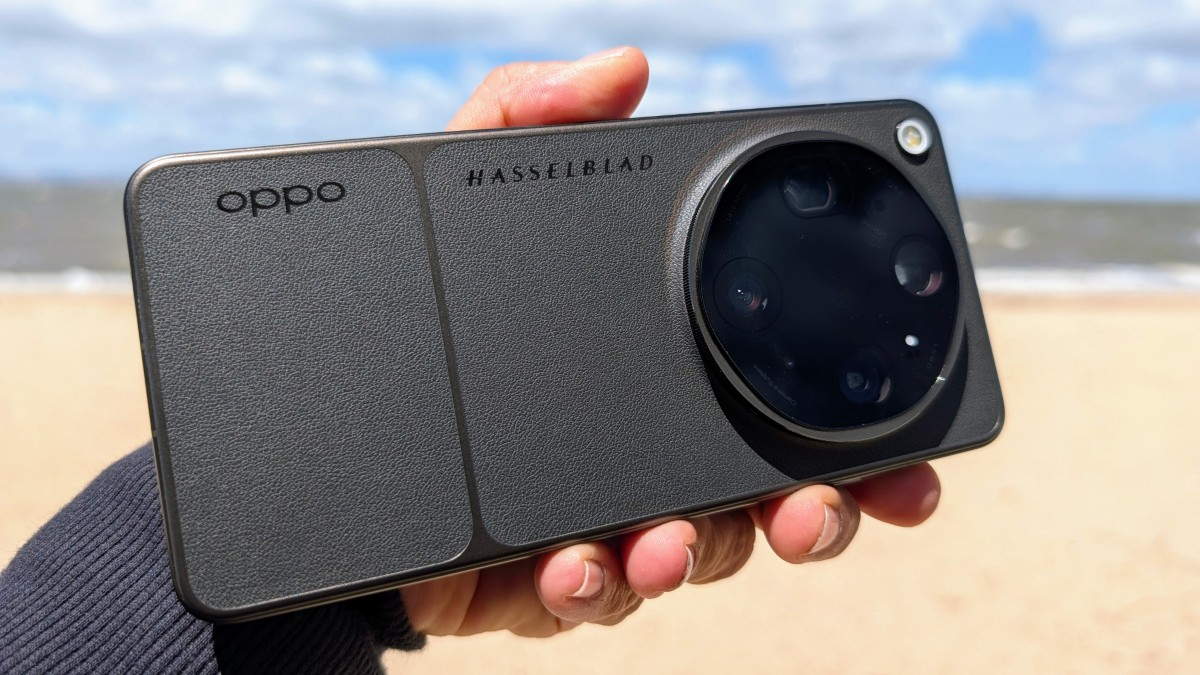
Mobile hardware pushes durability and camera innovation to extremes, while Linux kernel drivers continue their slow march toward mainline integration. OPPO raises the smartphone imaging bar with triple 200MP sensors; Apple’s latest flagship proves its ruggedness in a gravity-defying test.
Android: OPPO Find X10 Pro Max Triple 200MP Sensors
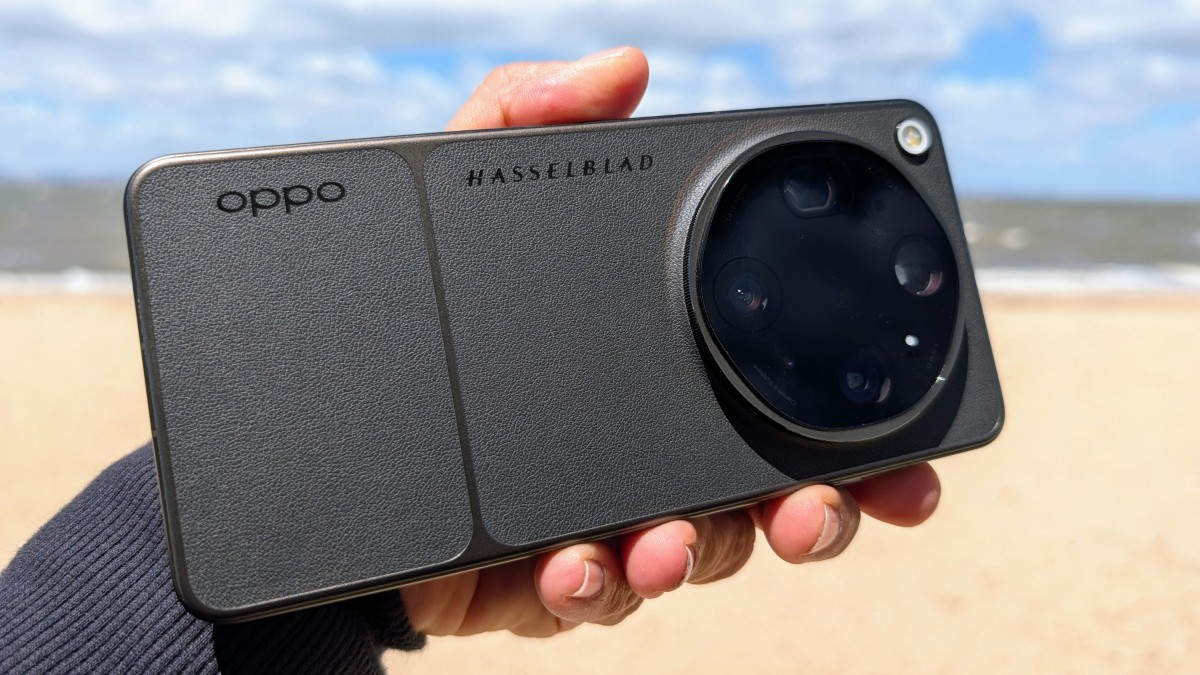
OPPO is preparing a major mobile photography upgrade. The Find X10 Pro Max will feature three 200-megapixel sensors, marking a significant leap forward in smartphone imaging capability. The triple high-resolution array promises to revolutionize the flagship phone segment with unprecedented sensor resolution and computational photography potential.
Apple: iPhone 17 Pro Survives 30km Space Drop
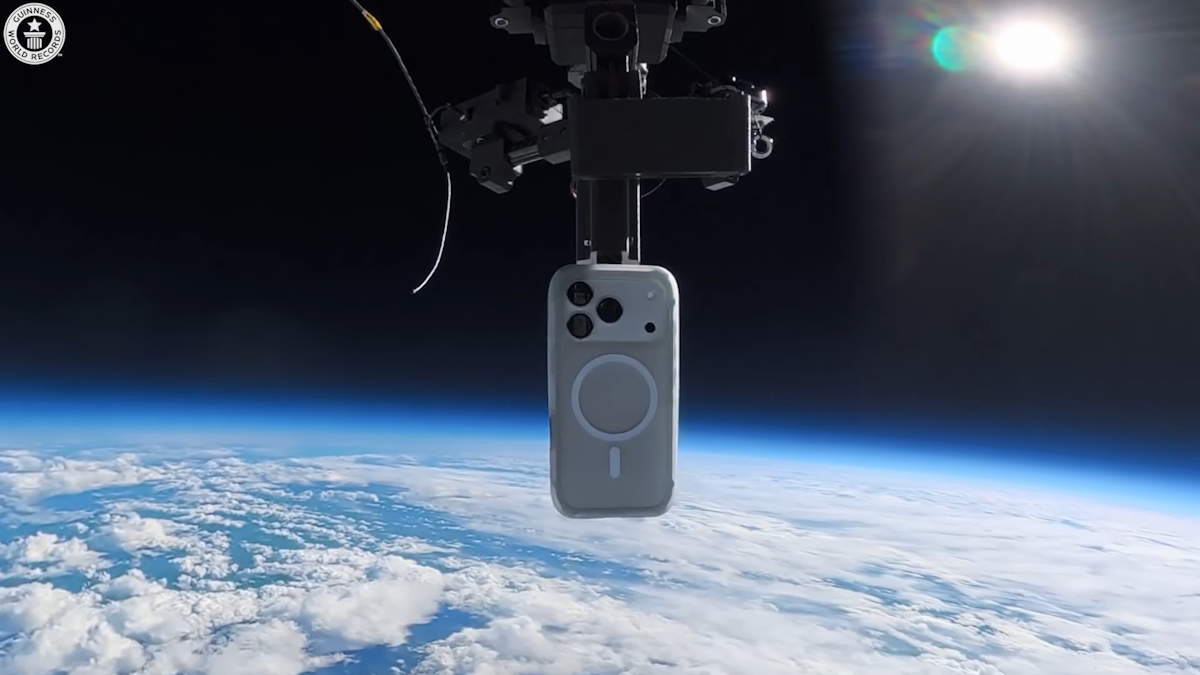
An iPhone 17 Pro dropped from over 30 kilometers in altitude survived the fall intact. The extreme durability test was conducted in northern Sweden by RhinoShield and aerospace company Sent Into Space, resulting in a Guinness World Record for the most extreme iPhone survival. The device’s advanced materials and structural engineering allowed it to withstand the impact and extreme atmospheric conditions.
Linux: RTL8723BS Wireless Driver Continues Active Staging
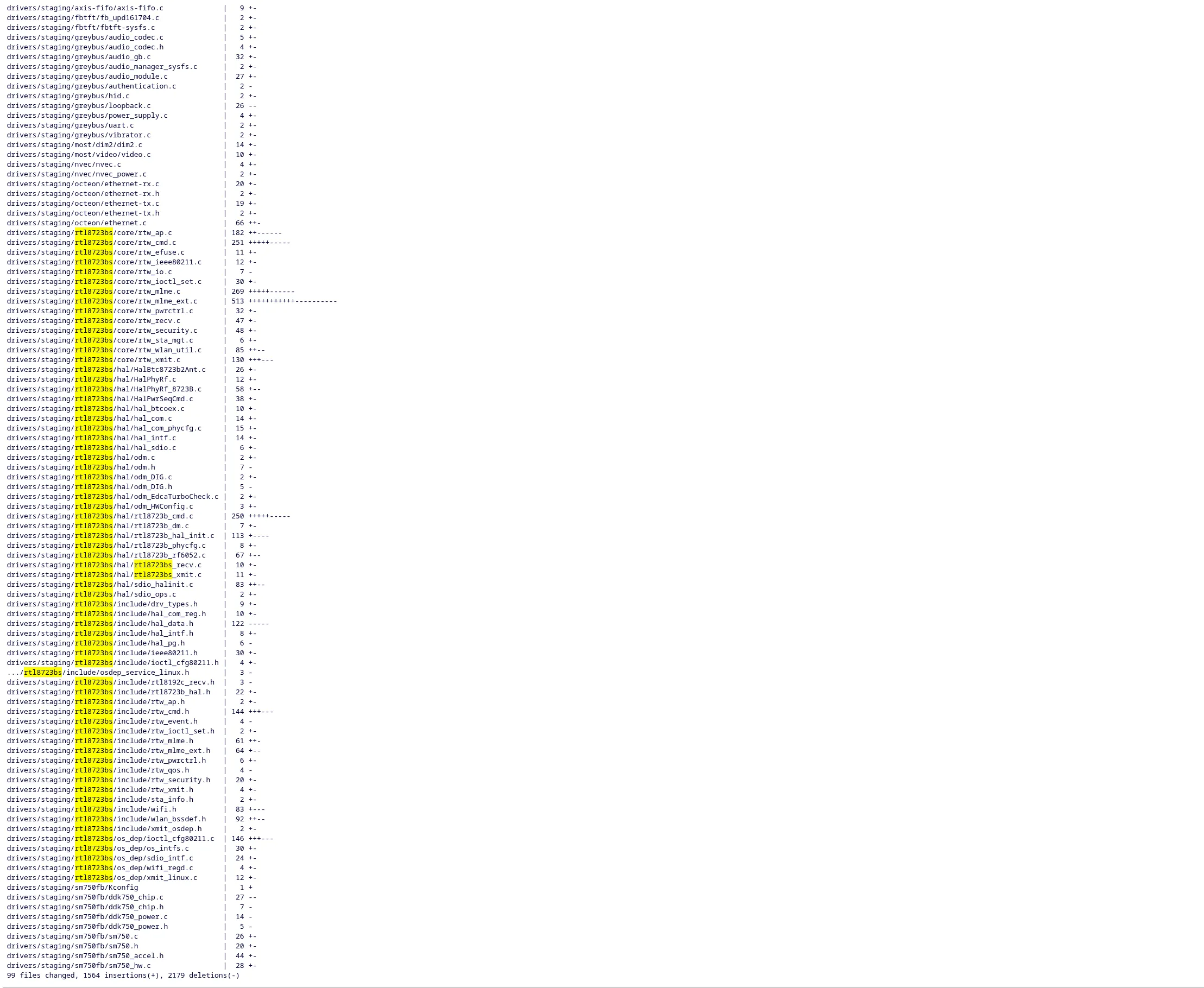
The RTL8723BS wireless driver remains active in Linux’s staging area after 9 years. Originally upstreamed in 2017 for Linux 4.12, the Realtek driver continues to receive frequent code cleanup and improvements as it works toward full mainline integration. It remains a focal point for staging area maintenance despite its longevity.
Artificial Intelligence: AI Agent Granted Crypto Wallet to Earn Autonomously

An AI experiment called Automaton tests the limits of autonomous intelligence by granting an AI agent its own cryptocurrency wallet with operating expenses and a simple objective: earn enough to sustain its own existence. The project explores how far an autonomous AI system can go when given economic resources and self-preservation constraints, raising questions about AI agency and economic independence.
Windows: Update KB5120998 Causes Desktop Regression

A recent Windows 11 optional update is creating problems for users who chose to install it. The KB5120998 patch, corresponding to build 26200.9278, promised improvements but instead introduced desktop environment regressions. Users report that the update has degraded their desktop experience, leading to complaints about stability and functionality.
Compiled from the configured RSS feed.