
Tech News Roundup — August 24, 2026 (NOON)
A steady week of incremental improvements and notable setbacks across developer tooling, consumer OS, mobile security, and AI infrastructure. GNU Emacs reaches version 31.1 with better accessibility; Windows 11 struggles with its reliance on web-based first-party apps; GrapheneOS secures major device support expansion; and humanoid robotics continues its rapid stride forward toward real-world deployment.
GNU Emacs 31.1 Released
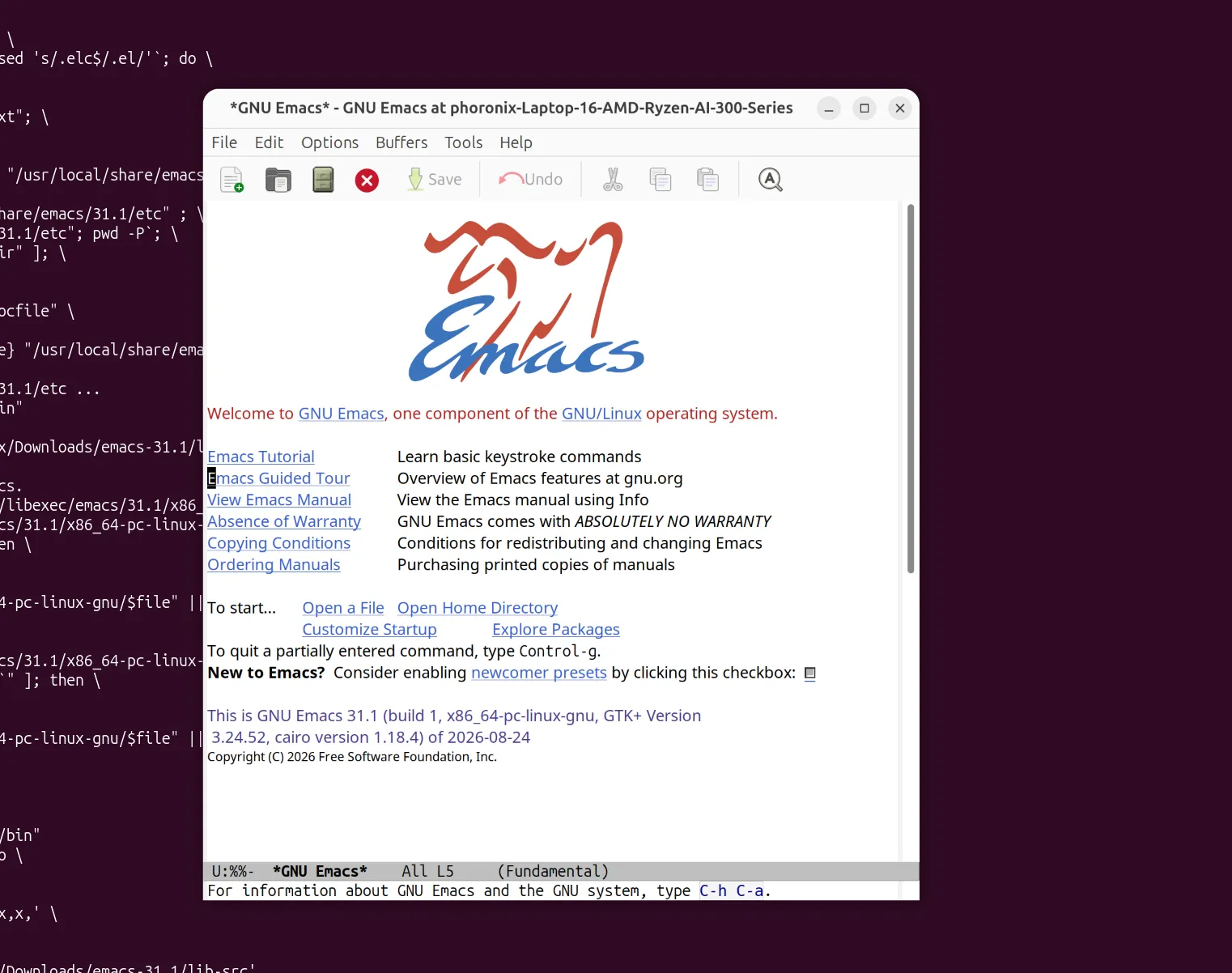
Emacs maintainers ship version 31.1 with mouse control enabled by default and a built-in theme for new users. The latest feature release modernizes the venerable text editor, removing one of the steepest barriers to entry: users no longer need to manually enable mouse support. A new default theme tailored toward beginners rounds out the package, making Emacs more approachable to developers transitioning from modern IDEs. The release does not introduce major breaking changes and remains consistent with Emacs’ incremental improvement philosophy over radical overhauls.
Windows 11 Held Back by Laggy First-Party Web Wrappers
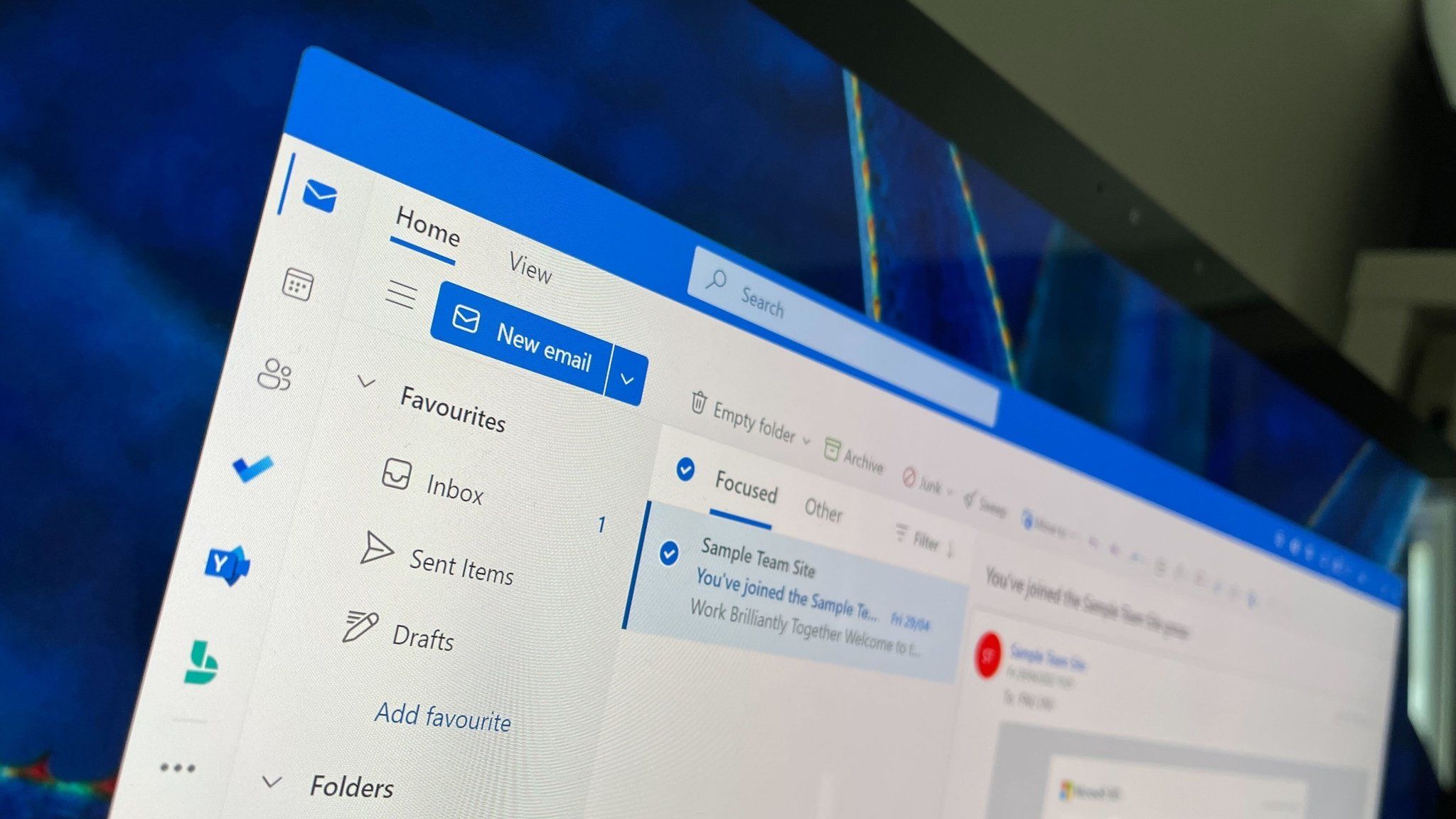
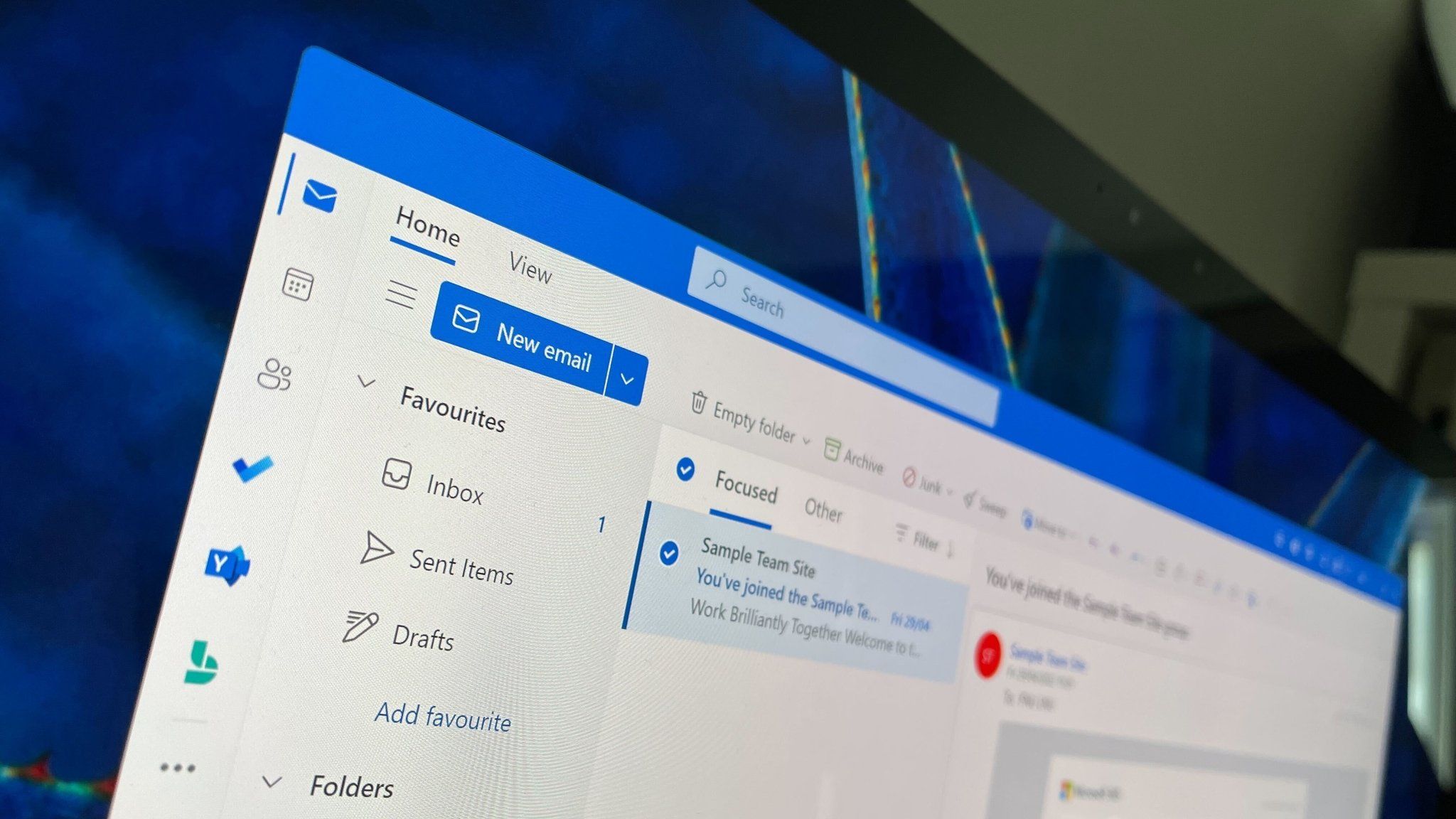
Despite ongoing UI polish and system optimizations, Microsoft’s strategy of rebuilding core applications as web wrappers is undermining Windows 11’s user experience. The latest Windows K2 initiative delivers refined context menus and a modernized AutoPlay dialog—cosmetic wins that ring hollow when applications like Microsoft Teams take excessive time to load. Technical analysis from Windows Central highlights the fundamental problem: Microsoft has chosen to build core productivity apps (Outlook, Teams, Mail) on web technologies embedded in native shells, ceding performance to cross-platform compatibility. The company’s new initiative to develop native Windows applications, led by veteran developer Rudy Huyn, signals an acknowledgment of the problem, but rebuilding flagship apps from scratch is years away. Until then, users will continue to experience the friction of beautiful OS paired with sluggish applications. Recent reports also confirm that Windows 11 game crashes stem directly from a buggy Microsoft update—a compounding reminder that even system-level reliability has become a secondary concern.
GrapheneOS Expands to Motorola Foldables

The privacy-focused GrapheneOS operating system is coming to Motorola’s flagship lineup in 2026, including foldable models. The GrapheneOS Foundation announced that official support will begin with a traditional Motorola slab flagship, then expand to both the Razr Fold and Razr Ultra—a significant victory for the security-conscious segment, as the Razr Ultra will become the first flip phone to run GrapheneOS officially. GrapheneOS has historically maintained strict device support criteria, limiting exposure to untested hardware and permitting only the most rigorous security audits. Motorola’s willingness to participate signals growing OEM recognition that privacy-by-default is becoming a competitive differentiator. For users balancing ecosystem lock-in against strong privacy guarantees, the expanded device roster removes one more barrier to switching away from stock Android.
Apple Prepares M6 iMac for Late 2026

Apple is planning a refresh of the iMac lineup with M6 processors before the end of 2026, continuing the annual cadence of M-series silicon updates. Recent supply-chain reports indicate the redesigned iMac will arrive in the October–December window, maintaining Apple’s established pattern of incremental GPU and efficiency core bumps to the M-series architecture. The M6 will likely bring marginal performance gains over the current M5, sustained primarily through die-size optimization and memory bandwidth improvements. For existing iMac owners, the refresh cycle reinforces the reality that major design overhauls are now rare; the focus has shifted to clockwork silicon updates that yield 10–20% year-on-year uplift.
Humanoid Robots Shatter Usain Bolt’s 100-Meter Record
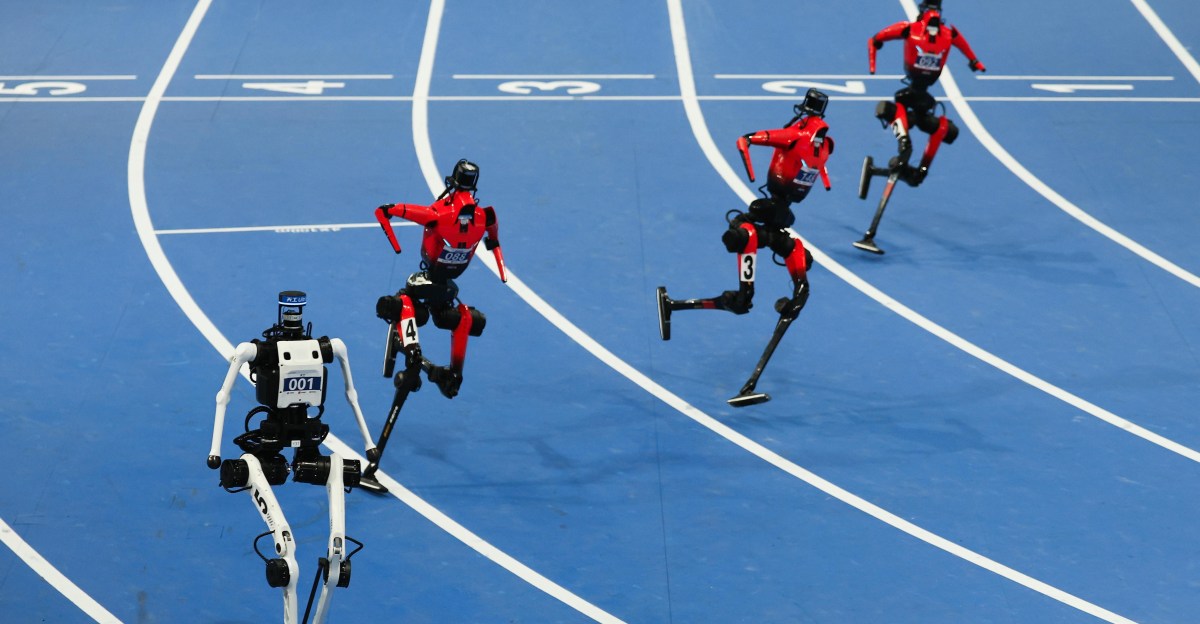
Chinese-made humanoid robots have surpassed Usain Bolt’s legendary 9.58-second 100-meter world record at the 2nd World Humanoid Robot Games in Beijing. Tiangong Ultra, built by the Beijing Humanoid Robot Innovation Center, completed the sprint in 9.39 seconds, while the Honor-developed Lightning clocked 9.47 seconds. The World Humanoid Robot Games—launched in 2025 as an annual showcase for bipedal robotics progress—drew 2,056 robots from 16 countries this year, providing a neutral venue to benchmark hardware and control algorithms across competing research teams and manufacturers. The sub-9-second barrier, once thought to be Bolt’s enduring legacy, has now fallen to machines, signaling that bipedal robot locomotion has matured beyond simulation and into consistent, repeatable real-world performance. Tiangong Ultra also broke the 400-meter record (the race was held as a relay event), cementing the milestone as a turning point in robotics engineering rather than an outlier run.
Anthropic’s Claude Encounters Widespread Outage
Multiple Anthropic Claude models experienced service outages on August 24, with users reporting widespread errors and timeouts across the Claude API and web interface. The outage affected both Claude Opus and Claude Sonnet variants, leaving users unable to submit queries for several hours. Anthropic acknowledged the incident but provided limited detail on root cause, indicating only that the issue was being actively investigated. The incident highlights the operational scaling challenges facing generative AI service providers: even brief outages disrupt workflows for thousands of dependent applications and users. Anthropic’s status page recovery timeline suggested the incident was resolved by mid-afternoon, but the impact underscores the risk of relying on single-provider LLM infrastructure without fallback redundancy.
In Brief
VKD3D 2.1 Release — The Wine Direct3D translation layer receives a new version with improved feature support for legacy games and applications ported to Linux. Phoronix reports the update resolves compatibility gaps in shader handling and memory management.
Linux 7.3 RISC-V Support — The kernel continues its push toward full RISC-V ecosystem maturity, adding support for newer instruction extensions in version 7.3. RISC-V adoption remains primarily in embedded and research contexts, but each kernel release incrementally strengthens the architecture’s position as a credible open-source ISA alternative.
Compiled from the configured RSS feed.