
Tech News Roundup — August 23, 2026 (NOON)
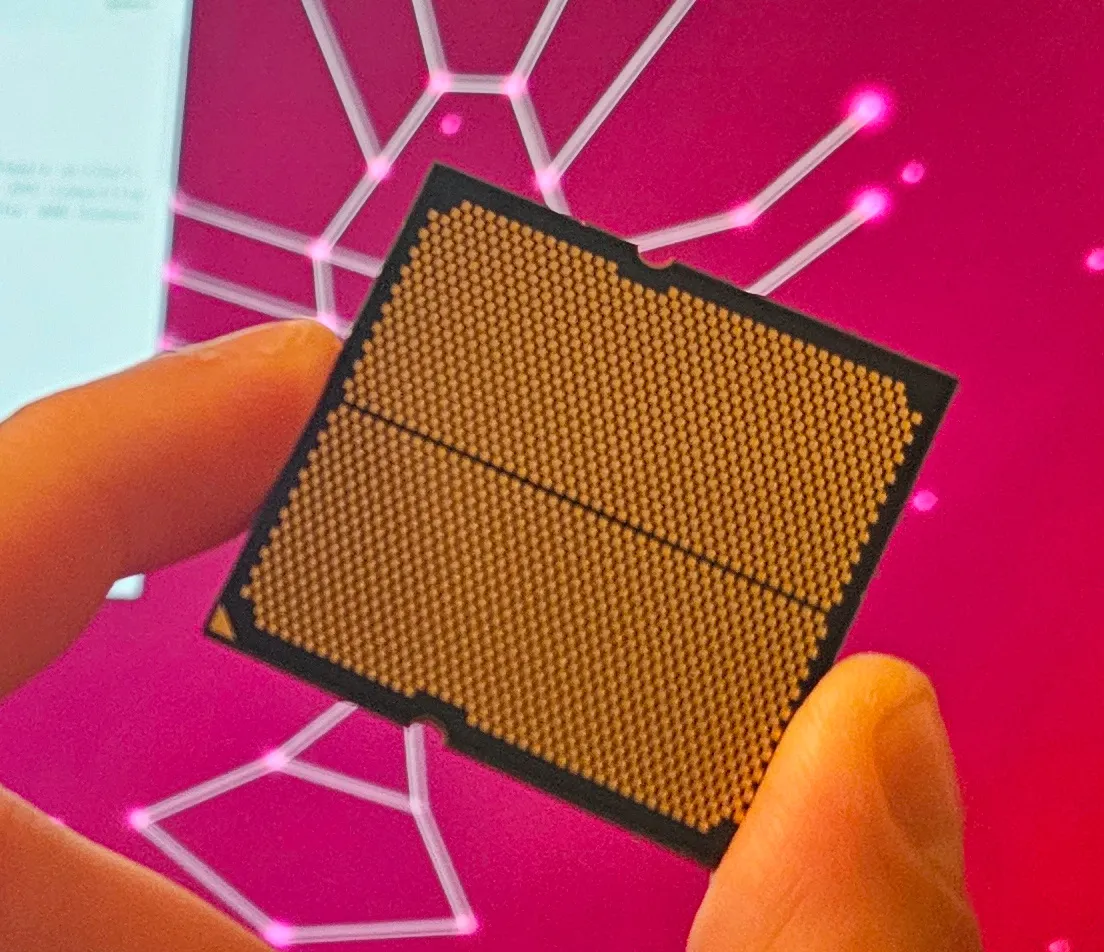
The Linux 7.3 kernel series is shaping up to be a significant release for infrastructure improvements. Google’s Eric Biggers and other contributors are modernizing kernel internals across cryptography, file systems, and hardware drivers — work that will reduce code duplication and unlock further performance optimizations in the kernel’s most sensitive paths.
Linux 7.3 Infrastructure Overhaul
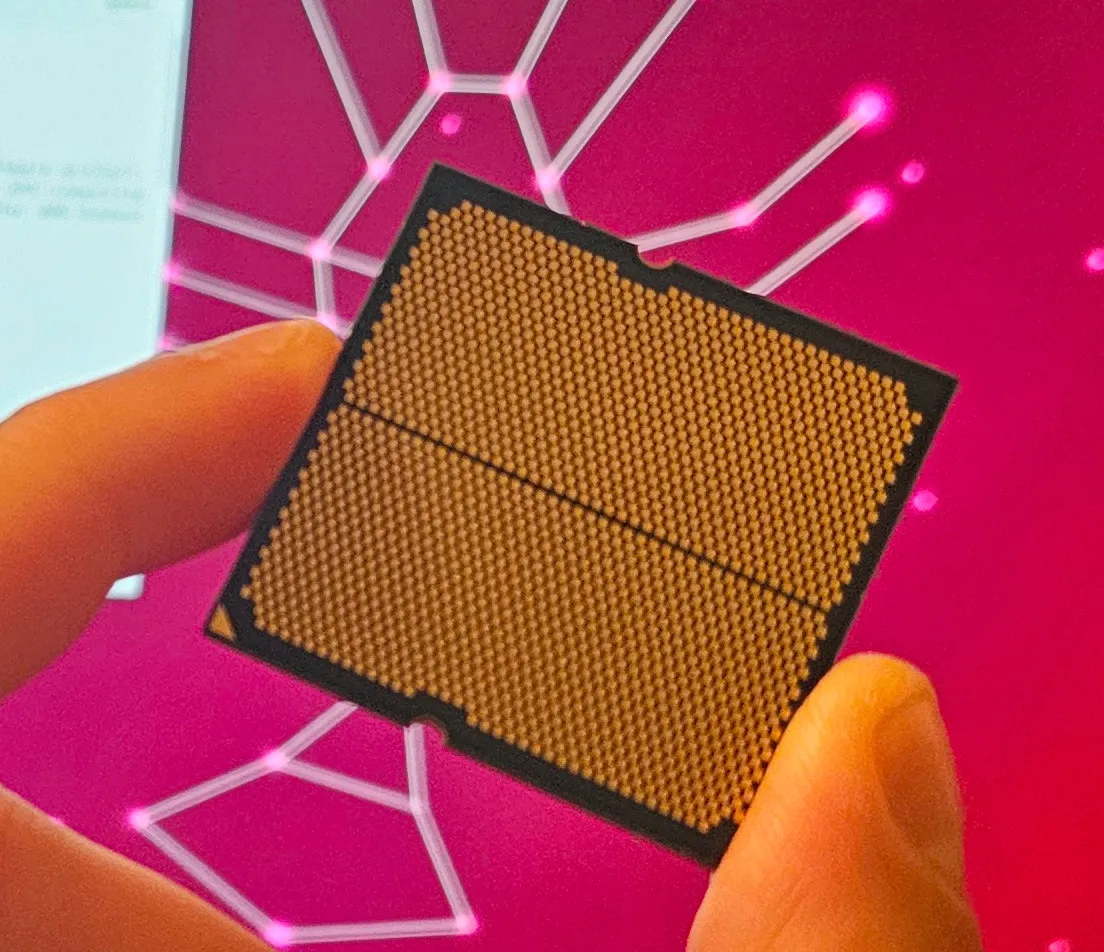
Kernel crypto APIs standardized for performance. Eric Biggers of Google has landed a major update to Linux 7.3’s cryptographic library, introducing new AES encryption APIs that consolidate support for the multiple AES modes used throughout the kernel. The change opens the door to significant performance optimizations and reduces redundant implementations across subsystems.
Related kernel advances in 7.3 include preparations to upstream the FAMFS file-system, security and performance fixes to the Input Subsystem, and new CXL Type-2 driver support for AMD Solarflare network interface cards. These improvements collectively signal a focus on kernel infrastructure stability and modern hardware enablement.
ReactOS Reaches Windows Compatibility Milestone
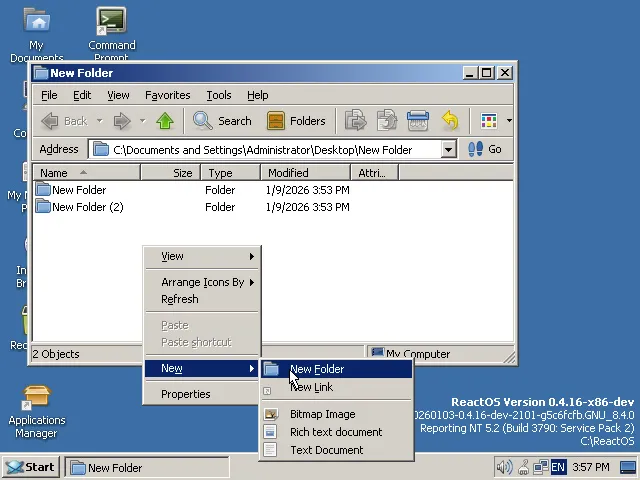
Job Objects support unlocks modern Windows application compatibility. The ReactOS project merged initial support for Windows Job Objects, a foundational API that allows resource management and process grouping — critical for running modern Windows applications under the open-source OS. The milestone represents significant progress toward closing the compatibility gap with contemporary Windows software.
Compiler Optimization for Latest AMD Processors
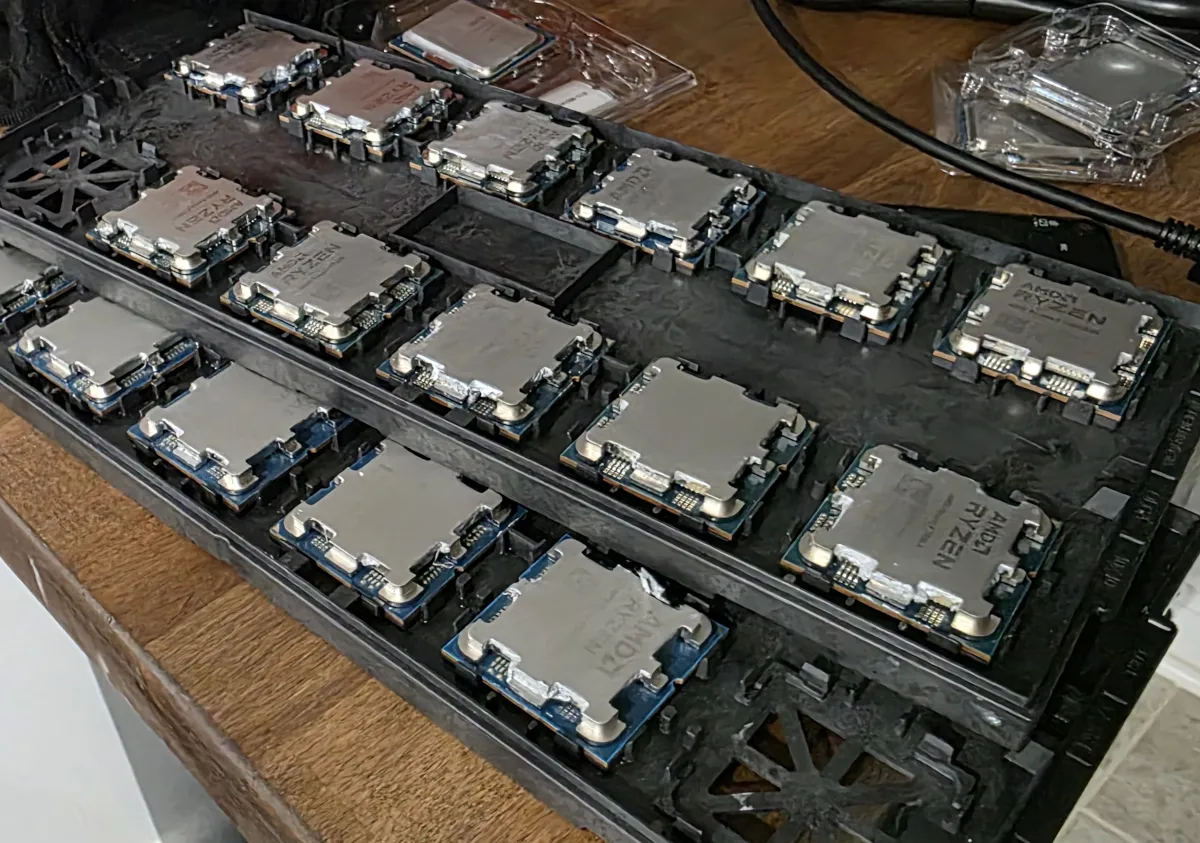
GCC tuning improvements boost AMD Zen 5 performance by 12%. A recently-merged GCC patch adjusted the misprediction cost model for AMD’s Zen 5 architecture, a simple tuning change that netted a 12% improvement in benchmark results. The optimization reflects ongoing work to keep compilers aligned with the latest processor architectural details.
In Brief
AI infrastructure cooling challenges yield unconventional solutions. As AI model training and inference demand grows, data centers face unprecedented cooling loads from thousands of servers running continuously. Researchers and infrastructure operators are exploring creative approaches — including urine-based cooling systems — to manage thermal dissipation while reducing water consumption and energy costs.
Compiled from the configured RSS feed.