
Tech News Roundup — August 22, 2026 (NOON)
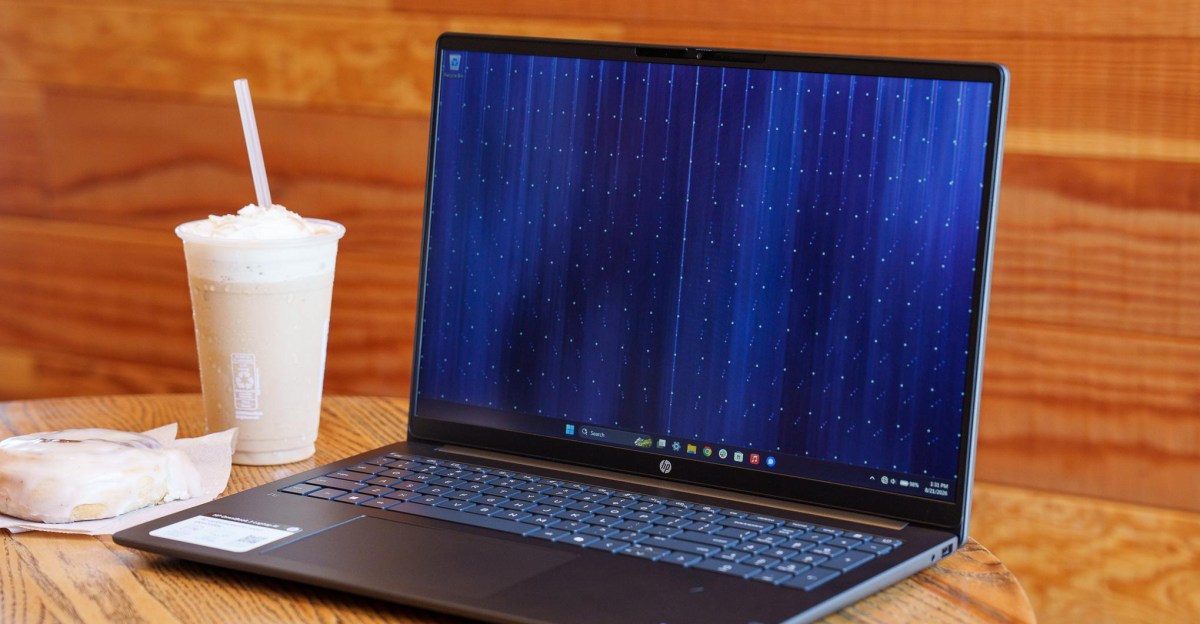
Budget laptops are winning the RAM race. HP’s OmniBook 3 proves that $520 can buy you a machine with practical 16GB of RAM when competitors are still shipping 8GB in the $700–$950 range. The shift toward adequate base RAM reflects the real-world slowdown users face on RAM-constrained systems; even “okay” hardware with proper memory beats expensive hardware saddled with insufficient RAM, making the OmniBook a smart value play for productivity users.
Budget Laptop RAM Advantage
16GB is now the practical minimum. HP’s $520 OmniBook 3 ships with 16GB of RAM, undercutting the MacBook Neo and Surface Laptop by $180–$430 while matching or exceeding their memory. The broader industry has trapped itself in a RAM-pricing cage — manufacturers still ship 8GB base configs on $950+ laptops because RAM costs haven’t fully reflected demand, but real-world workflows (web browsing, office, development, video calls) routinely hit 8GB limits. The OmniBook forces an uncomfortable comparison: you can buy excellent build quality and CPU power, or you can buy RAM. HP chose RAM.
Fairphone 6 Plus & Framework 12: Repairability Momentum

Two new devices lead the repairability charge. Fairphone’s 6 Plus and Framework’s 12-inch laptop both launched with full teardown documentation, modular component designs, and available spare parts. The Fairphone targets mobile sustainability; the Framework targets laptop modularity and extensibility (users can swap GPU modules, storage bays, and expansion cards). Both are niche products — Fairphone’s focus on ethical supply chains and easily replaceable parts appeals to privacy and sustainability advocates, while Framework’s modular laptop appeals to power users willing to pay a premium for future-proofing. The market signal is clear: repairability and modularity are becoming design features, not afterthoughts.
Thunderbolt 5 Docks Mature
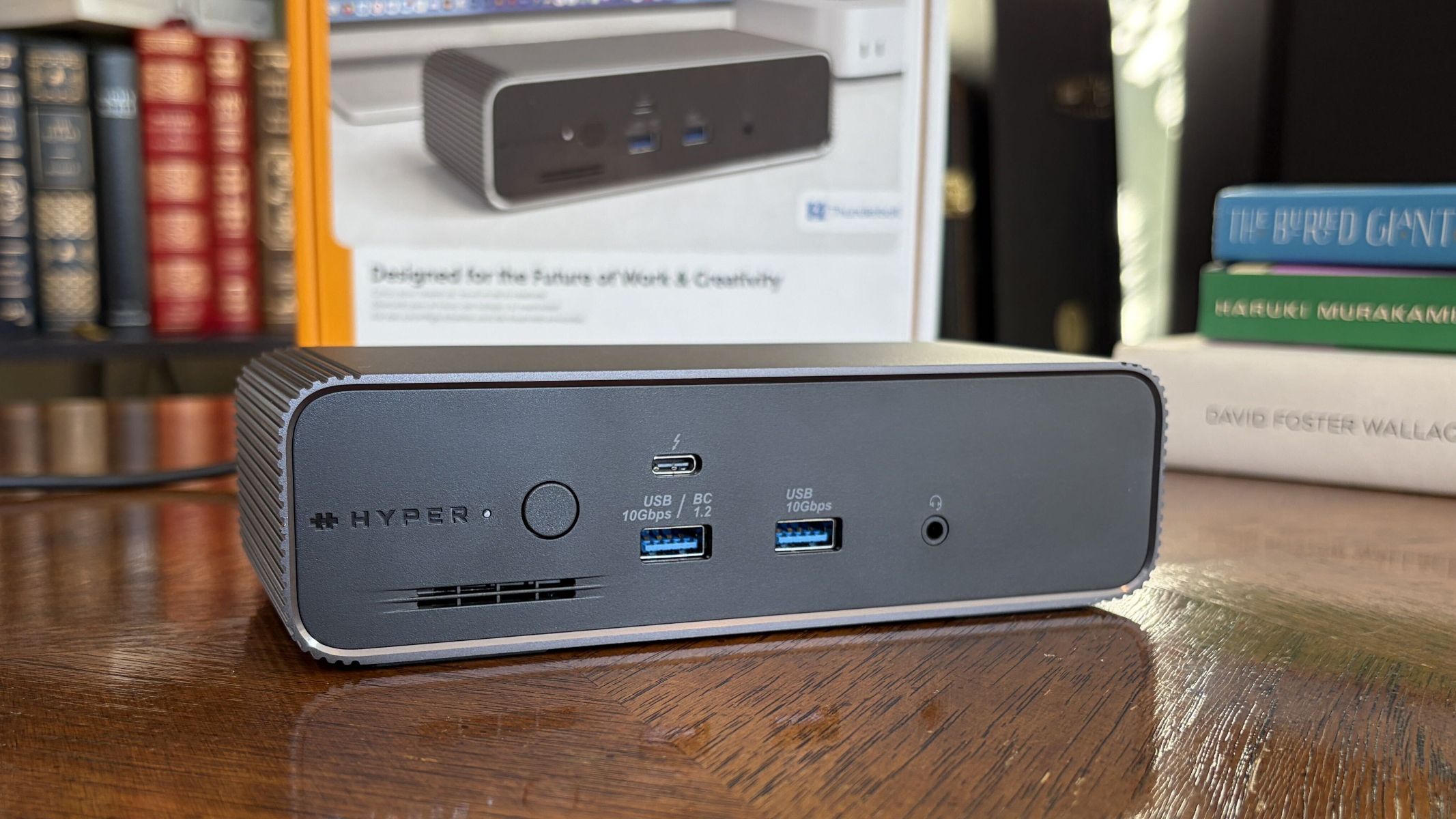
The HyperDrive Next brings affordability to Thunderbolt 5 docking. Priced at $320, Hyper’s dock includes a built-in M.2 SSD slot (up to 16TB), Intel Thunderbolt Share support (for dual-laptop control), dual downstream Thunderbolt 5 ports, 2.5Gbps Ethernet, and USB-A expansion. Performance trade-offs exist — simultaneous SSD + Ethernet transfers hit the Barlow Ridge chipset’s bandwidth limit — but the feature set undercuts competing docks by $400–$480 while delivering practical extras. Thunderbolt Share stands out: two laptops connected to the dock share mouse, keyboard, and clipboard, with drag-and-drop file transfers. The ecosystem is maturing past raw port counts.
Linux Security: NTFS3 Vulnerability Lingers Unpatched
A critical NTFS3 privilege escalation remains unfixed. A pre-crafted NTFS filesystem image can grant root access to Linux systems using the in-kernel NTFS3 driver — a USB flash drive or external disk is all an attacker needs. The vulnerability was reported earlier this summer and remains unaddressed as of August. The attack requires local access (an attacker needs to plug in a device) but the root escalation is straightforward. Users should avoid automounting untrusted NTFS drives and consider disabling the NTFS3 module if they don’t need it. The delay in patching highlights the fragmentation in Linux security response — critical kernel driver vulnerabilities can slip through because the maintainer, architecture, and distribution teams operate on different cadences.
Linux Kernel Scheduler Reaches Feature Complete
Sched_ext sub-scheduler support is now feature-complete in Linux 7.3. The extensible scheduler framework allows developers to write custom kernel schedulers as eBPF programs, enabling workload-specific tuning without forking the kernel. Sub-scheduler support — the ability to use custom schedulers for specific cpusets — was the final missing piece. This opens the door to specialized schedulers for real-time workloads, containerized environments, and power-sensitive deployments. The framework’s eBPF foundation means schedulers can be updated, tested, and deployed without kernel rebuilds.
GPU Drivers
AMD readies RDNA 4m firmware for Linux kernel. The latest firmware binaries for AMD’s upcoming RDNA 4m (“GFX 11.7”) discrete GPUs have landed in linux-firmware.git, signaling the open-source driver stack is ready for the hardware launch. Early firmware enablement in the repository typically precedes product announcements by weeks — AMD is preparing the driver foundation before official RDNA 4m reviews ship.
Compiled from the configured RSS feed.