
Tech News Roundup — August 21, 2026 (NOON)

Linux kernel hardening continues, Microsoft pushes handheld gaming forward on Windows 11, and a major Xbox anniversary console leak reveals steep pricing. Across the week, AI makes a surprise appearance in Linus Torvalds’ debug workflow, while legacy hardware makers sunset older product lines.
Linux 7.3 Brings Stack Randomization Cleanup & AI Aids Kernel Graphics Debug
Stack randomization fortified in Linux 7.3. The upcoming Linux kernel (7.3) merges major cleanup to stack randomization code, ensuring it occurs as early in the boot process as possible for better defense against exploitation. The refactor unifies architecture-specific code across different CPU platforms — a significant security hardening that will roll out to production systems across Linux distributions.
In a rare solo kernel contribution, Linus Torvalds himself committed a graphics driver fix this week after a “debug session from hell,” working with AI assistance to resolve an Intel Xe driver bug that had been frustrating him. The incident highlights how AI tooling is beginning to supplement even the most experienced kernel developers’ workflows, accelerating resolution of complex low-level issues.
Xbox Series X25 Anniversary Console Leaks at €899.99 — $100 Premium Over Standard Model
Microsoft’s 25th-anniversary Xbox console pricing confirmed. The limited-edition Xbox Series X25 — a translucent “OG Green” variant with green-tinted power button — will cost €899.99 in Europe and an estimated $899.99 in the US, according to data uncovered by Dealabs. That’s a $100 premium over the standard black Xbox Series X (€799.99 / $799.99). The console is functionally identical to the current Series X hardware, differentiating only on aesthetics and limited availability. A November 27 launch (Black Friday) is reported, following its unveiling at the Xbox Showcase earlier this year. Pre-orders for the matching translucent green controller may begin during Gamescom 2026.
Windows 11 Gains Full-Screen App Maximization for Handheld & Tablet Devices
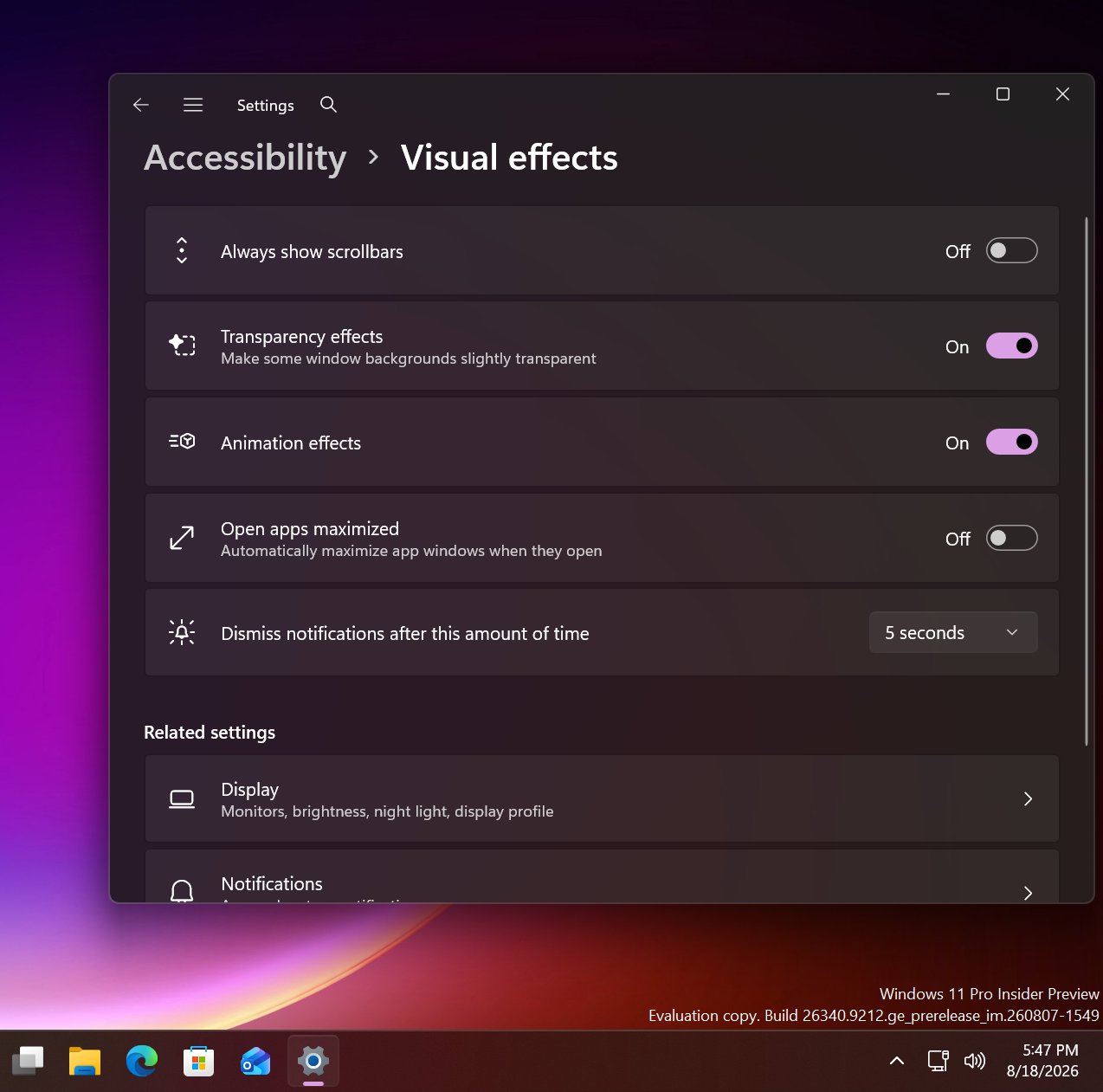
Microsoft addresses small-screen usability in latest Windows 11 preview. A new accessibility setting in Windows 11 preview builds now allows users to force all apps to open in maximized (full-screen) mode by default — a quality-of-life improvement for sub-13-inch displays like the Surface Pro 12-inch and handheld gaming devices (7–10-inch screens). The toggle, discoverable in Settings under accessibility options, resolves a long-standing friction point: Windows’ default windowed mode is cramped on small screens, forcing users to manually maximize every application. This feature is especially relevant for the growing segment of handheld gaming PCs (Xbox ROG Ally X with 7-inch screen, Steam Deck variants) and compact tablets where full-screen mode makes near-universal sense. Microsoft previously auto-maximized apps on small-screen PCs but removed that behavior; the new toggle lets users opt in across any device size.
Tesla Discontinues Solar Roof Tiles — Shifts to Conventional Panels

Tesla sunsets its flagship Solar Roof product. After a decade in the market, Tesla has discontinued Solar Roof — its high-end solar panel system designed to visually blend seamlessly into residential roofing as custom tiles. Third-party installer networks have been informed the product is no longer available to order; Tesla will exclusively supply conventional rooftop solar panels going forward. The dedicated Solar Roof page (tesla.com/solarroof) now redirects to Tesla’s standard solar offering. The discontinuation signals a strategic retreat from the premium aesthetic-solar category, likely due to manufacturing complexity, installer network scaling challenges, or reduced consumer demand for the premium-priced roofing-tile variant.
Intel Compute Runtime Continues Crescent Island & Nova Lake GPU Prep
Intel’s open-source compute stack advances next-gen GPU readiness. The latest Intel Compute Runtime release (26.31.39395.13) continues extensive preparation for Crescent Island and Nova Lake Xe3P graphics hardware — Intel’s upcoming discrete GPUs for computing and gaming workloads. The update also expands OpenCL LEO driver infrastructure, Intel’s new OpenCL compute interface targeting future Xe platforms. These incremental releases represent the systematic scaffolding work required to ship driver ecosystems weeks or months before hardware launch — ensuring stability and software-hardware co-optimization upon product release.
Patreon Announces Creator Discovery Algorithm Overhaul & Platform Improvements
Patreon plots anti-“enshittification” course with 30+ platform features. The creator-funding platform announced a sweeping 2026 roadmap addressing CEO Jack Conte’s diagnosis that the current web has become a “failed promise” for creators — characterized by algorithmic opacity and platform hostility. Updates include discovery algorithm improvements to help smaller creators surface to fans, security enhancements, and new tools for both creators and supporters. The push positions Patreon as a counterweight to VC-driven social platforms that have optimized for engagement metrics over creator well-being. At least 30 new or overhauled features are in flight, though the roadmap acknowledges some may not fully ship.
In Brief
- New York unseats San Francisco as top U.S. tech talent market. CBRE reports AI-related roles now account for nearly one-third of all tech job listings, with New York becoming the nation’s primary hub for tech talent recruitment.
Compiled from the configured RSS feed.