Tech News Roundup — August 20, 2026 (PM)

This PM edition tracks a critical Windows 11 gaming bug, processor benchmark fraud, a failed space mission, policy clashes on tech hardware, workplace surveillance concerns, AI developer tools, and wearable AI advances.
Windows 11 Patch Tuesday Gaming Crisis

Microsoft’s KB5121003 update breaks Arc Raiders and The Finals. Windows 11’s August 11 Patch Tuesday (KB5121003) has introduced a critical bug affecting games on both 25H2 and 24H2 builds (OS versions 26200.9168 and 26100.9168). Players report games going unresponsive, crashing, or triggering system reboots, with the EXCEPTION_ACCESS_VIOLATION error appearing frequently. Embark Studios, developer of Arc Raiders and The Finals, pinpointed the issue to changes in the inpoutx64.sys kernel-level driver — the driver is failing to communicate properly with game code. A temporary workaround exists: administrators can stop and delete the inpoutx64 service, then remove the driver file from C:\Windows\System32\drivers. Microsoft is investigating but has not yet released a permanent fix. This follows July’s KB5101650 disaster on Dell machines, where a Patch Tuesday update caused unexpected shutdowns and overheating.
Qualcomm Benchmark Retraction
Qualcomm retracts Snapdragon C benchmark claims after accuracy questions emerge. The chip manufacturer has quietly retracted key performance benchmarks for its budget Snapdragon C series processors used in budget laptops. The withdrawal suggests the benchmarks do not withstand scrutiny and raises questions about how the data was compiled and verified. This move damages Qualcomm’s claims about the Snapdragon C’s competitiveness against Intel and AMD in the budget PC market, potentially affecting OEM adoption and consumer perception of the platform.
NASA Swift Telescope Mission Ends

NASA abandons rescue mission for Swift gamma-ray telescope after months of effort. The space agency has given up on efforts to recover the Swift X-ray telescope, a decades-old observatory that detected gamma-ray bursts and contributed to astrophysics research. Swift experienced a series of hardware failures that rendered it unable to reorient and continue observations. Despite planning a Katalyst rescue mission involving another spacecraft, NASA has concluded the recovery is not feasible within mission constraints. The decision marks the end of a significant space science instrument and reflects the practical limits of satellite servicing even with advanced planning.
DJI Camera Ban and Black Market Availability
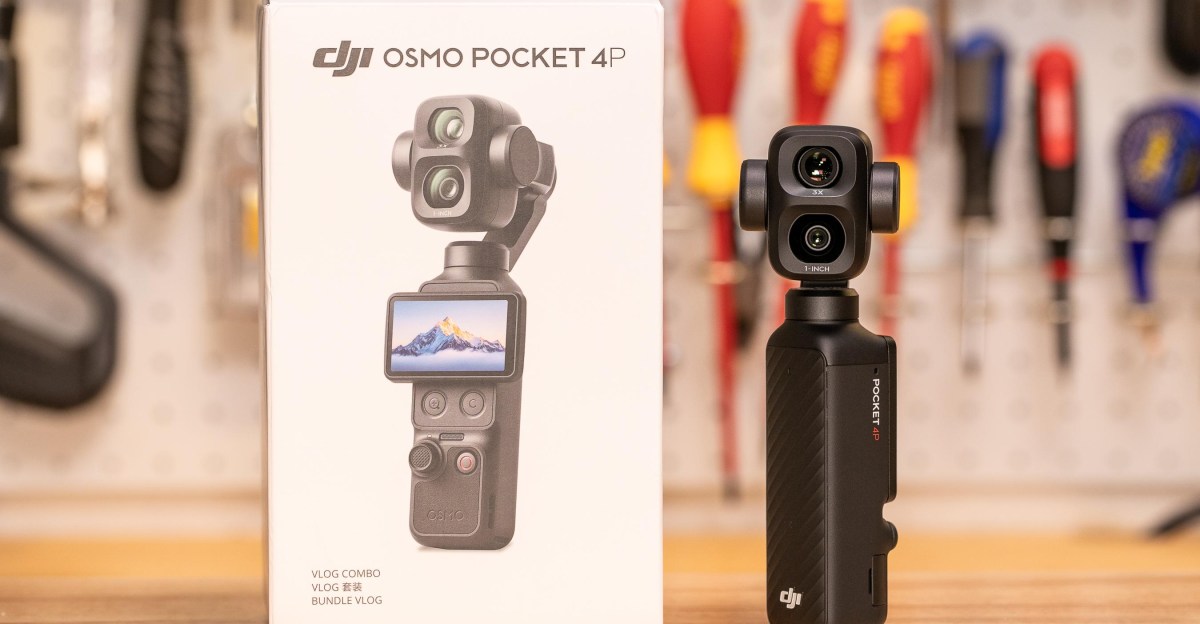
US ban on DJI devices does not prevent black-market sales and imports. Despite the Trump administration’s ban on DJI Osmo Pocket 4 Pro drones and cameras citing national security concerns, the devices remain readily available on the US black market — they can be purchased cheaply, imported discreetly, and activated without difficulty. The ban’s enforcement gap highlights the challenge of restricting consumer tech hardware sales when supply chains and alternative import routes exist. Users report buying and activating DJI cameras without legal barriers or DJI app blocks, undermining the stated policy goal of cutting off US consumers’ access to Chinese-made imaging hardware.
Meta Glasses and Workplace Surveillance

Meta Ray-Ban glasses pose workplace surveillance risks and labor concerns. A new report examines how Meta’s smart glasses — which record audio and video throughout the workday — create unprecedented surveillance capabilities for employers and pressure on workers. The glasses enable real-time monitoring of employee activity, conversations, and productivity in ways previous technologies could not match. Privacy advocates and labor organizations raise concerns about consent, data retention, and power imbalances in workplaces where cameras are normalized. Meta’s consumer marketing emphasizes convenience and hands-free operation, but workplace deployment reveals a darker use case: continuous monitoring of workers who may have limited ability to refuse.
Slack AI Vibe-Coding Channels

Slack launches vibe-coding channels for AI-assisted collaborative development. Slack has introduced new “vibe-coding” channels designed to help teams collaborate on code in AI-assisted environments. The feature integrates code snippets, AI suggestions, and real-time collaboration tools into Slack’s messaging platform, allowing developers to discuss, share, and iterate on code without switching to separate IDEs or GitHub. This reflects a broader industry trend toward embedding AI coding assistance into everyday communication and workflow tools, making AI-powered development a first-class feature of team messaging rather than a separate plugin.
In Brief
- Google Pixel Watch 5 AI Review — Pplware’s analysis of the Pixel Watch 5 highlights how Google has integrated on-device AI features into its wearable platform, bringing conversational AI and predictive features to the smartwatch form factor. The watch positions AI as a core value proposition for wearable devices, moving beyond fitness tracking.
Compiled from the configured RSS feed.