
Tech News Roundup — August 19, 2026 (NOON)

Linux 7.3 brings significant changes to ARM support, Windows 11 tightens application privacy controls, and Amazon accelerates its drone delivery rollout. A mixed week of infrastructure shifts, privacy improvements, and logistics breakthroughs.
Linux 7.3 Deprecates Legacy 32-bit ARM Platforms
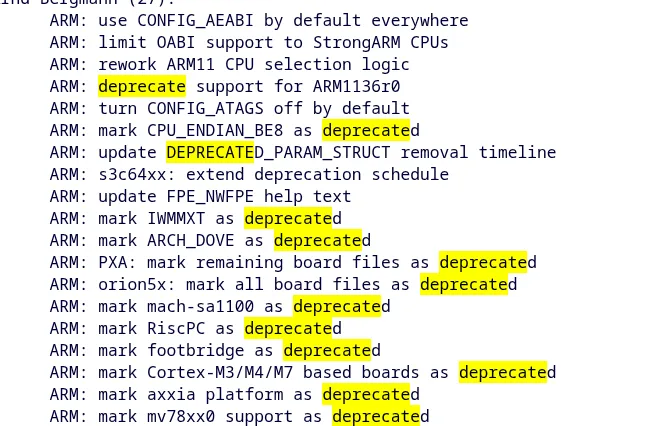
Linux 7.3 drops support for older 32-bit ARM SoCs. The latest kernel merge window includes significant SoC updates for Linux 7.3, adding support for new processors while deprecating several older 32-bit ARM platforms. This move results in hundreds of orphaned drivers that maintainers will no longer actively develop. The shift reflects the industry’s move toward 64-bit architectures and highlights ongoing decisions about which legacy hardware to maintain in the mainline kernel.
Windows 11 Adds Per-App Camera and Microphone Blocking
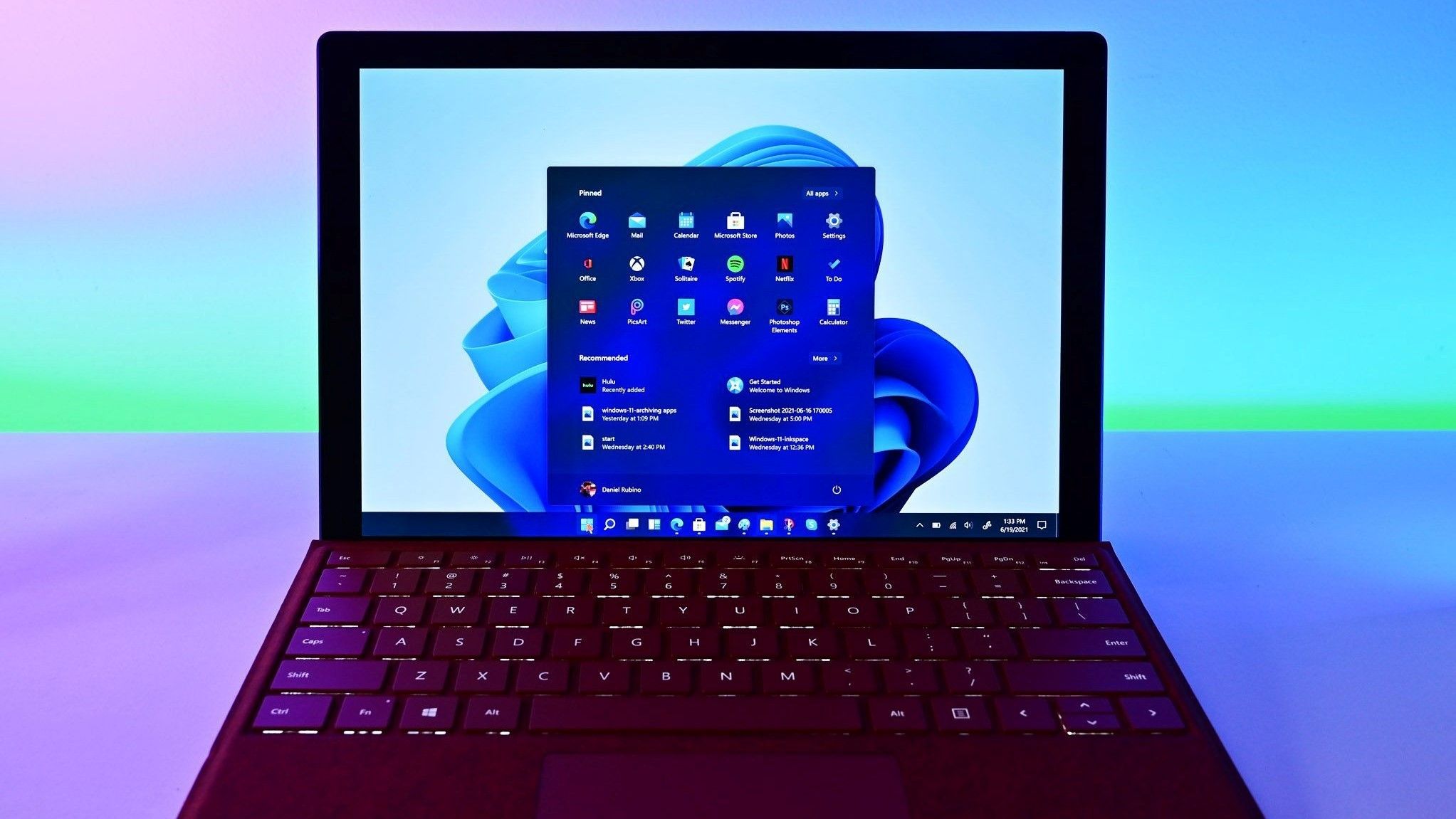
Fine-grained app permission controls arrive in Windows 11. Experimental Build 26340.9212 introduces a new privacy feature allowing users to revoke camera and microphone access on a per-app basis for Win32 applications. The feature brings Windows 11’s privacy model closer to iOS and Android, enabling granular control over popular apps like Discord, Chrome, and Steam. Previously, such permissions were only available for UWP/MSIX apps. Microsoft did not mention the change in official release notes, but community testers have confirmed the functionality across multiple systems.
Amazon Expands Prime Air Drone Delivery to Nearly 500 US Cities
Amazon’s autonomous delivery network expands six-fold by year-end. Prime Air will scale from 11 current locations to nearly 500 cities and towns across the United States by December 2026. New launches in Chicago, Syracuse, Cleveland, Atlanta, and Boise will join existing coverage, with each Prime Air hub serving approximately 175 square miles. The expansion marks a major milestone for Amazon’s logistics automation strategy and represents one of the most aggressive rollouts of autonomous delivery infrastructure to date.
Nvidia Announces $500 Billion “Compute as an Asset Class” Initiative
Nvidia partners with major financial firms on GPU financing innovation. Apollo, BlackRock, Blackstone, Brookfield, Goldman Sachs, and KKR are collaborating with Nvidia to create $500 billion in financing structures treating GPU compute as a tradeable asset class. CEO Jensen Huang positioned compute as productive, long-lived, and fungible—characteristics that make it suitable for institutional investment and financing mechanisms similar to other capital assets. The move reflects growing demand for AI compute resources and Nvidia’s position at the center of enterprise infrastructure buildout.
Raspberry Pi Compute Module 5 Programming Jig Launches
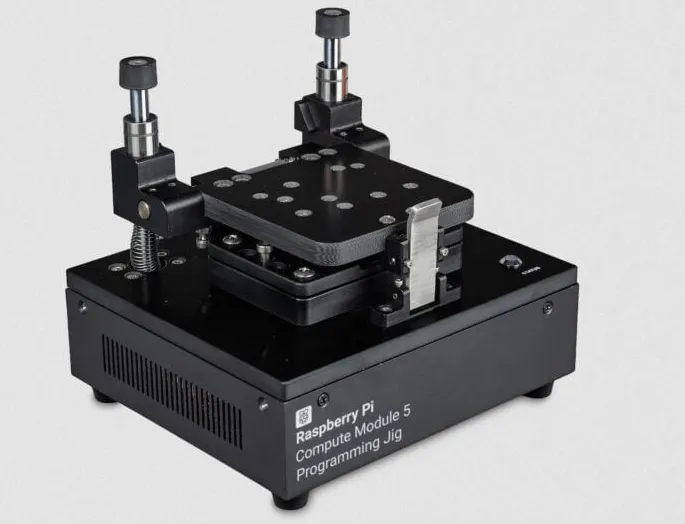
Raspberry Pi introduces new development tooling for the Compute Module 5. The Compute Module 5 Programming Jig launches as an official accessory for developers working with the latest Raspberry Pi embedded module. The tool simplifies firmware flashing and development workflows for the Compute Module 5, targeting industrial and educational applications that require more modular form factors than standard Pi boards.
Compiled from the configured RSS feed.