
Tech News Roundup — August 17, 2026 (NOON)

Microsoft is discontinuing its experimental Excel Copilot function before it reaches general availability, Firefox ships monthly updates with AI integration, and Linux 7.3 advances kernel infrastructure across power management and CPU support. The open-source desktop also sees a revival of performance-tuning patches as adoption of Linux-based systems continues to grow worldwide.
Microsoft Ditches Excel Copilot Before General Availability

Microsoft is removing the =COPILOT function from Excel before it ever leaves preview. Launched in August 2025 for Insider and Frontier users, the function allowed natural language prompts to summarize text, categorize feedback, and retrieve web information. However, the company restricted its use on numerical calculations, context-dependent tasks, and anything with legal, regulatory, or compliance implications — limits that proved too restrictive for a spreadsheet tool. Microsoft is redirecting users to Copilot’s side pane interface, which remains available. The discontinuation, effective September 14, 2026, reflects a broader pattern of Microsoft refining its AI strategy after earlier attempts to embed Copilot widely across products.
Firefox 154 Adds AI-Powered Quick Actions
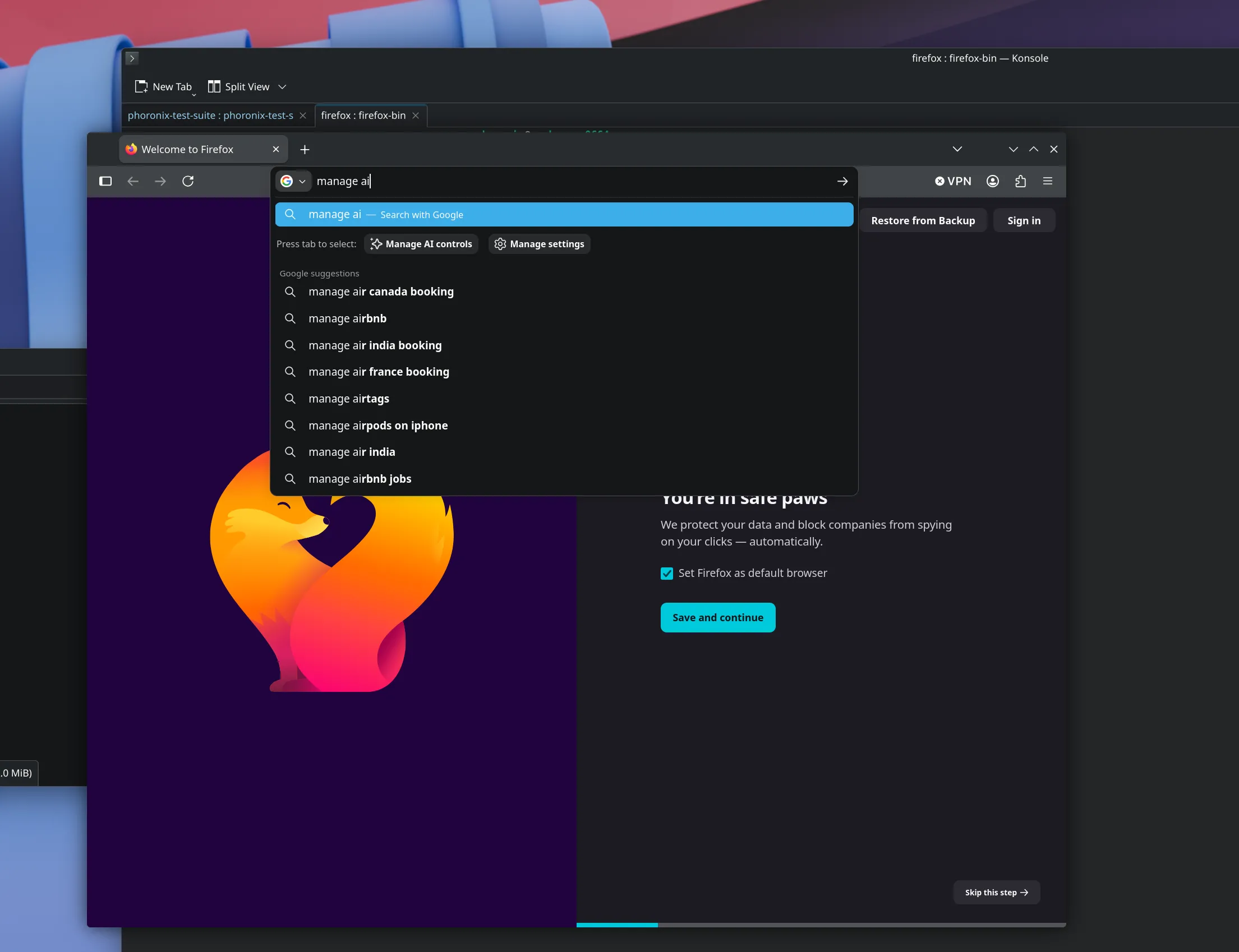
Firefox 154 is now available with a new “Manage AI” quick action feature, continuing the browser’s integration of AI-powered utilities. The monthly update brings standard performance and security improvements alongside the new AI interface, which allows users to interact with AI tools directly from the browser. This aligns with Firefox’s strategy to remain competitive in the AI assistant space while maintaining user privacy and open-source development principles.
Linux 7.3 Kernel Advances Power Management and CPU Support
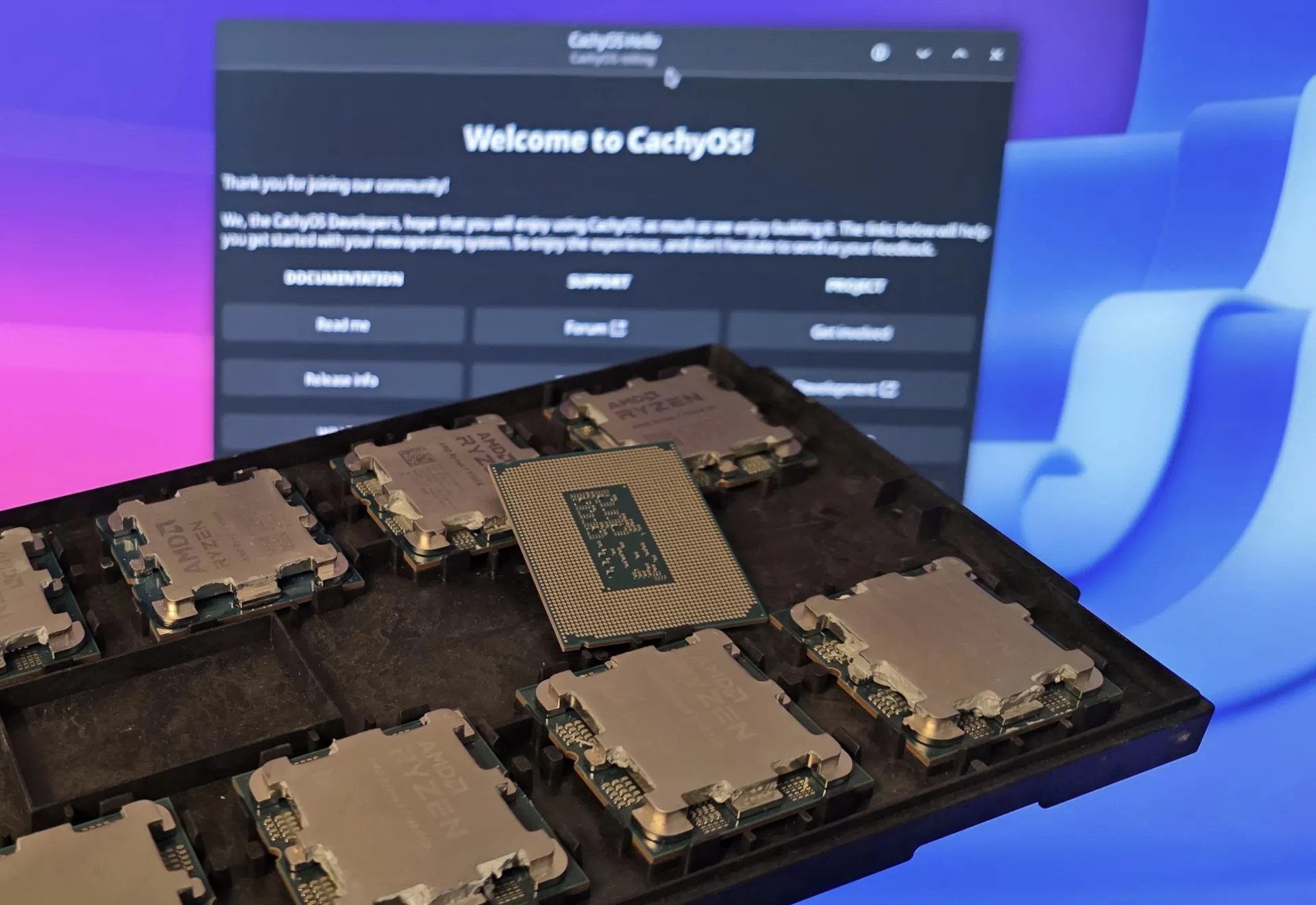
The upcoming Linux 7.3 kernel brings significant updates to power management subsystems, with Intel and AMD dominating the driver improvements. Rafael Wysocki of Intel led the submission of power management, ACPI, and thermal control code ahead of the Linux 7.3 merge window. Additional kernel updates include PowerPC support for in-kernel Rust code and initial Power12 CPU enablement, ARM64 BBML3 feature support for improved memory layout flexibility, and AVX-512 optimizations in KTransformers 0.7 to benefit AMD EPYC servers. These changes strengthen Linux’s infrastructure for both desktop and enterprise workloads.
AI Safety & Governance in Focus

Three significant developments highlight ongoing industry attention to AI safety and accountability. Anthropic detailed how Claude’s invisible text watermarks will work to identify model-generated content, a technical safeguard against misuse. OpenAI reportedly disbanded its preparedness team, a move that raised questions about the company’s internal prioritization of AI safety research. Meanwhile, ChatGPT’s new Computer History feature drew scrutiny for tracking user clicks and keystrokes — functionality that privacy advocates say demands transparent user consent and clear data retention policies. These stories underscore the tension between AI capabilities, commercial deployment, and safety governance.
Con Kolivas Revives Desktop Performance Patches
Con Kolivas, a longtime Linux kernel developer who previously retired from out-of-tree work, has revived his -ck patch series with updated MuQSS scheduler code. MuQSS (MultiQueue Skiplist Scheduler) was designed to improve Linux desktop and mobile responsiveness by better handling interactive workloads and competing for CPU resources. The resurrection of these patches signals renewed interest in optimizing the Linux kernel for user-facing responsiveness, particularly as gaming and professional audio applications place greater demands on scheduling fairness.
Ubuntu Adoption Grows in Windows 11 Ecosystem

Usage of Ubuntu through Windows Subsystem for Linux (WSL) in Windows 11 continues to grow, reaching new records as developers increasingly rely on Linux tools for cross-platform work. The data reflects a broader trend of Windows users adopting Unix-like development environments without leaving the Windows ecosystem. A Portuguese student-built drone project also exemplifies how open-source tools and Linux-based systems are enabling innovation in emergency response and humanitarian technology, combining low-cost hardware with open-source software to deliver search-and-rescue capabilities.
In Brief
- Whisker’s AI Litter Robot 5 Pro — The connected litter box uses AI to track individual cat health metrics but struggles with identifying which cat is which in multi-pet households, limiting its practical utility for mixed-breed environments.
- GNU Linux-libre 7.2-gnu — Released with additional driver cleanup, continuing the GNU project’s effort to strip proprietary firmware from Linux distributions for pure free-software advocates.
Compiled from the configured RSS feed.