
Tech News Roundup — August 15, 2026 (NOON)
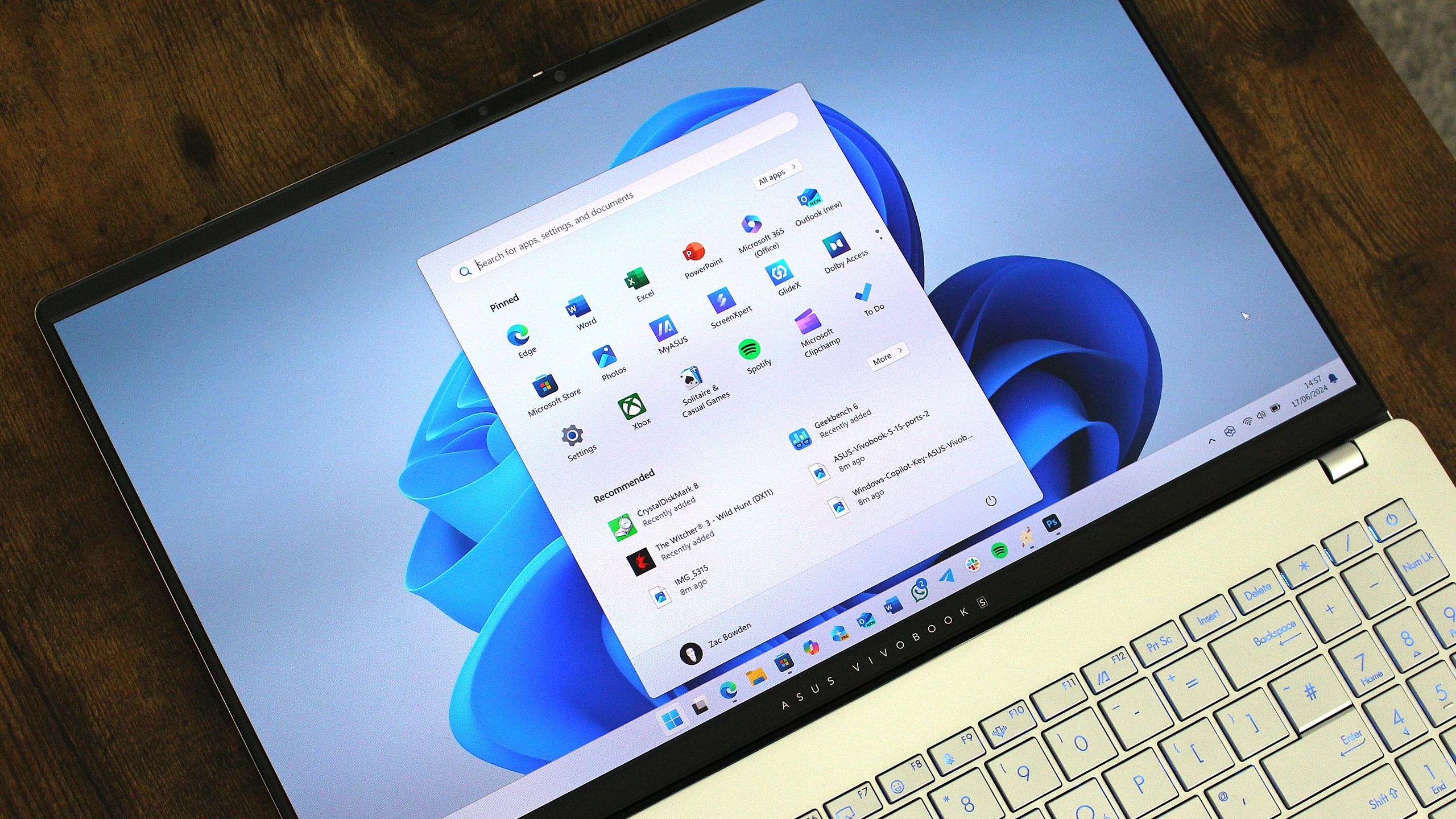
Windows and macOS users face major platform shifts this week, while Android and Linux communities prepare for their own updates. Windows 11 finally delivers the taskbar customization Windows 10 users demanded, AI-powered activity tracking comes to macOS via ChatGPT, and Xiaomi prepares to roll out its next generation of mobile OS.
Windows 11 Taskbar and Start Menu Finally Become Customizable
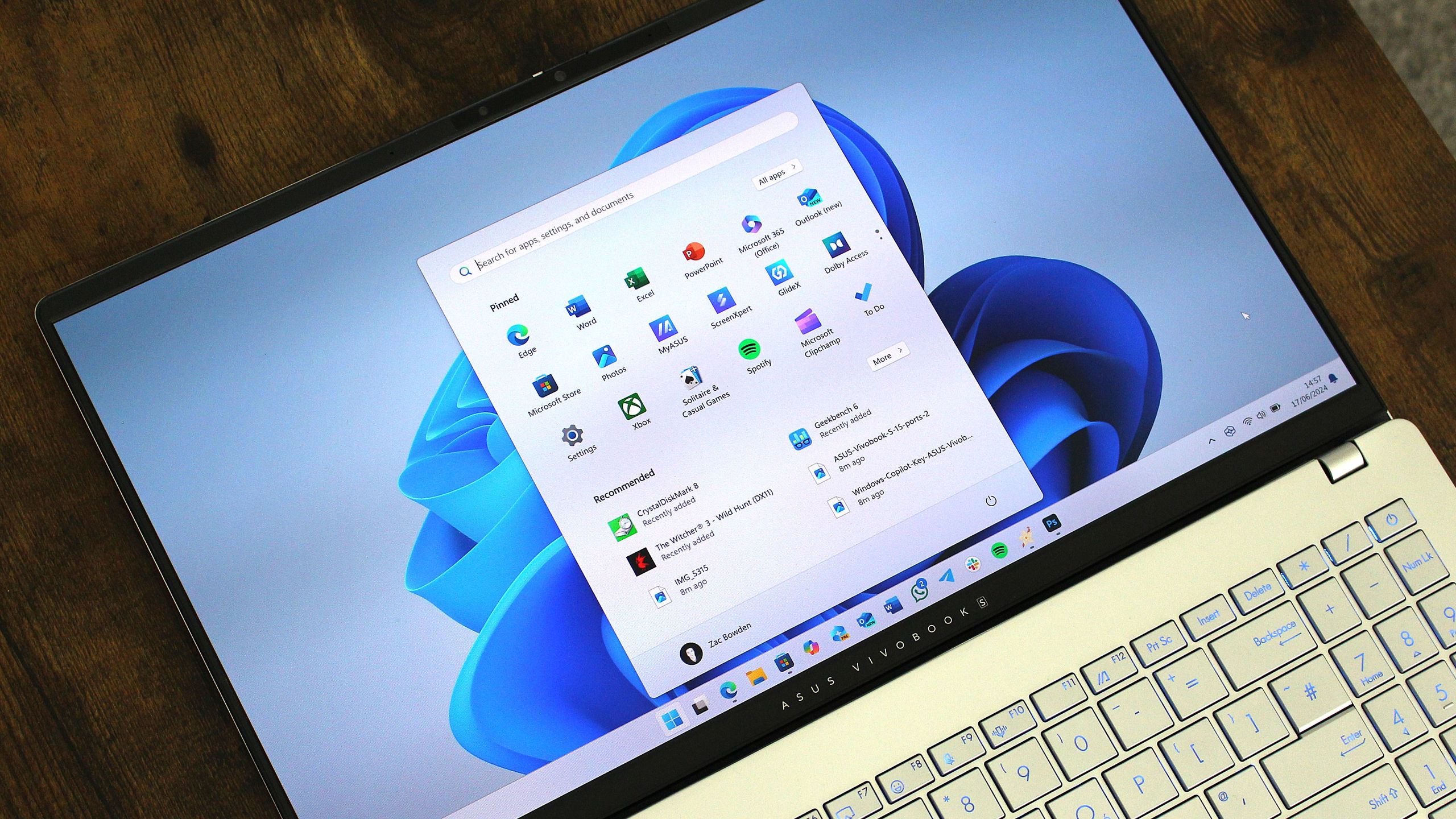
Microsoft has confirmed that its long-awaited taskbar and Start menu overhaul is entering final preview, with public rollout expected within weeks. The update allows users to move the taskbar to the top or sides of the screen—a feature Windows 10 users had natively—and customize the Start menu’s sections and size. The movable taskbar addresses one of the most consistent complaints about Windows 11 since launch, and the customizable Start menu brings back granular control that Windows 10 power users valued. Both features are now in the Release Preview Channel, typically two to three weeks away from public deployment. The phased rollout will prioritize users with automatic updates enabled, followed by general availability in September.
OpenAI Releases ChatGPT Computer History—macOS Gets Its Own Recall Alternative

OpenAI announced “Computer History” for ChatGPT on macOS, a feature that learns from everything users do on their computers to assist with task completion and workflow automation. Unlike Windows Recall—which generated significant privacy backlash when announced—Computer History records interaction events rather than screenshots, does not capture audio, and is opt-in by default for all subscriber tiers. The data remains locally stored on the Mac but is processed by OpenAI’s servers to generate searchable memories, which are then returned to the device for local storage. OpenAI states it does not retain the data on its servers unless legally required and does not use it for model training. However, the company notes that the feature lacks encryption and data remains accessible to other macOS applications, and prompt injection attacks remain a theoretical risk since the AI can be tricked by hidden instructions on websites users visit.
Xiaomi Unveils HyperOS 4 with Major Interaction Overhauls
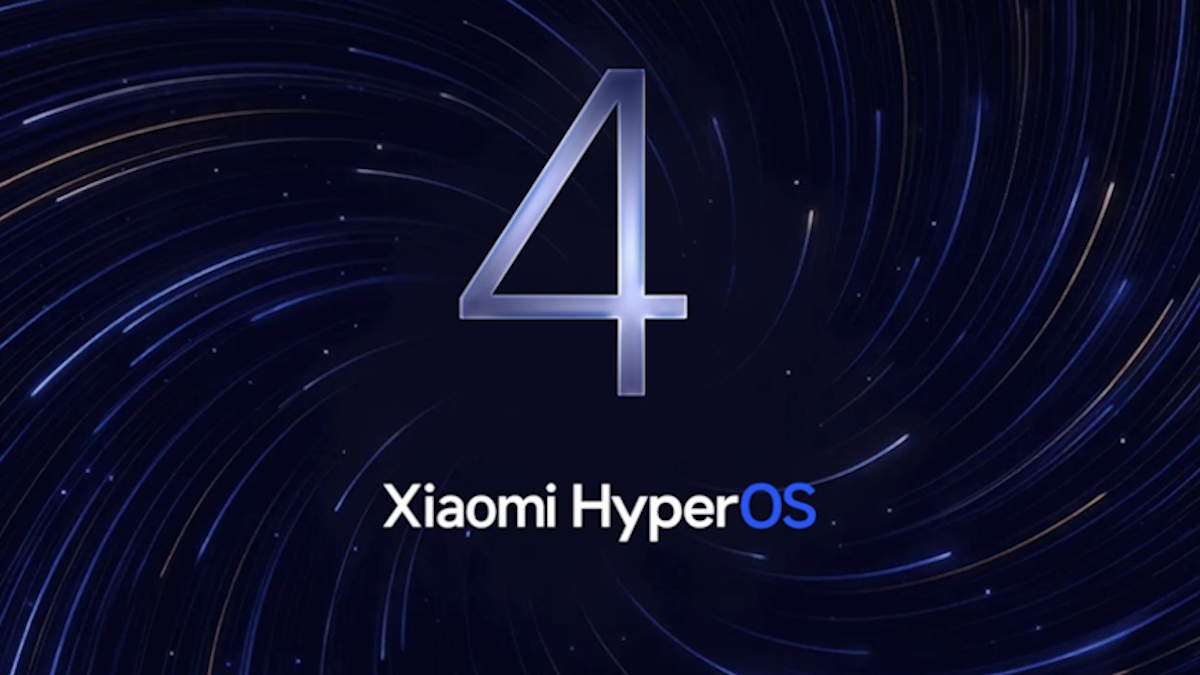
Xiaomi has officially revealed HyperOS 4, the next iteration of its custom Android-based mobile operating system, bringing significant changes to how users interact with Xiaomi and Redmi smartphones. The new version introduces refined user interface patterns, improved multitasking capabilities, and enhanced system responsiveness. While specific device rollout details remain limited, the update is expected to arrive on current-generation Xiaomi and Redmi flagships and select mid-range models in phases. HyperOS 4 continues Xiaomi’s effort to differentiate its devices from stock Android through optimized system performance and a cohesive software experience across its device portfolio.
Chinese-Linked Attackers Deploy Autonomous AI in First Known Government Cyberattack

A sophisticated cyberattack attributed to Chinese hackers employed open-source AI agents in what researchers identify as the first documented case of nearly autonomous AI-driven government targeting. The attack, which targeted a foreign government entity, leveraged open-source large language models to automate reconnaissance, vulnerability discovery, and exploitation steps—reducing the need for human operator involvement. The campaign represents a significant escalation in AI-assisted cyber operations, demonstrating both the tactical advantages of automated attack workflows and the expanding threat surface as AI tools become more accessible. Security researchers warn that the technique could rapidly proliferate as open-source models improve and are increasingly weaponized, raising urgent questions about detection capabilities and defensive strategies for government networks.
Xteink E-Readers Gain Libby Integration Through CrossPoint Reader Plugins
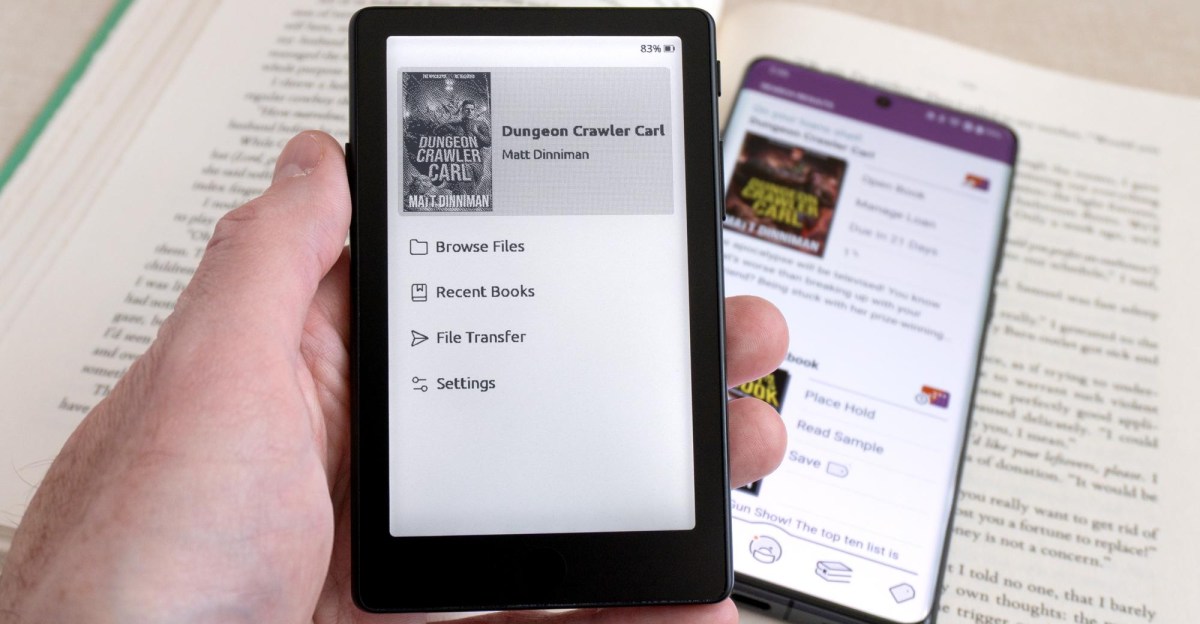
Xteink’s budget-friendly e-readers are gaining access to DRM-protected library ebooks through a new plugin system in CrossPoint Reader, the open-source alternative firmware for the X3, X4, and X4 Pro devices. The breakthrough addresses one of Xteink’s primary limitations compared to Kindle and Kobo—seamless access to tens of thousands of library titles through OverDrive’s Libby app. By enabling third-party plugins, developers have created a pathway to bring library lending functionality to users who prefer smaller, more affordable e-ink devices. The plugin architecture also opens the door to additional functionality expansions from the community, potentially making Xteink devices more competitive with established ebook ecosystems while preserving their privacy-first positioning and lower price points.
Google Expands Android Auto with Native YouTube Integration

Google has begun rolling out native YouTube integration to Android Auto, delivering long-awaited direct access to video content on car displays. The feature eliminates the need for third-party workarounds and allows drivers to browse and queue videos through the Android Auto interface while parked or via voice commands while driving. The implementation includes safety considerations—the interface prevents active video playback while the vehicle is in motion—and integrates YouTube’s recommendation and playlist features into the driving experience. The rollout is gradual, with availability expanding to compatible head units and aftermarket systems over the coming weeks. For Android Auto users, the addition of YouTube completes the multimedia ecosystem alongside music streaming, podcasts, and mapping, positioning Android Auto as a more comprehensive in-vehicle platform.
In Brief
- KDE Plasma 6.8 continues summer polishing with improved mouse and touchpad sensitivity tuning, giving desktop users finer control over input device behavior. — Phoronix
- Debian developers vote on AI and LLM usage policies within the project, reflecting broader open-source community debate around acceptable AI contributions. — Phoronix
Compiled from the configured RSS feed.