Tech News Roundup — August 15, 2026 (AM)
Windows and Google both made significant product moves this week. Microsoft is reversing one of Windows 11’s most controversial UI decisions, while Google is locking new Pixel 11 features behind hardware exclusivity. Elsewhere, gaming and Linux development continue their steady march forward.
Windows 11 Finally Restores Taskbar Movement
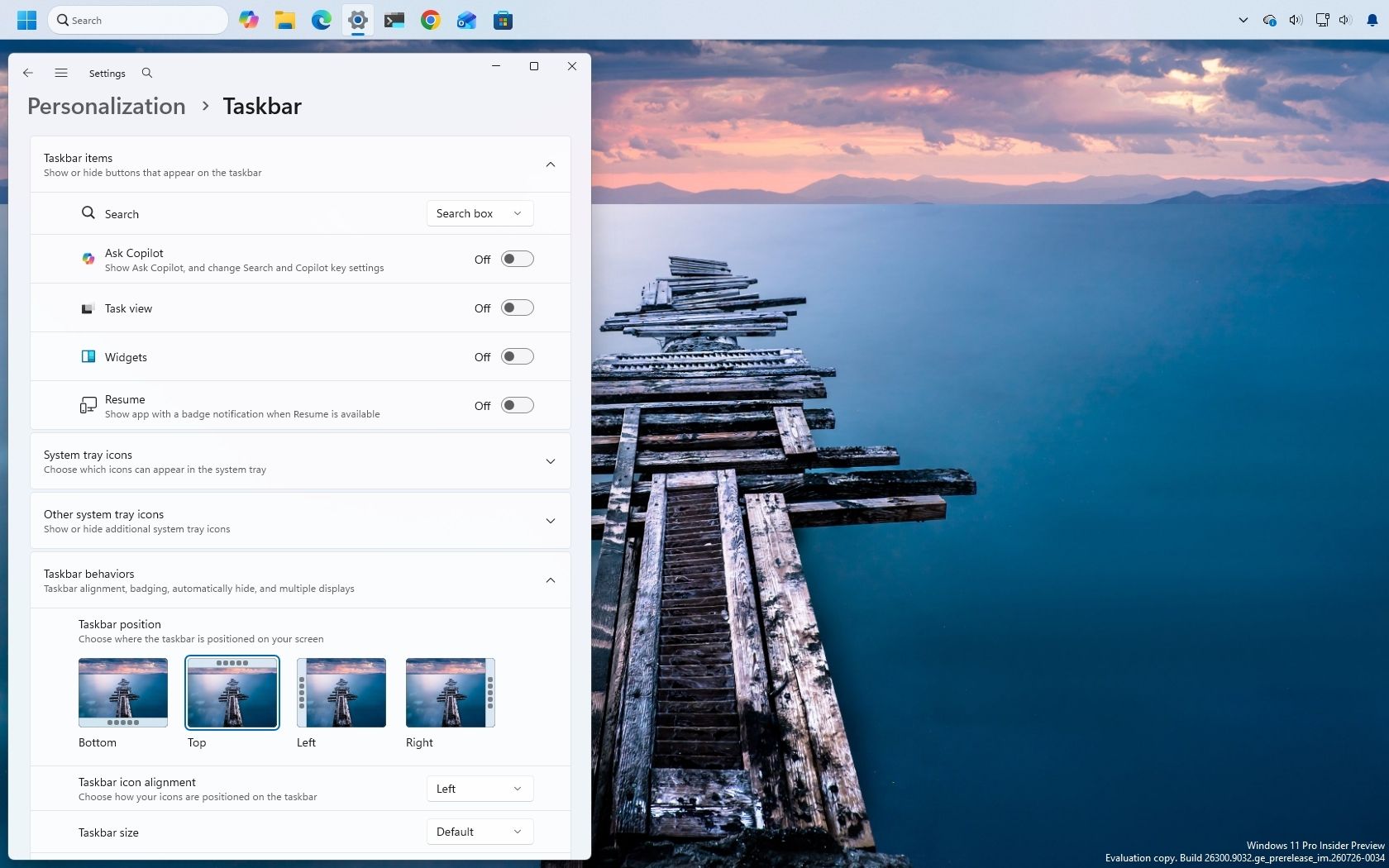
After years of complaints, Microsoft is finally preparing to let users move the Windows 11 taskbar from its locked bottom position. The feature has been in testing for months and is now on the brink of a broader release, marking a major reversal of one of Windows 11’s earliest and most controversial design decisions. Users frustrated by the inability to customize this fundamental interface element will soon regain control—a win for desktop customization advocates who’ve been asking for this since launch.
Google Pixel 11 Locks Premium Camera AI to Flagship Hardware
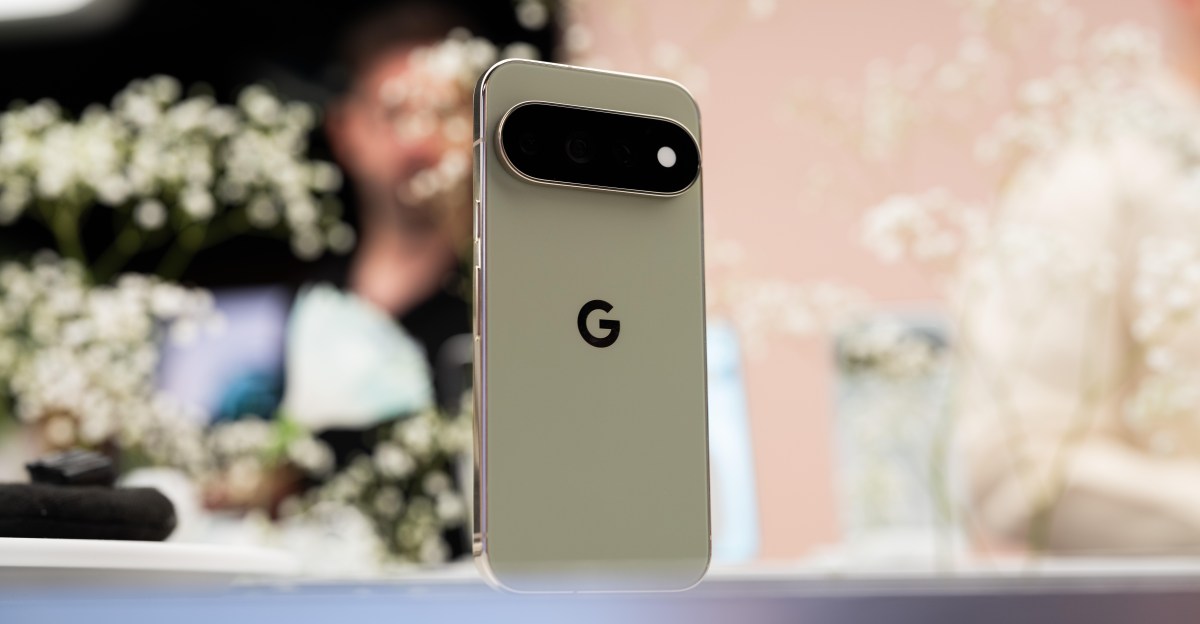
Google unveiled exclusive camera enhancements for the Pixel 11 series that older phones won’t receive. The new AI-powered camera features offer significant computational photography advances—but they’re locked to the latest hardware, forcing users to upgrade for the best results. This strategy mirrors Apple’s approach of segmenting features by device generation, and continues Google’s pattern of using software as a hardware differentiator. The gesture recognition feature that converts real-time sign language to text is particularly notable, showing where Google is betting its AI development efforts.
S.T.A.L.K.E.R. 2 Ships Massive Free 2.0 Update Overhaul
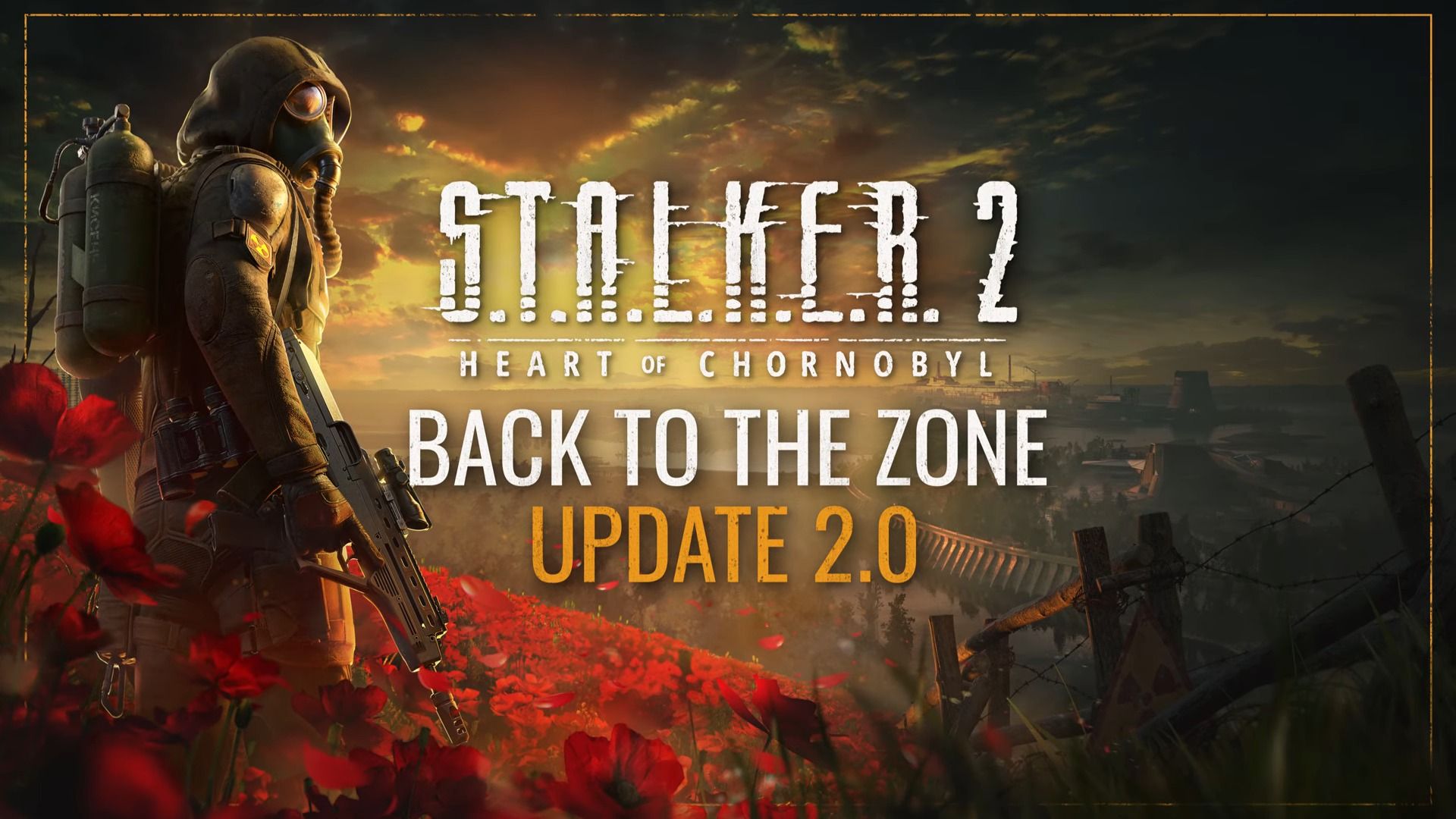
GSC Game World released the free 2.0 update for S.T.A.L.K.E.R. 2, a comprehensive overhaul that fundamentally reshapes the game’s content and balance. The update includes new gameplay trailers and is substantial enough to feel like a new game in many respects, even without the upcoming DLC. This demonstrates strong post-launch support and suggests the developer is committed to evolving the title beyond its original scope. The magnitude of changes indicates GSC is treating player feedback seriously and investing in long-term community engagement.
AMD Advances Linux Graphics with GFX 12.1 RAS Support

AMD submitted a massive 109-patch series implementing Reliability, Availability, and Serviceability (RAS) support for the GFX 12.1 graphics architecture. The patches target AMD’s RDNA 4 and next-generation GPUs, adding enterprise-grade fault tolerance and error detection capabilities to open-source Linux drivers. This effort underscores AMD’s commitment to enabling AMD hardware for demanding compute and graphics workloads on Linux, bringing parity with proprietary drivers in production environments. The scale of the submission reflects the complexity of implementing modern GPU reliability features at the kernel level.
Samsung Develops New Galaxy H1 Over-Ear Headphones
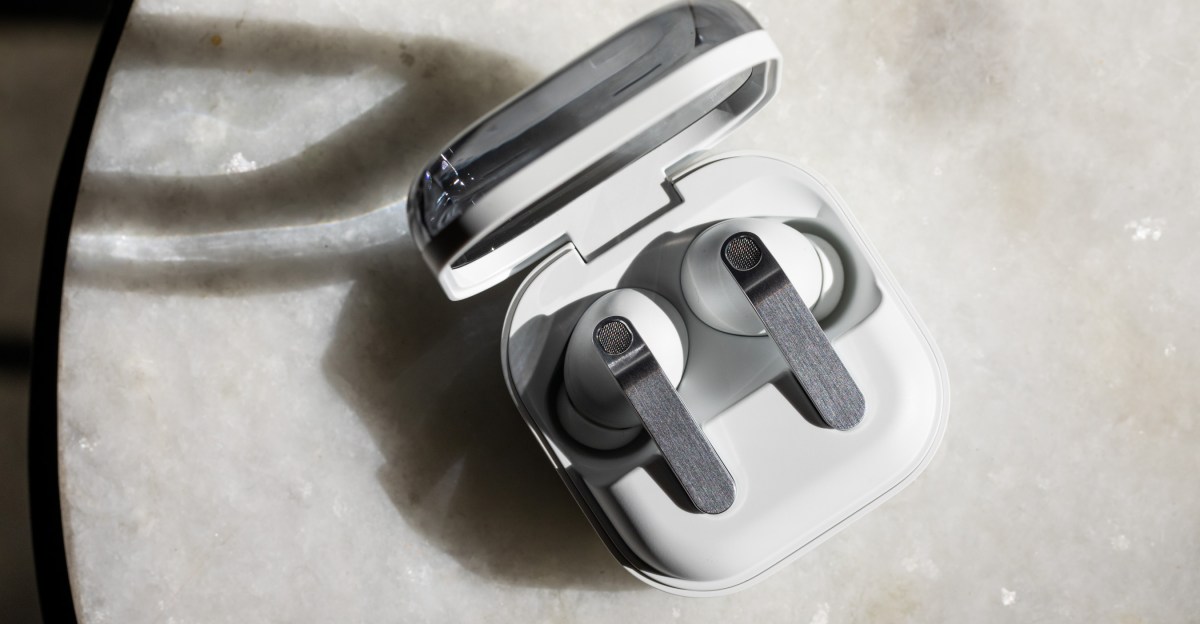
Samsung is developing the Galaxy H1, a new over-ear headphone model in its Galaxy audio ecosystem. The devices are still in development but represent Samsung’s continued push into premium personal audio, complementing its existing earbuds and speaker lineup. The move aligns with the broader trend of device manufacturers building complete audio ecosystems tied to their hardware platforms and software services.
In Brief
- D7VK 2.1 gaming layer now offers faster load times and improved performance tweaks for DirectX to Vulkan translation on Linux.
- Omarchy 4.0 Linux distro shipped with its desktop shell now fully implemented via Quickshell, a significant architectural overhaul.
- Microsoft Flight Simulator 2024 Sim Update 6 is now available, bringing new aircraft, airports, and simulation improvements to the platform.
Compiled from the configured RSS feed.