
Tech News Roundup — August 14, 2026 (AM)

Tech regulation tightens as courts enforce app-store competition, while AI tools mature for professional use and cybersecurity threats intensify across consumer and corporate landscapes.
Judge Deals Google Major Antitrust Loss — Ordered to Ease Rival App Store Access

A federal judge has ordered Google to make it significantly easier for users to install rival app stores on Android devices. Judge James Donato ruled that Google must carry competing app stores inside its own Google Play Store and provide rivals with complete access to its infrastructure. The order follows nearly three years of litigation stemming from Epic Games’ lawsuit accusing Google of maintaining an illegal monopoly over Android app distribution. This ruling represents a major structural blow to Google’s control over the Android ecosystem and caps a sustained legal campaign by both Epic and app developers seeking fairer platform practices.
Suno Evolves AI Music Generation Into Studio-Grade Tools

Suno has launched Studio 2.0, a major upgrade positioning its AI music platform as a legitimate music production tool rather than a novelty generator. The update adds MIDI import and export for direct DAW integration, a custom AI effects module, and a new chatbot-driven workflow for more granular control over composition. These additions reflect growing demand from professional musicians and producers who want AI as a collaborator within existing workflows. The shift signals maturation in the AI music space, where tools are moving beyond one-click generation toward integration with established production practices.
Apple Issues Urgent Security Warnings Over Mercenary Spyware Targeting Millions
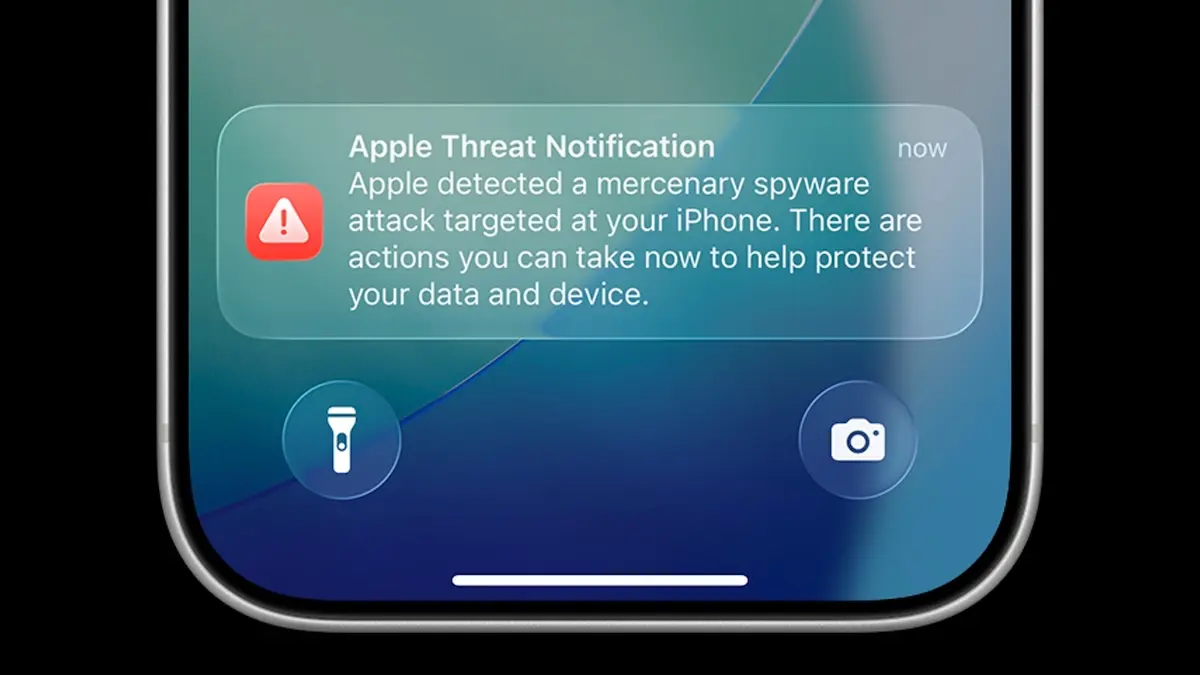
Apple has dispatched fresh security warnings to users in 110 countries alerting them to targeted spyware attacks, bringing the total number of affected nations to over 150. The notifications identify sophisticated nation-state-grade malware — the kind associated with mercenary surveillance firms like NSO Group’s Pegasus. Apple now displays the alert directly on the device lock screen to ensure visibility, alongside email notifications and App ID sign-in alerts. The warnings do not confirm successful compromise but signal that Apple’s threat detection systems have identified the user as a target. Security experts emphasize the urgency of immediately activating Advanced Data Protection and other hardening features offered by Apple’s security tools.
Ford’s $28,000 Fathom EV Nears Production After $2 Billion Factory Overhaul

Ford’s affordable Fathom EV is moving into final production phases at a heavily retooled Louisville assembly plant. The $28,000 price point represents a significant milestone in mass-market electrification, undercutting most competitors and bringing EV ownership within reach of mainstream buyers. Ford has invested $2 billion in transforming the facility and redesigning supply chains to support cost-effective production. The Fathom’s imminent launch signals that affordable, profitable EV manufacturing at scale is now within reach for legacy automakers — a turning point in the industry’s EV transition.
Instagram Receives First Major Logo Redesign in Over a Decade

Instagram has unveiled a complete redesign of its iconic camera logo for the first time in over ten years. The new mark embraces a gradient aesthetic and more modern linework while retaining enough visual continuity to remain recognizable. The redesign reflects broader trends in tech rebranding toward softer, more approachable aesthetics. Meta rolled out the change across all platforms, including thumbnails, app icons, and brand materials, signaling a refresh of the platform’s visual identity as it competes with younger platforms like TikTok and BeReal.
Trump Administration Policy Allows Private Firms to Conduct International Cyberattacks

The Trump administration has announced a shift in cyber policy permitting private companies to conduct offensive cyberattacks against foreign targets without prior government approval. The move represents a significant loosening of restrictions that previously limited private-sector cyber operations to defensive measures. Security experts warn the policy creates a murky legal and diplomatic landscape where private firms could launch attacks without clear accountability or international coordination. The policy raises concerns about escalation, collateral damage, and the potential weaponization of cyber capabilities by commercial entities operating with minimal oversight.
In Brief
- Framework Laptop Pro 13 sees tangible performance gains with Linux 7.1+ — Phoronix benchmarks show measurable improvements for the Core Ultra X9-powered model when running newer kernel versions, benefiting both the Framework and other Panther Lake laptops. Phoronix
- OLED monitor shipments surge 98% year-over-year — Demand for OLED display technology is accelerating across gaming and professional workstations, driven by performance and falling prices. Windows Central
- Meta adds AI scam detection to WhatsApp — The platform now uses machine learning to screen incoming messages and alert users to common fraud patterns before they open the message. The Verge
Compiled from the configured RSS feed.