
Tech News Roundup — August 12, 2026 (AM)
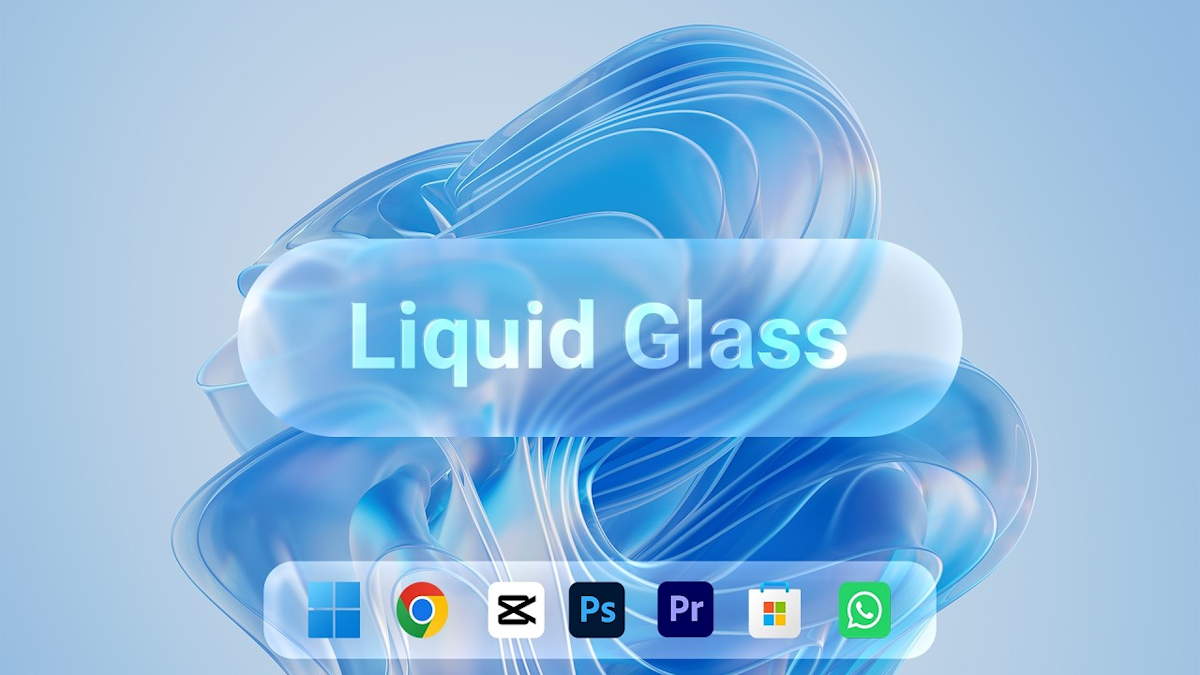
The NOON roundup is light by design — the AM edition drained most of the morning backlog, leaving only three fresh items from Phoronix and Pplware. The biggest of the three is a definitive Microsoft statement against a “Liquid Glass” transparency layer for Windows 11, the most useful is Spotify’s detailed timeline for labelling AI virtual artists, and the quietest is a sizeable QEMU release that touches RISC-V, Arm, and storage emulation.
Microsoft Officially Rejects a Liquid Glass-Style Transparency Layer for Windows 11
After weeks of user requests to mirror iOS 26’s new “Liquid Glass” transparency design, the Windows 11 design team has formally closed the door. Microsoft says applying that level of translucency at scale would compromise the contrast and legibility that menus, system text, and accessibility features rely on — and that the legacy internals of Windows can’t simply be re-skinned without risking instability or performance regressions. Power users who still want the look will have to keep relying on third-party tools such as Windhawk, with Microsoft explicitly warning that unofficial mods can break the OS.
Spotify Lays Out the Timeline for Banning AI Virtual Artists
Spotify has confirmed the rollout details for its new policy on AI-generated personas. From mid-September, profiles that use synthetic faces or fabricated identities will be clearly labelled in the artist page, in search results, and in the now-playing bar, and Spotify’s algorithm will stop recommending them in Release Radar, Daily Mix, and other personalised playlists — making these accounts reachable only by direct search. The platform will accept voluntary disclosures from creators but will also tag high-visibility accounts through its own verification team, with an appeals channel for mislabelled artists. Real musicians who happen to use AI tools in composition, arrangement, or mastering are explicitly carved out, provided they disclose AI usage in the track credits.
QEMU 11.1 Released With UFS 4.1 and RISC-V Big-Endian Support
QEMU 11.1 is out today, with Michael Larabel noting no single dominant feature but plenty of substance across the board. Storage emulation gains UFS Write Booster support based on the UFS 4.1 specification, plus Host Initiated Defragmentation emulation. RISC-V picks up the Zvfbfa extension and, notably, big-endian support. Arm sees additional CPU architectural features, the GUI gets various improvements, and the user-mode emulation path gets its own set of cleanups. Full changelog is on the QEMU Wiki, downloads at qemu.org.
Roundup compiled from the TTRSS Tech feed. 3 articles from 2 sources reviewed; 3 stories covered.