
Tech News Roundup — August 11, 2026 (AM)
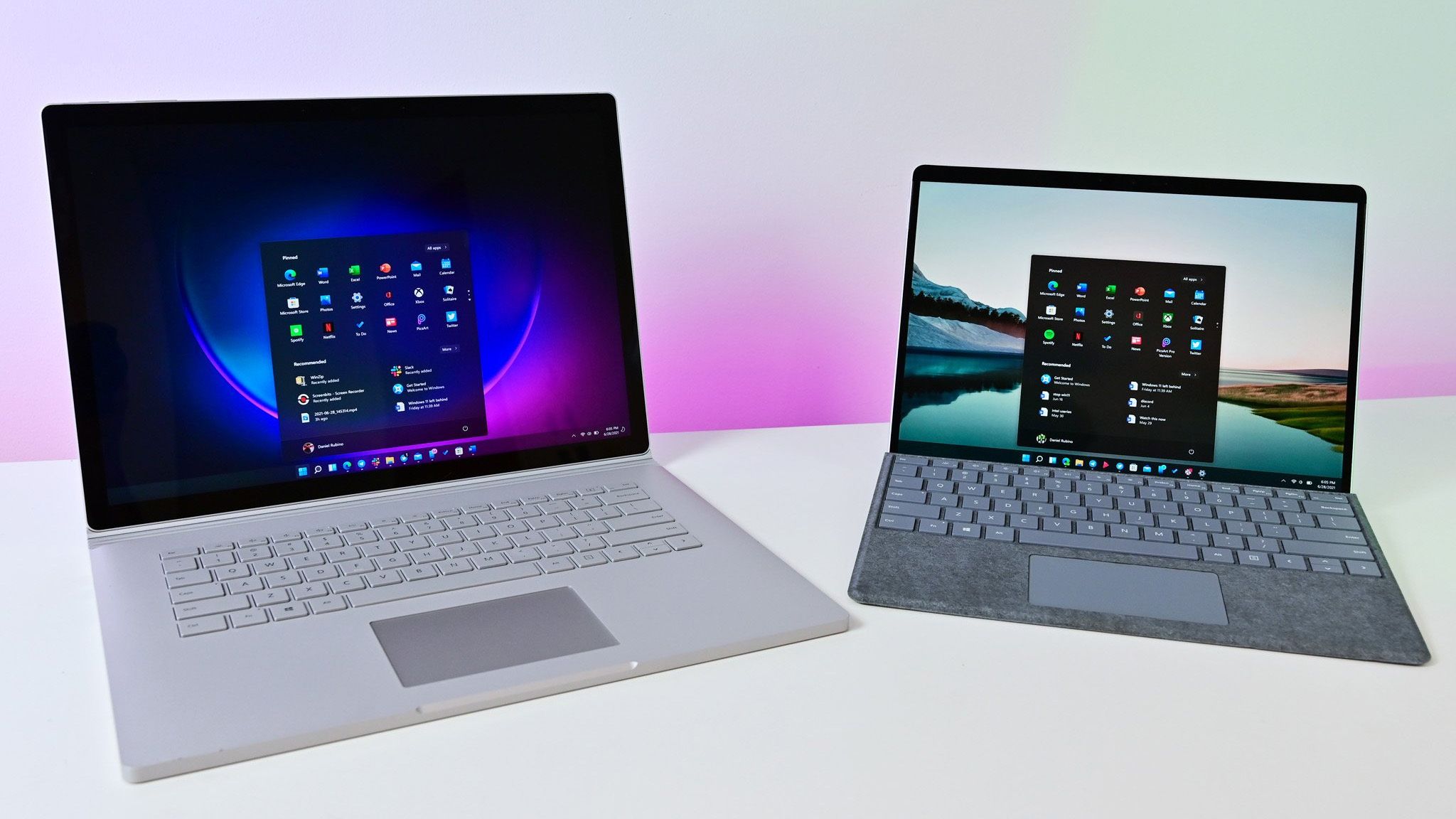
Microsoft lands a second price hike on PC makers on top of the RAM crisis, the Rust-based open-source NVIDIA “Nova” driver gains more functionality ahead of Linux 7.3, Mark Zuckerberg publishes a 6,500-word essay on superintelligence, Google gets ready for a Trevor Noah-hosted evening Pixel launch, X sunsets its revenue-sharing program for creators, and Windows 11 quietly phases out picture passwords.
Microsoft hikes Windows OEM licensing 7–10% as the RAM crisis deepens
Microsoft is raising the cost of Windows license fees for hardware makers by 7–10% starting in July, according to Taiwanese publication United Daily News — far steeper than the typical low-single-digit annual increase OEMs have come to expect. With memory components already in a price spiral, OEMs are now looking at being squeezed from both sides, and UDC reports that laptop pricing is already being impacted. Microsoft declined to comment.
The compounding effect is what’s notable here: a 7–10% license bump is large on its own, but it lands on top of a RAM market where prices have climbed relentlessly for the last year, with analysts warning the worst is still ahead. The result is a Windows PC market where every line item is moving in the same direction, and consumers will absorb it.
Linux 7.3: Rust-based open-source NVIDIA “Nova” driver gains more functionality
The DRM-Next pull request for Linux 7.3 includes continued work on the Nova Rust driver — the open-source successor to Nouveau for NVIDIA GPU support — alongside a parallel Tyr driver in development for Arm Mali. The Rust infrastructure work in the DRM core keeps expanding to support both, and Nova specifically is gaining functionality ahead of the 7.3 merge window.
The bigger story is that Nova is no longer theoretical: it ships code, it lands in DRM-Next, and it’s tracking alongside Tyr as the two leading Rust-based DRM drivers. The push toward memory-safe kernel graphics is now visible in the upstream cadence, not just talk at conferences.
Zuckerberg publishes a 6,500-word manifesto on superintelligent AI
Meta CEO Mark Zuckerberg released a lengthy essay this week titled “The Future is for Everyone,” laying out his beliefs on how superintelligent AI should be developed, expanded, and regulated, and how Meta is positioning itself to enable those goals. Some points echo a public letter he put out last year heralding public access to superintelligent AI, but the new essay is a substantially more detailed document — and a more open assertion of Meta’s role in shaping the path.
The piece comes as Meta continues to pour resources into AI infrastructure and has been actively recruiting top researchers. The framing — “for everyone,” with public access as a core principle — is also a not-so-subtle contrast with competitors who lean toward closed or premium-only access models.
Google prepares a Trevor Noah-hosted evening Pixel launch
Google’s annual Made by Google hardware event lands Wednesday at 6PM ET / 3PM PT — an unusual evening slot, breaking from the typical mid-morning or early-afternoon timing most tech launches use. Comedian Trevor Noah is hosting. The company has already teased new slab-style and foldable Pixel smartphones; leaks point to updated watches, a new earbud color, and potentially a brand-new AirTag-style item tracker.
The shift to an evening slot and a celebrity host is a marketing decision aimed at reaching a broader consumer audience — not just the morning tech press that usually covers these events. It also creates a cleaner product cycle, with announcements landing before the holiday season.
X scraps revenue-sharing for “Original Content Rewards”
X is ending its creator revenue-sharing program on September 8th and replacing it with a new Original Content Rewards model. To qualify, creators will need at least 500 verified followers and at least 500,000 Home Timeline impressions from verified users in the last 90 days, among other requirements. Payouts will be based on “qualified impressions” from Premium subscribers on the Home Timeline, with at least 50% of the post visible.
The shift is the latest in a string of revisions to X’s creator monetization under Elon Musk, each of which has narrowed eligibility and tightened the rules. The new program’s emphasis on “original” content and verified-impression thresholds is a clear move away from rewarding general engagement.
Windows 11 quietly kills picture passwords
Microsoft is phasing out the picture password sign-in option that debuted in Windows 8. New picture passwords can no longer be set, though existing ones continue to work for now. The push is toward PINs, biometrics, and passkeys — which Microsoft considers more secure. The decision is informed by long-standing research, including a 2013 paper highlighting that picture passwords can be guessed via smudge patterns on the screen.
Picture passwords were a touch-centric feature designed for the Windows 8 era of tablets and convertibles, and Microsoft has been gradually de-emphasizing them across Windows 10 and 11. This update is the formal end of new setup.
In Brief
- Linux 7.3 also brings a KCFI optimization that benefits older Intel CPUs, alongside the Nova driver work. Phoronix
- Fedora CoreOS will enable systemd-oomd and zRAM swap by default. Phoronix
- Linux Mint improves kernel management and adds system-wide environment variable settings. Phoronix
- Qt Toolkit is introducing an Edge AI submodule, initially for vision AI. Phoronix
- Intel Xeon 678X Windows 11 vs. Ubuntu 26.04 benchmarks land on Phoronix with the HP Z4 G6i. Phoronix
- Xbox CTO shares a transparent explanation of Xbox Live’s recent downtime. Windows Central
- Australia forces Xbox to require age verification, and has also resumed banning games. Windows Central
- Microsoft OneDrive Photos app is being kept but will get a way to remove it. Windows Central
- Notchify brings a macOS-style “Dynamic Island” flair to Windows 11. Windows Central
- Bluesky now lets you hide reposts from specific accounts you follow. [The Verge]
- YouTube is making it harder to earn money under the YouTube Partner Program. [The Verge]
- Apple will stream Friday Night Baseball live in Vision Pro. [The Verge]
- Boeing is selling its air taxi startups to Archer Aviation. [The Verge]
- An Amazon data center could host the worst-polluting power plant in the country. [The Verge]
- A third-party developer brought Microsoft Copilot to Linux despite Microsoft not supporting it. Pplware
- Apple released iOS 27 beta 5 to developers. Pplware
Roundup compiled from the TTRSS Tech feed. 42 articles from 4 sources (Phoronix, Pplware, The Verge, Windows Central) reviewed; 6 thematic stories selected.