
Iran Conflict — 2026-11-08 (AM)
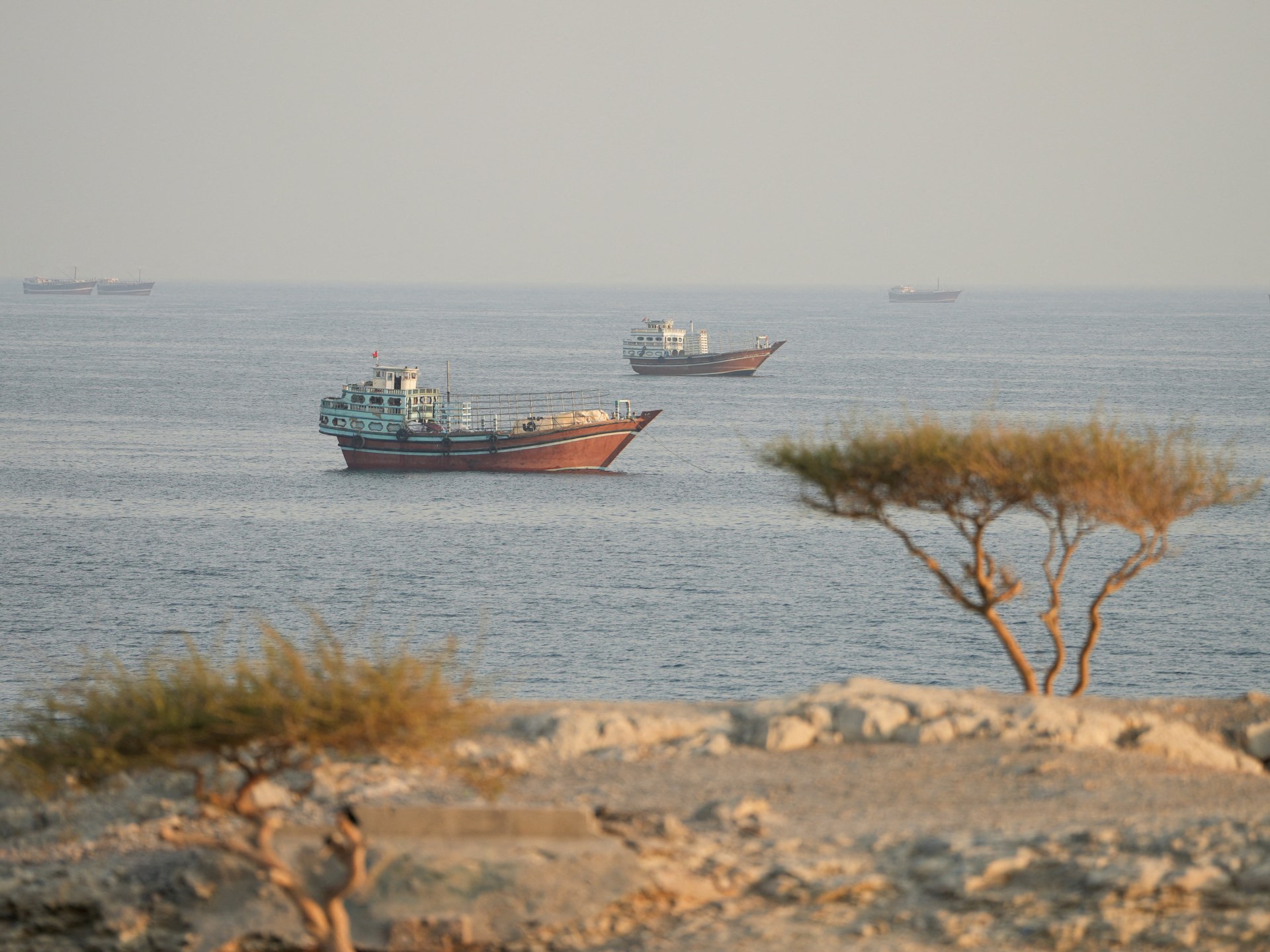
Blasts on Iran’s Qeshm Island in the Strait of Hormuz marked a new escalation in the Iran-US conflict, while diplomatic efforts continue to prevent further deterioration. The incidents highlight the ongoing tension across the Persian Gulf as the United States implements new economic and military pressure on Iran, even as Israeli politics undergoes significant upheaval with the selection of an opposition candidate to form government—a potential shift that may influence regional dynamics. Across the region, humanitarian crises mount in Yemen and Gaza.
Iran escalates military posture as US tightens maritime blockade
Iranian state media reported blasts on Qeshm Island, one of Iran’s strategic military locations in the Strait of Hormuz, along with strikes in the cities of Jask, Sirik, and Bandar Abbas on the southern coast. The explosions underscore the intensity of the ongoing conflict and Iran’s determination to maintain military readiness. Simultaneously, the United States announced plans to expand its naval blockade beyond maritime restrictions, moving to restrict Iranian land commerce through neighboring countries. International mediators are working to de-escalate the situation and prevent a wider regional conflict, though the trajectory of escalation remains concerning.
Israel’s political realignment: Opposition leader Eisenkot asked to form government over Netanyahu
Israel’s president tapped opposition leader Gadi Eisenkot, a former military chief, to form the next government in a stunning blow to Prime Minister Benjamin Netanyahu. The decision came after coalition negotiations broke down, shifting power away from Netanyahu to his longtime rival Eisenkot. This political upheaval could signal a new direction for Israeli policy at a critical moment in the regional conflict. Eisenkot has pledged to pursue a different approach, and his government formation could influence the trajectory of Israel’s military operations and diplomatic stance toward Iran and Palestinian territories.
Yemen crisis deepens as strikes kill 27 in Sanaa province
Yemeni government forces reported significant advances against Houthi positions, but civilians bore the brunt of the intensifying conflict. At least 27 people were killed in strikes on a village in Sanaa province as fighting escalated. The humanitarian toll in Yemen continues to mount, with ongoing attacks displacing civilians and destroying vital infrastructure. Reports indicate government forces are making military gains, but the civilian population faces mounting casualties and humanitarian hardship amid the protracted conflict.
Gaza displacement crisis worsens as heavy rains flood camps
Heavy rains have flooded displacement camps across Gaza, compounding the humanitarian crisis facing the enclave’s population. Thousands of families living in makeshift tents have been affected, and damaged buildings damaged in Israeli operations risk collapse as water inundates the region. The intersection of ongoing conflict, displacement, and natural disasters has created a dire situation for Gaza’s civilians.
Iran’s IRGC announces underground weapons production sites
Iran’s Islamic Revolutionary Guard Corps announced its expansion of underground military complexes designed for weapons production and storage. The IRGC stated that these underground installations are strategically positioned to allow missile production to continue even under heavy bombardment. The announcement reflects Iran’s strategy to harden its military infrastructure against sustained attacks and maintain deterrent capabilities despite international pressure and military operations.
Compiled from the configured RSS feed.