
Iran Conflict — 2026-11-06 (NOON)
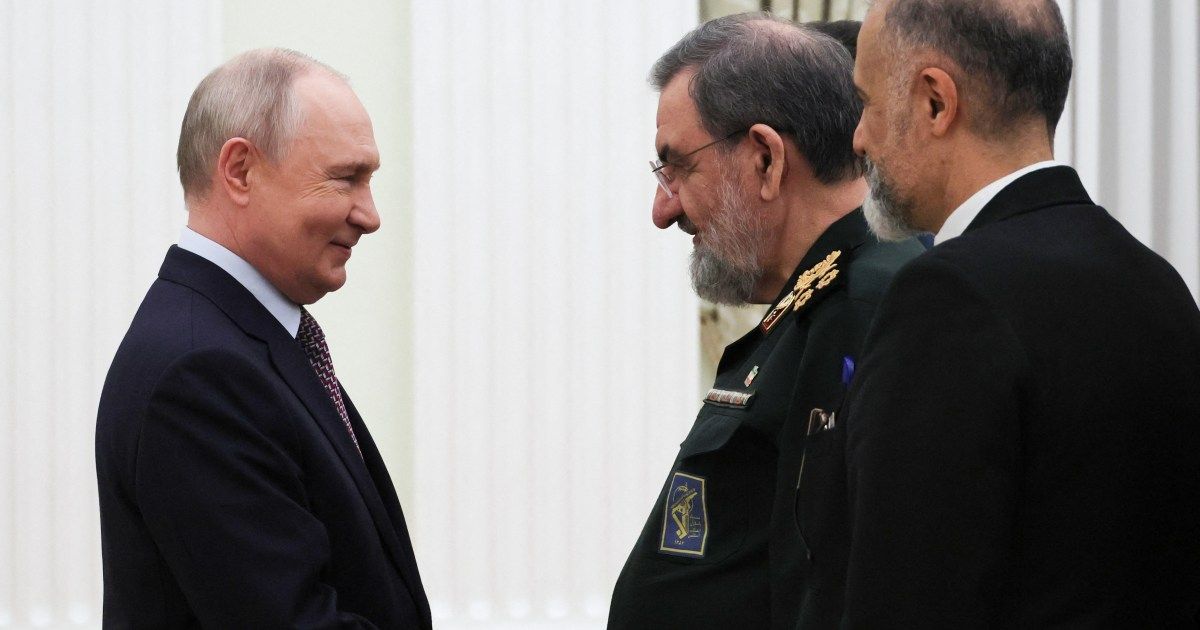
As tensions remain elevated following post-election shifts in U.S. policy, regional actors intensify diplomatic moves. Iran’s security leadership met Russian counterparts with a direct message from Supreme Leader Khamenei, while Tehran simultaneously managed sanctions exposure through selective Hormuz access policies. Oil markets reflected the uncertainty, with analysts warning of potential triple-digit prices.
Iran’s Security Chief Delivers Khamenei Message to Putin
Iran’s top security official met with Russian leadership to convey a message from Supreme Leader Ayatollah Ali Khamenei, signaling direct coordination between Tehran and Moscow on regional security matters. The meeting underscores the deepening Iran-Russia partnership amid escalating U.S.-Iran tensions and suggests Iran is leveraging its relationship with Russia as geopolitical pressure mounts.
Iran Exempts India, China, Qatar, and Iraq from Hormuz Shipping Restrictions
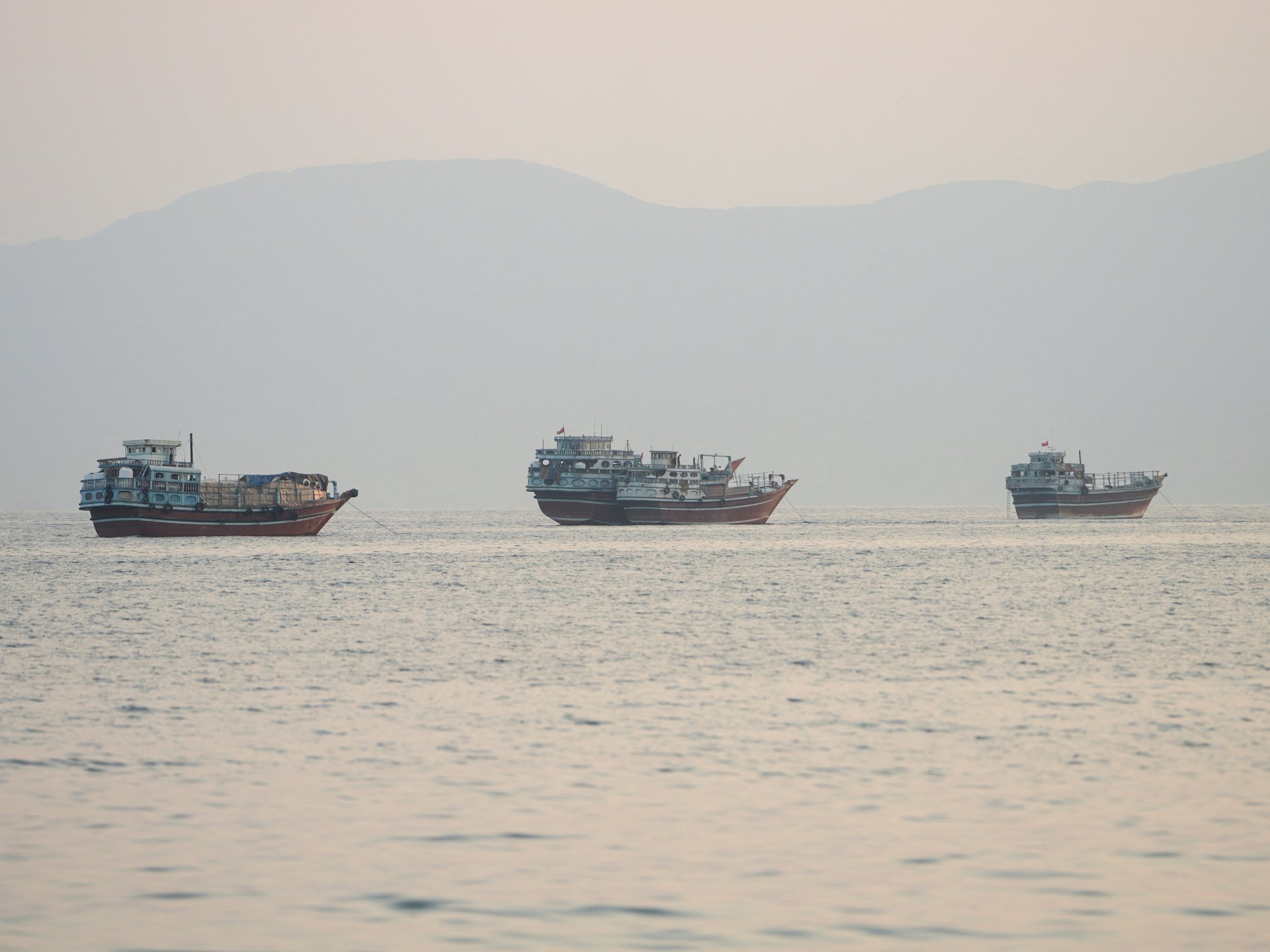
Tehran has exempted four key trading partners—India, China, Qatar, and Iraq—from its proposed restrictions on Hormuz Strait shipping, a strategic move that economists say carries both political and economic implications. The selective exemptions suggest Iran is attempting to manage sanctions while maintaining critical economic relationships, though analysts warn the policy underscores the fragility of regional shipping security.
Oil Prices Climb as U.S.-Iran Conflict Risks Mount Post-Election

Energy analysts predict that renewed U.S.-Iran tensions could drive both Brent and West Texas Intermediate crude futures above $100 per barrel, reflecting investor concerns about potential military escalation and Hormuz disruptions. Markets are pricing in elevated geopolitical risk following the U.S. midterm elections and the shift in policy toward Iran that observers anticipate.
Iraq Calls for Neutrality as Baghdad Seeks to Avoid U.S.-Iran Conflict
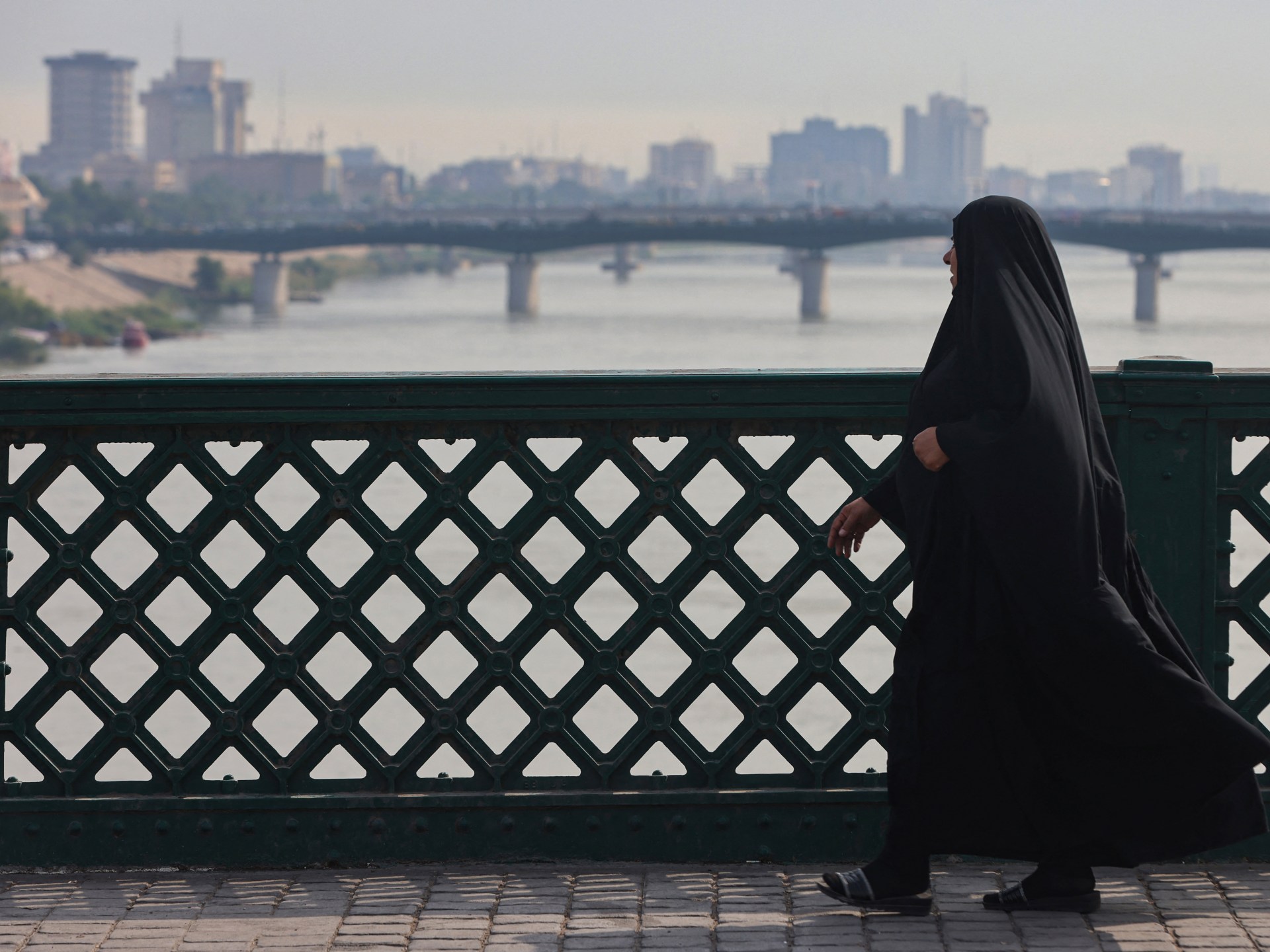
Iraq’s top diplomat held talks with U.S. officials while urging armed groups within Iraqi territory to refrain from joining any potential Iranian retaliation against American interests. The dual diplomacy reflects Baghdad’s precarious position between Washington and Tehran and its desire to avoid becoming a theater for U.S.-Iran proxy conflict. Iraqi leaders fear their country could be drawn into escalation despite official neutrality declarations.
Compiled from the configured RSS feed.