
Iran Conflict — 2026-11-04 (PM)
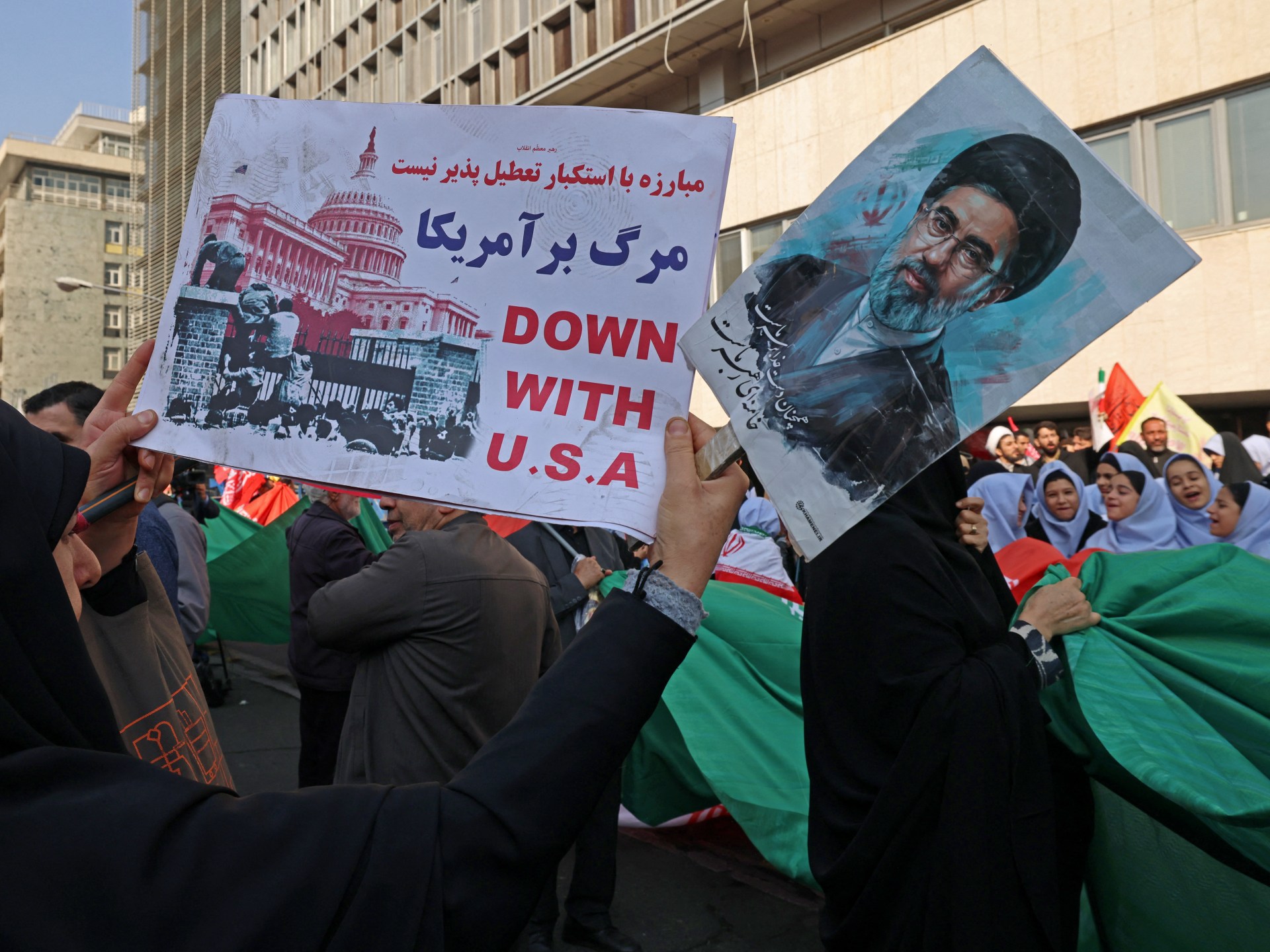
Iran’s leadership is expressing cautious optimism over the Democratic midterm victory in the United States, viewing the electoral shift as a potential brake on military escalation. However, Supreme Leader Khamenei has tempered expectations, signaling that the fundamental US hostility toward Iran will persist regardless of which party controls Congress.
Iran Interprets Democratic Victory as Anti-War Signal
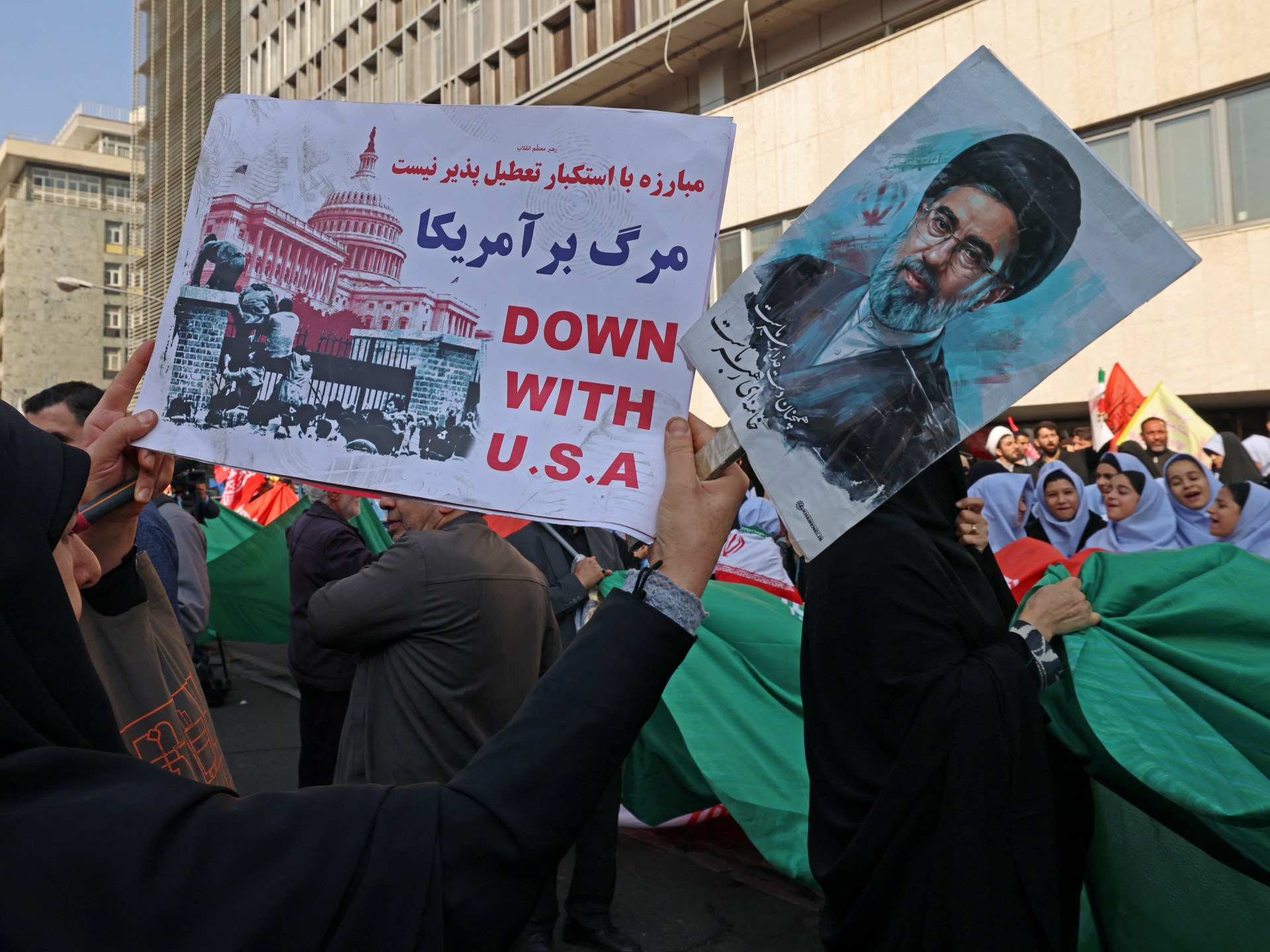
Iranian officials are hailing the Democratic midterm victories as a rejection of war by American voters. State media and officials have highlighted the anti-war sentiment expressed in the elections, positioning the vote as a public rebuke to military intervention policies. However, Supreme Leader Khamenei struck a more cautious note, warning that despite the electoral outcome, US hostility toward Iran will not fundamentally change. His statement reflects Iran’s skeptical view that shifts in Congressional control may create tactical opportunities but no permanent strategic shift in US posture.
Democrats Face Limits on Reversing Iran War Policy
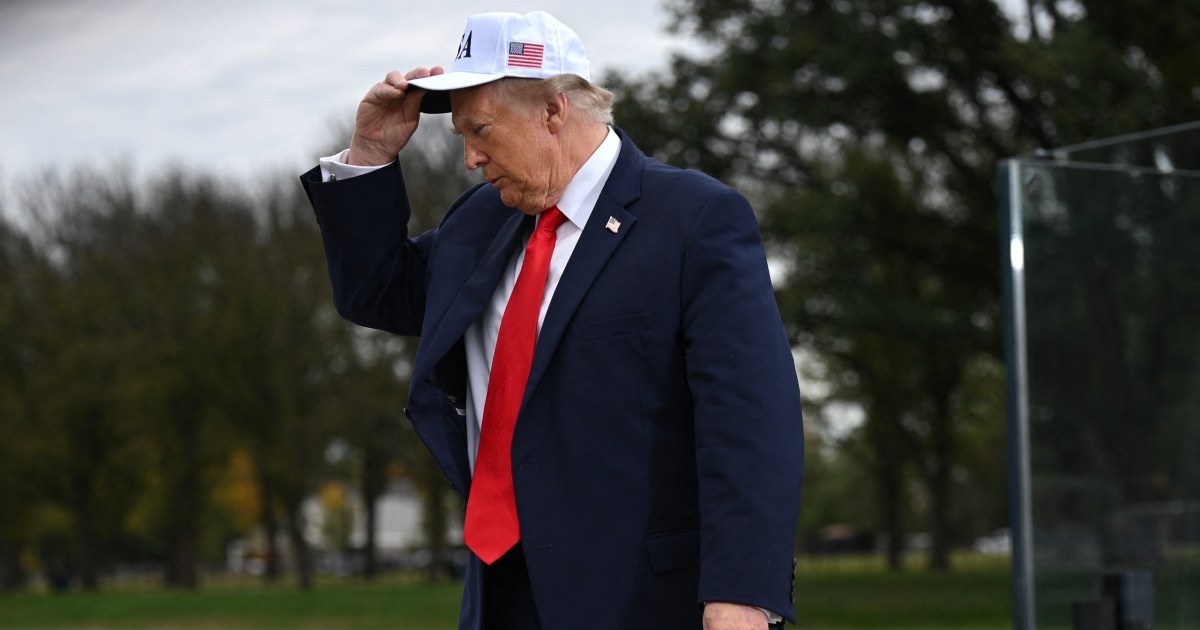
Despite winning control of both chambers, Democrats confront structural constraints on their ability to reverse Trump-era Iran policy. While the party can block new Republican legislative initiatives and launch investigations into past decisions, the Democrats lack the two-thirds majority required to override presidential vetoes. This means any Democratic attempt to restart nuclear negotiations or lift Trump-era sanctions would face certain rejection if contested by the administration. The split control creates a period of gridlock where military escalation remains possible but sustained new offensives may face Congressional resistance.
Iran Navigates Between Escalation and Negotiation
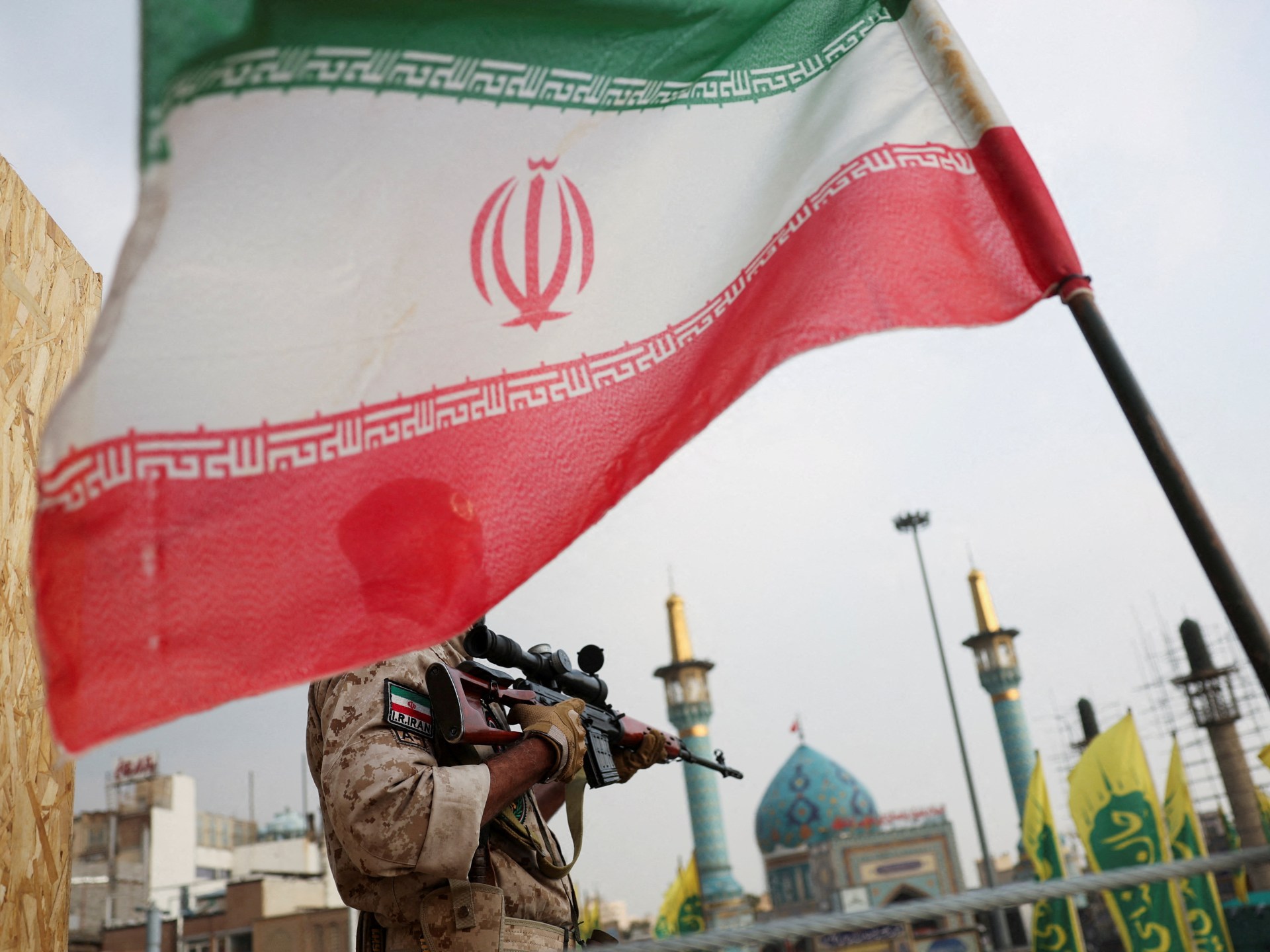
Iran’s leadership is actively deliberating its strategic response to continued US pressure, caught between impulses toward escalation and diplomatic engagement. The question of who determines Iran’s fighting and negotiating position—whether the Revolutionary Guard Corps, civilian government, or Supreme Leader—remains contested internally. The midterm results may have shifted some calculations, but Iran remains on the brink of potential escalation with the US even as some channels for negotiation persist. This tension reflects the ongoing uncertainty about whether the conflict will deepen militarily or move toward a negotiated settlement.
Yemen Conflict Escalates: Government Advances and Humanitarian Crisis
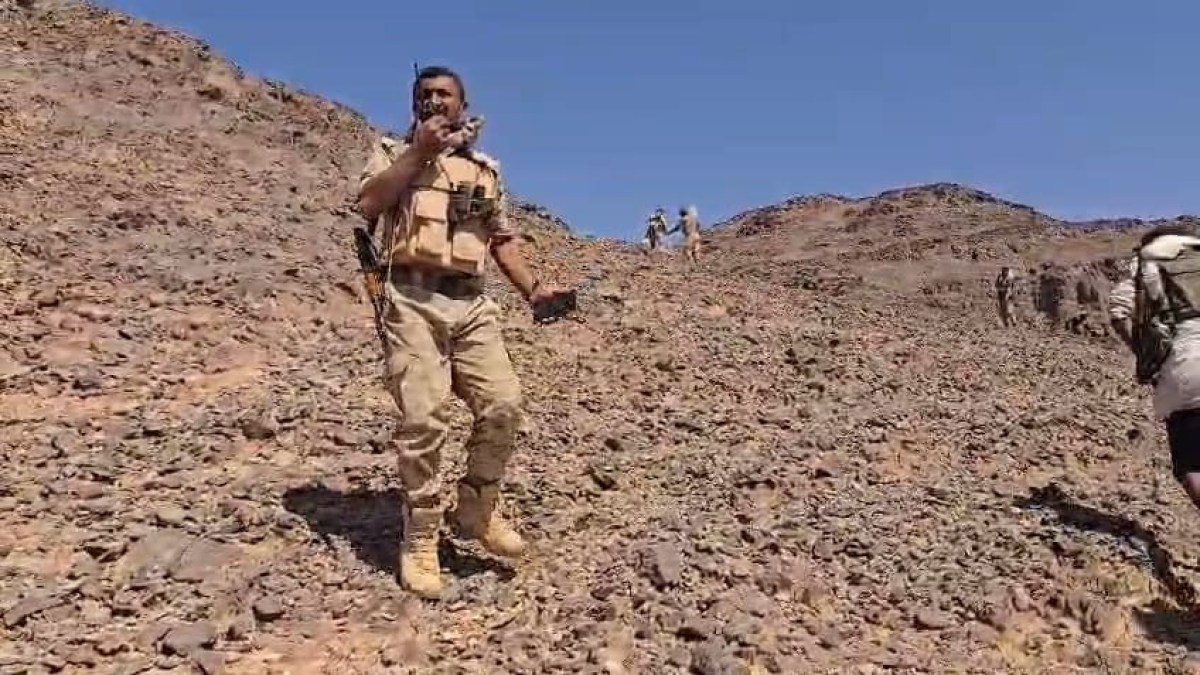
Fighting in Yemen has intensified across multiple fronts as Yemeni government forces report seizing control of strategic positions in the al-Jawf mountain range, including the al-Dahida heights. The advance comes amid broader escalation in al-Dhalea, Lahij, and Taiz provinces, where the Houthis have simultaneously launched a month-long siege of Taiz city. The dual dynamics—government military gains in some zones and Houthi pressure in others—reflect the fragmented nature of Yemen’s ongoing conflict, which remains intertwined with the broader Iran-US tensions through Iran’s support for Houthi forces.
Houthi Siege on Taiz Creates Humanitarian Catastrophe
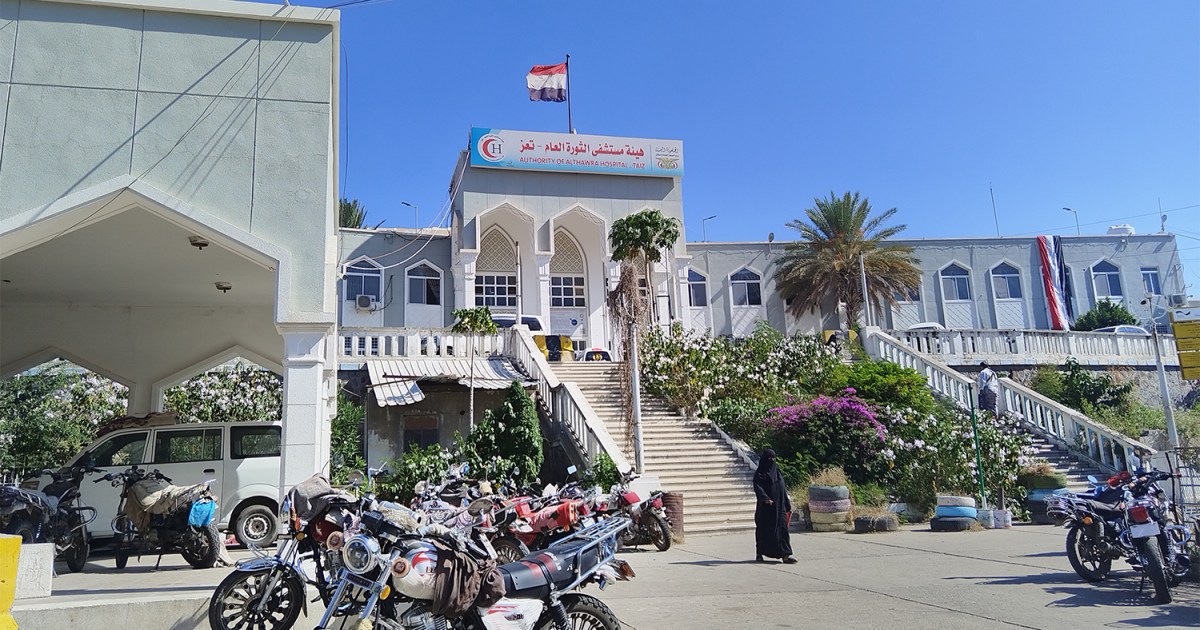
The Houthis’ month-long blockade of Taiz city is creating severe humanitarian conditions for trapped residents, with warnings from international observers of an impending “catastrophe.” The siege has cut off the flow of food, water, fuel, and medical supplies to the besieged population, compounding an already severe humanitarian crisis in one of Yemen’s largest cities. The military pressure by the Houthis, coupled with government advances elsewhere in the country, underscores how the Yemen conflict continues to generate mass civilian suffering even as military lines shift.
Compiled from Al Jazeera and international news sources.