
Iran Conflict — 2026-11-04 (NOON)
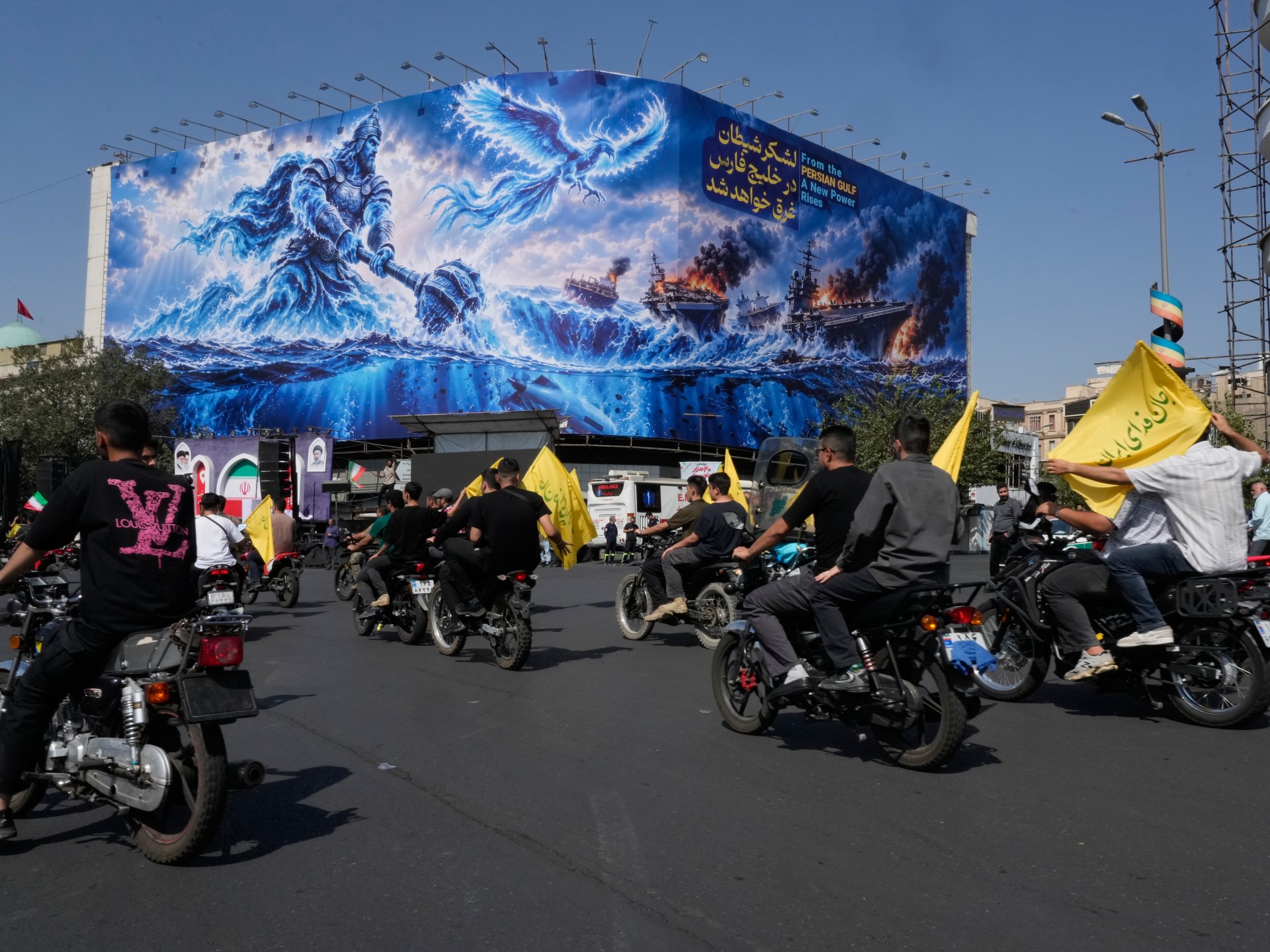
Following the US midterm elections, the Trump administration has signalled continued military pressure on Iran, with the President confirming that US forces struck an Iranian anti-aircraft facility this week. Amid escalating tensions, Iran dismissed American diplomatic proposals as unconvincing, while public opinion in Tehran increasingly favours abandoning the country’s longstanding pledge against nuclear weapons development. Gulf Arab states have intensified mediation efforts, fearing a renewal of direct military conflict between the US and Iran.
Trump Confirms US Military Strikes Amid Hormuz Tensions
President Trump confirmed Tuesday that the US military struck an Iranian anti-aircraft facility in response to Iranian attacks. The strikes come as indirect talks continue between Washington and Tehran over US proposals regarding the Strait of Hormuz. Iran rejected the American approach as “unconvincing,” and the two countries remain locked in a cycle of escalation and failed diplomacy. The latest military action raises questions about whether a full conflict renewal is imminent, particularly given Trump’s electoral focus on Iran as a campaign issue.
Iranian Public Opinion Shifts Toward Nuclear Weapons
Public sentiment in Iran has begun to move toward abandoning the country’s stated pledge not to develop nuclear weapons. Some Iranian clerics and government officials now argue that Iran must rebuild its deterrence by acquiring nuclear capability. The shift reflects deepening concerns among Iranians about security after months of military tensions with the United States, and represents a significant move in Tehran’s strategic thinking. Trump’s re-emphasis of Iran as a security threat during the midterm campaign may have accelerated this policy recalculation.
Israeli Officials Allege Iranian Chemical Weapons Programme
Israeli claims that Iran is producing chemical weapons have split US officials, with some Trump administration figures suggesting that Prime Minister Netanyahu is attempting to draw the US back into direct military action. The allegations remain contentious, with credibility questions raised about their timing and veracity amid broader regional tensions. The dispute underscores the fragility of the US-Israeli-Arab alliance as conflict risks intensify.
Gulf States Accelerate Mediation to Avert War Renewal
Energy-rich Gulf Arab countries—Saudi Arabia, the UAE, and others—are conducting intensive diplomatic efforts to prevent a full-scale renewal of US-Iran military conflict. Regional leaders fear that a new war would be more destructive than the previous cycle and would severely disrupt global energy supplies. These mediation attempts reflect the Gulf states’ economic dependence on stability and concern that a major conflict could spill beyond Iran’s borders. The efforts highlight the limited leverage that regional powers have in restraining American and Iranian military decisions.
War Boom: US and Saudi Oil Firms Profit from Iran Conflict
American and Saudi oil companies have recorded substantial profit gains from the Iran war, with crude prices elevated by supply disruptions and market volatility. US oil firms have netted approximately $130 billion in profits since the conflict began, while energy costs have surged for American households. Saudi Aramco reported stronger third-quarter earnings driven by higher refining margins. The economic divergence—where energy corporations flourish while consumers bear rising fuel bills—has become a feature of the broader conflict economy, benefiting multinational producers while imposing costs on ordinary people globally.
Compiled from international news sources.