
Iran Conflict — 2026-11-04 (AM)
Day 250 — The war enters a new phase of threats and warnings. Iran has declared a “maximum deterrence” plan ready against any fresh US attack as the Trump administration navigates dual-track messaging: military buildup mixed with diplomatic overtures. Meanwhile, Iranians are openly debating nuclear weapons as deterrence, regional actors are tightening military coordination, and civilians in Yemen and Palestine face mounting humanitarian costs as the conflict expands beyond traditional military lines.
Iran Warns of “Maximum Deterrence” Against New U.S. Strikes
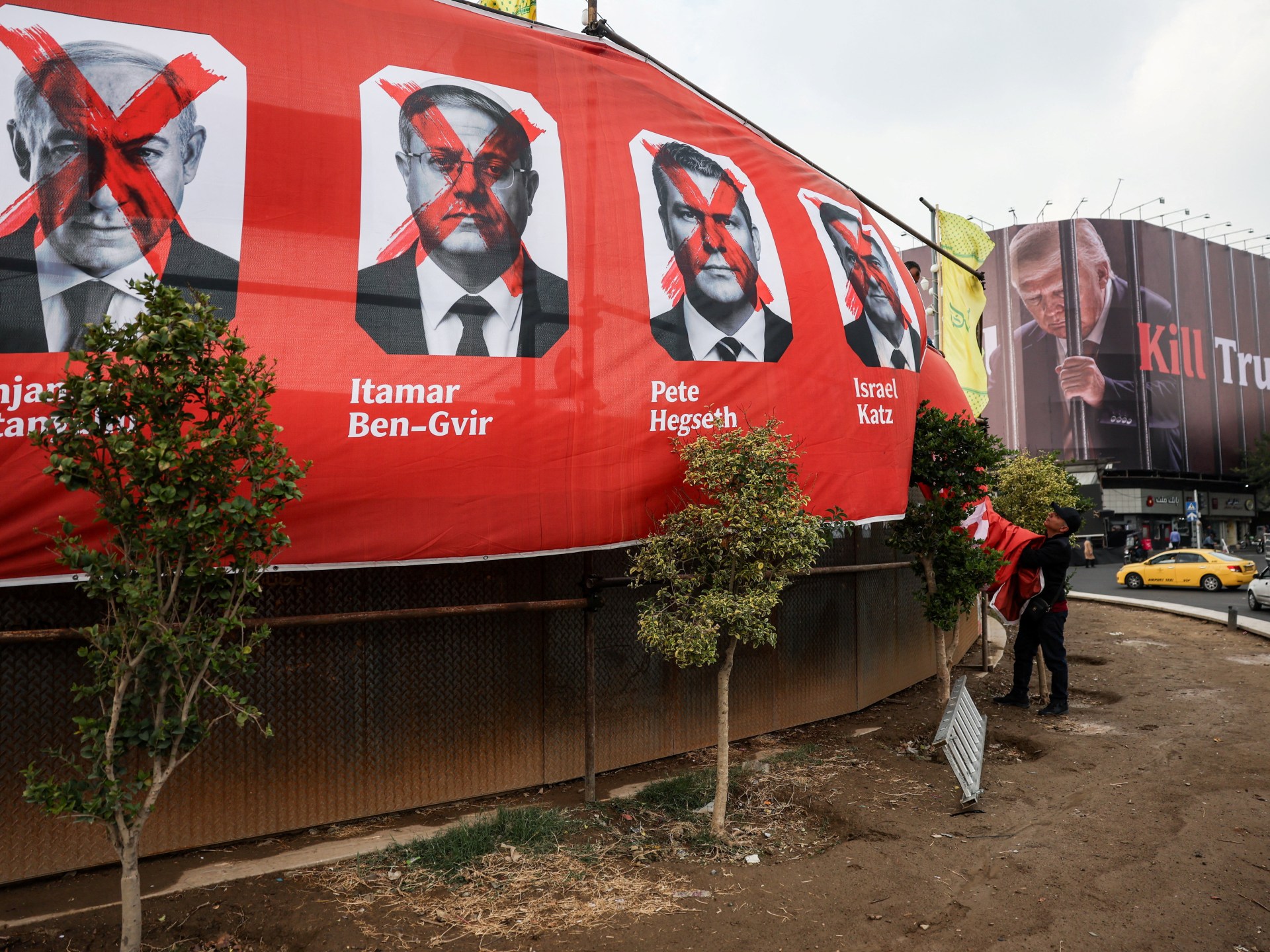
Iran’s leadership has announced a “maximum deterrence” plan standing ready against any future U.S. military attack, signaling Tehran’s preparedness for immediate retaliation if strikes resume. The warning comes as the Trump administration sends conflicting signals—conducting military operations while simultaneously pursuing diplomatic channels with Qatar mediating talks. The dual-track strategy has created strategic uncertainty about post-election U.S. policy direction, with Iranian officials emphasizing their military readiness while keeping diplomatic doors cracked open for potential negotiations.
Growing Calls Inside Iran for Nuclear Weapons Program
More Iranian clerics and officials are openly arguing for nuclear weapons development as a means to rebuild deterrence after the war, breaking with Iran’s longstanding pledge not to pursue nuclear weapons. Prominent figures, including government officials and senior clerics, now contend that abandoning the non-nuclear pledge is essential to ensure national survival in a conflict increasingly perceived as existential. The shift reflects deepening war weariness and a recalculation of what deterrence requires in the face of repeated U.S. military strikes.
Yemen Government Accuses Iran and Hezbollah of Expanded Military Coordination
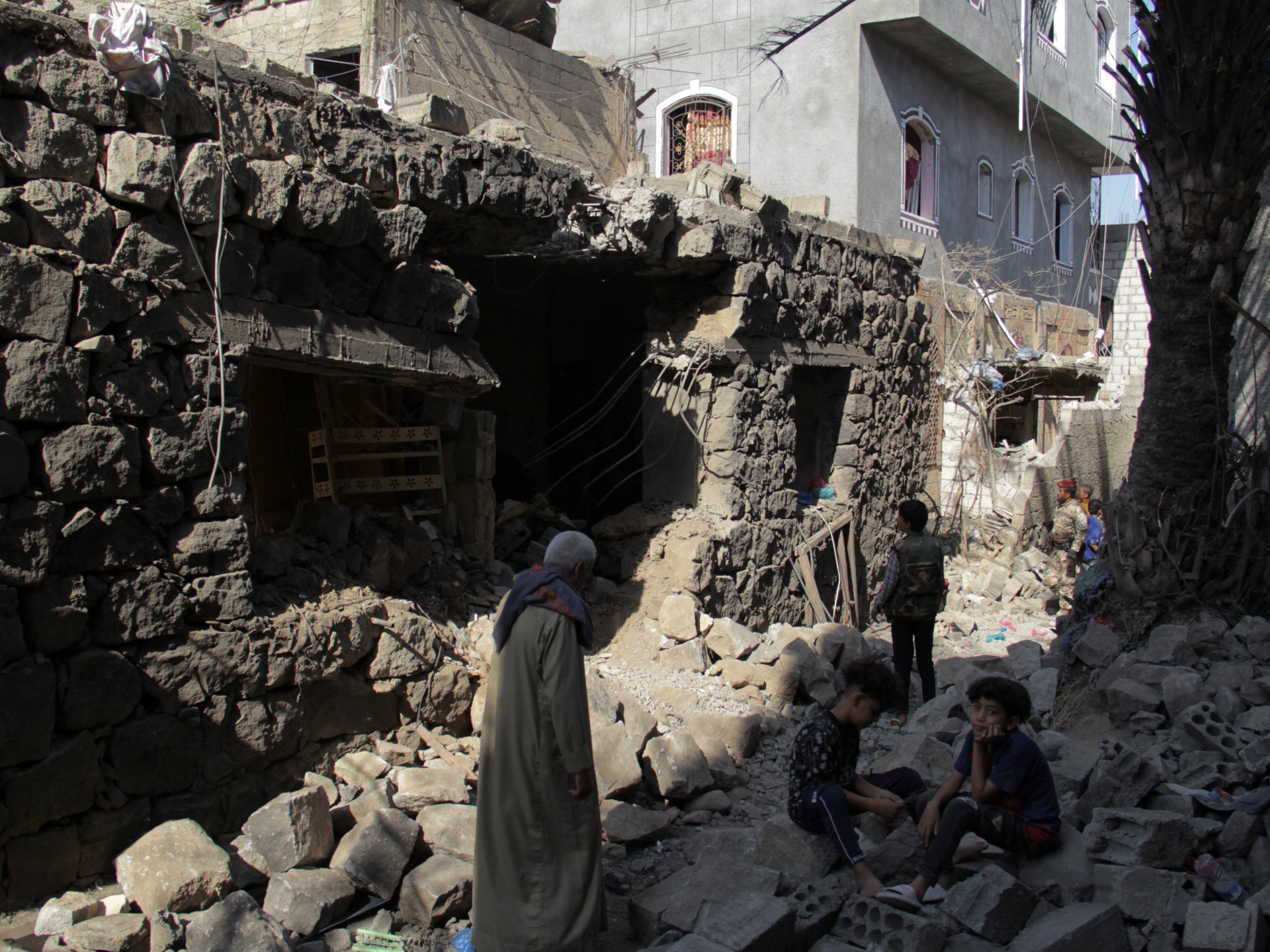
Yemen’s government has formally accused Iran’s Islamic Revolutionary Guard Corps (IRGC) and Hezbollah of sending 21 military experts to Yemen to directly oversee and coordinate Houthi military operations. The allegation represents a significant escalation beyond arms and training, suggesting Iran and Hezbollah are now directing combat strategy and operations on the ground. The expanded coordination underscores how the Yemen conflict has evolved from a regional proxy struggle into a direct military partnership between Tehran and the Houthis, with implications for the broader Red Sea shipping corridor and regional stability.
Palestinian Families Return Home After Israeli Siege of Hebron Lifts
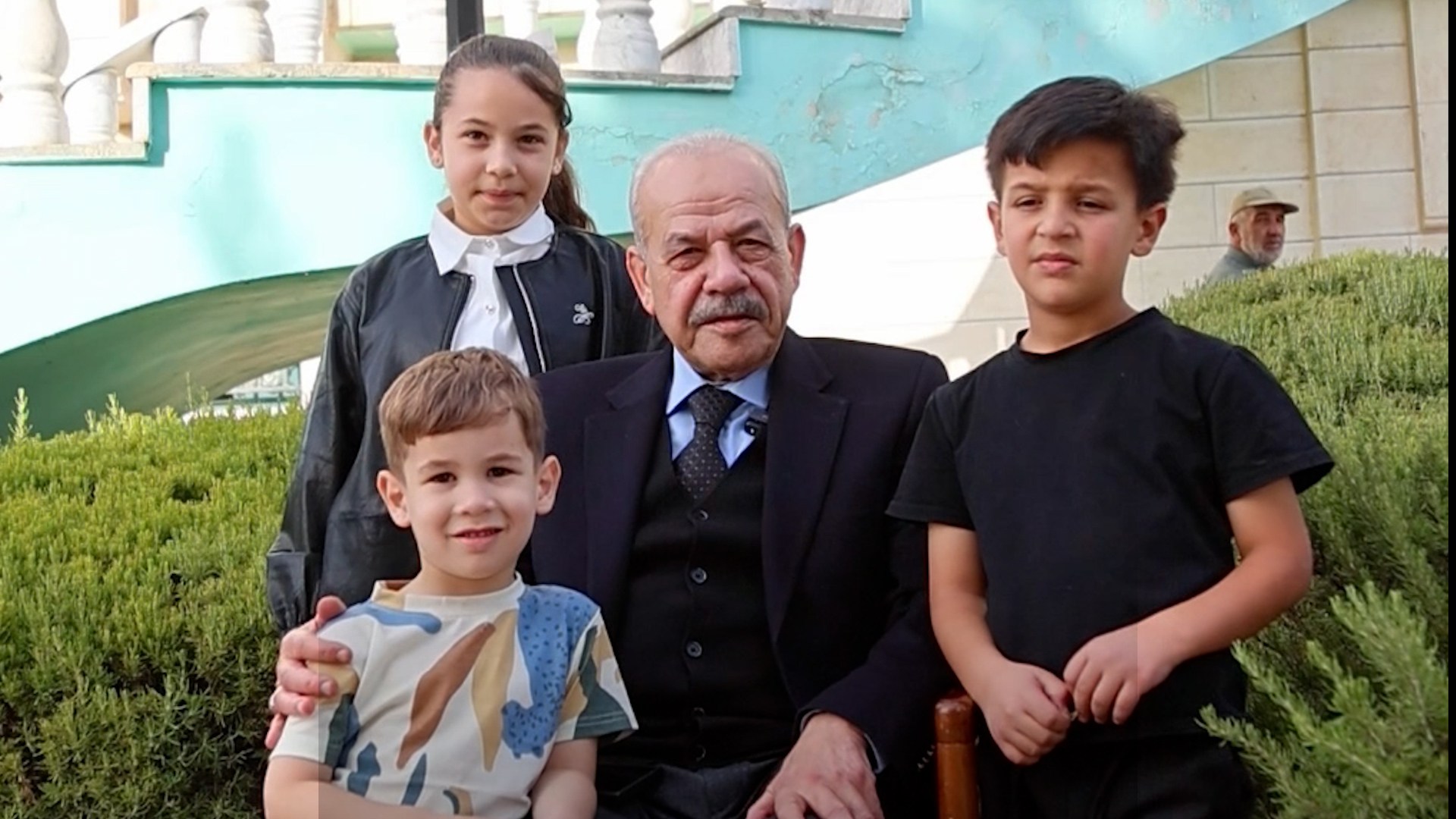
Palestinian families have begun returning home after an Israeli military siege of Hebron came to an end, though the return takes place amid an ongoing Israeli security crackdown in the West Bank. The siege had confined residents to their homes for an extended period, and the return is cautious—families face continued checkpoints, detention operations, and limited freedom of movement. Journalists covering the return have been arrested, and Israeli forces continue conducting raids in surrounding areas, underscoring the fragile and temporary nature of the ceasefire.
Yemen’s Humanitarian Crisis Deepens: Women and Girls Face “Devastating Consequences”
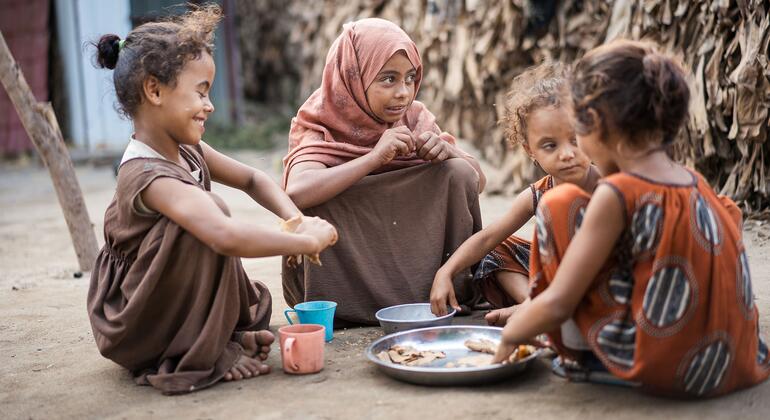
The UN has highlighted the catastrophic humanitarian toll of Yemen’s conflict on women and girls, with growing reports of child marriages, trafficking, and violence as families collapse under economic pressure and instability. Young girls like 14-year-old Safa are being married off by desperate parents seeking to secure their future in a deteriorating security environment. The crisis reflects how prolonged conflict erodes social structures and drives families toward extreme measures to ensure children’s survival—a symptom of state collapse and total war economics where normal protections no longer function.
Israeli Chemical Weapons Claims Against Iran Divide U.S. Officials
Israeli officials have presented allegations of Iranian chemical weapons development, but the claims have created friction within the Trump administration with some officials suggesting the Israeli government is attempting to provoke renewed U.S. military action. The disagreement reflects deeper tensions over war strategy—with some administration figures viewing the chemical weapons allegations as potentially exaggerated to lock in Trump’s military commitment before the policy window closes after the election. The dispute underscores how fragile the U.S.-Israel war consensus remains, with competing visions of whether further escalation serves strategic interests.
In Brief
Syria’s Hezbollah Plot Foil — Syria announced it had disrupted a Hezbollah-coordinated plot to attack the Homs oil refinery, further evidence of Hezbollah’s expansion of operations across the Levant in parallel with the Iran war.
Compiled from Al Jazeera, New York Times, UN News, and CNBC international desk.