
Iran Conflict — 2026-11-03 (PM)
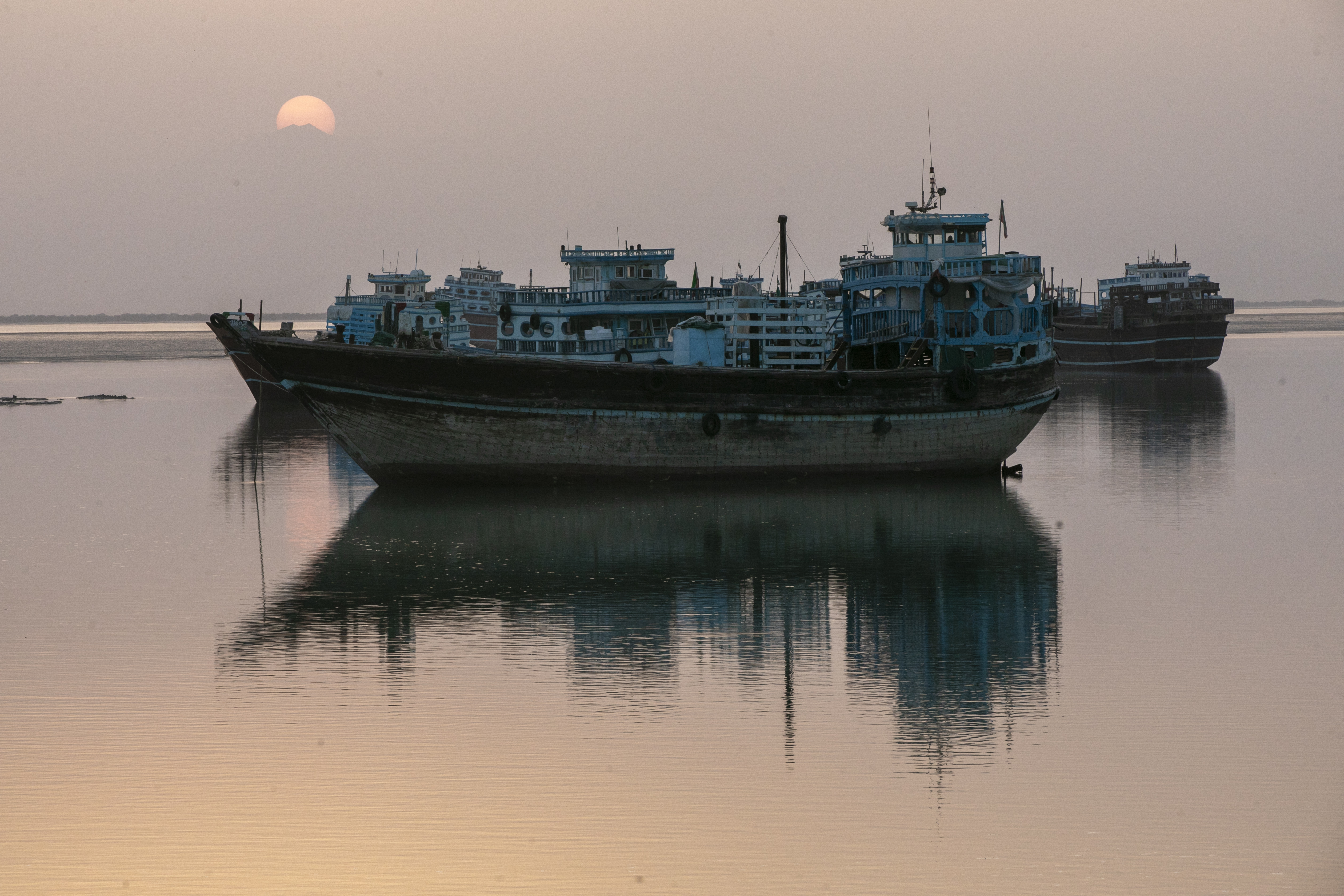
As America holds midterm elections, the Trump administration has escalated military operations against Iran even as both sides signal openness to diplomacy. The strikes on Qeshm Island mark the first direct US attack on the strategic location since June, demonstrating military resolve while creating new opportunities for negotiation.
US Strikes Iran’s Qeshm Island in Strategic Escalation
The Trump administration has conducted the first US attack on Qeshm Island since June, targeting Iranian military positions near the Strait of Hormuz. Multiple explosions were reported on the island and in surrounding areas, with the US military characterizing the strikes as “defensive operations.” The timing—on election day—demonstrates the administration’s willingness to take direct military action while simultaneously pursuing diplomatic channels with Tehran.
Iran Commander Lays Out Five Conditions for Diplomacy
Iran’s military commander has set out five conditions for a regional security arrangement, signaling that Tehran is prepared to engage in serious negotiations if the US meets specific demands. The conditions reflect Iran’s security priorities while maintaining flexibility on critical economic issues like the Strait of Hormuz. Mediator Qatar reported that both the US and Iran are studying proposals to resume formal negotiations, describing itself as “hopeful” of an eventual agreement.
Qatar’s Mediation Efforts Bear Optimistic Fruit
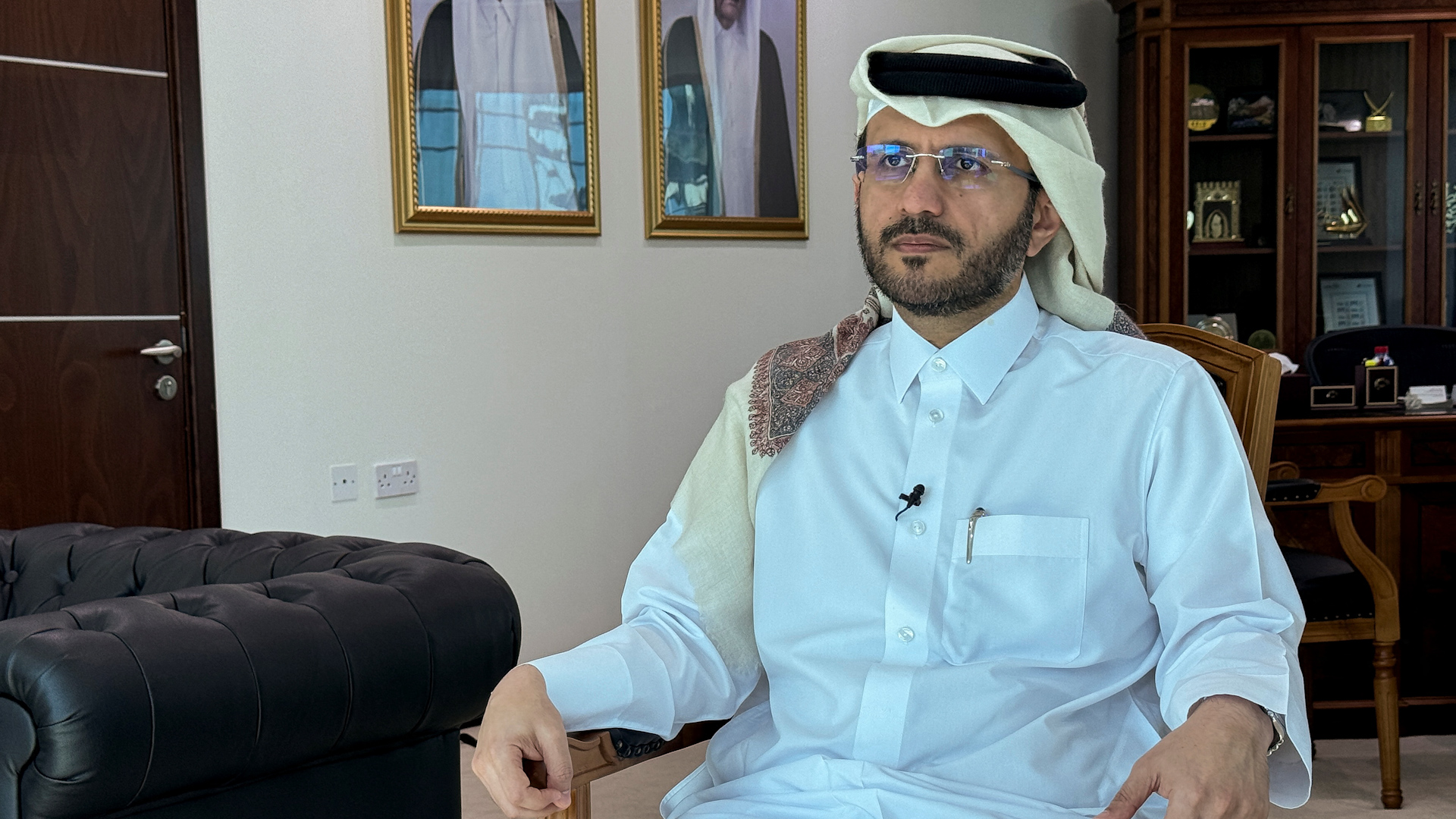
Qatar’s foreign ministry spokesperson Majed al-Ansari announced that regional neighbors and international partners are actively working to bridge the US-Iran divide. The mediator’s optimistic tone suggests both sides have moved beyond preliminary discussions to substantive proposal exchange. With the US midterms now underway, the narrow window for diplomatic progress before any potential policy shifts has become even more significant.
Oil Markets Price In Diplomatic De-Escalation

Global crude oil prices have fallen below $95 per barrel as markets interpret the simultaneous military strikes and diplomatic outreach as signals of potential resolution. The drop reflects investor confidence that both capitals are seeking negotiated settlement rather than unlimited escalation. However, the volatility in oil—driven by uncertainty over post-election Trump administration policy—remains pronounced, leaving shipping and energy-dependent industries with persistent hedging costs.
Gulf States Brace for Post-Election Uncertainties
Energy-rich Gulf Arab countries are locked in intense mediation efforts to prevent a renewed conflict between the US and Iran, with many officials fearing that renewed warfare would be more severe than previous rounds. Trump’s mixed signals—combining military action with openness to “negotiated settlement”—create uncertainty about the direction of policy after the election. Regional capitals are preparing contingencies for both outcomes: diplomatic breakthrough or renewed escalation.
Compiled from the configured RSS feed.