
Iran Conflict — 2026-11-02 (PM)
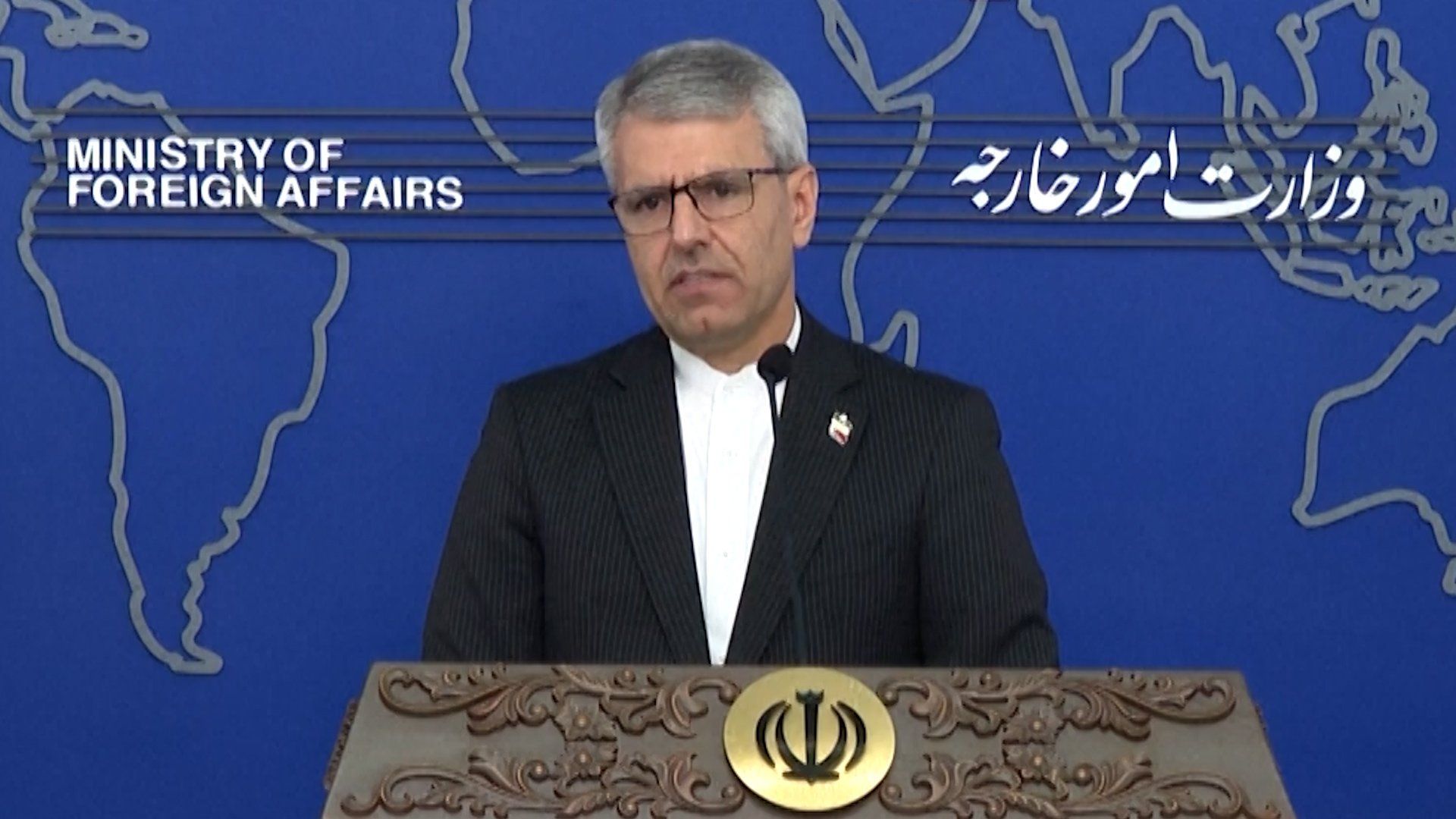
As the U.S. midterm elections conclude, both Washington and Tehran are signaling a readiness for diplomatic engagement while simultaneously preparing for potential military escalation. Qatar’s mediation efforts have created a window for talks, with Iran outlining conditions for resuming negotiations. The economic impacts of the standoff continue to reverberate through global oil markets and shipping corridors, particularly the Strait of Hormuz.
Iran and U.S. Signal Diplomatic Openness Amid Military Preparations
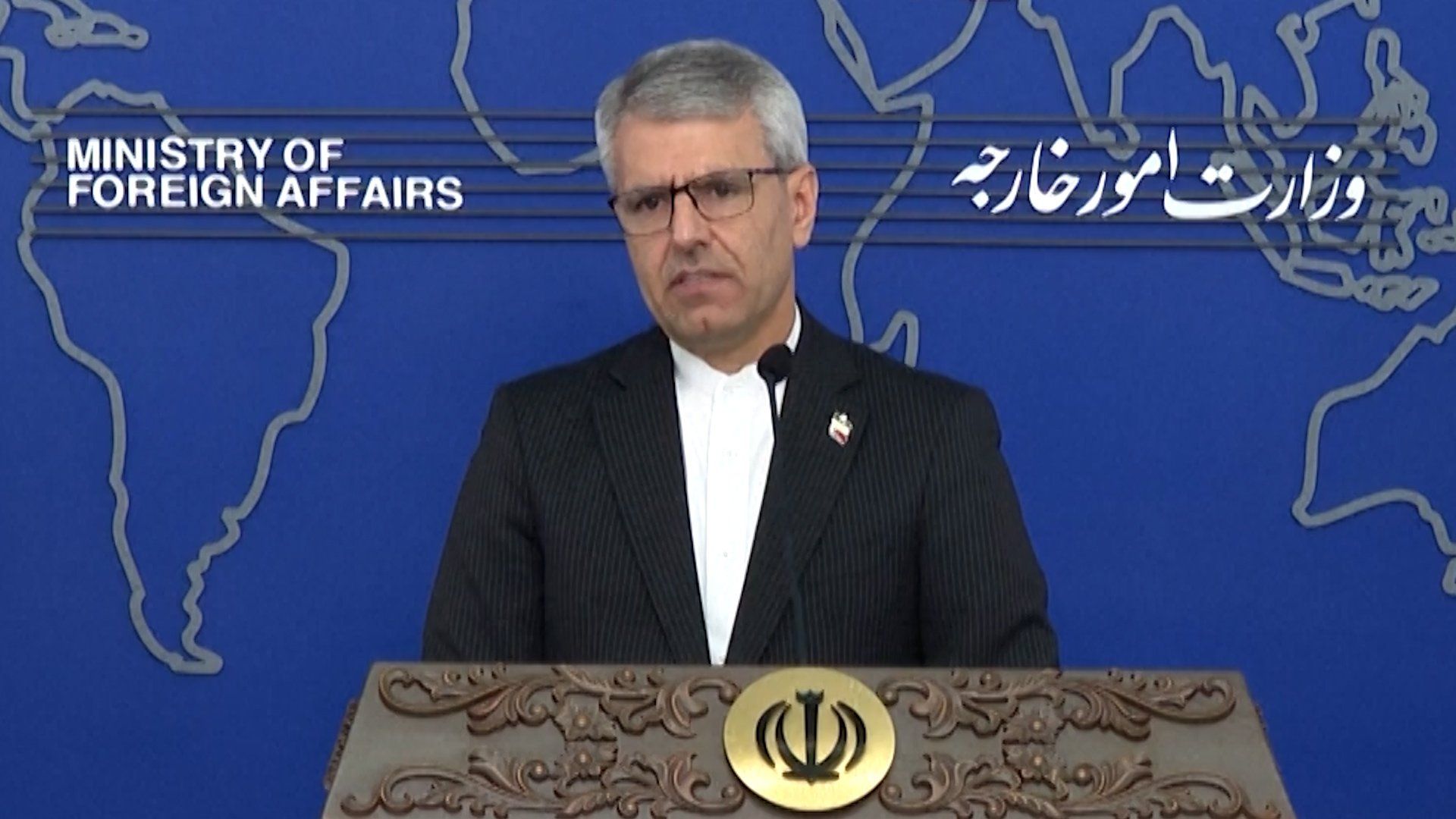
Senior Iranian official Esmaeil Baghaei announced that negotiations with the United States could resume “within a short period” if core demands are met, signaling that Qatar’s mediation efforts have created meaningful diplomatic channels. Meanwhile, Iranian officials have explicitly stated they would reopen the Strait of Hormuz in just two days as part of any U.S. deal, suggesting a clear path forward on the most critical economic issue. However, intelligence assessments from both sides indicate that military preparations are accelerating in parallel, with officials viewing demonstrated military capability as essential leverage before entering serious talks. The incoming Trump administration’s stated preference for a peaceful resolution has paradoxically coincided with increased military posturing by both Iran and the U.S.
Yemen Conflict Escalates as Rival Factions Battle for Strategic Al-Jawf Region
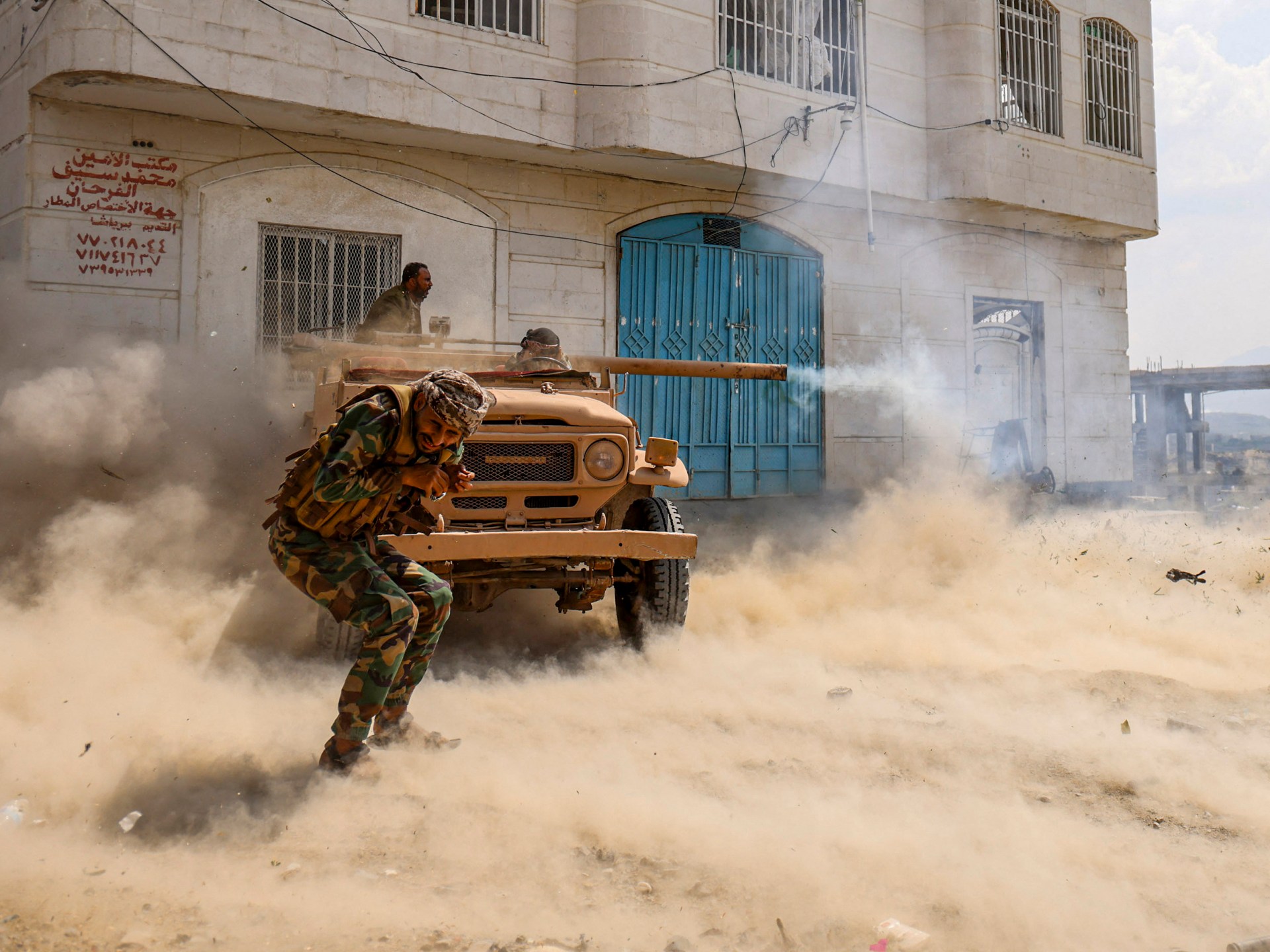
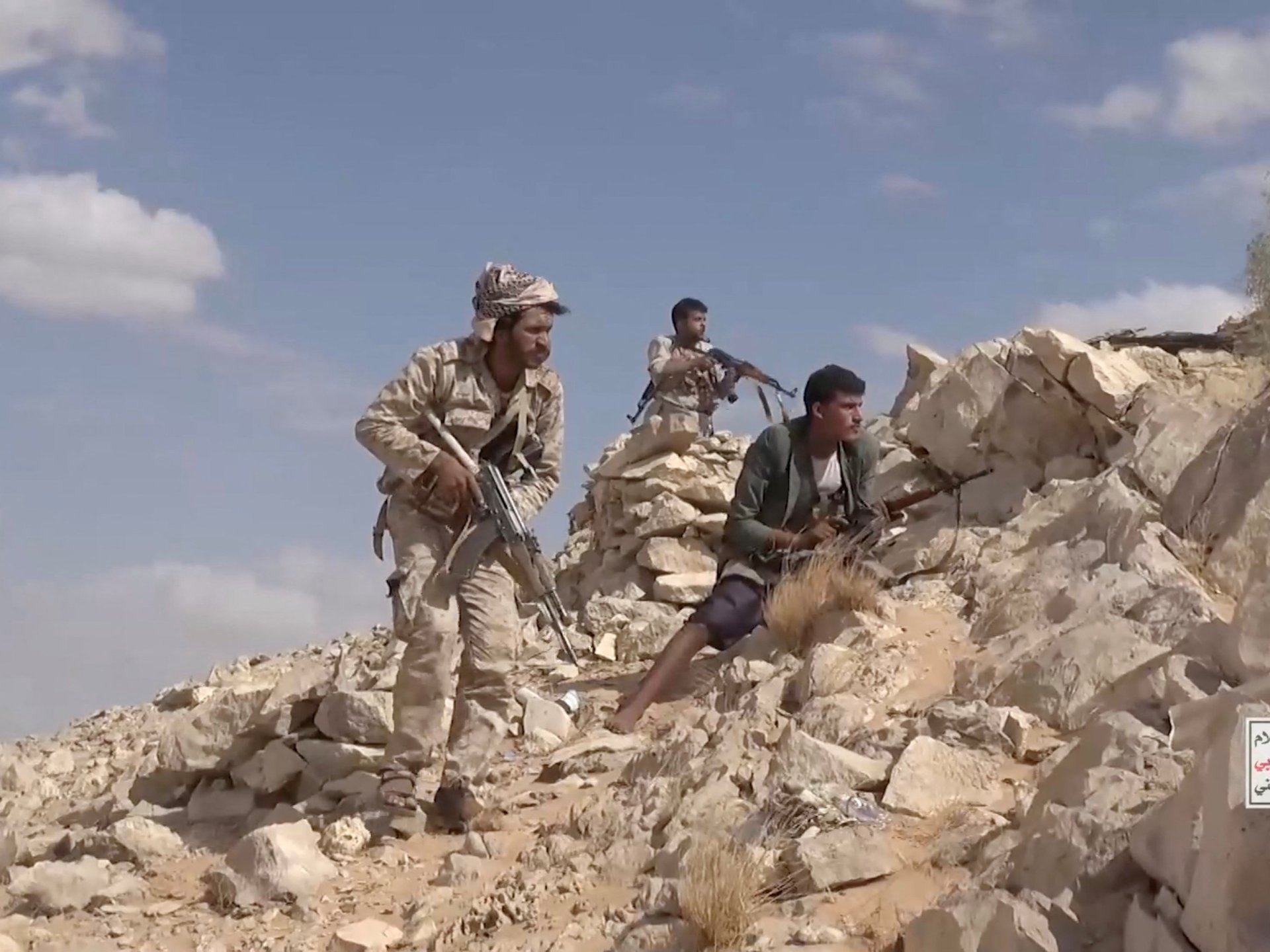
The Al-Jawf governorate has become the latest flashpoint in Yemen’s ongoing civil war, with Yemeni government forces backed by the Saudi-led coalition clashing intensively against Houthi-controlled forces. Recent military advances highlight the governorate’s critical strategic importance as both sides fight for territorial control and dominance over key supply routes. The Saudi-led coalition has intensified air operations, including missile interceptions in the region, while Houthi-affiliated media report civilian casualties from strikes on surrounding areas. The escalation in Al-Jawf represents a significant expansion of active combat zones in a conflict that has already displaced millions and created one of the world’s worst humanitarian crises.
Oil Markets React to Diplomatic Progress Amid Midterm Uncertainty
Global crude oil prices fell to session lows on Monday as both the U.S. and Iran pursued diplomatic channels, signaling potential de-escalation ahead of the midterm elections. The market reaction reflects investor appetite for any resolution that could ease sanctions and restore Iranian oil supplies to global markets. However, the volatility remains pronounced, with military developments in Yemen and signals of continued Iranian military readiness preventing any sustained price decline. For airlines and consumer-facing businesses dependent on stable energy costs, the uncertainty persists—any major escalation would quickly reverse the modest gains seen in today’s trading.
Compiled from the configured RSS feed and regional news sources.