
Iran Conflict — 2026-10-31 (NOON)
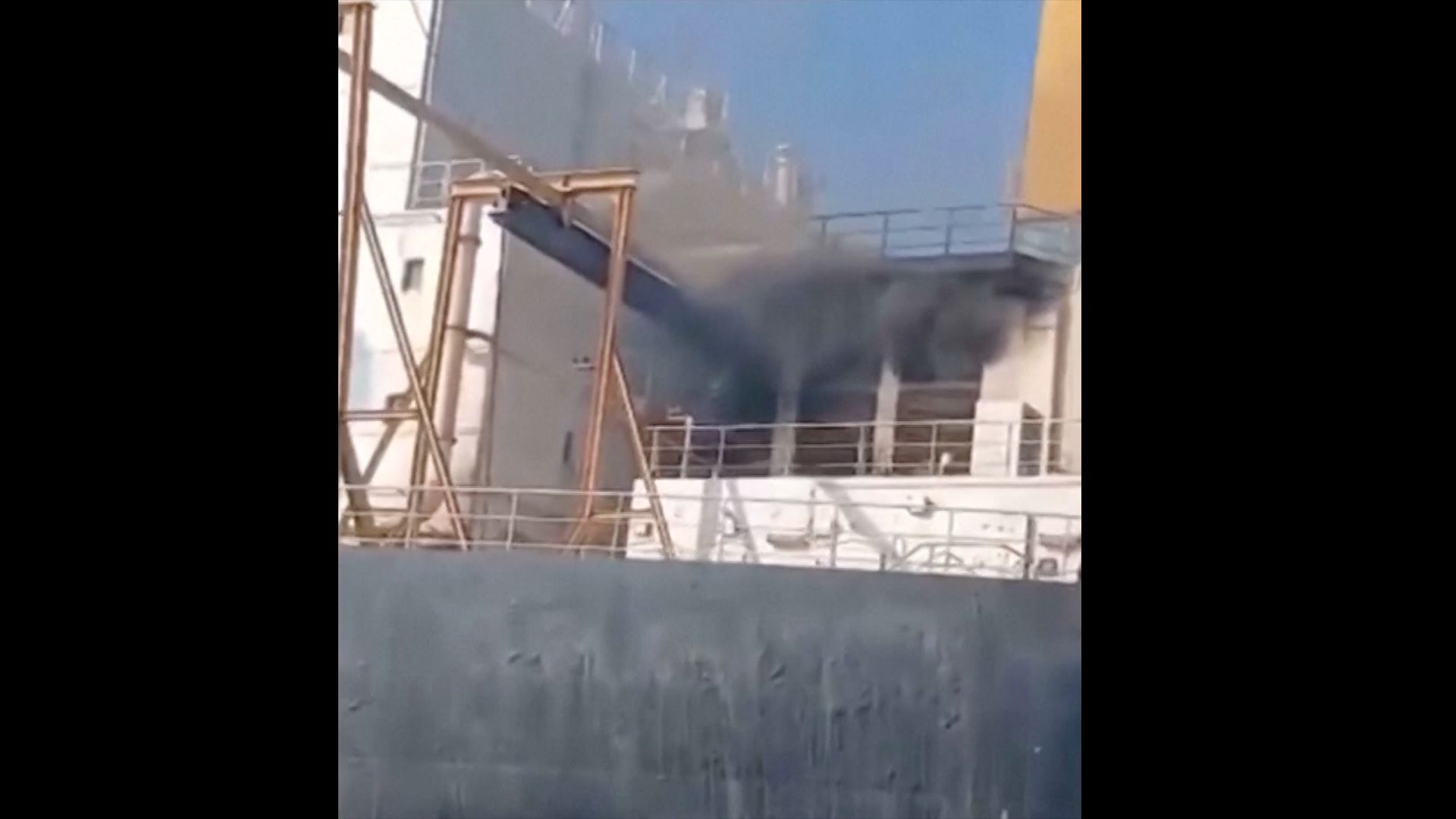
Tensions in the Persian Gulf escalated sharply today as maritime violence reached October’s highest point, with Iran reporting tanker incidents in the Strait of Hormuz and the Iranian military halting shipping traffic. The Trump administration convened an emergency Cabinet meeting at Camp David, while U.S. forces launched new strikes in response to months of regional escalation spanning Iran, proxy forces in Yemen, and Israel’s ongoing operations in Gaza.
Hormuz Strait Tankers Ablaze; Iran Halts Shipping
Iran’s Revolutionary Guard reported four tankers catching fire in the Strait of Hormuz after striking mines, prompting Oman to mount a rescue operation that saved 25 sailors from a burning vessel. In response to the escalating maritime violence, Iran announced it would halt ships transiting the strategic waterway, raising fresh concerns over global oil shipments and regional stability. The incidents marked the peak of October shipping attacks in one of the world’s most critical chokepoints for energy transport.
U.S. Launches Military Strikes; Trump Convenes War Cabinet

The U.S. military carried out new strikes against Iranian targets in a “powerful response” to recent provocations, as the Trump administration escalated its posture on the conflict. Trump convened his Cabinet at Camp David to coordinate strategy, calling the Iran war “not typical” while senators revealed he had briefed them on plans to fully restart military operations. The President characterized a potential new war as unavoidable without capitulation, signaling hardened administration resolve on confrontation.
Houthi Attacks on Saudi; Coalition Vows Response
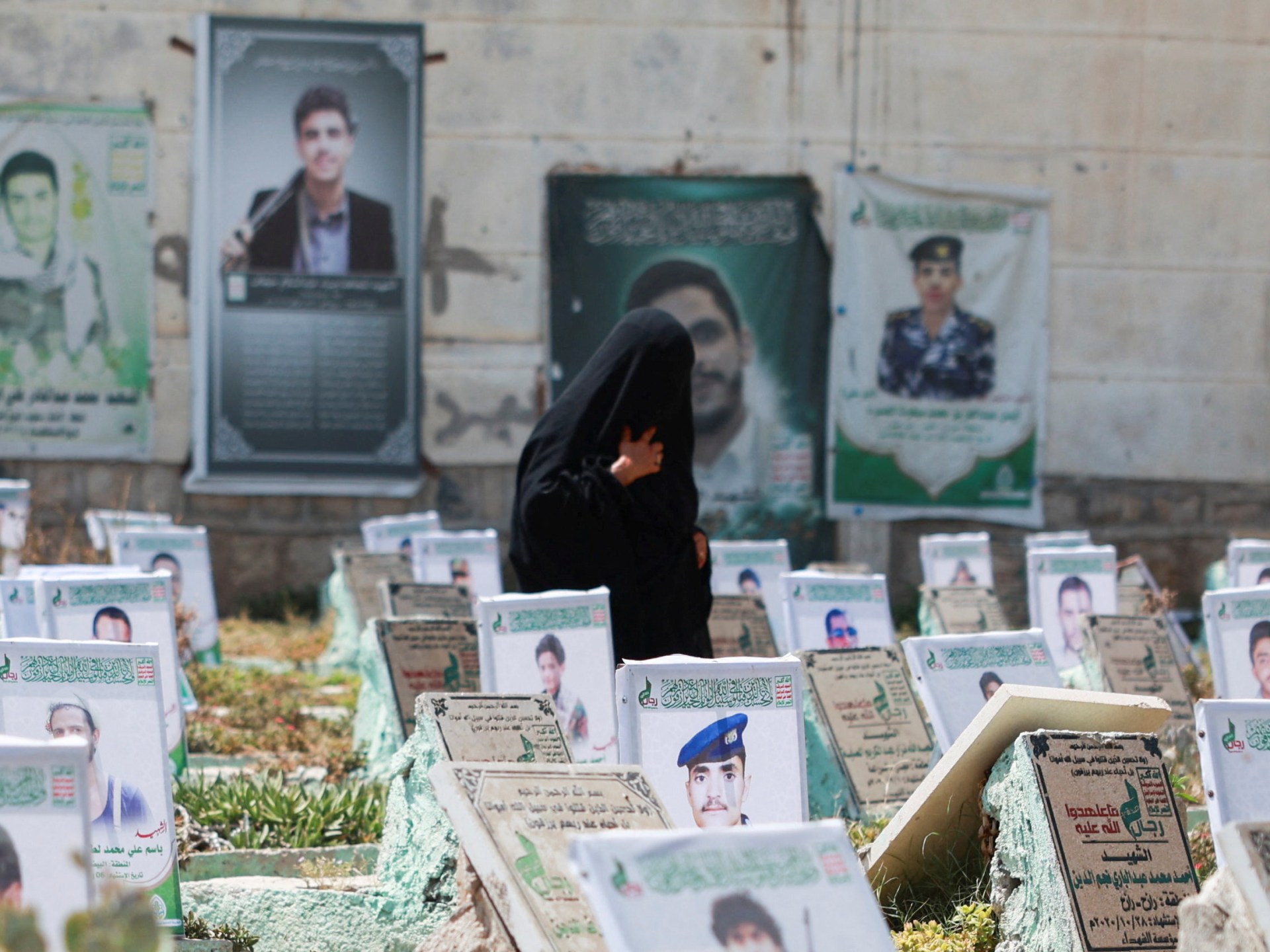
Iran-backed Houthis continued their assault on Saudi Arabia with a fresh attack on Riyadh’s airport that killed a pilot, prompting the Saudi-led coalition to vow a “firm” response. The Yemeni proxy force has sustained a months-long campaign of drone and missile strikes against Saudi infrastructure, with each escalation drawing renewed coalition retaliation. The incident underscored the interconnected nature of the broader Middle East conflict, as Iran’s proxy networks maintain pressure across the region’s periphery.
Gaza Operations Continue; Israeli Forces Demolish Homes
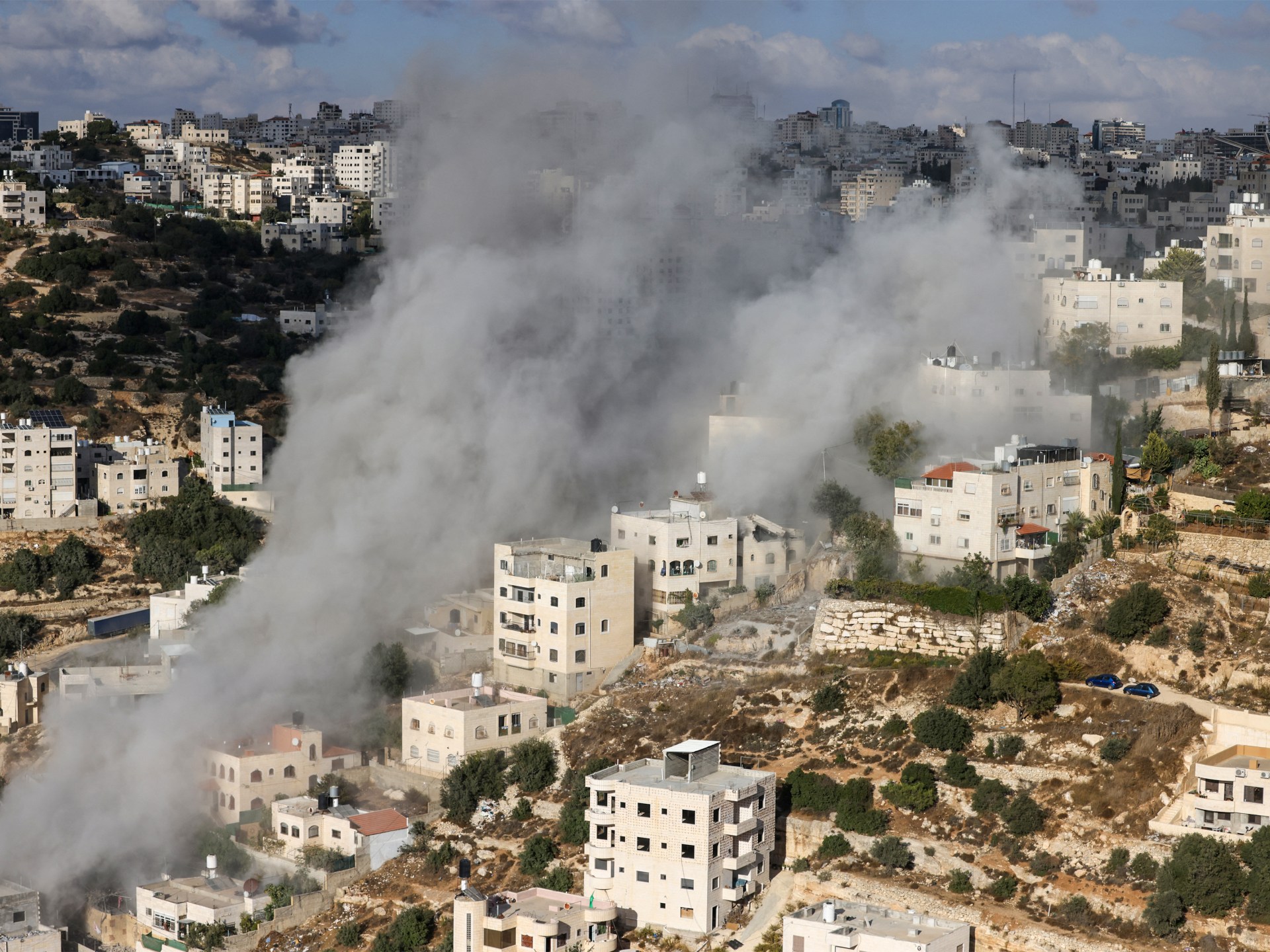
Israeli forces continued demolishing homes in Palestinian areas blamed for attacks on soldiers, with nearly 5,000 residents remaining displaced from Hebron neighborhoods and at least 12 Palestinians held at sites of the destruction. The operations reflect Israel’s ongoing hardline posture in occupied territories, combining military operations with punitive settlement demolitions. Tensions also mounted on Israel’s political front as Netanyahu accused Palestinian Israeli parties of election fraud, complicating coalition dynamics.
Oil Markets Surge Amid Regional Escalation
Energy markets reflected the rising regional tensions as crude prices posted their strongest month since March, with today’s gains tied directly to the Hormuz incidents and U.S.-Iran escalation. Traders priced in fresh supply-chain risks from potential full-scale conflict resumption and disruptions to shipping through the Strait, driving oil futures higher and pressuring global energy markets. The rally highlighted markets’ sensitivity to further Middle East escalation.
American Public Skeptical of New Iran War
Polling released today showed that a majority of Americans believe a war on Iran is not worth the cost, even as the Trump administration moves toward confrontation. The public sentiment underscores deep divisions over Middle East policy and potential deployment of U.S. forces in a major new conflict, complicating the political calculus for escalation despite the administration’s hawkish positioning.
Compiled from the configured RSS feed and international news sources.