
Iran Conflict — 2026-10-28 (PM)
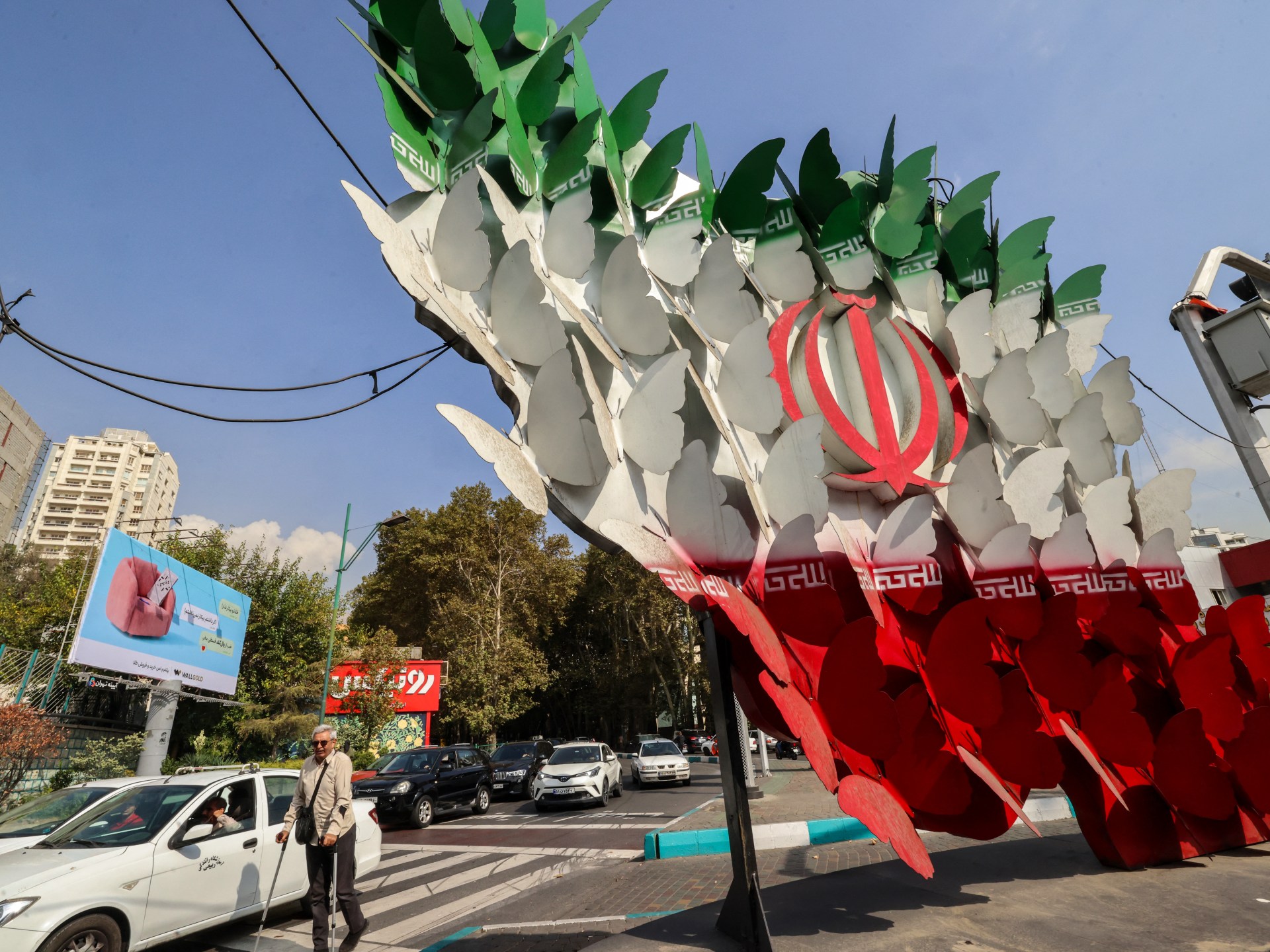
A cascade of regional developments unfolded across the Middle East on October 28 as Iran tightened its grip on dissent using security pretexts, Iraq deepened ties with Damascus, and Israel held elections amid the ongoing Gaza conflict. The pattern reflects shifting regional alignments and deepening humanitarian crises from the Persian Gulf to the Mediterranean.
Iran Weaponizes Espionage Threat for Crackdowns
Iran is using allegations of foreign spy networks as a pretext to justify mass detentions and executions of political opponents, according to analysts tracking security operations in Tehran. The government has escalated claims of espionage threats in recent weeks, using the narrative to blur the line between legitimate security concerns and political repression. Rights groups report that dozens of activists and dissidents have been arrested under charges related to alleged foreign intelligence connections, often without credible evidence. The tactic exploits international concern about genuine intelligence operations to legitimize domestic crackdowns on civil society.
Iraq and Syria Advance Economic Normalization
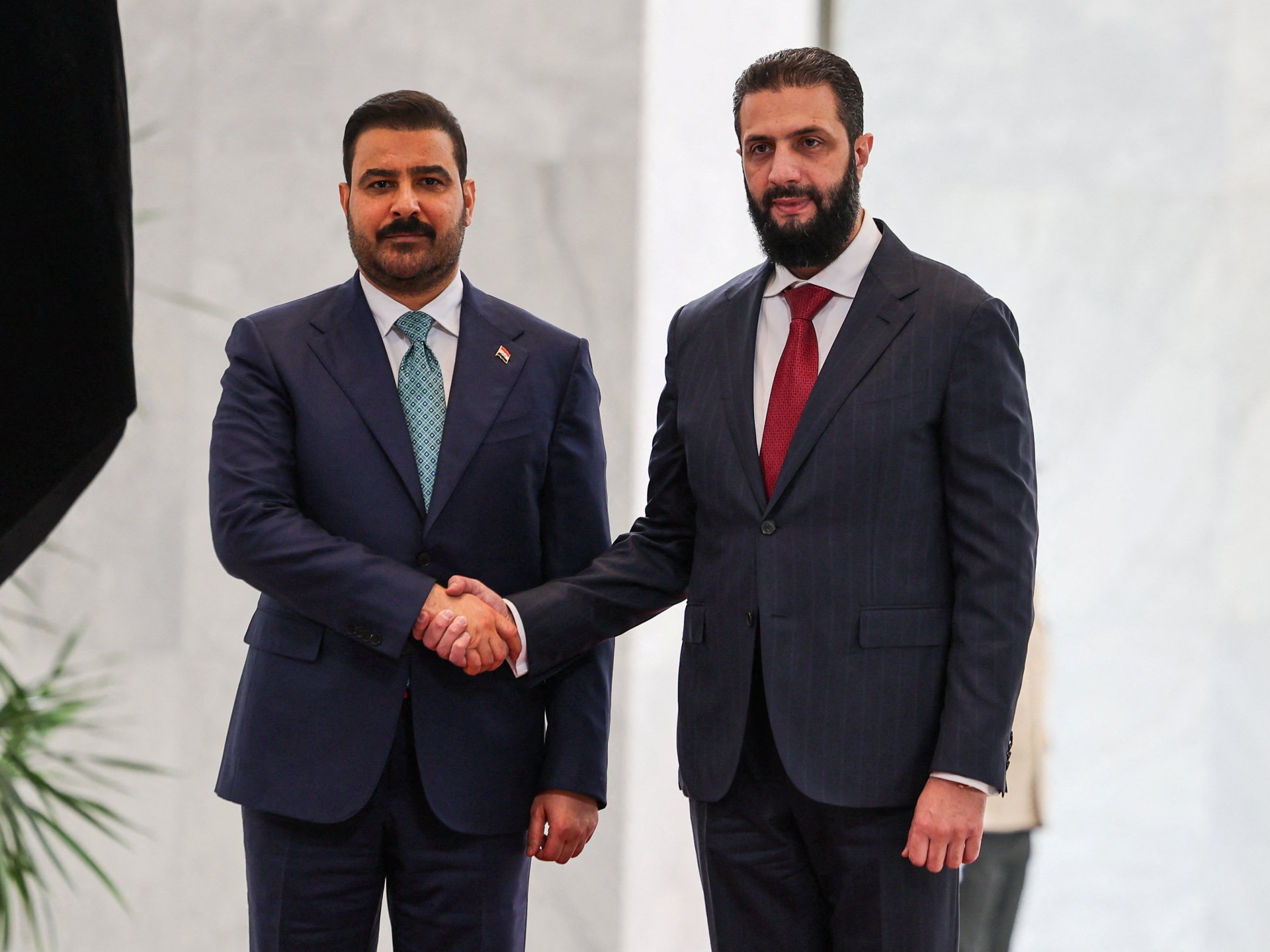
Iraq’s Prime Minister Ali al-Zaidi traveled to Damascus for historic talks with Syrian leader Ahmed al-Sharaa, marking a significant step in Iraq-Syria relations following Syria’s gradual reintegration into the Arab League. The two delegations discussed reviving the Baniyas oil pipeline, which would boost trade and energy cooperation between the neighboring countries, and explored broader mechanisms for regional stability through bilateral cooperation. The visit signals Iraqi confidence in Syria’s new leadership and reflects the broader regional rebalancing as sanctions pressures ease and diplomatic channels reopen across the Levant.
Israel Votes as Gaza Conflict Dominates Election
Israeli voters went to the polls on October 28 in elections held against the backdrop of the ongoing Gaza conflict and regional tensions. Exit polls showed no clear winner, leaving coalition-building prospects uncertain. The vote reflects deep divisions within Israeli society between those seeking continuation of current policies and those calling for change, with Palestinian citizens of Israel showing strong voter turnout. The election outcome will have significant implications for regional stability, particularly regarding settlements, Palestinian rights, and Israel’s military posture toward Iran-aligned groups in Lebanon and Gaza.
Gaza Families Face Another Harsh Winter Without Shelter
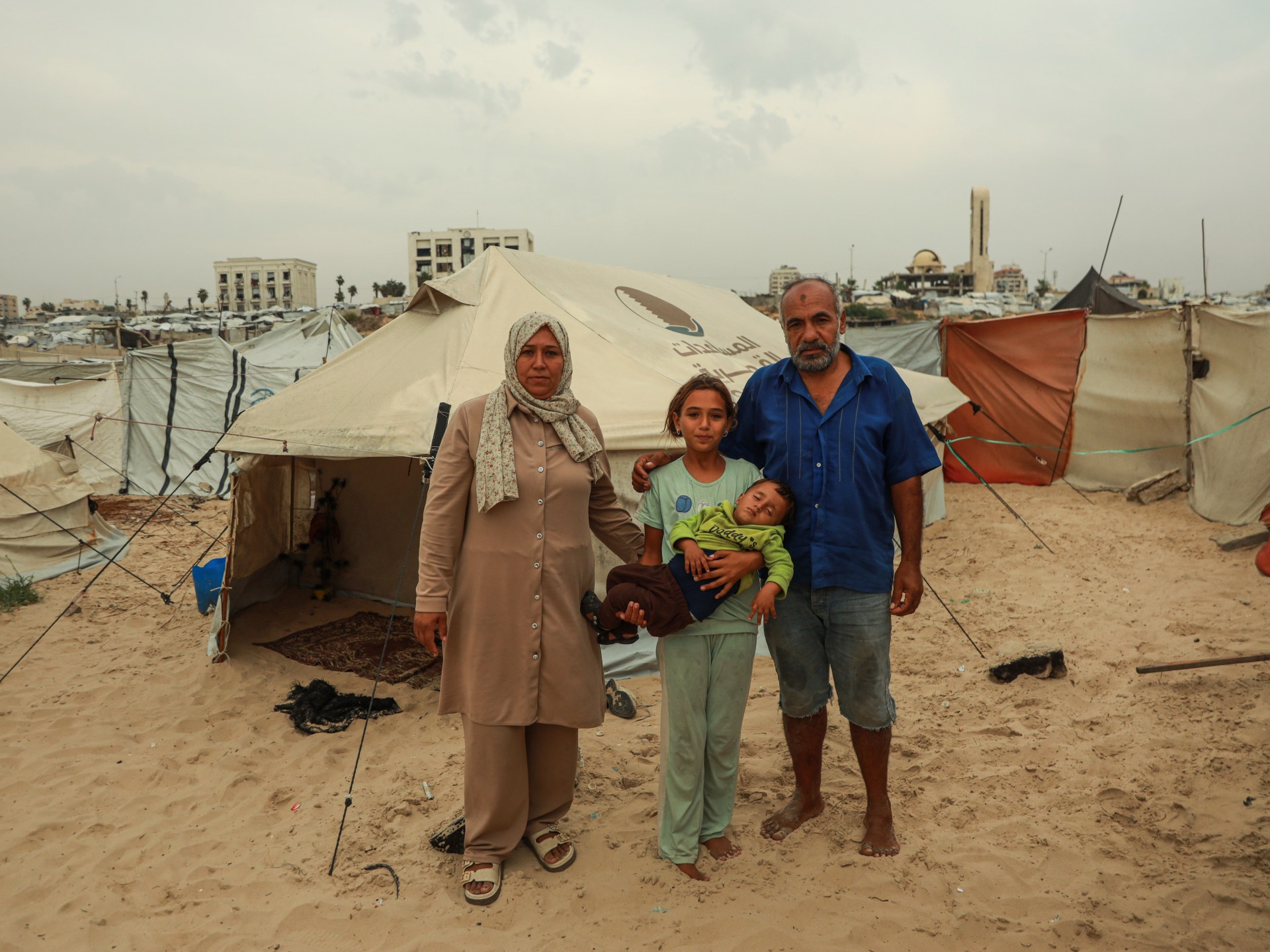
Displaced families in Gaza’s overcrowded camps are bracing for a fourth consecutive winter without adequate shelter, with humanitarian organizations warning of deteriorating conditions as temperatures drop and rainfall increases. Informal tents offer minimal protection against the elements, and inadequate sanitation and healthcare systems compound the humanitarian crisis. UN agencies report that funding shortfalls have severely limited their ability to provide winterization assistance, leaving hundreds of thousands vulnerable to disease and exposure.
West Bank Tensions Mount as Hebron Lockdown Persists
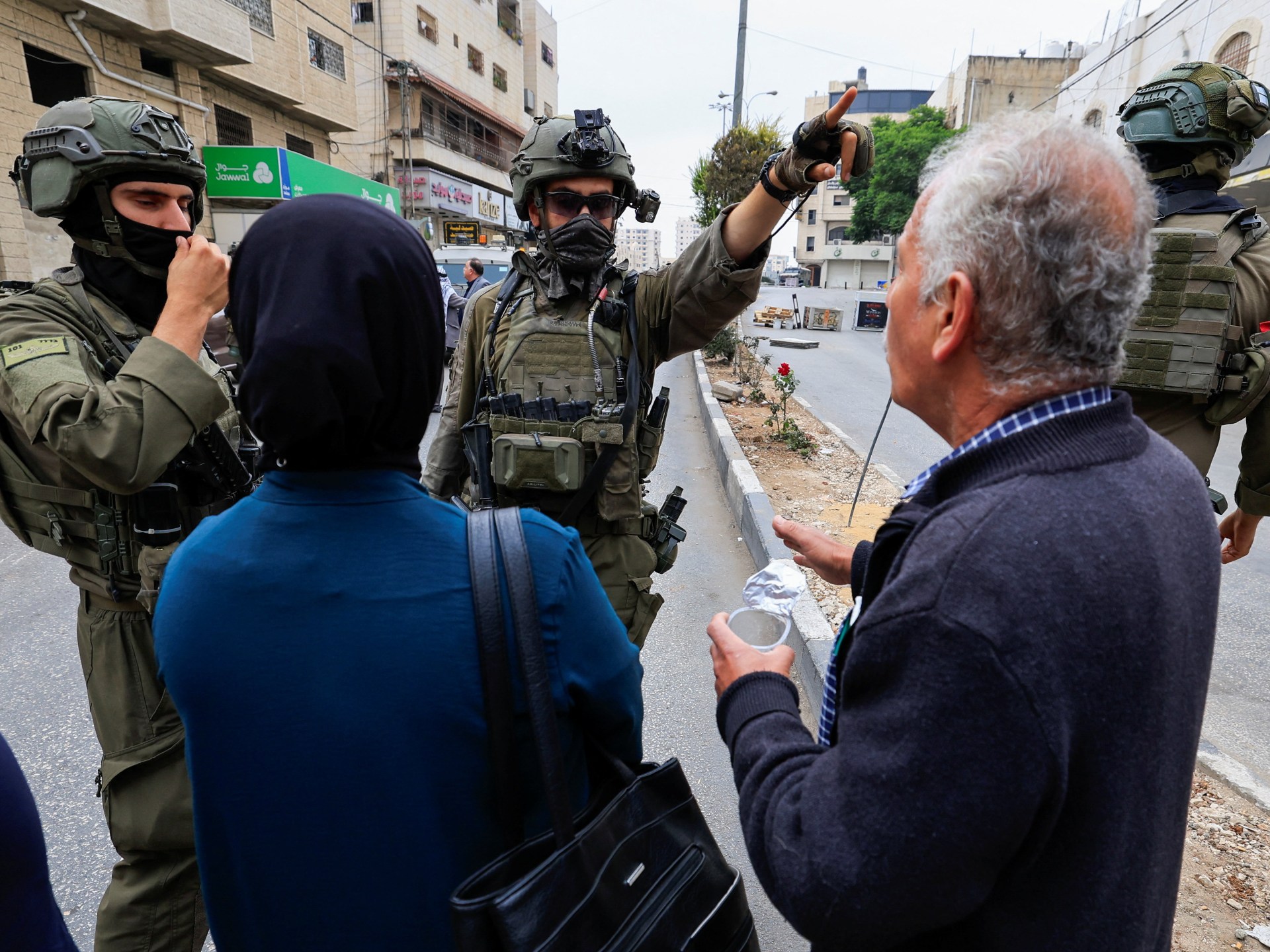
Israeli forces continued raids across the West Bank on October 28 as a military lockdown of Hebron entered its sixth day, part of a broader escalation of security operations in Palestinian territories. The raids target suspected militant operatives and have resulted in dozens of detentions. Palestinian communities report increased checkpoints, movement restrictions, and civilian disruptions, intensifying an already volatile environment where every military operation risks triggering wider confrontation.
Compiled from regional news sources covering the ongoing Iran conflict, Gaza crisis, and Middle Eastern developments.