
Iran Conflict — 2026-10-27 (PM)
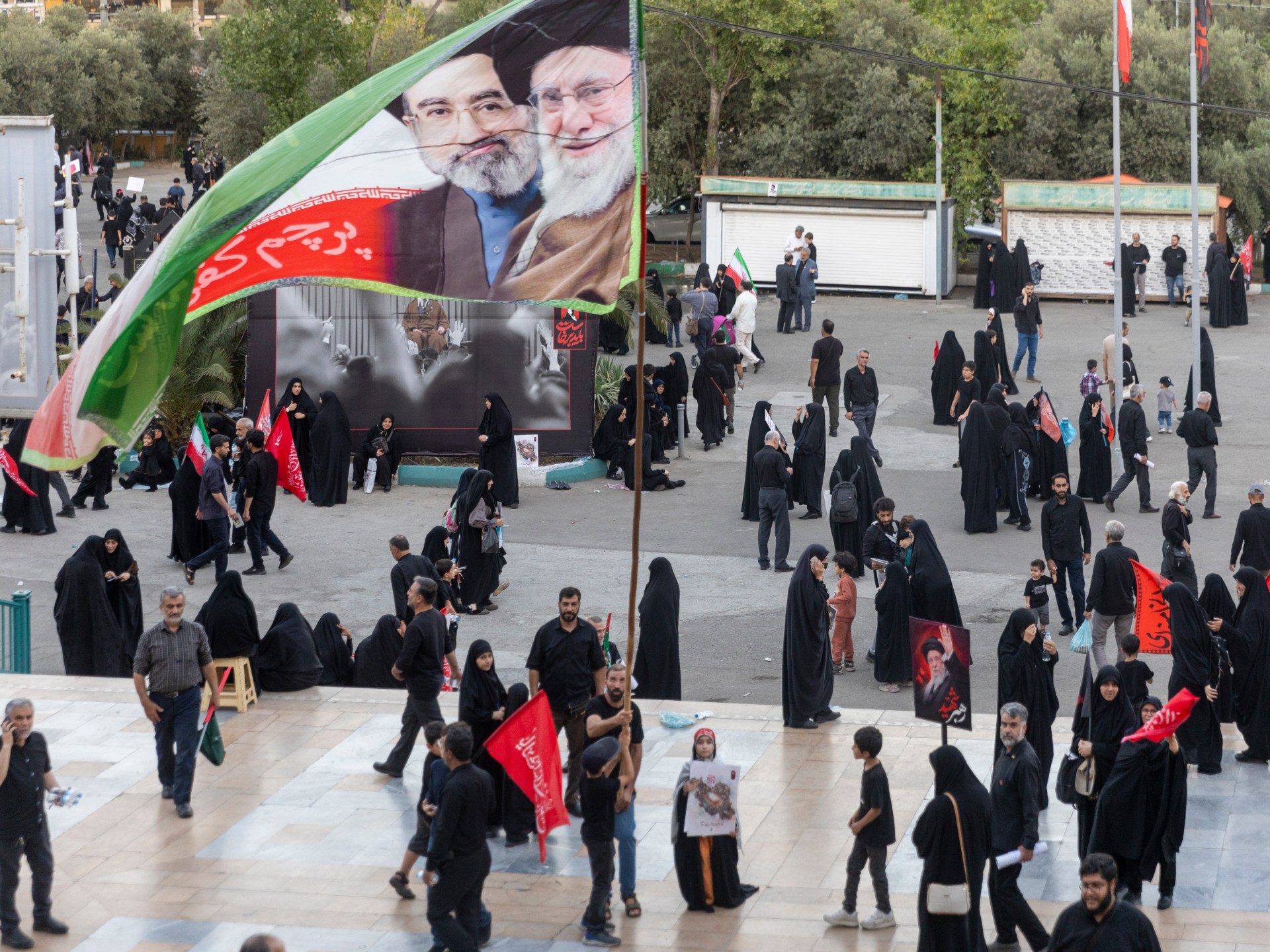
As Israeli and American elections near, regional tensions remain high with Iran caught between immediate military threats and diplomatic outreach efforts. Tehran faces the prospect of renewed strikes while attempting to manage relations with neighboring powers seeking de-escalation.
Iranians Brace for Renewed Attacks Around Elections
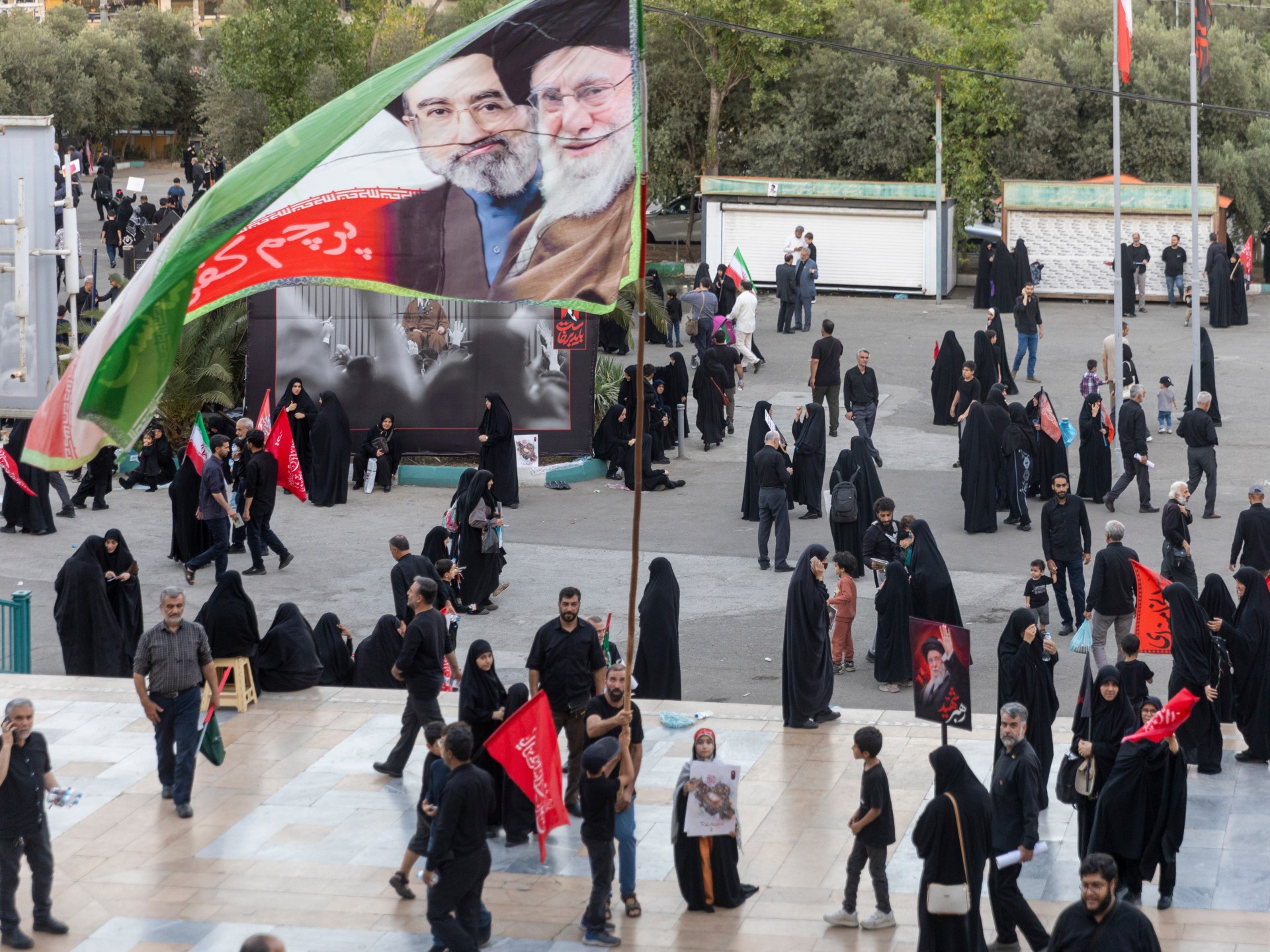
Iranians are preparing for potential new military strikes once the upcoming Israeli and American elections conclude, with particular concern over attacks on civilian infrastructure. The U.S. and Israel have signaled the possibility of military action around their electoral periods, leaving Iranian civilians and officials bracing for renewed bombardment. Officials report that attacks on critical infrastructure—power plants, refineries, and communications networks—remain the primary concern as both nations’ political calendars converge.
Qatar’s Emir Meets Iran’s President in Moscow
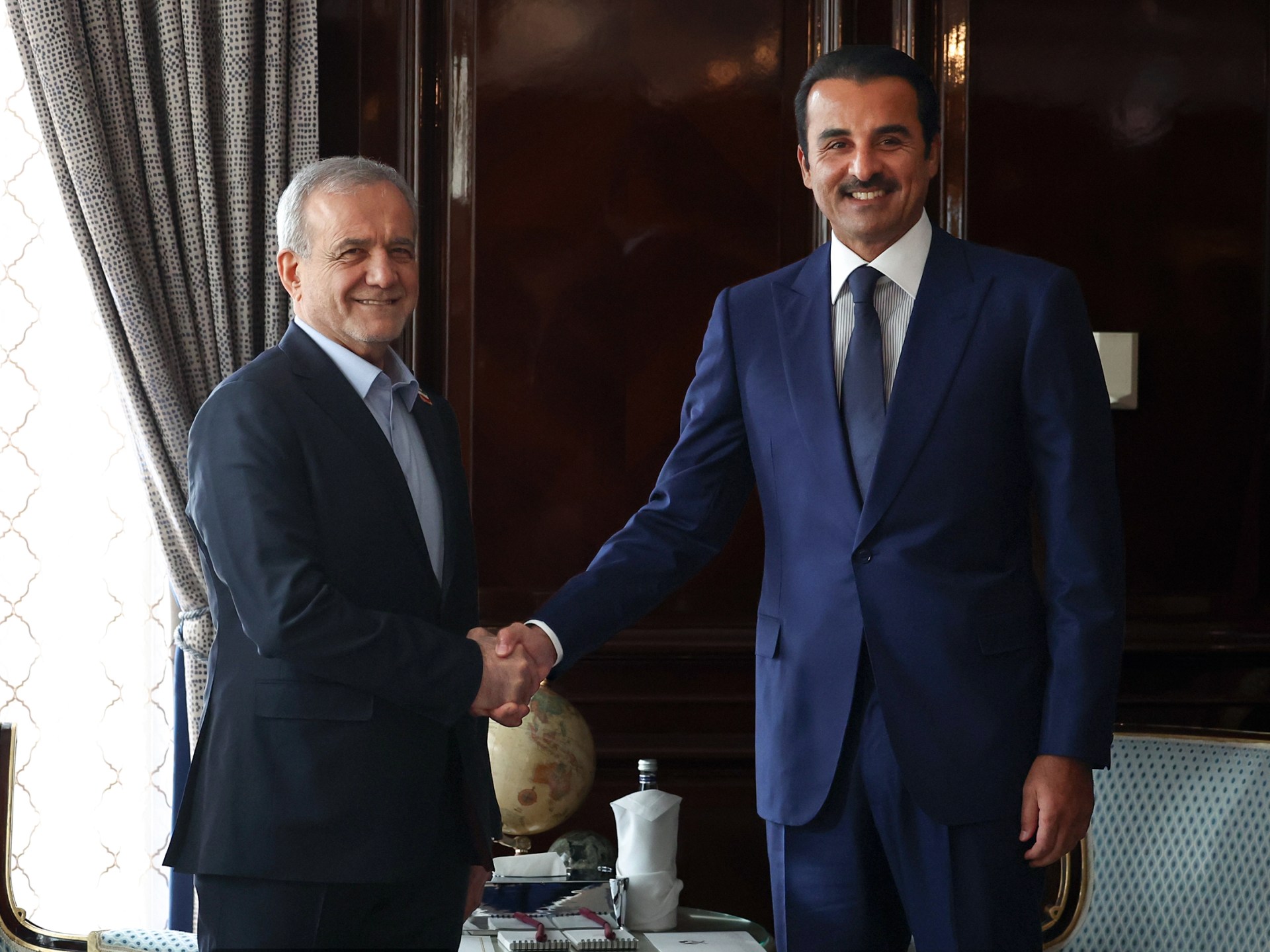
Qatar’s Emir Tamim bin Hamad al-Thani held talks with Iranian President Masoud Pezeshkian in Moscow, focusing on energy cooperation and bilateral relations. The high-level meeting reflects continued diplomatic engagement within the region despite escalating military tensions, with the two leaders discussing pathways to strengthen ties and potentially manage conflict escalation.
Iran Dismisses U.S. Commitment to Diplomacy
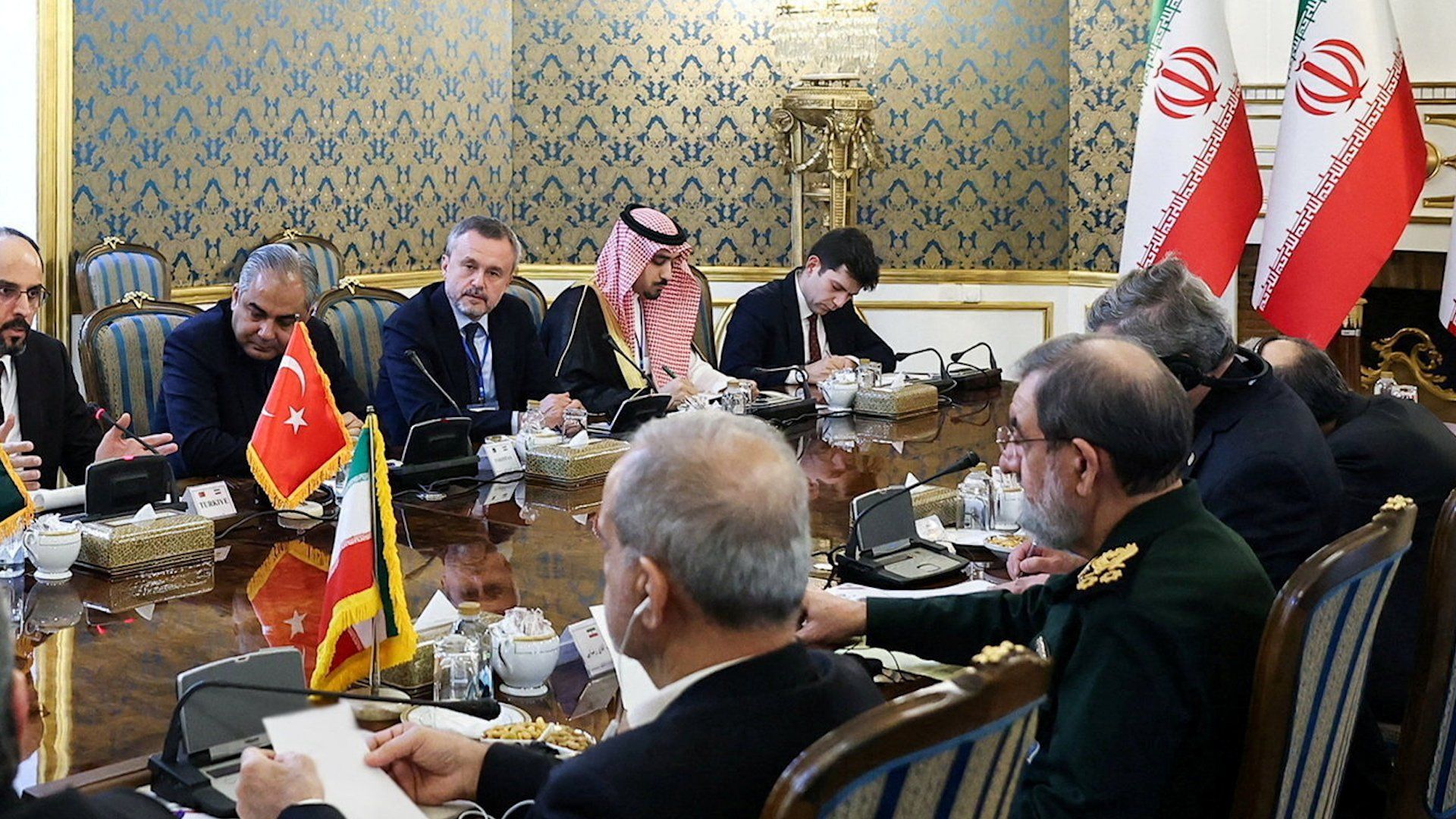
Iranian officials expressed skepticism about U.S. willingness to pursue serious negotiations, even as representatives from Iran, Pakistan, Turkey, and Saudi Arabia gathered in Tehran for de-escalation talks. The meeting aimed to halt further regional escalation and restore stability, but Tehran’s assessment that the U.S. is not genuinely committed to dialogue underscores the communication gap between Western and Iranian negotiating positions.
UK Charges Two Men Over RAF Fairford Security Incident
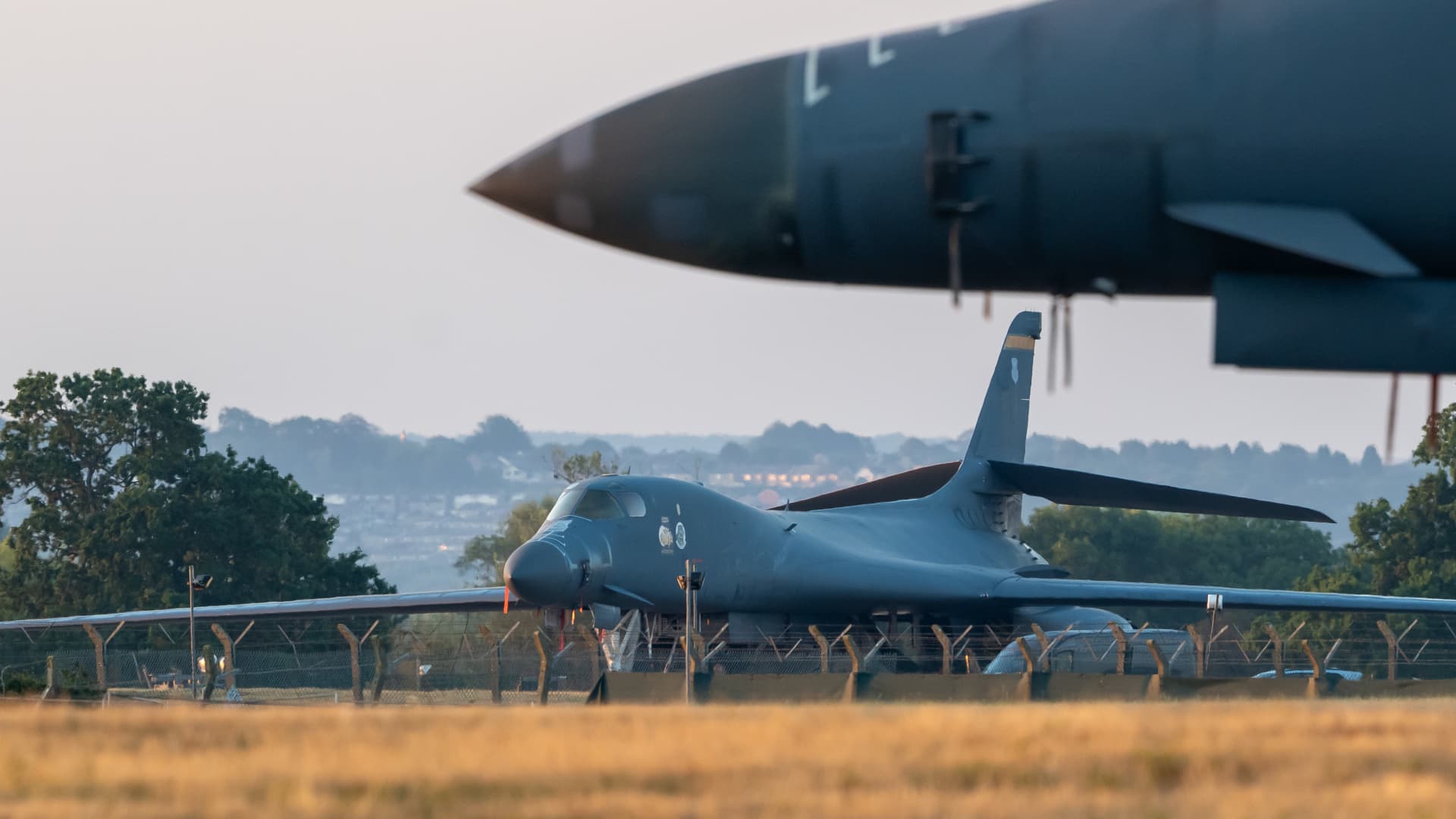
British authorities charged two men with national security offenses following an incident at RAF Fairford, the U.K. air base used by U.S. forces to conduct strikes on Iranian targets. The charges underscore growing security concerns around military operations against Iran and the vulnerabilities of forward bases hosting coalition forces.
Lebanon’s Olive Harvest Disrupted by Conflict
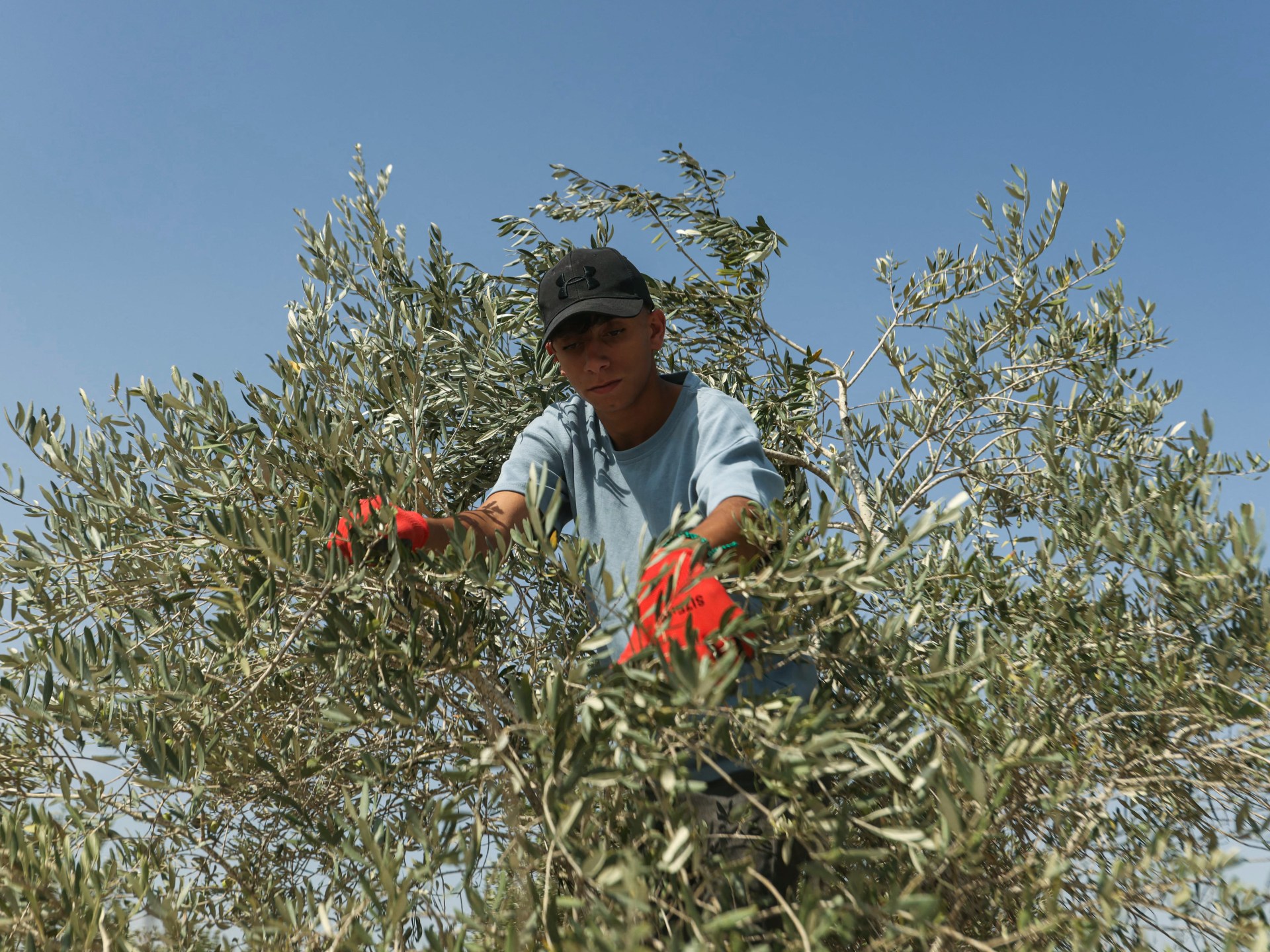
Lebanon’s olive harvest season has become increasingly dangerous as farmers work under the threat of drones and warplanes. The seasonal agricultural cycle, critical to Lebanon’s rural economy, is now shaped by military threats, with harvesters facing risks from cluster munitions and potential strikes. The disruption underscores the human cost of the broader regional conflict on civilian livelihoods.
Compiled from the configured RSS feed.