
Iran Conflict — 2026-10-27 (AM)
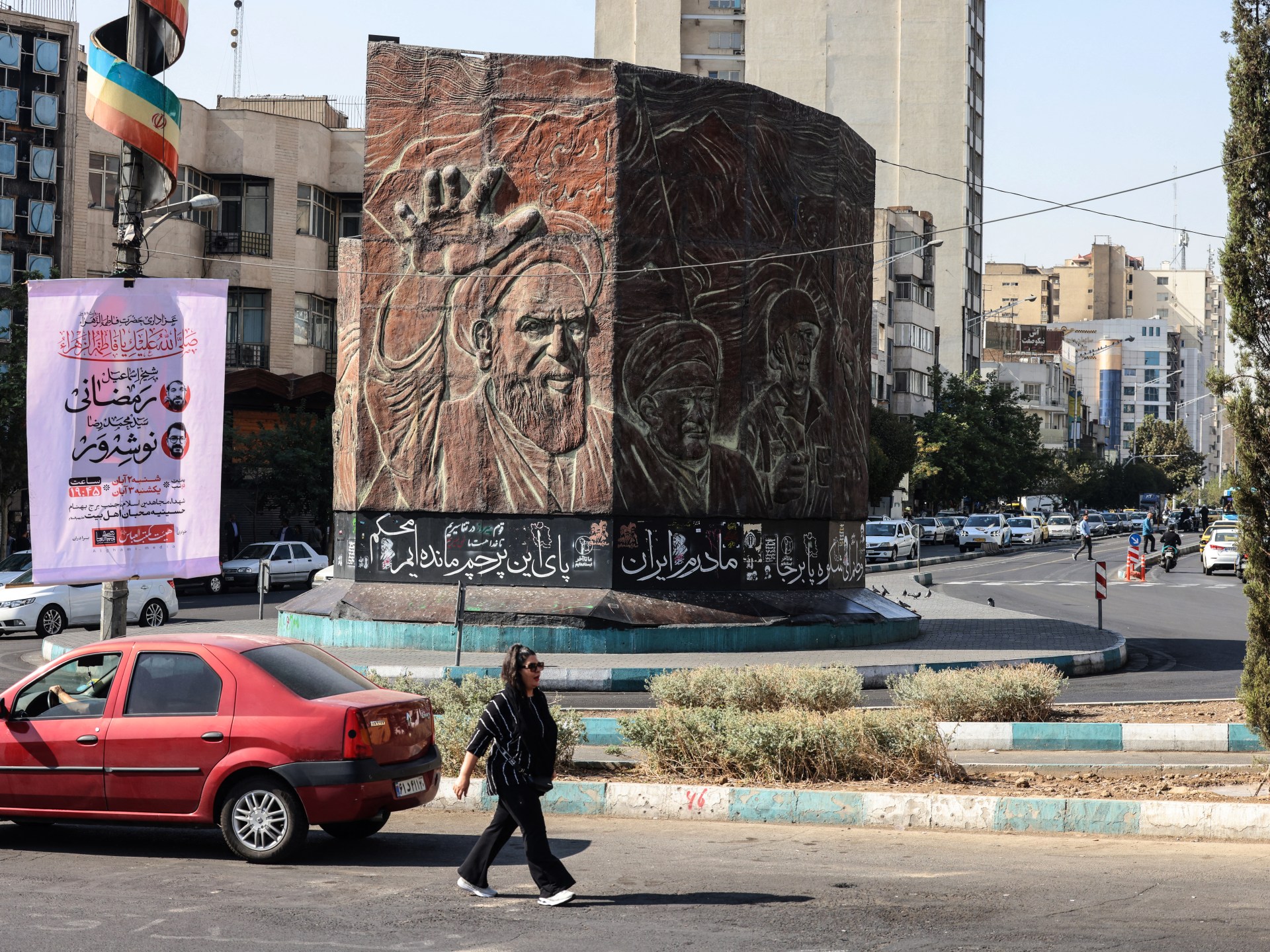
Iran rebuffed US diplomatic overtures as tensions remained elevated in the Gulf, with a merchant vessel ablaze off the Iraqi coast and hardline factions within Tehran publicly challenging President Pezeshkian’s negotiation stance. Mediation efforts continued as Saudi Arabia, Pakistan, and Turkey’s senior security officials held talks with Iranian counterparts to address escalating Houthi operations and prevent broader regional conflict, though the diplomatic path faces mounting domestic opposition from Iran’s uncompromising voices.
Iran Says US Negotiations Are Not Serious
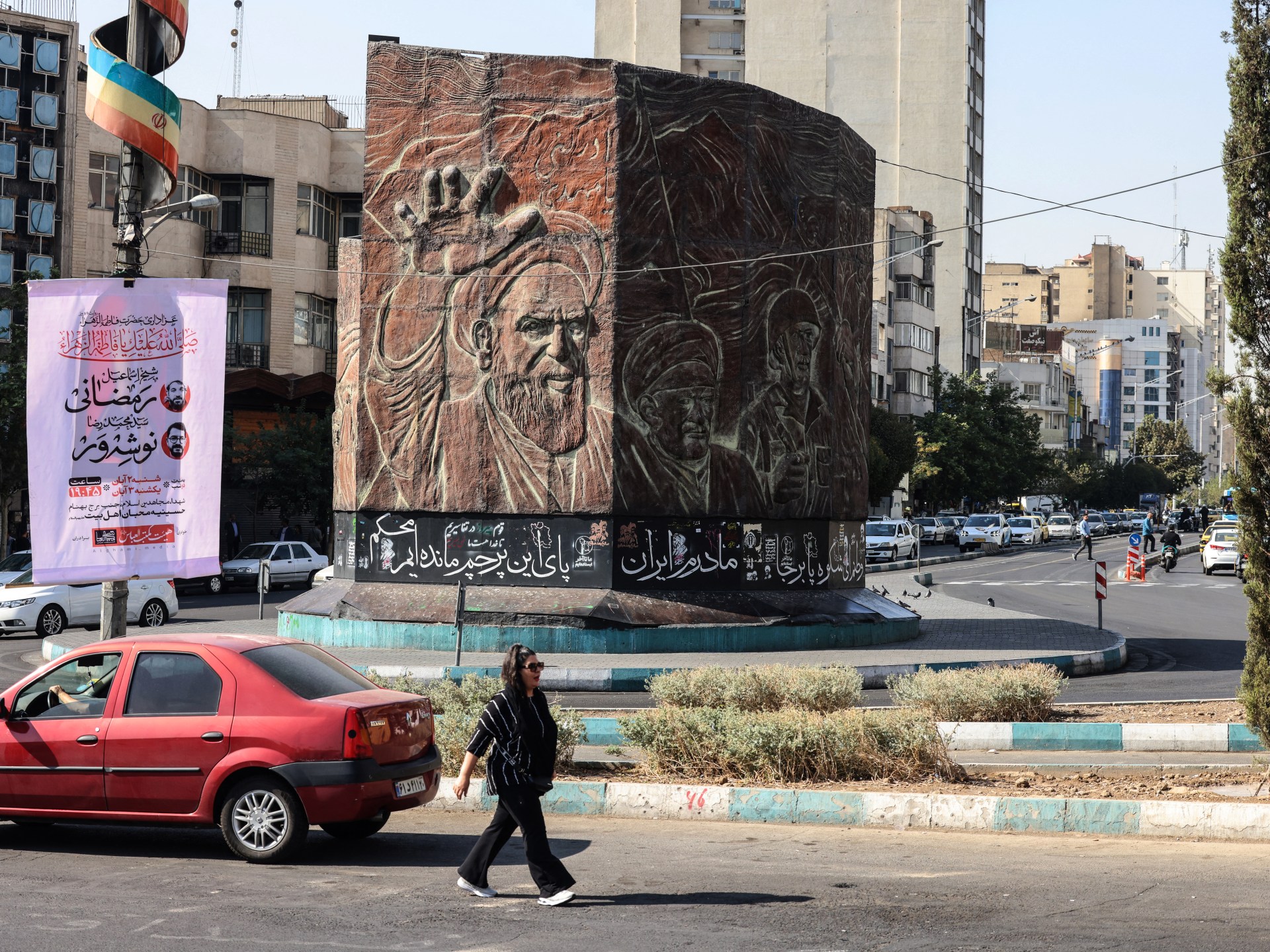
Iran’s leadership rejected claims that the United States is genuinely interested in diplomatic resolution, signaling continued skepticism of Washington’s intent. Simultaneously, a merchant ship caught fire off the coast of Iraq, according to reports from the United Kingdom Maritime Trade Operations (UKMTO), adding to the pattern of maritime incidents in the already volatile Gulf corridor and raising concerns about shipping security in the region.
Anti-Negotiation Hardliners Challenge Pezeshkian
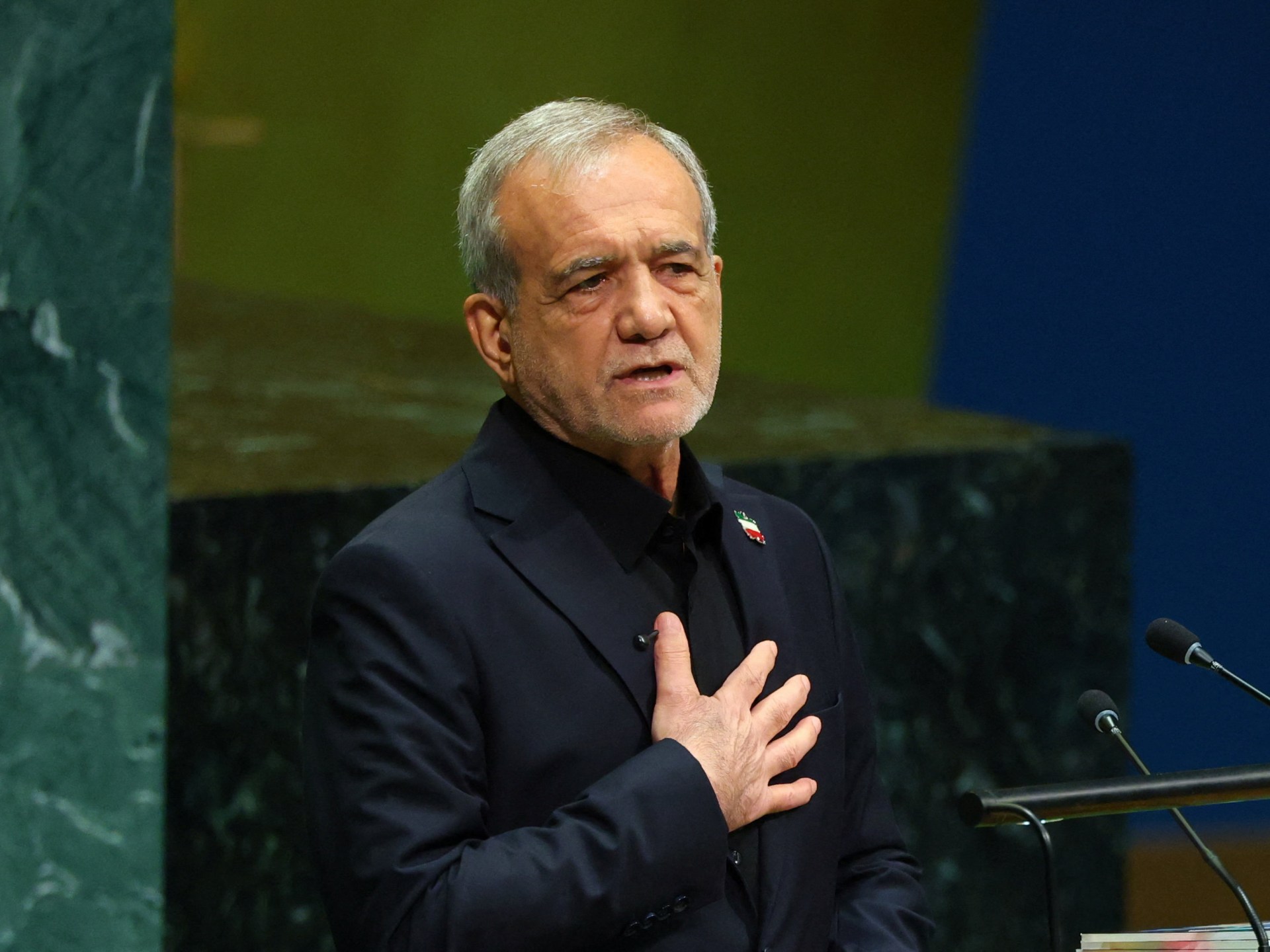
Iran’s hardline faction has intensified criticism of President Pezeshkian’s openness to negotiations with the United States, reflecting deep internal divisions within the Iranian government over whether engagement or confrontation better serves the nation’s interests. The public disagreement highlights the political pressure the moderate president faces from conservative officials who view diplomacy as concession and weakness.
Mecca Alliance Members in Tehran for De-escalation Talks
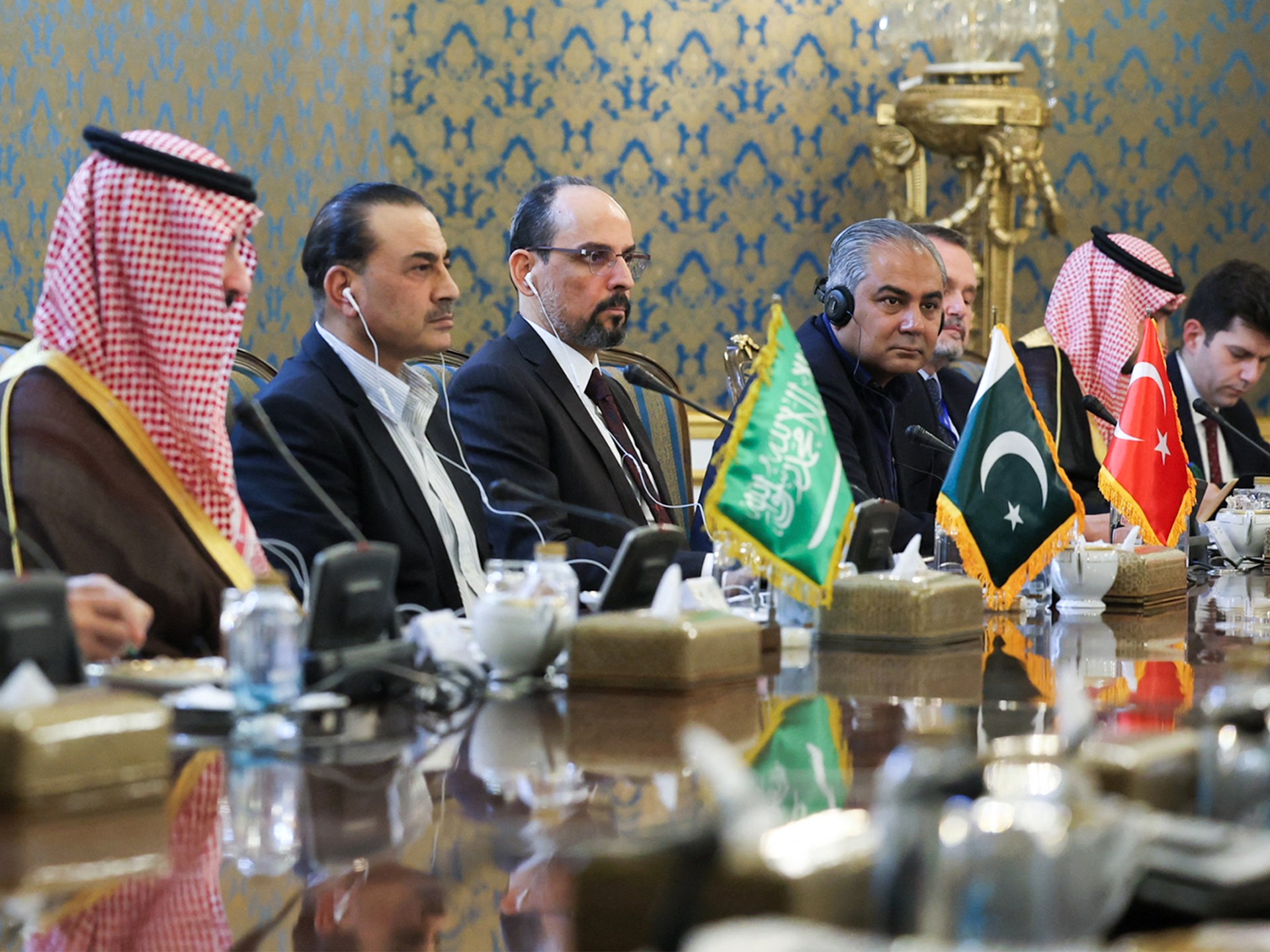
Senior defence and security officials from Saudi Arabia, Pakistan, and Turkey arrived in Tehran for high-level talks aimed at defusing mounting tensions over Iran-US confrontation and the escalating Houthi campaign in Yemen. The delegations sought to coordinate a unified response to Houthi advances while exploring pathways to prevent further escalation of the broader regional conflict—marking a continued diplomatic push despite deepening military pressure.
Netanyahu Pressed for Iran Strike Before Election
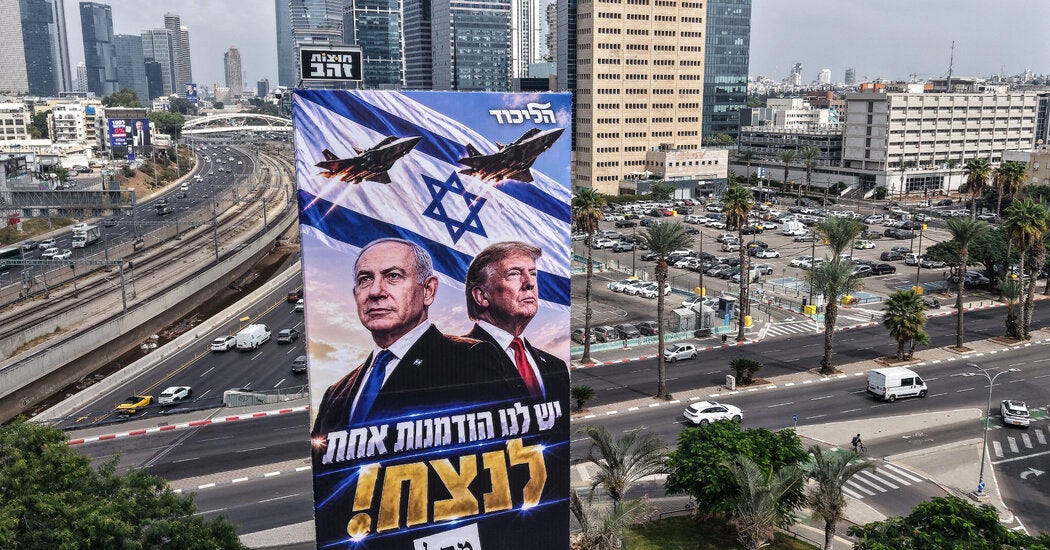
Israeli Prime Minister Benjamin Netanyahu pushed his military leadership to authorize a separate covert action against Iran in recent days, according to senior Israeli officials and people briefed on internal deliberations. Israel’s military chief resisted the demand for an overt strike, but the prime minister’s advocacy for an alternative approach demonstrates the acute political pressure surrounding Iran strategy as Israel heads into elections, with hardline security positioning potentially shaping policy decisions.
Iran War Threatens Global Food Security

Trade officials warned that escalating Iran-US tensions and regional conflict are putting Africa’s food security at acute risk, as disruption to shipping routes, oil prices, and fertilizer supply chains threatens staple crop production across the continent. The warning reflects the broader economic spillover from Middle East conflict into global supply networks, with vulnerable nations facing compounding pressure from market volatility and logistics breakdowns.
Compiled from the configured RSS feed.