
Iran Conflict — 2026-10-26 (PM)

A rare diplomatic surge has emerged in Tehran amid escalating military tensions across the Middle East. High-level delegations from Saudi Arabia, Turkey, and Pakistan are visiting Iran simultaneously, signaling potential diplomatic openings even as the U.S. and Israel reportedly prepare contingency plans for renewed military action. The situation reflects the deepening complexity of Middle Eastern politics as multiple regional actors attempt to navigate competing interests.
Diplomatic Delegations Visit Tehran Amid War Concerns

Saudi Arabia, Turkey, and Pakistan are conducting a rare joint diplomatic visit to Tehran, according to reports from diplomatic sources. The simultaneous presence of delegations from three key regional players underscores efforts to engage Iran directly even as U.S. and Israeli officials are reportedly drawing up plans to renew military operations. The timing of these visits signals that regional powers are attempting to create diplomatic space before potential escalation.
Trump Signals Openness to Deal or Further Escalation
Former president Donald Trump said he is weighing a diplomatic deal with Iran against the possibility of renewed military action, stating he will “soon decide” whether to “make a deal” or “finish it off.” Trump’s remarks reflect the uncertainty surrounding U.S. Iran policy as tensions escalate across the Middle East and military planners consider new operational scenarios. The statement comes amid reports of Israeli and American contingency planning.
Houthi Missile Attack Causes Damage in Saudi Arabia
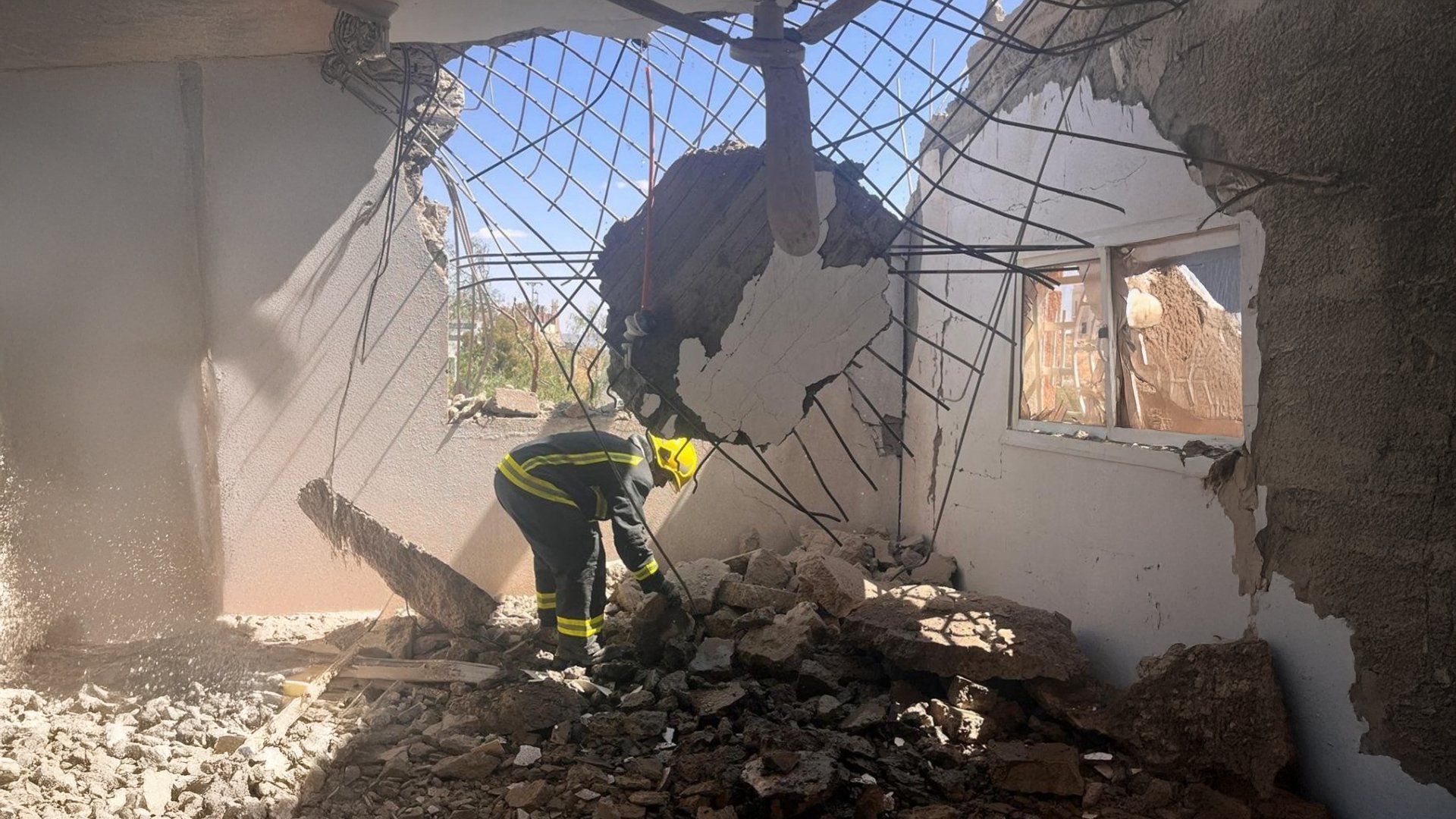
Houthi-fired missiles targeted the Saudi Arabian city of Khamis Mushait, causing damage despite interception attempts. Debris from the intercepted missiles fell on residential areas, marking the latest in a series of Iranian-backed militant attacks against Saudi Arabia. The incident underscores the ongoing proxy conflict dynamics in the region, with the Houthis continuing to press attacks from Yemen.
Pakistan Reopens Border with Iran for Trade
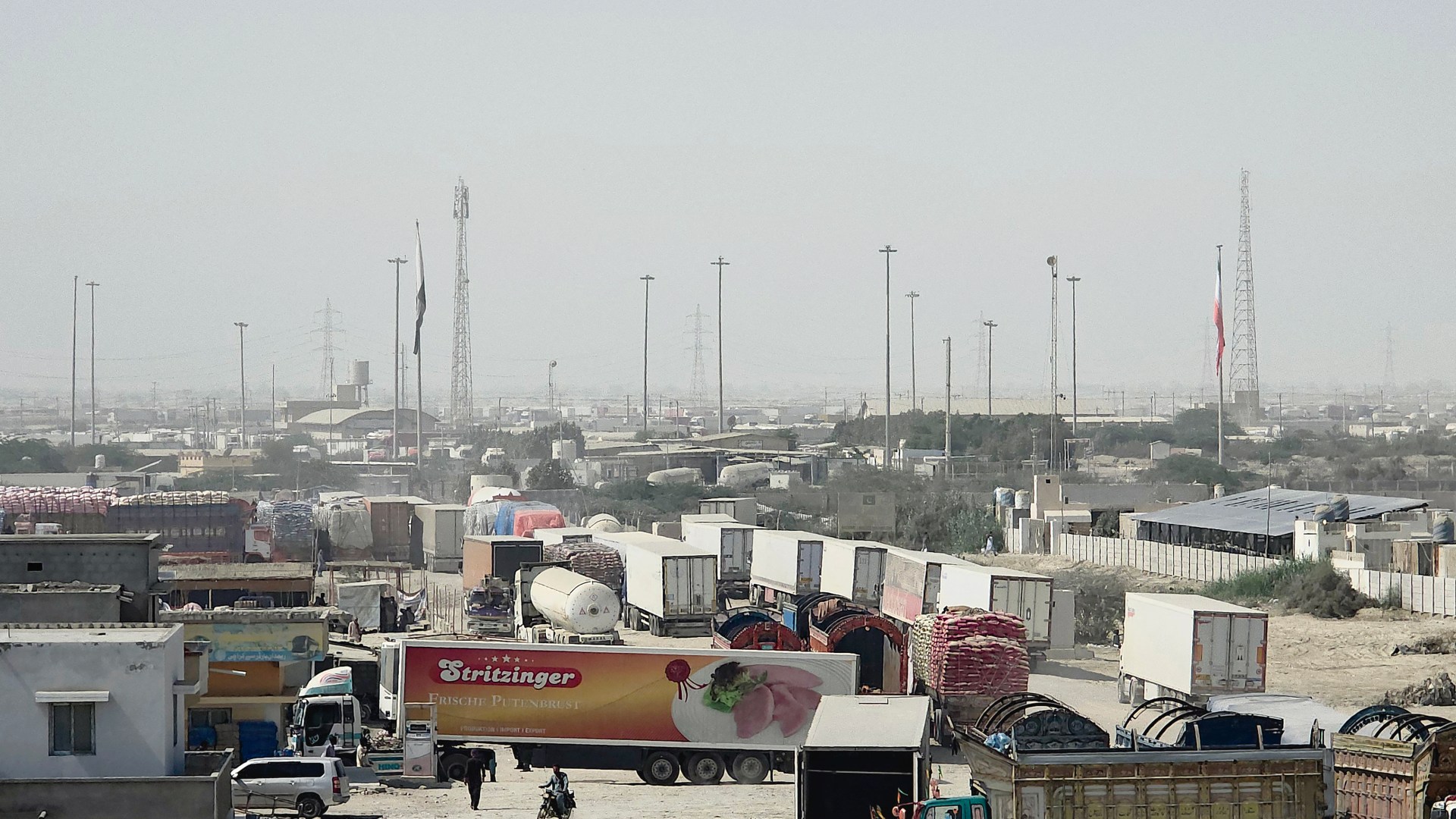
Pakistan has reopened its border crossing with Iran to facilitate trade, a significant move in bilateral economic relations between the two neighboring countries. The decision reflects Pakistan’s effort to normalize commercial ties with Iran and indicates independent policy considerations separate from U.S. strategic priorities. The reopening addresses longstanding constraints on Pakistan-Iran trade and signals improved relations despite regional tensions.
Israel Accelerates West Bank Expulsions

Israel has expanded its expulsion operations in the occupied West Bank in what officials describe as efforts to cement territorial control. The accelerated settlement consolidation and forced displacement of Palestinian residents continues a long-standing pattern of Israeli policy aimed at preventing Palestinian territorial contiguity. The operations underscore the parallel Israeli-Palestinian track of the broader regional conflict.
Syria’s Suwayda Province Remains Deadlocked Amid U.S.-Israel Split

The situation in Syria’s Suwayda province remains unresolved as the U.S. signals policy differences with Israel on Syria strategy. U.S. officials have indicated concerns about Israeli expansionism in Syria, suggesting divergence on long-term objectives in the country. The Suwayda deadlock reflects broader complications in coordinating Middle Eastern policy among allies with overlapping but distinct strategic interests.
Compiled from the configured RSS feed.