
Iran Conflict — 2026-10-26 (NOON)
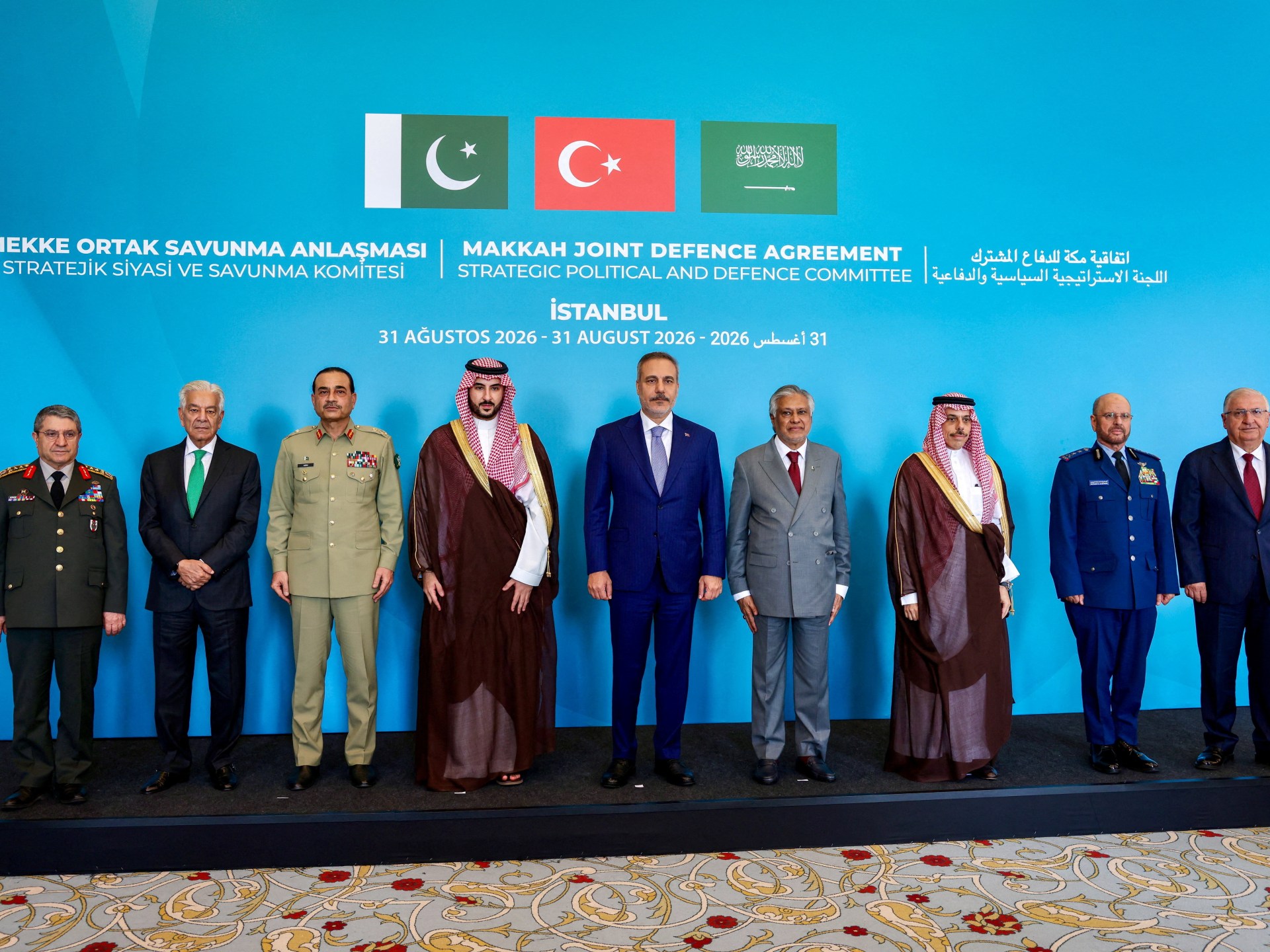
High-level diplomatic contacts resumed as the Mecca Pact alliance (Saudi Arabia, Pakistan, Turkey) sends defence and security officials to Tehran for talks—a significant development signaling de-escalation efforts even as Houthi attacks persist against Saudi Arabia. Meanwhile, Israel’s pivotal election approaches with regional tensions shaping the political landscape.
Mecca Pact Opens Dialogue Channel in Tehran
Saudi Defence Minister Khalid bin Salman, Pakistani military chief Asim Munir, and Turkish intelligence chief Ibrahim Kalin are visiting Tehran for talks led by Iran’s Mohsen Rezaei, the first high-level contact between the full Mecca Defence Alliance and Iran since Houthi escalation intensified last month. Saudi officials framed the visit as part of broader de-escalation efforts, with deputy foreign minister Rayed Krimly stating the talks support Qatar and Pakistan’s mediation efforts for “dialogue and diplomatic solutions” amid the ongoing US-Israel war on Iran. Iran has previously signaled it will not negotiate with the US until demands are met—a condition Pakistani military chief Munir encountered during his own Tehran visit last week.
Houthi Barrage Strikes Near Mecca’s Holy Sites
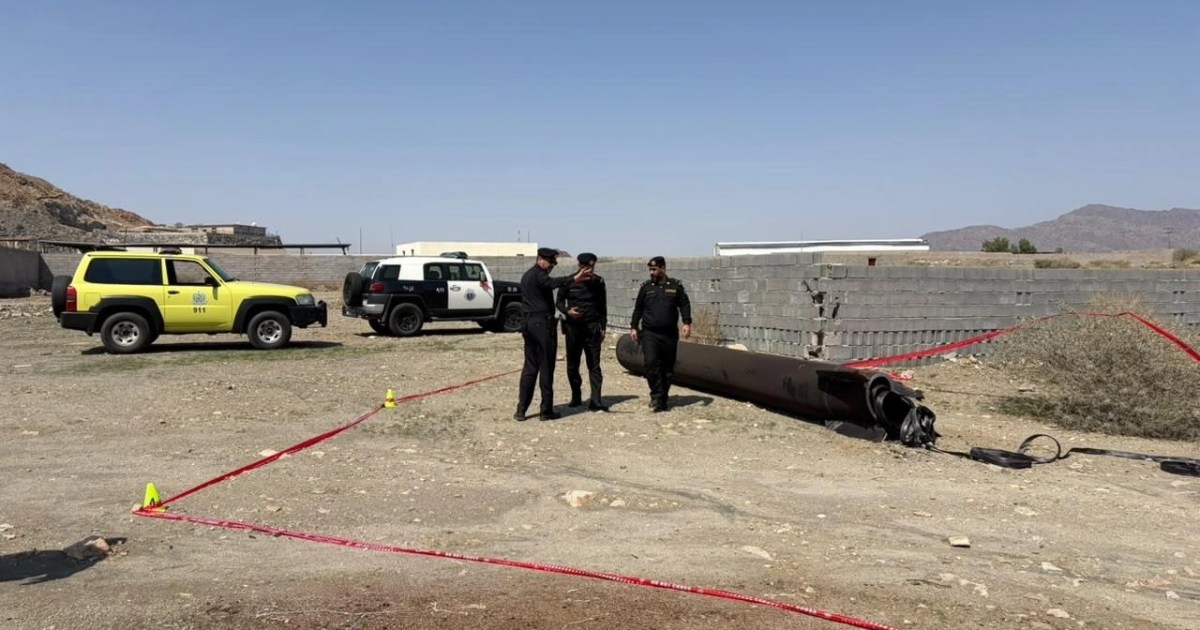
Yemen’s Houthi forces unleashed a fresh barrage of missiles and drones on Saudi Arabia, with shrapnel from intercepted ballistic missiles falling in Jeddah, Taif, Rabigh, and Mecca province—prompting the Gulf Cooperation Council to condemn the strikes as a “grave violation of the sanctity of the Holy Sites.” Saudi air defences intercepted a cruise missile over Khamis Mushait and 10 ballistic missiles targeting the southern region, while Houthi military spokesman Yahya Saree warned civilians away from Riyadh airport, declaring it “not safe” because it is a “military target” and announcing seven additional operations against Saudi oil facilities and military bases. The kingdom resumed international flights from King Khalid Airport’s Terminal 2 following earlier disruptions from Houthi strikes.
Israeli Election Sets Stage for Regional Strategy Debate
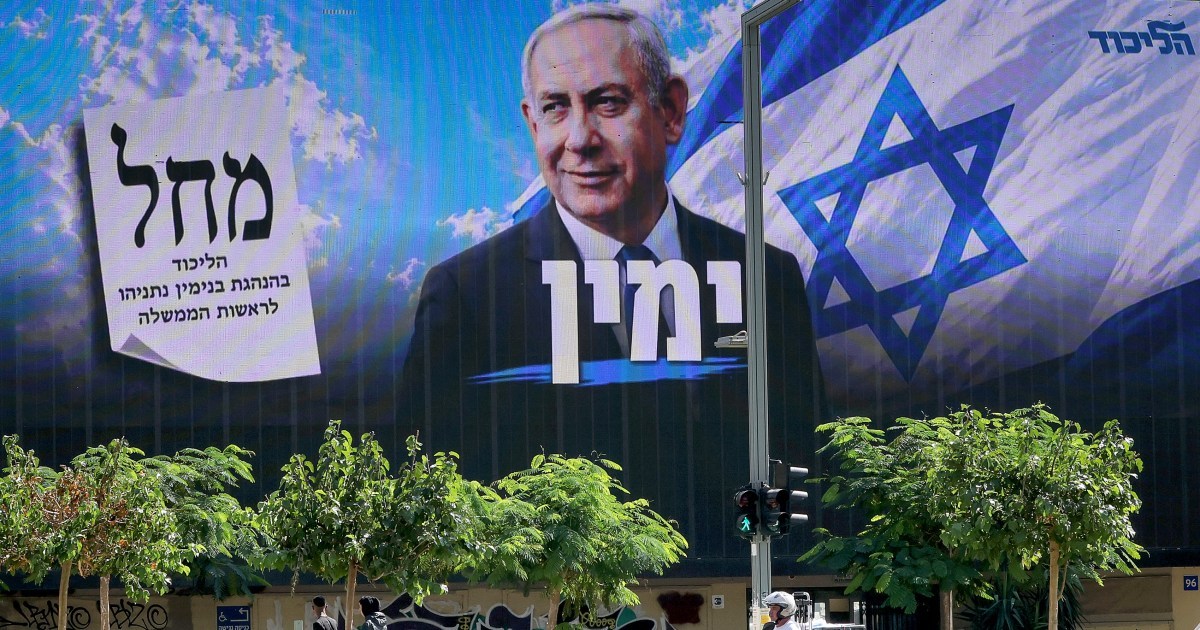
Israel’s election approaches against a backdrop of heightened regional tensions, with leading candidates presenting competing strategies for addressing Iran escalation, Palestinian territories, and the broader conflict environment. The election reflects internal Israeli political realignment as mainstream parties have consolidated around hardline positions on Palestinian-related measures, reshaping the political centre rightward. Early voting patterns suggest a competitive race as Israelis weigh security approaches and regional policy direction.
Oil Markets Reflect Escalation Uncertainties
Brent crude slid over 2 percent as traders weighed competing signals: the threat of fresh Houthi attacks on Saudi energy infrastructure versus mounting demand concerns from economic slowdown signals. The volatility reflects broader market uncertainty about whether regional escalation will drive supply disruptions or demand destruction will dominate price direction—a dynamic that has become central to oil trading positioning as the conflict drives daily swings.
Compiled from the configured RSS feed.