
Iran Conflict — 2026-10-15 (PM)
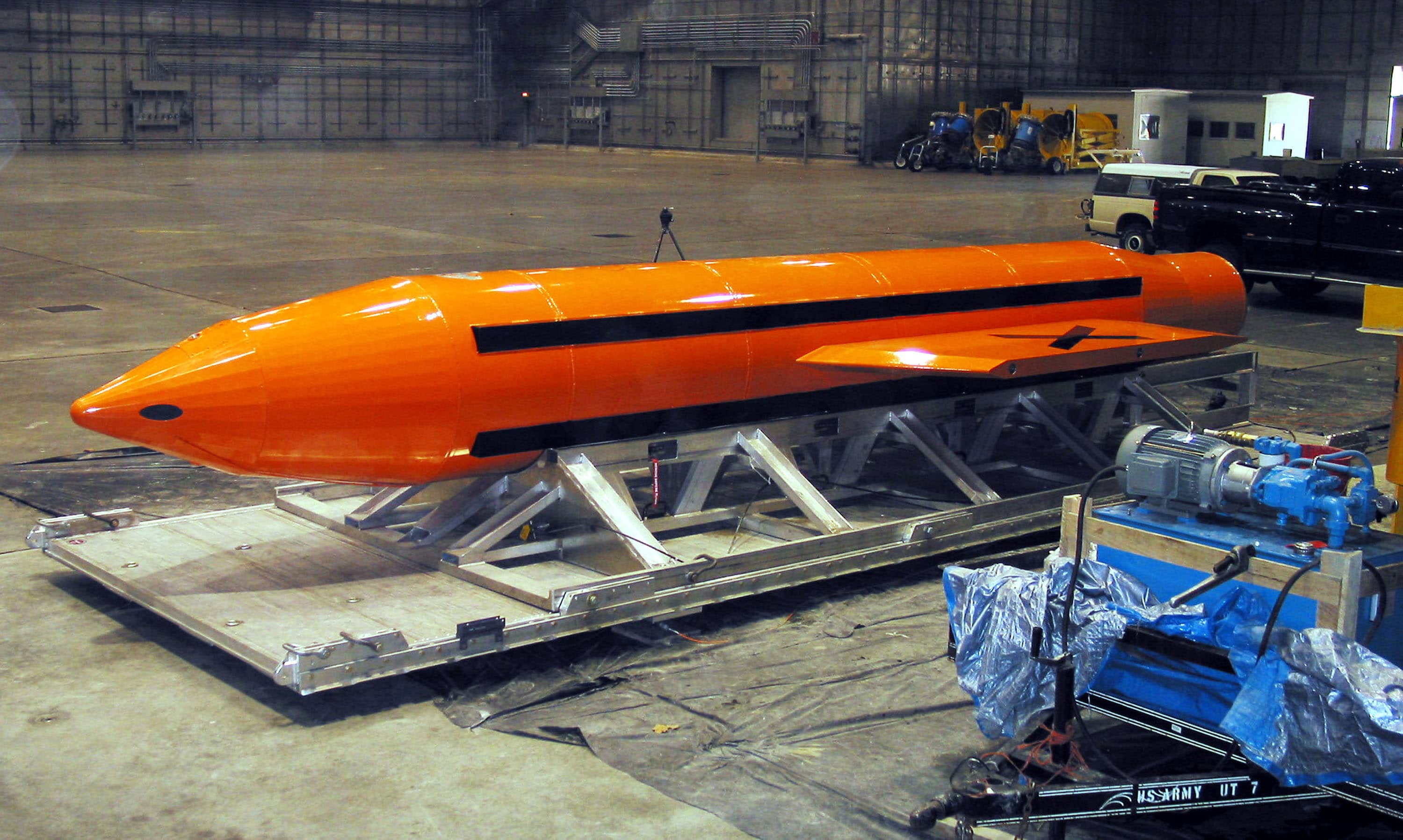
The United States military has reportedly drawn up strike options against Iran that include potential use of one of the largest non-nuclear weapons in its arsenal, signalling a shift toward more aggressive escalation scenarios. Simultaneously, analysts weigh Trump’s constrained military options ahead of the midterm elections, with the stalemate forcing policymakers to reckon with the conflict’s unsustainable trajectory and rising costs of both action and inaction.
U.S. Reportedly Considers ‘Mother of All Bombs’ Strikes Against Iran
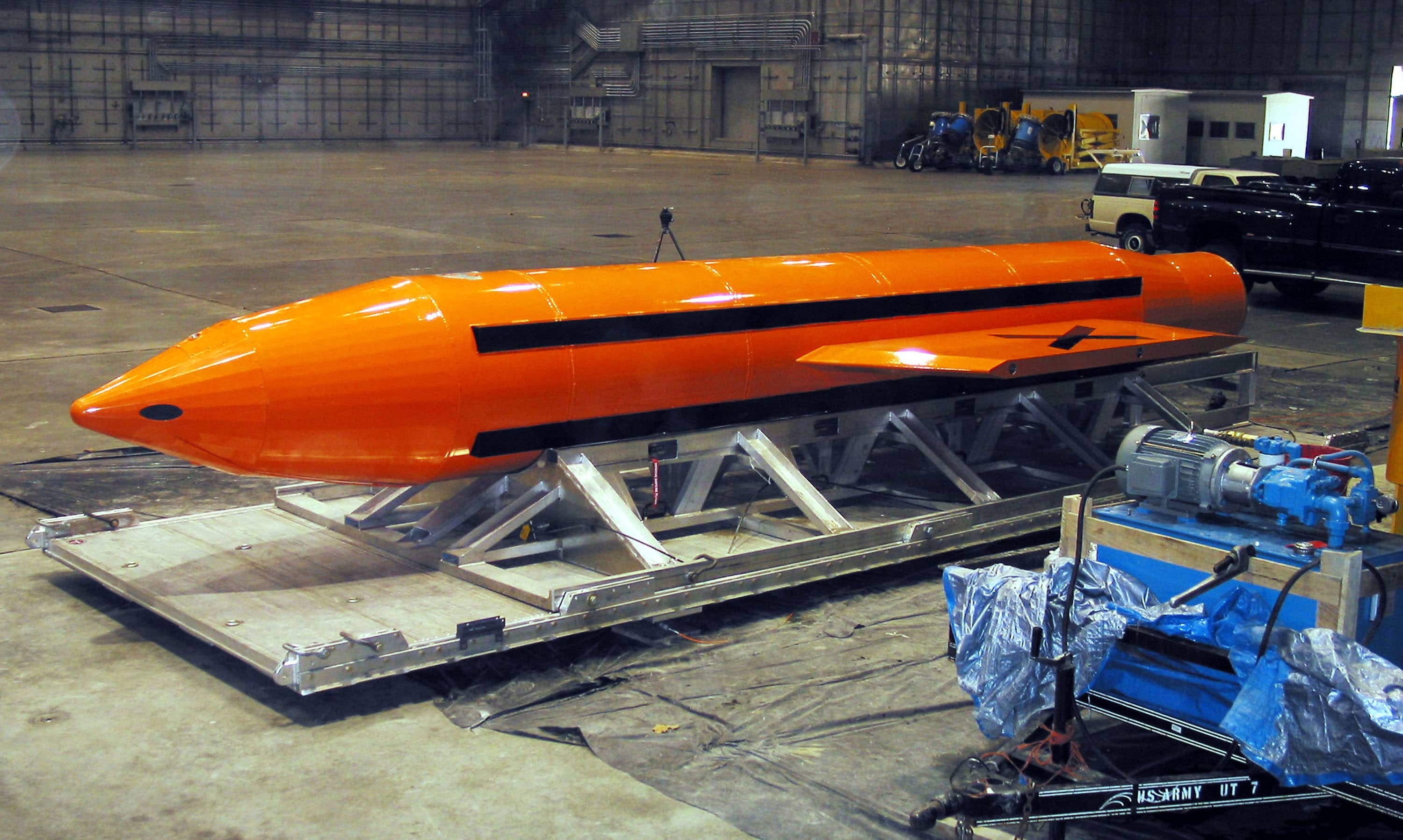
The U.S. military has reportedly developed strike options against Iran that include potential deployment of the GBU-43 Massive Ordnance Air Blast (MOAB), one of the largest conventional weapons in the American arsenal. The escalation in available options reflects the military’s assessment that conventional targeting and surgical strikes have reached diminishing returns in deterring Iranian actions. The move signals Washington’s willingness to consider proportionally larger responses if Tehran further escalates, marking a notable hardening of the deterrence posture after months of tit-for-tat strikes and counter-strikes.
Trump’s Military Options Constrained by Electoral Calendar and Strategic Deadlock
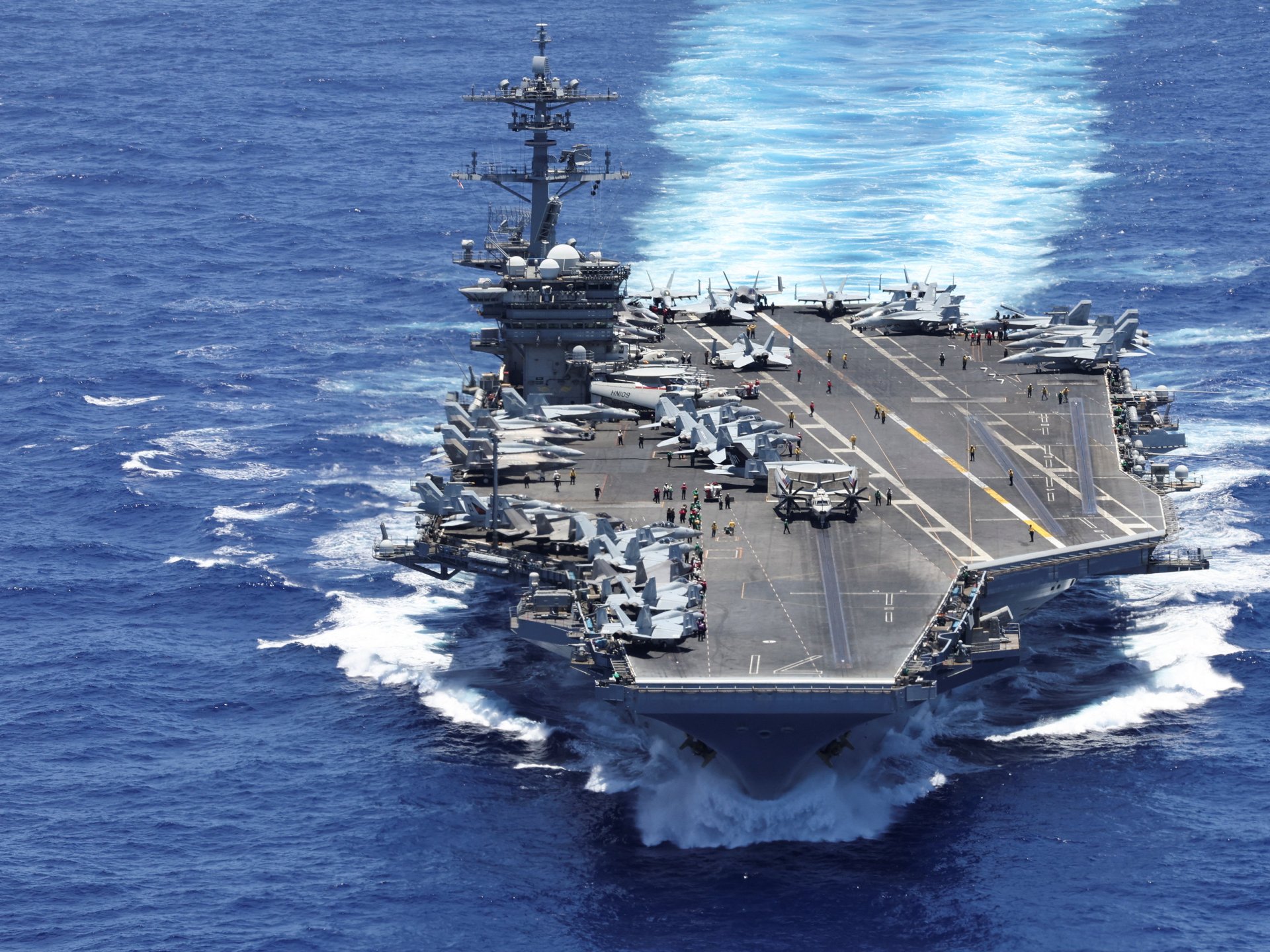
With the U.S. midterm elections approaching, President Trump has ruled out major military action before that date, constraining his options even as the Iran conflict enters a strategic deadlock. Military analysts assess that Trump faces limited choices: escalate and risk broader regional war, negotiate from a position of demonstrated weakness, or maintain the costly stalemate. Each option carries significant costs—escalation risks pulling allied nations deeper into conflict, negotiations appear unlikely given Iran’s stated unwillingness to modify its strategic posture, and indefinite stalemate strains U.S. military resources and global economic stability.
Yemen Battlefield Intensifies as Houthis Escalate Pressure on Saudi Arabia
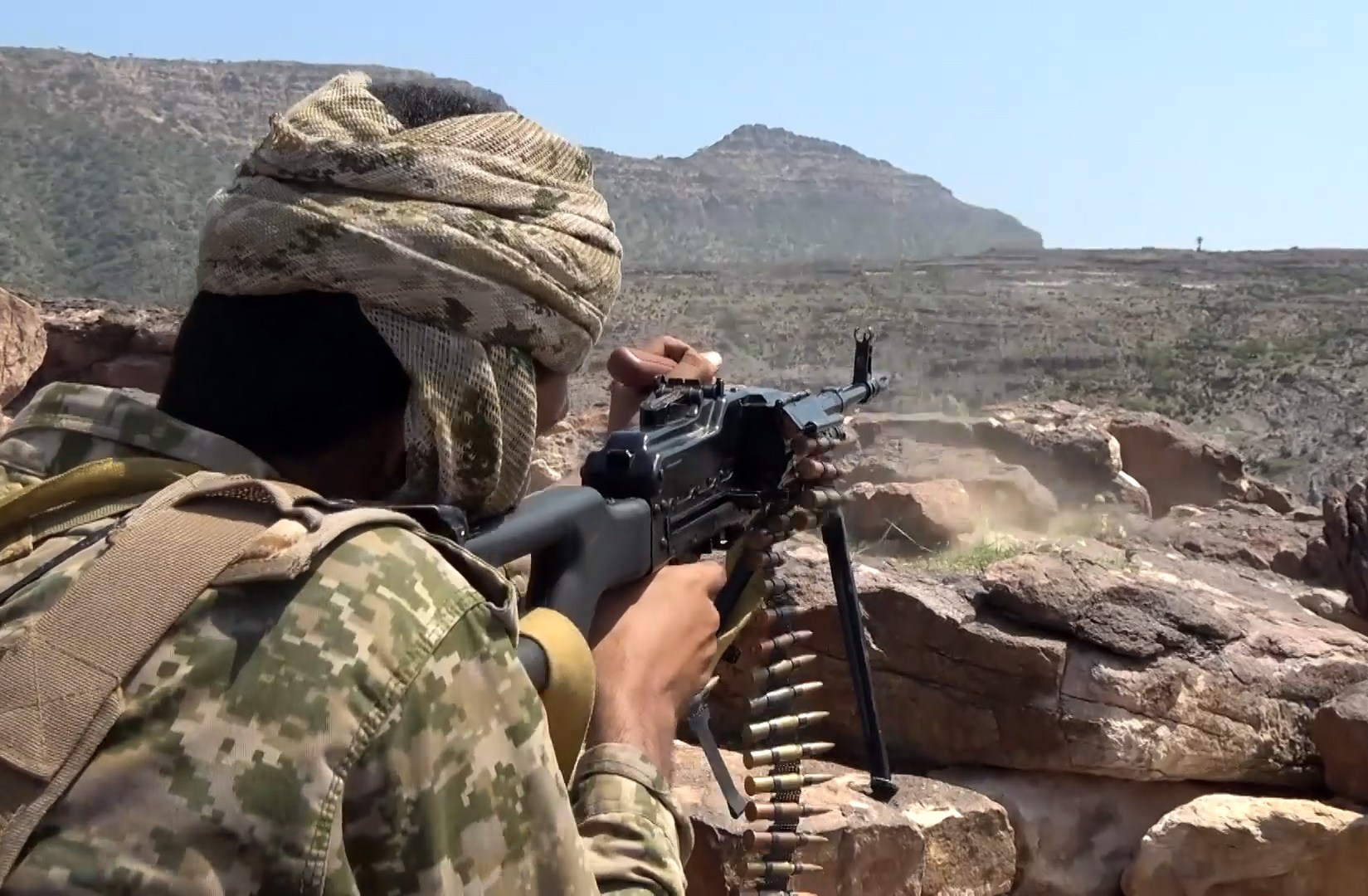
Fighting in Yemen has intensified across multiple fronts as the Houthi movement attempts to raise the operational and economic costs of the conflict for Saudi Arabia and its coalition partners. Houthi attacks on Saudi infrastructure, naval operations in the Red Sea, and strikes on civilian targets demonstrate sustained offensive capability despite years of Saudi air campaign. The escalation underscores the Houthis’ strategy of asymmetric warfare—inflicting costs through distributed, low-cost drone and missile attacks against high-value targets, forcing expensive defensive responses and disrupting economic activity across the region.
Houthi Attacks Force Postponement of AFC Asian Cup in Saudi Arabia
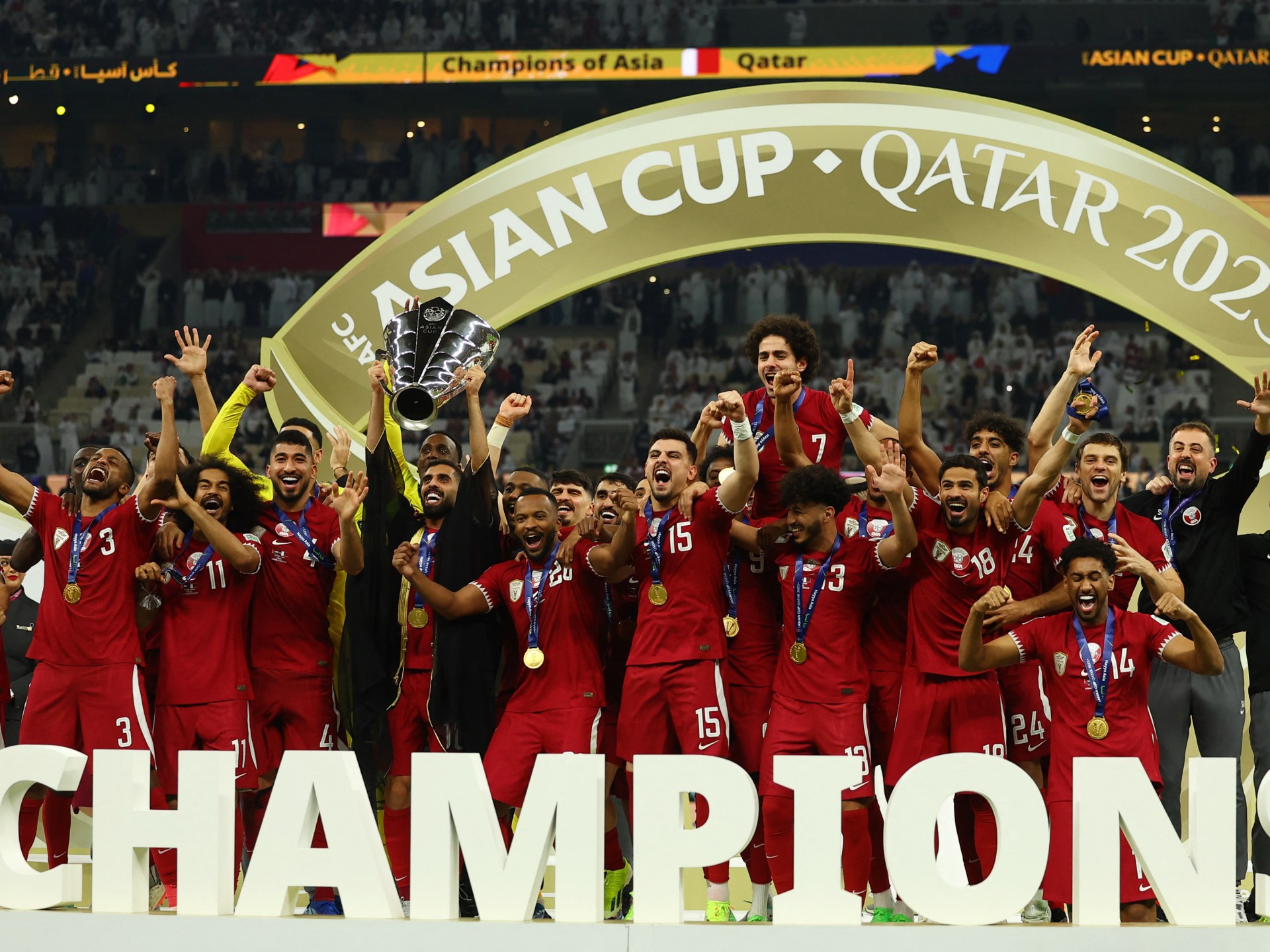
The AFC (Asian Football Confederation) has indicated that the Asian Cup tournament, scheduled to begin January 7, 2027, in Saudi Arabia could be postponed by up to one year if security concerns from ongoing Houthi attacks persist. The threat to one of Asia’s major sporting events underscores how the Iran-backed Houthi campaign has moved beyond military and economic targets to destabilize civilian and cultural activities across the region. A postponement would represent a significant diplomatic and prestige loss for Saudi Arabia and signal broader instability in the Gulf.
Compiled from the configured RSS feed.