
Iran Conflict — 2026-10-15 (AM)
Escalating Hormuz Crisis Threatens Global Shipping as Iran Vows Protracted Conflict
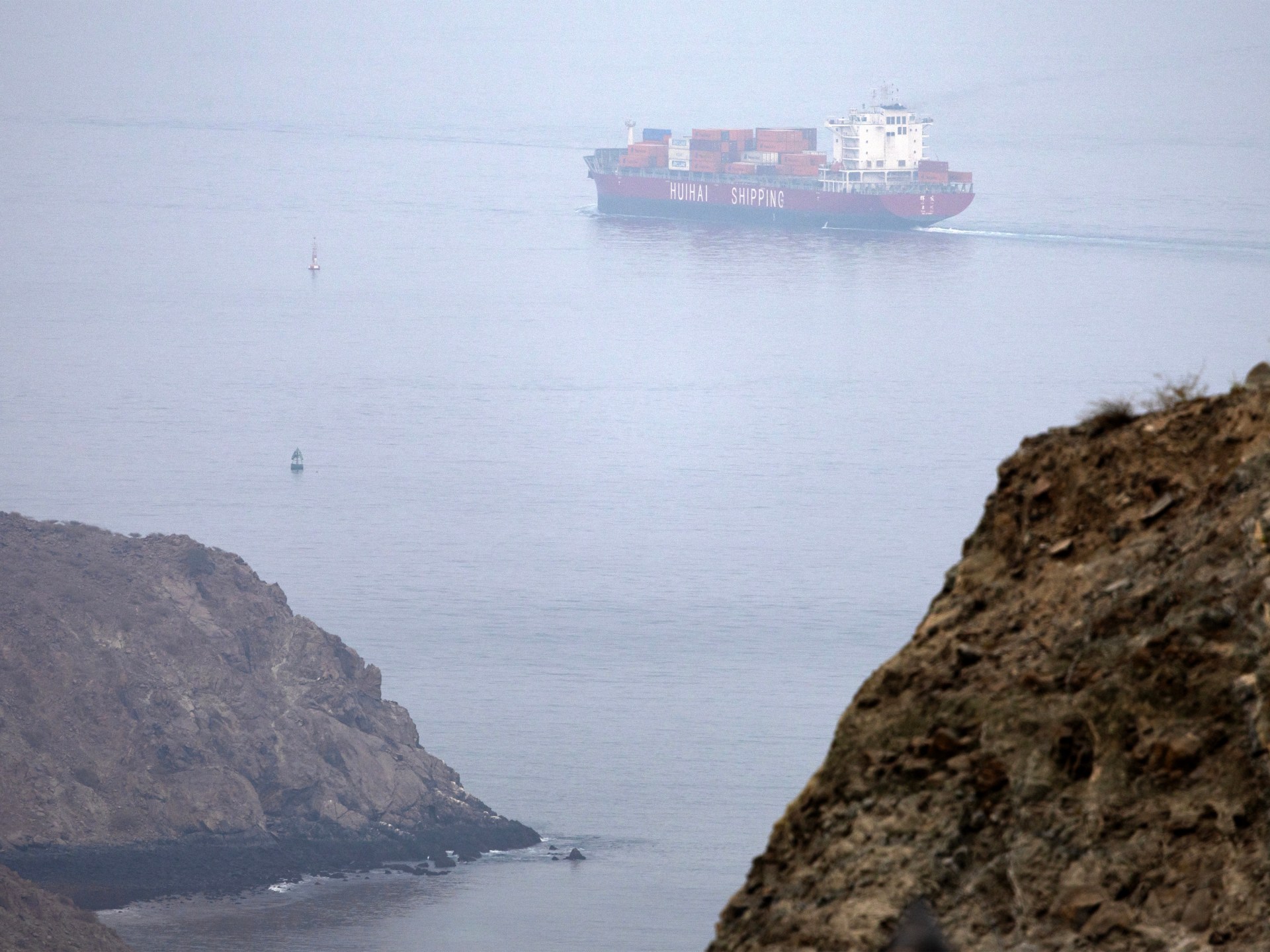
Iran’s leadership has signalled resolve to sustain military operations against Western assets in the Persian Gulf region, declaring it will continue fighting until the United States accepts its strategic demands. This rhetorical hardening coincides with tangible escalation: a container ship has sunk in the Strait of Hormuz in recent days as Iran intensifies strikes on commercial vessels transiting the world’s most critical energy chokepoint. The escalation underscores Tehran’s determination to weaponize Hormuz access as leverage in negotiations while the economic cost of the conflict spreads globally through shipping insurance premiums, delayed deliveries, and energy market disruptions.
Iran and US: Diplomatic Stalemate Amid Military Escalation
Iran’s Foreign Ministry declared that Tehran “does not seek an endless war” but insists it will fight until Washington accepts its conditions—a framing that positions negotiation as contingent on American concessions rather than mutual compromise. Simultaneously, Iranian forces and their proxies have accelerated kinetic operations: the sinking of a container vessel in Hormuz represents a dramatic escalation in economic warfare, as Tehran targets not just military assets but commercial shipping that underpins global trade. Analysts assess this dual strategy—rhetorical openness paired with military escalation—as an attempt to signal willingness to negotiate from a position of demonstrated strength.
Container Ship Loss in Hormuz: Iran’s Targeting of Commercial Vessels Intensifies
A container ship has sunk in the Strait of Hormuz as Iran intensifies its campaign against commercial shipping transiting the waterway. The sinking represents one of the most direct strikes against international commerce and signals Tehran’s willingness to target vessels not solely identified with Western military interests. Iran’s escalation comes as it attempts to choke off a rebound in crude oil exports—a strategy aimed at disrupting economic recovery and demonstrating the vulnerability of global energy supply chains to Iranian disruption. The loss threatens to increase shipping insurance costs across the region and force maritime operators to reroute around the Cape of Good Hope, adding weeks to transit times and billions in operational costs.

US Destroys Iranian Surveillance Vessel in Gulf of Oman
The United States military destroyed an Iran-affiliated boat in the Gulf of Oman, accusing it of conducting surveillance operations against American and allied forces. The action represents a direct kinetic response to Iranian reconnaissance efforts and reflects the persistent naval confrontation between US and Iranian forces in the region’s strategic waters. US military officials characterized the vessel as part of Iran’s broader surveillance network, suggesting Tehran maintains active intelligence collection operations against Western military movements—a posture consistent with preparations for potential escalation.
Chabahar Port Security Officials Killed in Suspected Attack
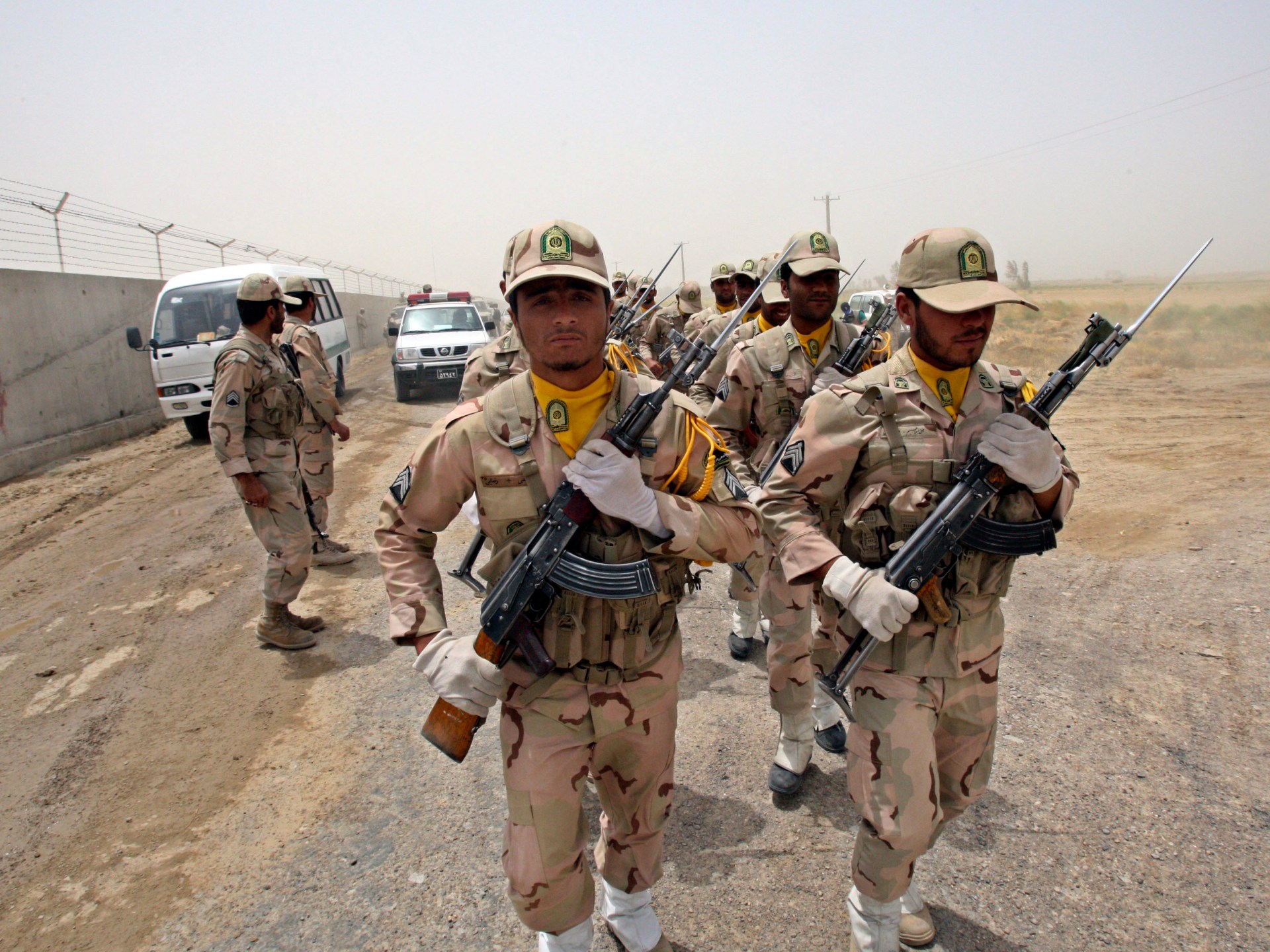
At least two security officials have been killed near Iran’s critical Chabahar port in southeastern Iran, with Tehran accusing “terrorist groups” supported from outside the country of conducting the operation. Chabahar represents Iran’s primary deep-water port and serves as a crucial gateway for trade with India and Central Asia—bypassing sanctions through alternative routes. The attack suggests that anti-Iran forces may be conducting sabotage operations against critical infrastructure, a tactic consistent with broader asymmetric warfare patterns in the region. Iran’s attribution to externally-supported groups reflects suspicions of US, Israeli, or Saudi involvement in destabilization efforts.
Houthi Attacks Force Travel Disruptions for Mecca Pilgrims
Yemen’s Iran-backed Houthis continue to target Saudi Arabian infrastructure, forcing travel disruptions for Muslim pilgrims headed to Mecca for Umrah (lesser pilgrimage). Houthi missile and drone strikes on Saudi airports and commercial aviation have created uncertainty and delays for regional and international pilgrims, reflecting how the Yemen conflict has cascading effects across the broader region. The disruptions underscore the Houthis’ capability to disrupt civilian life in Saudi Arabia despite months of Saudi air defence improvements and international intervention.
Yemen Humanitarian Crisis Reaches Critical Threshold
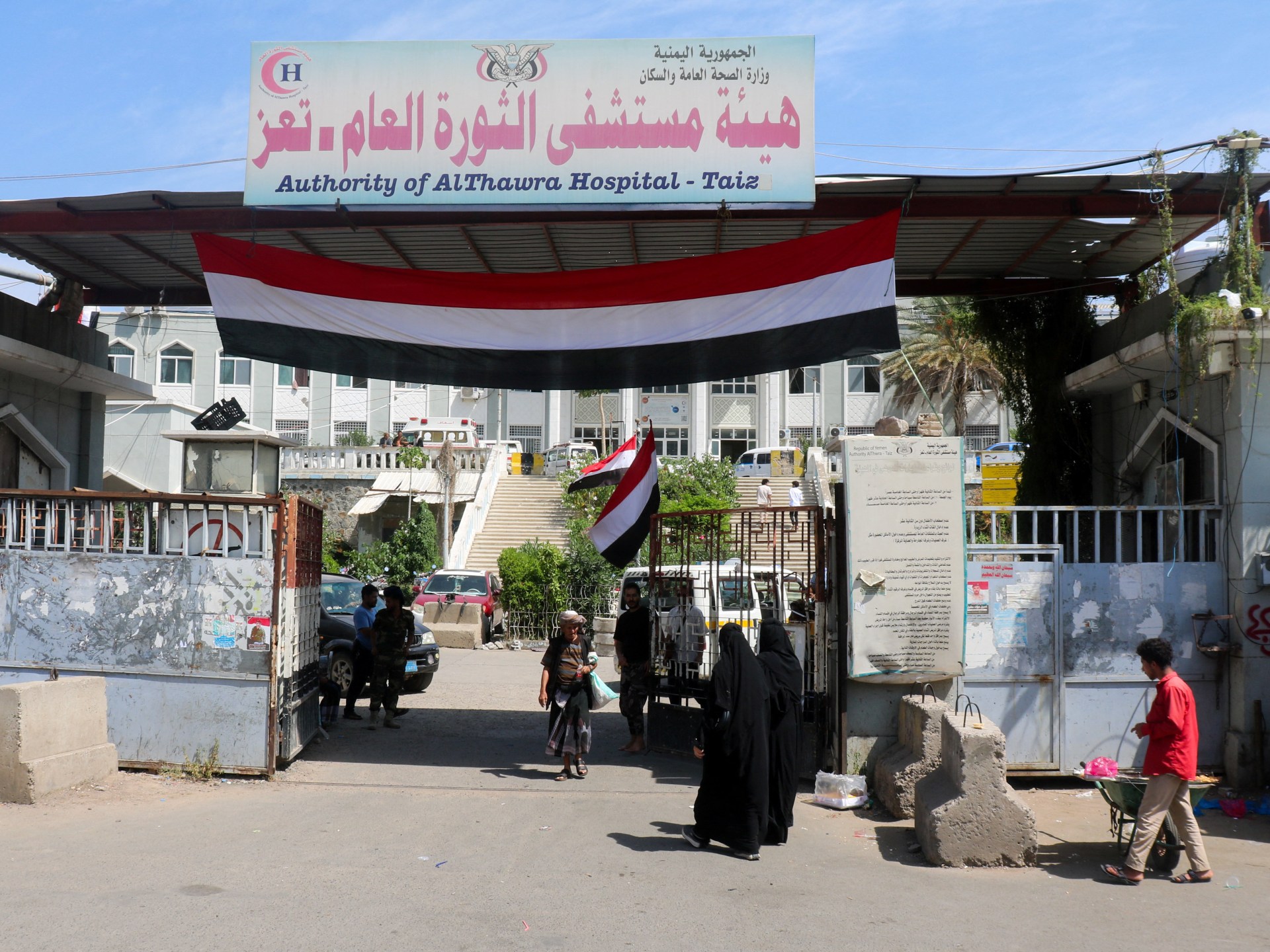
Renewed fighting in Yemen risks creating a “humanitarian catastrophe,” according to international aid groups, with nearly one million people cut off from food aid as health infrastructure becomes overwhelmed by war-wounded. Yemen’s 12-year conflict has created one of the world’s worst humanitarian emergencies, and the current escalation threatens to deepen the crisis. The combination of intense fighting, disrupted supply lines, and collapsed health systems creates conditions for epidemic disease and mass starvation—a toll that will extend far beyond the immediate combatants.
Compiled from the configured RSS feed.