
Iran Conflict — 2026-10-13 (PM)
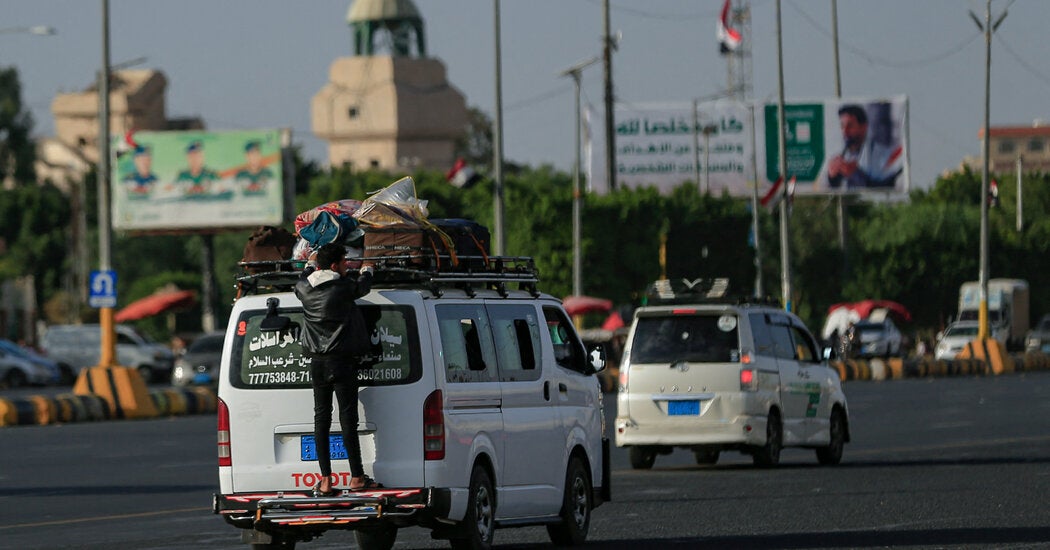
Escalating threats dominate the Middle East conflict landscape as Saudi Arabia and Iran-backed Houthis trade increasingly explicit warnings targeting energy infrastructure. Simultaneously, Iran is visibly preparing for potential external military pressure, fortifying nuclear sites and extending cyber threats across the Gulf region while regional tensions with Israel and broader geopolitical alignments reshape the security calculus.
Saudi Arabia and Houthis Escalate Oil Facility Threats
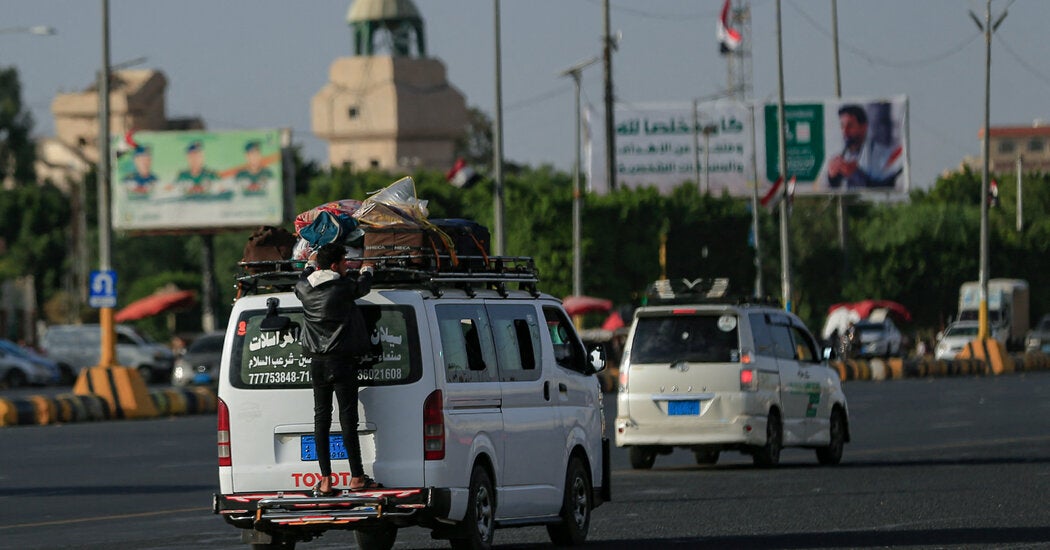
The Iran-backed Houthi militia has threatened to attack Saudi energy giant Aramco following Saudi evacuation notices issued for oil facilities in the Yemeni capital. The escalation represents a dangerous cycle in which direct threats precede kinetic strikes, with Houthis continuing to use energy infrastructure as a strategic target. Saudi-led coalition forces reported intercepting drone and missile attacks on Riyadh, though the frequency and sophistication of such strikes appear to be intensifying.
Iran Fortifies Nuclear Sites Amid U.S. Election Uncertainty

Iran is reportedly reinforcing its nuclear installations as it prepares for the possibility of renewed U.S. military strikes following the American midterm elections. The fortification campaign signals Tehran’s assessment that the political transitions in Washington could lead to more aggressive U.S. posturing on the nuclear question. Iran’s defensive preparations underscore the persistent strategic vulnerability of its atomic infrastructure and the precarious balance between deterrence rhetoric and actual defensive capacity.
Iran Threatens Gulf’s Internet Infrastructure as Cyber Escalation Looms

Iran has publicly threatened to target undersea cables and regional data centres in the Persian Gulf, leveraging the Houthis’ strategic position at the Strait of Hormuz. The threat exposes the region’s critical dependence on a handful of internet chokepoints and underscores how future conflicts could disrupt financial systems, communications, and commerce across the six Gulf states. Intelligence assessments suggest Iran may attempt to weaponize cyber infrastructure as an asymmetric counter to conventional military disadvantages.
Israel Steps Up West Bank Raids on Palestinian Civil Society
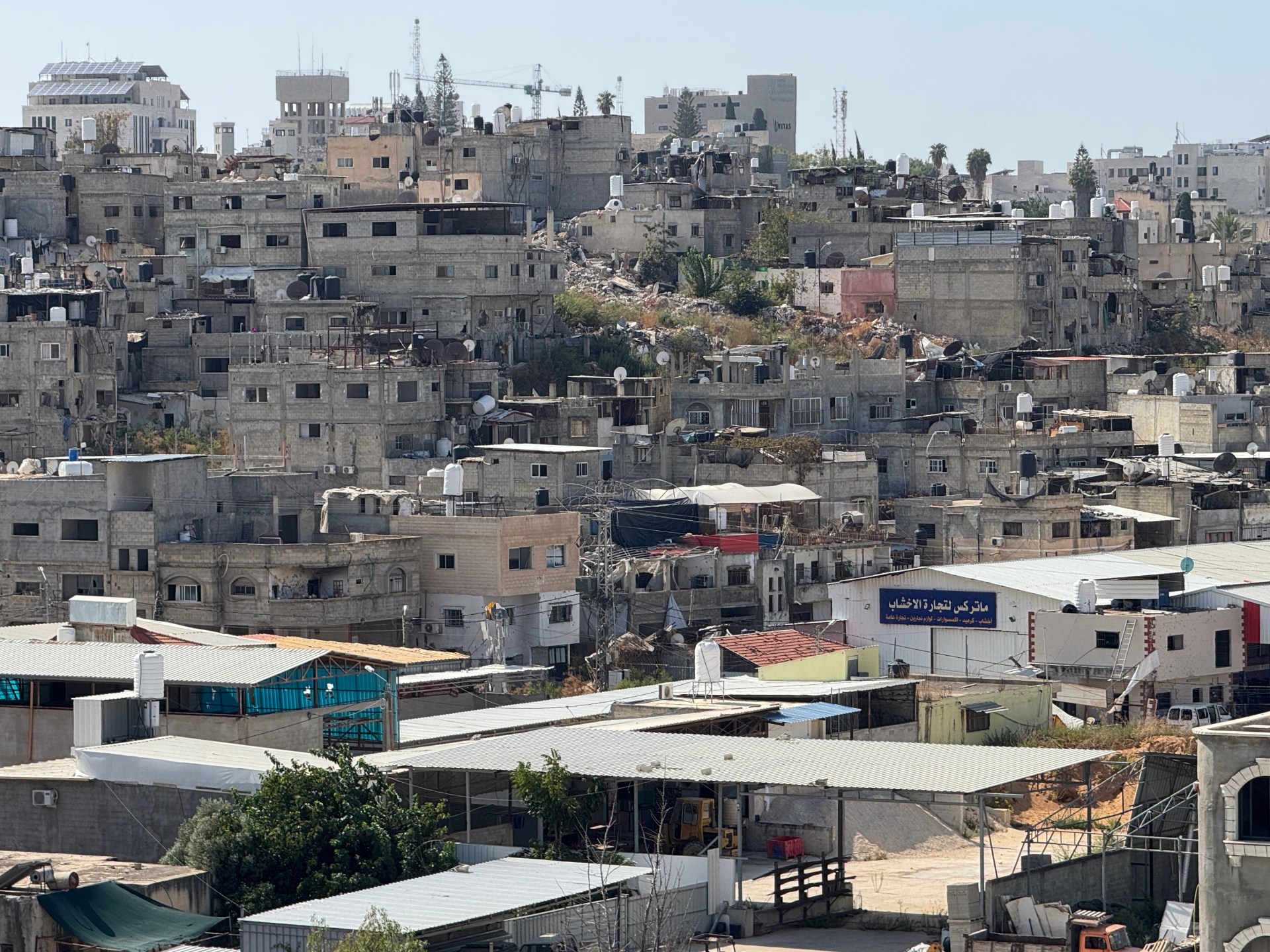
Israeli military forces have conducted multiple raids on Palestinian NGO offices across the occupied West Bank, particularly in Ramallah, detaining individuals and seizing documents. The operations appear designed to disrupt Palestinian civil society organisations and gather intelligence on protest coordination. Palestinian families displaced by the raids express determination to return home, even as the security situation deteriorates and prospects for political resolution recede.
UK Intelligence Chief Issues Stark Warning on Iranian Hybrid Threats

The head of Britain’s MI5 domestic security agency has publicly accused Iran and Russia of escalating hybrid campaigns on British soil, characterizing attacks on Jewish communities as “sickening.” The warning signals the integration of the Middle East conflict into broader geopolitical competition, where Iran uses proxy networks and cyber operations to extend its influence into Western countries. The MI5 statement reflects growing concern that Tehran’s regional military posture correlates with intensified intelligence operations in allied nations.
Yemen’s Escalation Marks Strategic Turning Point

The intensifying violence in Yemen—particularly deadly Houthi attacks in Taiz and government advances in Marib—represents a fundamental shift in the conflict’s trajectory. Families separated by the fighting face mounting uncertainty as new waves of displacement complicate humanitarian access and disrupt search and rescue efforts for missing relatives. The escalation suggests that neither side perceives diplomatic off-ramps as viable, entrenching the cycle of violence that has devastated the civilian population for over a decade.
Compiled from the configured RSS feed.