
Iran Conflict — 2026-10-11 (NOON)
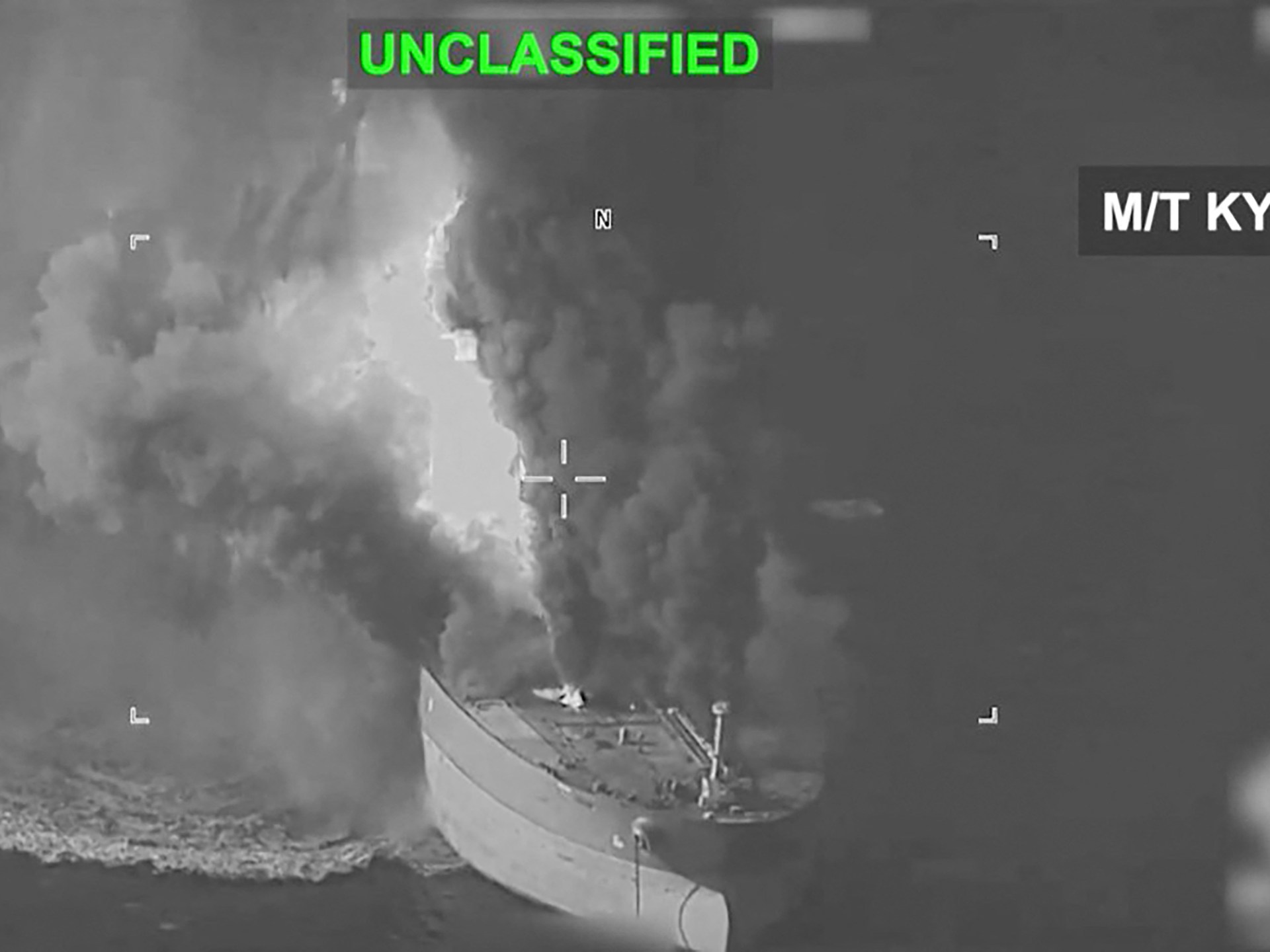
Escalation intensifies across multiple fronts as US and Iranian forces directly engage in the Strait of Hormuz shipping lanes, while Yemen’s humanitarian crisis deepens under Houthi siege pressure. The conflict moves beyond diplomacy and rhetoric into active military strikes on civilian maritime traffic, with both powers enforcing competing blockades.
Strait of Hormuz: US and Iran Exchange Direct Military Strikes
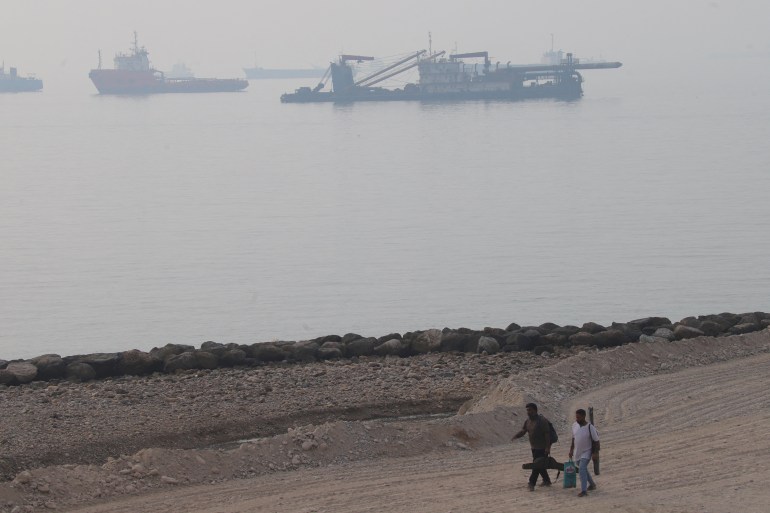
US military forces disabled a Panama-flagged cargo vessel in the Gulf of Oman after a precision airstrike on its stern, according to CENTCOM. The M/V Ocean Molica, which had departed an Iranian port, was struck after the crew “ignored repeated warnings” to abandon its attempt to run the US naval blockade against Iran. CENTCOM reported the crew was unharmed, though the ship’s propulsion was “fully disabled.” The strike marks the fourth commercial vessel disabled in three months of US blockade enforcement, with CENTCOM also reporting 135 ships turned around and 10 tankers linked to Iran’s Islamic Revolutionary Guard Corps’ shadow network destroyed. In response, Iran’s IRGC announced it had struck an LPG carrier attempting to use an “illegal route” south of the Strait of Hormuz, demonstrating Tehran’s counter-blockade enforcement. The competing maritime blockades are forcing global shipping to navigate dual military checkpoints, with a tanker strike also reported near Qatar’s north coast resulting in multiple casualties.
Yemen Healthcare System on Brink of Collapse Under Tightened Houthi Siege
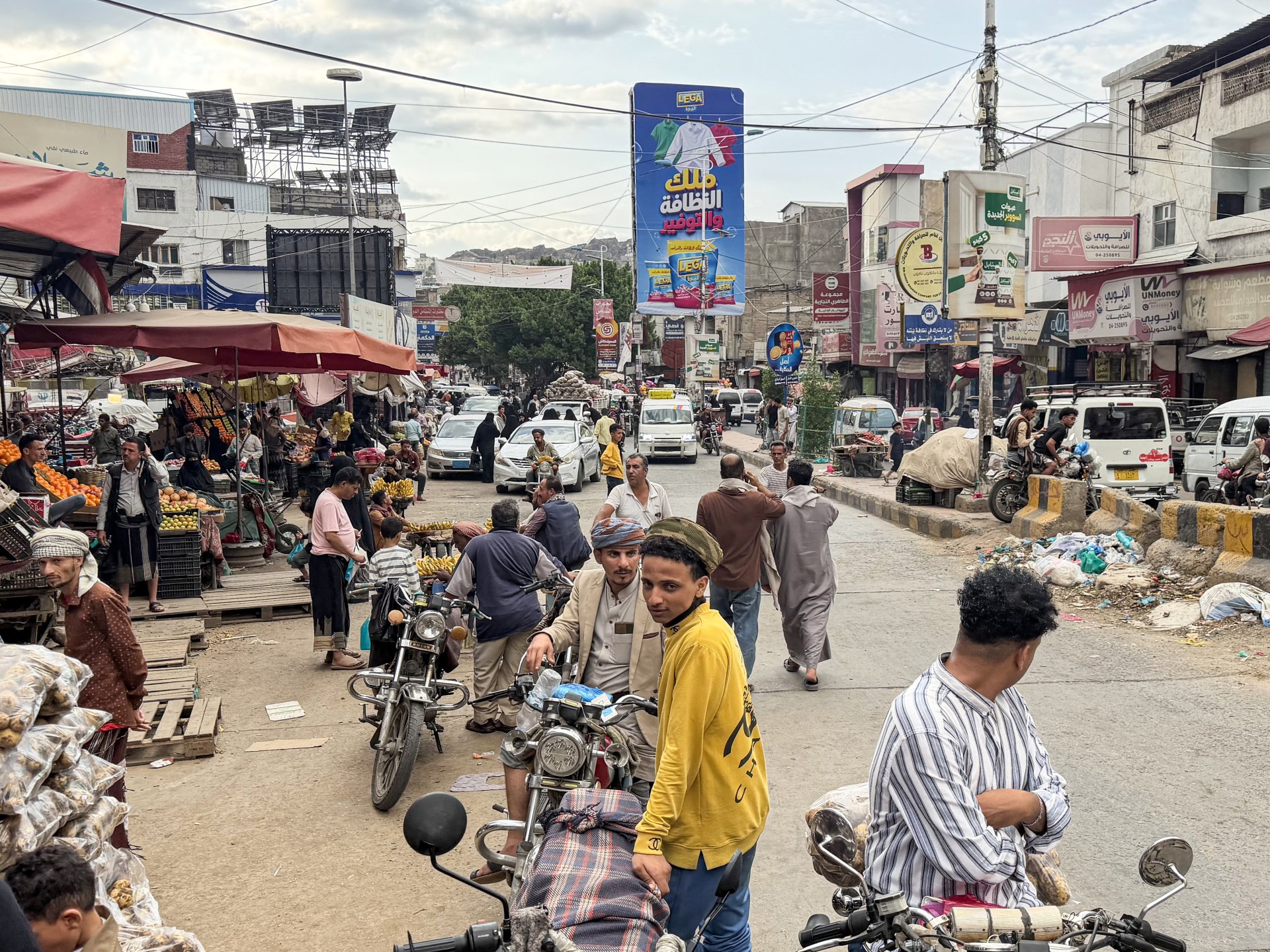
Yemen’s Ministry of Public Health warned of an “imminent humanitarian catastrophe” as Houthi forces tighten their siege on the besieged southwestern city of Taiz, cutting off medical supplies, fuel, and essential medicines. The ministry reported that fuel, intravenous fluids, and medical supplies at the city’s health facilities are “nearing depletion,” threatening to force closure of emergency care, surgery, intensive care, dialysis, and neonatal services. Without immediate relief, patients, injured civilians, pregnant women, and newborns face “immediate risk,” while fuel shortages endanger electricity generators, ambulances, and the cold chains required to preserve medicines and vaccines. The renewed Houthi siege, which began in early October after forces captured the port city of Mocha and the town of At Turbah, is described by Yemeni government officials as “more comprehensive and more severe than the 2015 siege.” An estimated 2.8 million people live in government-held areas of Taiz governorate, with an additional 200,000 recently displaced. Fuel black market prices have tripled, rising from 30,000 Yemeni riyals ($19) to 90,000 ($58) per 20-litre container.
Trump Signals Direct US Military Involvement Against Houthis After Riyadh Airport Attack
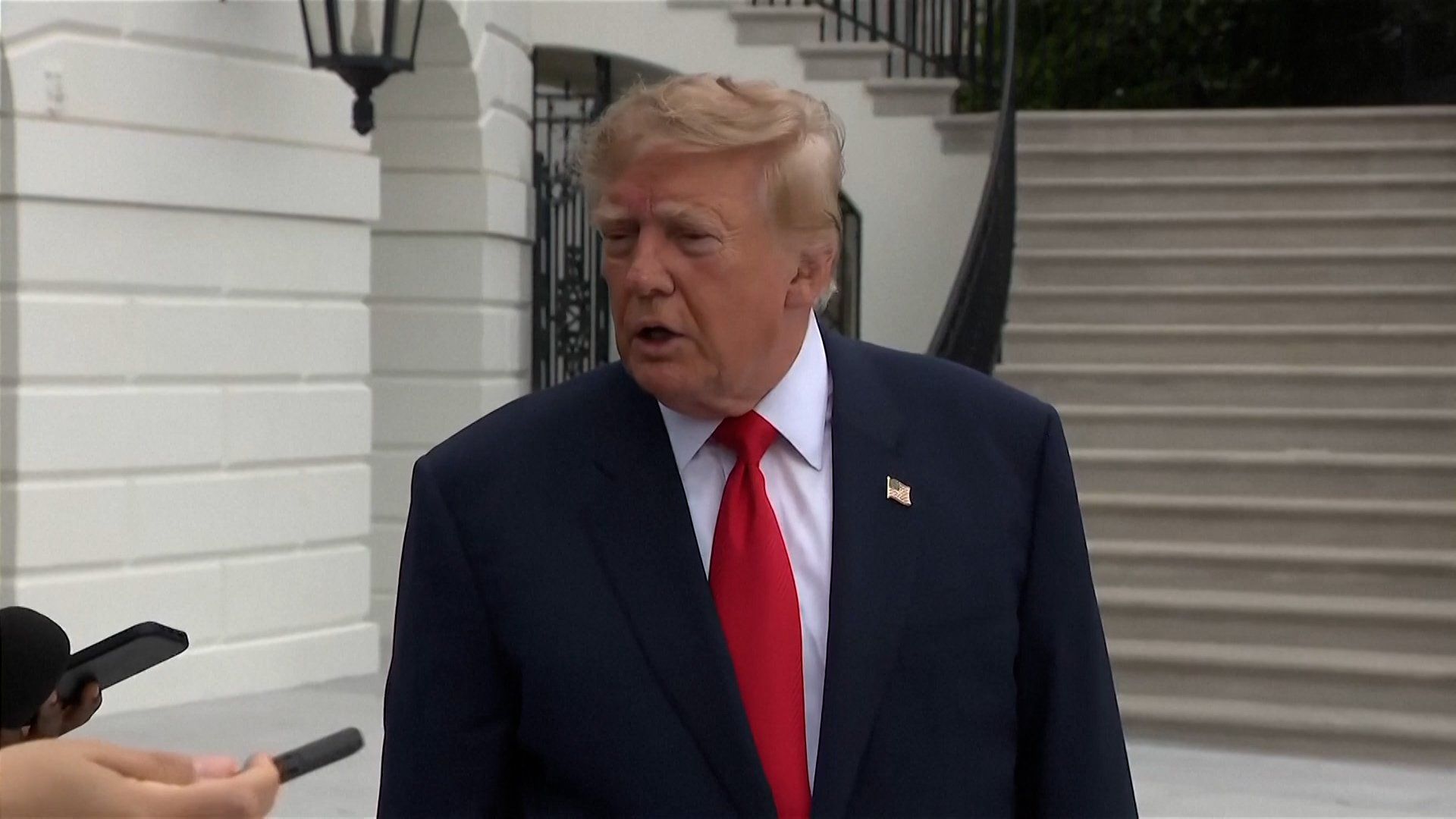
US President Donald Trump indicated the United States “may” join Saudi Arabia in direct military strikes against Iran-backed Houthi forces following Saturday’s devastating attack on Riyadh’s King Khalid International Airport, which killed 12 people and injured more than 300. Trump’s statement suggests a potential shift from current US involvement limited to intelligence and logistics support toward active military participation. The comments come as Saudi Arabia and US-backed Yemeni government forces have launched a counteroffensive against Houthi positions in the Taiz governorate. The potential for direct American military involvement represents a significant escalation and marks a departure from Trump’s earlier statements about military restraint before the November midterm elections.
Compiled from the configured RSS feed.